


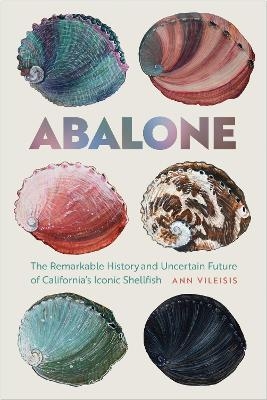
Abalone
The Remarkable History and Uncertain Future of California's Iconic Shellfish
Seiten
2020
Oregon State University (Verlag)
978-0-87071-988-2 (ISBN)
Oregon State University (Verlag)
978-0-87071-988-2 (ISBN)
In the past twenty years, two of California's seven abalone species have joined the US Endangered Species list, and even the hardiest now faces the ecological collapse of its home habitat. How - in our time - did the fate of the delicious, wondrous, and once abundant abalone become so precarious?
During the 1950s, 60s, and early 70s, California's coast seemed awash in abalone. From San Diego to Crescent City, people feasted on abalone steaks and glimmering shells were sold in trinket shops. Abalones' remarkable abundance and appeal made them icons of California's easy-living, laid-back beach culture. But just a few decades later, many younger Californians had never seen the legendary mollusk. In the past twenty years, two of California's seven abalone species have joined the U.S. Endangered Species list, and even the hardiest now faces the ecological collapse of its home habitat in Northern California - long regarded as a sure stronghold. After more than 70 million years of gripping tenaciously to North America's western shoreline, how - in our time - did the fate of the delicious, wondrous, and once abundant abalone become so precarious?
During the 1950s, 60s, and early 70s, California's coast seemed awash in abalone. From San Diego to Crescent City, people feasted on abalone steaks and glimmering shells were sold in trinket shops. Abalones' remarkable abundance and appeal made them icons of California's easy-living, laid-back beach culture. But just a few decades later, many younger Californians had never seen the legendary mollusk. In the past twenty years, two of California's seven abalone species have joined the U.S. Endangered Species list, and even the hardiest now faces the ecological collapse of its home habitat in Northern California - long regarded as a sure stronghold. After more than 70 million years of gripping tenaciously to North America's western shoreline, how - in our time - did the fate of the delicious, wondrous, and once abundant abalone become so precarious?
Ann Vileisis is an independent scholar, author, and editor. She holds an MA in history from Utah State University and is the author of several books on food and environmental topics, including Kitchen Literacy.
| Erscheinungsdatum | 15.06.2020 |
|---|---|
| Zusatzinfo | 25 black & white illustrations |
| Verlagsort | Corvallis, OR |
| Sprache | englisch |
| Maße | 152 x 226 mm |
| Gewicht | 485 g |
| Themenwelt | Sachbuch/Ratgeber ► Natur / Technik ► Natur / Ökologie |
| Sachbuch/Ratgeber ► Natur / Technik ► Naturführer | |
| Naturwissenschaften ► Biologie ► Zoologie | |
| ISBN-10 | 0-87071-988-2 / 0870719882 |
| ISBN-13 | 978-0-87071-988-2 / 9780870719882 |
| Zustand | Neuware |
| Informationen gemäß Produktsicherheitsverordnung (GPSR) | |
| Haben Sie eine Frage zum Produkt? |
Mehr entdecken
aus dem Bereich



aus dem Bereich
die Geschichte einer außergewöhnlichen Begegnung
Buch | Hardcover (2025)
Klett-Cotta (Verlag)
CHF 34,90
eine Geschichte der letzten 500 Jahre
Buch | Hardcover (2025)
C.H.Beck (Verlag)
CHF 47,60


