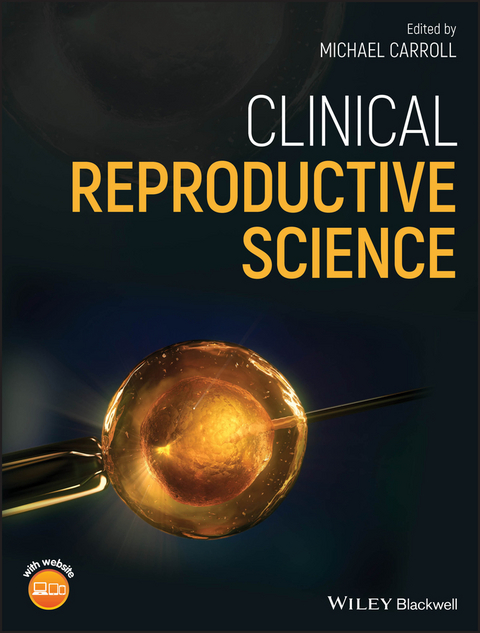
Clinical Reproductive Science (eBook)
John Wiley & Sons (Verlag)
978-1-118-97725-5 (ISBN)
The comprehensive and authoritative guide to clinical reproductive science
The field of clinical reproductive science continues to evolve; this important resource offers the basics of reproductive biology as well as the most recent advance in clinical embryology. The author - a noted expert in the field - focuses on the discipline and covers all aspects of this field. The text explores causes of male and female infertility and includes information on patient consultation and assessment, gamete retrieval and preparation, embryo culture, embryo transfer and cryopreservation.
Comprehensive in scope, the text contains an introduction to the field of clinical reproductive science and a review of assisted reproductive technology. The author includes information on a wide range of topics such as gonadal development, the regulation of meiotic cell cycle, the biology of sperm and spermatogenesis, in vitro culture, embryo transfer techniques, fundamentals of fertilisation, oocyte activation and much more. This important resource:
- Offers an accessible guide to the most current research and techniques to the science of clinical reproduction
- Covers the fundamental elements of reproductive science
- Includes information on male and the female reproductive basics - everything from sexual differentiation to foetal development and parturition
- Explores the long-term health of children conceived through IVF
- Contains the newest developments in assisted reproductive technology
Clinical Reproductive Science is a valuable reference written for professionals in academia, research and clinical professionals working in the field of reproductive science, clinical embryology and reproductive medicine.
About the Editor
MICHAEL CARROLL, Senior Lecturer in Reproductive Science, School of Healthcare Science, Manchester Metropolitan University, UK
The comprehensive and authoritative guide to clinical reproductive science The field of clinical reproductive science continues to evolve; this important resource offers the basics of reproductive biology as well as the most recent advance in clinical embryology. The author - a noted expert in the field - focuses on the discipline and covers all aspects of this field. The text explores causes of male and female infertility and includes information on patient consultation and assessment, gamete retrieval and preparation, embryo culture, embryo transfer and cryopreservation. Comprehensive in scope, the text contains an introduction to the field of clinical reproductive science and a review of assisted reproductive technology. The author includes information on a wide range of topics such as gonadal development, the regulation of meiotic cell cycle, the biology of sperm and spermatogenesis, in vitro culture, embryo transfer techniques, fundamentals of fertilisation, oocyte activation and much more. This important resource: Offers an accessible guide to the most current research and techniques to the science of clinical reproduction Covers the fundamental elements of reproductive science Includes information on male and the female reproductive basics everything from sexual differentiation to foetal development and parturition Explores the long-term health of children conceived through IVF Contains the newest developments in assisted reproductive technology Clinical Reproductive Science is a valuable reference written for professionals in academia, research and clinical professionals working in the field of reproductive science, clinical embryology and reproductive medicine.
About the Editor MICHAEL CARROLL, Senior Lecturer in Reproductive Science, School of Healthcare Science, Manchester Metropolitan University, UK
Title Page 5
Copyright Page 6
Contents 9
List of Contributors 13
About the Editor 17
Preface 19
Acknowledgements 21
About the Companion Website 23
SECTION ONE Reproductive Science: Fundamentals of Human Reproductive Biology 25
Chapter 1 Sexual Differentiation, Gonadal Development, and Development of the External Genitalia: A Review of The Regulation of Sexual Differentiation 27
Introduction 27
The Bipotential Gonad 27
Primordial Germ Cells 29
The Internal Reproductive Tract 31
The External Genitalia 32
Testis Differentiation 32
Ovarian Differentiation 37
Conclusion 40
References 40
Chapter 2 Male and Female Reproductive Anatomy 59
Female Reproductive System (Figure 2.1) 59
Male Reproductive System (Figure 2.2) 63
Further Reading 68
Chapter 3 Fundamentals of Reproductive Endocrinology 69
Introduction 69
Female Reproductive Endocrinology 70
Male Reproductive Endocrinology 75
Further Reading 78
Chapter 4 The Ovaries, Oocytes, and Folliculogenesis 81
Introduction 81
Development of Ovaries 81
Oogenesis or Gamete Production 83
Loss of Follicles 87
The Hormonal Changes 87
Conclusion 88
Further Reading 88
Chapter 5 The Human Spermatozoa 89
Introduction 89
Spermatogenesis 89
Epididymal Maturation 91
The Structure of Mature Sperm 91
The Sperm Transcriptome and Proteome 93
Ejaculation and Post?Ejaculatory Changes to Sperm Physiology 94
Capacitation and Hyperactivation 94
Thermotaxis, Chemotaxis, and Rheotaxis 94
Conclusion 94
References 95
Chapter 6 The Biology of Fertilization 99
A Brief History 99
The Journey of the Sperm 102
Finding the Oocyte 105
Capacitation, Hyperactivation, and the Acrosome Reaction 105
Sperm Meets Oocyte 106
Sparks of Life – Oocyte Activation 107
Conclusion 111
References 112
Chapter 7 Human Embryo Development: From Zygote Stage to Peri?Implantation Blastocyst 117
Human Embryo Cleavage 117
Compaction and Morula 119
Blastocyst 120
Implantation 120
Conclusion 121
References 121
Chapter 8 The Female Reproductive Tract and Early Embryo Development: A Question of Supply and Demand 123
Introduction 123
Nutrient Demand: Satisfying the Needs of the Embryo 123
Nutrient Supply: The Formation and Composition of the Environments in the Oviduct and Uterus 126
Recent Developments in Oviduct Physiology and Function 126
Can Knowledge of the Maternal Environment Help Us Improve Culture Media? 128
References 130
SECTION TWO Clinical Reproductive Science: Causes of Male and Female Infertility 133
Chapter 9 Disorders of Male Reproductive Endocrinology 135
Introduction 135
Diagnosis 135
Primary Hypogonadism 137
Secondary Hypogonadism 141
Conclusion 145
References 145
Chapter 10 Disorders of Female Reproductive Endocrinology 149
Introduction 149
Causes of Hormonal Infertility 149
Treatment Principles 154
Conclusion 154
References 155
Chapter 11 Oocyte Aneuploidy and the Maternal Age Effect 157
Introduction 157
Ovarian Ageing Versus Chromosomal Ageing 160
Maternally Transmitted Aneuploidy in Humans 162
Assisted Reproductive Technologies to Reduce the Risk Of Oocyte Aneuploidy? 165
Conclusion 166
Acknowledgements 166
References 166
Chapter 12 Female Reproductive Pathology: Peritoneal, Uterine, and Fallopian Tube Pathologies 171
Introduction 171
Endometriosis 171
Fallopian Tube Pathology 174
Uterine Fibroids 175
Intrauterine Adhesions (Asherman Syndrome) 177
Conclusion 179
References 180
Chapter 13 Pathologies of the Male Reproductive Tract 183
Introduction 183
Disorders of the Testes and Epididymis 183
Disorders of the Scrotum 188
Penile Pathologies 191
Pathologies of the Prostate 194
Conclusion 195
References 196
Chapter 14 The Impact of Infections on Reproduction and Fertility 201
Introduction 201
Normal Flora of the Genital Tract 201
Infection and Infertility 202
Female Genital Infections 202
Male Genital Tract Infections 205
Sexually Transmitted infections 206
Conclusion 210
References 210
Chapter 15 Nutrition, Fetal Health, and Pregnancy 213
Nutritional Demands 213
Choline 215
Docosahexaenoic Acid 215
Alcohol 215
Caffeine 216
Conclusion 216
References 217
Chapter 16 The Embryonic Environment and Developmental Origins of Health 219
Introduction 219
In Vivo Environmental Condition and Embryo Plasticity 220
In vitro Environmental Condition and Embryo Plasticity 224
Conclusion 225
Acknowledgements 225
References 225
Chapter 17 Lifestyle and Environmental Impacts on Fertility 229
Introduction 229
Reproductive Toxicology: Environmental and Occupational Exposures 229
Environmental and Occupational Toxicants 231
Radiation and Chemotherapy 232
Impact of Lifestyle and Reproduction 233
Sexually Transmitted Infections 235
Conclusion 235
References 236
SECTION THREE Clinical Reproductive Science In Practice: IVF and Assisted Reproductive Technologies 239
Chapter 18 Assessing the Infertile Couple 241
Introduction 241
History Taking: Female Partner 244
History Taking: Male Partner 245
Clinical Examination 246
Investigations of an Infertile Couple 246
Conclusion 251
References 251
Chapter 19 Ovarian Stimulation Protocols 255
Introduction 255
Prevention of Premature LH Surge 255
Follicular Growth in Controlled Ovarian Stimulation: Gonadotropins 257
Oocyte Maturation 260
Luteal Phase Support 260
Conclusion 261
References 261
Chapter 20 Oocyte Retrieval Techniques and Culture of Oocytes 265
History of Human Oocyte Retrieval 265
Timing of Oocyte Retrieval 265
Planning Theatre 265
Preparation for Oocyte Retrieval 266
Transvaginal Oocyte Retrieval 268
Preparing the Oocytes for Culture 270
Assessing Oocyte Maturity 271
Problem Solving 271
Conclusion 272
References 272
Chapter 21 Sperm Preparation: Strategy and Methodology 275
Introduction 275
Sperm Separation Techniques: Why Do We Need Them? 275
What Separation Techniques Are Available? 276
The Importance of Consideration of ‘Reprotoxicity’ 276
Direct Sperm Washing 277
Sperm Challenge Separation (The ‘Swim-Up’) 277
Use of the Migration Sedimentation Chamber for Sperm Preparation 278
Density Gradient Separation 279
Which Technique is ‘Better’? 281
Storage of Sperm Preinsemination 281
Managing Sero-Discordancy During ART 282
Offering ART to Men with Severe Asthenozoospermia or Necrozoospermia 283
Preparation of Surgically Retrieved Sperm 283
Future Methodologies for Sperm Preparation and Selection 284
Conclusion 285
References 286
Chapter 22 Diagnostic Semen Analysis: Uncertainty, Clinical Value, and Recent Advances 289
What is Semen Analysis? 289
Standardization, Limitations, and Uncertainty in Routine Semen Analysis 289
Sperm Concentration 291
Sperm Motility 293
Sperm Morphology 293
Computer-Assisted Semen Analysis (CASA) 295
Optional Tests (Antisperm Antibodies and DNA Fragmentation) 298
Conclusion: Clinical Value of Semen Analysis 299
Conflict of Interest Declaration 299
References 299
Chapter 23 Surgical Sperm Retrieval 303
Introduction 303
Azoospermia 303
Preparation for SSR 304
Methods of SSR 305
SSR Aftercare 309
Conclusion 310
Acknowledgements 311
References 311
Chapter 24 In Vitro Fertilization and Intracytoplasmic Sperm Injection 315
Introduction 315
IVF or ICSI: The Dilemma 315
Timing of Insemination 316
Conventional IVF Insemination 318
ICSI Procedure 319
Fertilization Assessment 323
Conclusion 324
References 324
Chapter 25 Morphological Assessment of Embryos in Culture 327
Why Do We Select Embryos? 327
Conventional Morphology Assessment 328
Time Lapse Imaging (TLI) 334
Conclusion 336
References 336
Chapter 26 In Vitro Culture of Gametes and Embryos – The Culture Medium 341
Introduction 341
Salts and Osmolality 344
Energy Sources and Metabolites 345
Amino Acids 347
Macromolecules and Growth Factors 348
Single-step and Sequential Culture Systems 350
Conclusion 351
References 352
Chapter 27 Incubators in the Assisted Reproductive Technology Laboratory 357
Introduction 357
Incubator Types 357
Main Incubator Features to Consider When Selecting an Incubator 360
Other Considerations When Selecting an Incubator 362
Future Developments 362
Conclusion 362
References 363
Chapter 28 Embryo Transfer Techniques and Improving Embryo Implantation Rates 365
Introduction 365
Embryo Transfer Technique 365
Endometrial Thickness and Pattern 367
Endometrium Receptivity 367
Embryo Transfer Media 368
Blastocyst Transfer 369
Endometrial Injury 369
Luteal Support 369
Postembryo Transfer Interventions 370
Conclusion 370
References 371
Chapter 29 Cryopreservation of Gametes and Embryos 375
Introduction: A Brief History of Gamete Cryopreservation 375
Principles of Cryopreservation 375
Permeating and Nonpermeating Cryoprotectants in ART 377
Freezing Media and Cryopreservation in ART 377
Cryopreservation Media and Related Challenges 379
Gamete and Embryo Cryopreservation 380
Conclusion 387
References 388
Chapter 30 Preimplantation Genetic Diagnosis and Screening 395
Introduction 395
Preimplantation Genetic Diagnosis 395
Preimplantation Genetic Screening 398
The Embryology Laboratory 400
Approaches to Biopsy 401
Adverse Outcomes and Misdiagnosis 405
Conclusion 406
References 406
Chapter 31 Long-Term Follow-Up of Children Conceived Through In Vitro Fertilization 409
Introduction 409
Perinatal Risks 409
Congenital Defects 410
Neurological Outcome 410
Neurodevelopmental Outcome 411
Use of Health Services and Physical Health 411
Psychological Outcome 412
Fertility 412
Cancer Risk 413
Conclusion and Future Directions 413
References 413
Index 417
EULA 435
| Erscheint lt. Verlag | 20.6.2018 |
|---|---|
| Sprache | englisch |
| Themenwelt | Medizin / Pharmazie ► Medizinische Fachgebiete |
| Studium ► 1. Studienabschnitt (Vorklinik) ► Histologie / Embryologie | |
| Naturwissenschaften ► Biologie | |
| Schlagworte | Advances • Aspects • authoritative • Basics • Biowissenschaften • Cell & Molecular Biology • clinical embryology • clinical reproductive • Consultation • Continues • Discipline • Editor • Embryologie • Embryology • Expert • explores causes • female • Field • focuses • Guide • important • Information • Life Sciences • medical education • Medical Science • Medizin • Medizinstudium • Patient • Reproductive • Science • Zell- u. Molekularbiologie |
| ISBN-10 | 1-118-97725-4 / 1118977254 |
| ISBN-13 | 978-1-118-97725-5 / 9781118977255 |
| Informationen gemäß Produktsicherheitsverordnung (GPSR) | |
| Haben Sie eine Frage zum Produkt? |
 PDF (Adobe DRM)
Kopierschutz: Adobe-DRM
Adobe-DRM ist ein Kopierschutz, der das eBook vor Mißbrauch schützen soll. Dabei wird das eBook bereits beim Download auf Ihre persönliche Adobe-ID autorisiert. Lesen können Sie das eBook dann nur auf den Geräten, welche ebenfalls auf Ihre Adobe-ID registriert sind.
Details zum Adobe-DRM
Dateiformat: PDF (Portable Document Format)
Mit einem festen Seitenlayout eignet sich die PDF besonders für Fachbücher mit Spalten, Tabellen und Abbildungen. Eine PDF kann auf fast allen Geräten angezeigt werden, ist aber für kleine Displays (Smartphone, eReader) nur eingeschränkt geeignet.
Systemvoraussetzungen:
PC/Mac: Mit einem PC oder Mac können Sie dieses eBook lesen. Sie benötigen eine
eReader: Dieses eBook kann mit (fast) allen eBook-Readern gelesen werden. Mit dem amazon-Kindle ist es aber nicht kompatibel.
Smartphone/Tablet: Egal ob Apple oder Android, dieses eBook können Sie lesen. Sie benötigen eine
Geräteliste und zusätzliche Hinweise
Buying eBooks from abroad
For tax law reasons we can sell eBooks just within Germany and Switzerland. Regrettably we cannot fulfill eBook-orders from other countries.
aus dem Bereich