


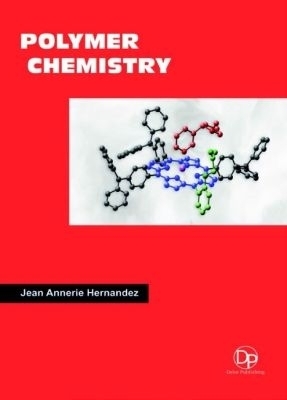
Polymer Chemistry
Seiten
2016
Delve Publishing (Verlag)
978-1-68095-727-3 (ISBN)
Delve Publishing (Verlag)
978-1-68095-727-3 (ISBN)
- Titel nicht im Sortiment
- Artikel merken
Provides an introduction to polymer chemistry. Polymer chemists study large, complex molecules (polymers) that are built up from many smaller (sometimes repeating) units. They study how the smaller building blocks (monomers) combine, and create useful materials with specific characteristics.
Polymers abound in nature. Polymers are very large molecules that are made up of thousands - even millions - of atoms that are bonded together in a repeating pattern. The structure of a polymer is easily visualized by imagining a chain. The chain has many links that are connected together. In the same way the atoms within the polymer are bonded to each other to form links in the polymer chain. The molecular links in the polymer chain are called repeat units that are formed from one or more molecules called monomers. The structure of the repeat unit can vary widely and depends on the raw materials that make up the polymer. For example, polyethylene, the polymer used to make a wide variety of plastic bags and containers, has a very simple repeat unit, two carbons that are bonded to one another to form a single link. The ultimate natural polymers are the deoxyribonucleic acid (DNA) and ribonucleic acid (RNA) that define life. Spider silk, hair, and horn are protein polymers. Starch can be a polymer as is cellulose in wood. Rubber tree latex and cellulose have been used as raw material to make manufactured polymeric rubber and plastics. The first synthetic manufactured plastic was Bakelite, created in 1909 for telephone casing and electrical components. The first manufactured polymeric fiber was Rayon, from cellulose, in 1910. Nylon was invented in 1935 while pursuing a synthetic spider silk. Polymer chemists study large, complex molecules (polymers) that are built up from many smaller (sometimes repeating) units. They study how the smaller building blocks (monomers) combine, and create useful materials with specific characteristics by manipulating the molecular structure of the monomers/polymers used, the composition of the monomer/polymer combinations, and applying chemical and processing techniques that can, to a large extent, affect the properties of the final product. Polymer chemists are unique within the chemistry community because their understanding of the relationship between structure and property spans from the molecular scale to the macroscopic scale. Polymers permeate every aspect of daily life, and it is difficult to imagine society without synthetic and natural polymers. Polymer products can be lightweight, hard, strong, and flexible, and may have special thermal, electrical, or optical characteristics. Because of their low cost, high specificity, and adaptability, polymers have a very wide range of applications.
They are used in the construction, furniture, electronics, communication, packaging, energy, health care, transportation, and sports & leisure industries, in everything from tractors to detergents to fabrics to aircraft. A polymer can be an end product in itself, or it can be an ingredient that changes the properties of another product.
Polymers abound in nature. Polymers are very large molecules that are made up of thousands - even millions - of atoms that are bonded together in a repeating pattern. The structure of a polymer is easily visualized by imagining a chain. The chain has many links that are connected together. In the same way the atoms within the polymer are bonded to each other to form links in the polymer chain. The molecular links in the polymer chain are called repeat units that are formed from one or more molecules called monomers. The structure of the repeat unit can vary widely and depends on the raw materials that make up the polymer. For example, polyethylene, the polymer used to make a wide variety of plastic bags and containers, has a very simple repeat unit, two carbons that are bonded to one another to form a single link. The ultimate natural polymers are the deoxyribonucleic acid (DNA) and ribonucleic acid (RNA) that define life. Spider silk, hair, and horn are protein polymers. Starch can be a polymer as is cellulose in wood. Rubber tree latex and cellulose have been used as raw material to make manufactured polymeric rubber and plastics. The first synthetic manufactured plastic was Bakelite, created in 1909 for telephone casing and electrical components. The first manufactured polymeric fiber was Rayon, from cellulose, in 1910. Nylon was invented in 1935 while pursuing a synthetic spider silk. Polymer chemists study large, complex molecules (polymers) that are built up from many smaller (sometimes repeating) units. They study how the smaller building blocks (monomers) combine, and create useful materials with specific characteristics by manipulating the molecular structure of the monomers/polymers used, the composition of the monomer/polymer combinations, and applying chemical and processing techniques that can, to a large extent, affect the properties of the final product. Polymer chemists are unique within the chemistry community because their understanding of the relationship between structure and property spans from the molecular scale to the macroscopic scale. Polymers permeate every aspect of daily life, and it is difficult to imagine society without synthetic and natural polymers. Polymer products can be lightweight, hard, strong, and flexible, and may have special thermal, electrical, or optical characteristics. Because of their low cost, high specificity, and adaptability, polymers have a very wide range of applications.
They are used in the construction, furniture, electronics, communication, packaging, energy, health care, transportation, and sports & leisure industries, in everything from tractors to detergents to fabrics to aircraft. A polymer can be an end product in itself, or it can be an ingredient that changes the properties of another product.
Jean Annerie Hernandez took up a Bachelor's degree in Chemistry in Central Luzon State University before she decided to fulfill her lifelong dream of becoming a creative writer and editor. She has ghostwritten and copyedited fictional and non-fictional books for three years, and is currently working on various client-based projects in Singapore, China and USA.
| Erscheinungsdatum | 16.03.2018 |
|---|---|
| Sprache | englisch |
| Maße | 152 x 229 mm |
| Gewicht | 880 g |
| Themenwelt | Naturwissenschaften ► Chemie ► Technische Chemie |
| Technik | |
| ISBN-10 | 1-68095-727-9 / 1680957279 |
| ISBN-13 | 978-1-68095-727-3 / 9781680957273 |
| Zustand | Neuware |
| Informationen gemäß Produktsicherheitsverordnung (GPSR) | |
| Haben Sie eine Frage zum Produkt? |
Mehr entdecken
aus dem Bereich
aus dem Bereich
Daten, Formeln, Normen, vergleichende Betrachtungen
Buch | Softcover (2024)
Europa-Lehrmittel (Verlag)
CHF 56,90


