


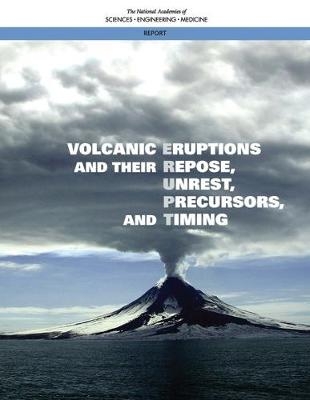
Volcanic Eruptions and Their Repose, Unrest, Precursors, and Timing
Seiten
2017
National Academies Press (Verlag)
978-0-309-45412-4 (ISBN)
National Academies Press (Verlag)
978-0-309-45412-4 (ISBN)
Volcanic eruptions are common, with more than 50 volcanic eruptions in the United States alone in the past 31 years. These eruptions can have devastating economic and social consequences, even at great distances from the volcano. Fortunately many eruptions are preceded by unrest that can be detected using ground, airborne, and spaceborne instruments. Data from these instruments, combined with basic understanding of how volcanoes work, form the basis for forecasting eruptions—where, when, how big, how long, and the consequences.
Accurate forecasts of the likelihood and magnitude of an eruption in a specified timeframe are rooted in a scientific understanding of the processes that govern the storage, ascent, and eruption of magma. Yet our understanding of volcanic systems is incomplete and biased by the limited number of volcanoes and eruption styles observed with advanced instrumentation. Volcanic Eruptions and Their Repose, Unrest, Precursors, and Timing identifies key science questions, research and observation priorities, and approaches for building a volcano science community capable of tackling them. This report presents goals for making major advances in volcano science.
Table of Contents
Front Matter
Overview
Summary
1 Introduction
2 How Do Volcanoes Work?
3 Forecasting Eruptions
4 How Do Earth Systems Interact with Eruptions?
5 Strengthening Volcano Science
6 Grand Challenges in Volcano Science
References
Appendix A: Volcano Databases
Appendix B: Workshop Participants
Appendix C: Biographical Sketches of Committee Members
Appendix D: Acronyms and Abbreviations
Accurate forecasts of the likelihood and magnitude of an eruption in a specified timeframe are rooted in a scientific understanding of the processes that govern the storage, ascent, and eruption of magma. Yet our understanding of volcanic systems is incomplete and biased by the limited number of volcanoes and eruption styles observed with advanced instrumentation. Volcanic Eruptions and Their Repose, Unrest, Precursors, and Timing identifies key science questions, research and observation priorities, and approaches for building a volcano science community capable of tackling them. This report presents goals for making major advances in volcano science.
Table of Contents
Front Matter
Overview
Summary
1 Introduction
2 How Do Volcanoes Work?
3 Forecasting Eruptions
4 How Do Earth Systems Interact with Eruptions?
5 Strengthening Volcano Science
6 Grand Challenges in Volcano Science
References
Appendix A: Volcano Databases
Appendix B: Workshop Participants
Appendix C: Biographical Sketches of Committee Members
Appendix D: Acronyms and Abbreviations
1 Front Matter; 2 Overview; 3 Summary; 4 1 Introduction; 5 2 How Do Volcanoes Work?; 6 3 Forecasting Eruptions; 7 4 How Do Earth Systems Interact with Eruptions?; 8 5 Strengthening Volcano Science; 9 6 Grand Challenges in Volcano Science; 10 References; 11 Appendix A Volcano Databases; 12 Appendix B Workshop Participants; 13 Appendix C Biographical Sketches of Committee Members; 14 Appendix D Acronyms and Abbreviations
| Erscheinungsdatum | 12.11.2017 |
|---|---|
| Verlagsort | Washington |
| Sprache | englisch |
| Maße | 216 x 279 mm |
| Themenwelt | Naturwissenschaften ► Biologie ► Ökologie / Naturschutz |
| Naturwissenschaften ► Geowissenschaften ► Geologie | |
| ISBN-10 | 0-309-45412-3 / 0309454123 |
| ISBN-13 | 978-0-309-45412-4 / 9780309454124 |
| Zustand | Neuware |
| Informationen gemäß Produktsicherheitsverordnung (GPSR) | |
| Haben Sie eine Frage zum Produkt? |
Mehr entdecken
aus dem Bereich



aus dem Bereich
Gewinnung - Aufbereitung - Speicherung - Verteilung
Buch | Softcover (2022)
Springer Vieweg (Verlag)
CHF 55,95
Methoden – Lösungen – Anwendungen
Buch | Hardcover (2025)
Hanser (Verlag)
CHF 69,95


