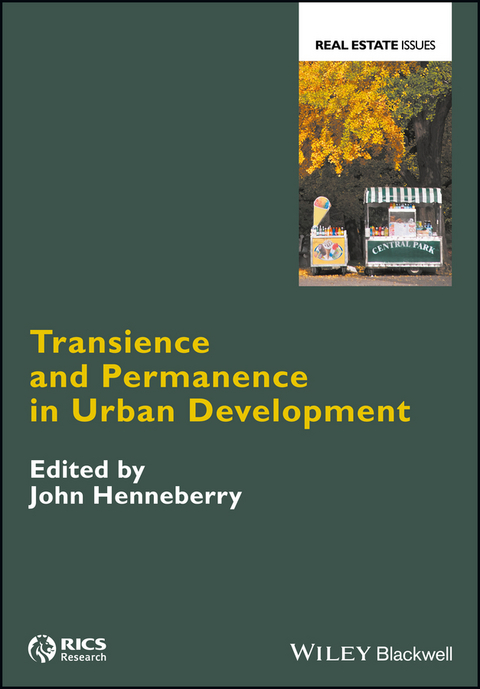
Transience and Permanence in Urban Development (eBook)
John Wiley & Sons (Verlag)
978-1-119-05567-9 (ISBN)
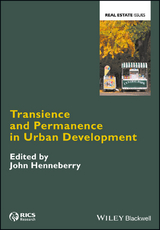
Temporary urban uses - innovative ways to transform cities or new means to old ends?
The scale and variety of temporary - or meanwhile or interim - urban uses and spaces has grown rapidly in response to the dramatic increase in vacant and derelict land and buildings, particularly in post-industrial cities. To some, this indicates that a paradigm shift in city making is underway. To others, alternative urbanism is little more than a distraction that temporarily cloaks some of the negative outcomes of conventional urban development. However, rigorous, theoretically informed criticism of temporary uses has been limited. The book draws on international experience to address this shortcoming from the perspectives of the law, sociology, human geography, urban studies, planning and real estate.
It considers how time - and the way that it is experienced - informs alternative perspectives on transience. It emphasises the importance, for analysis, of the structural position of a temporary use in an urban system in spatial, temporal and socio-cultural terms. It illustrates how this position is contingent upon circumstances. What may be deemed a helpful and acceptable use to established institutions in one context may be seen as a problematic, unacceptable use in another. What may be a challenging and fulfilling alternative use to its proponents may lose its allure if it becomes successful in conventional terms. Conceptualisations of temporary uses are, therefore, mutable and the use of fixed or insufficiently differentiated frames of reference within which to study them should be avoided. It then identifies the major challenges of transforming a temporary use into a long-term use. These include the demands of regulatory compliance, financial requirements, levels of expertise and so on. Finally, the potential impacts of policy on temporary uses, both inadvertent and intended, are considered.
The first substantive, critical review of temporary urban uses, Transience and Permanence in Urban Development is essential reading for academics, policy makers, practitioners and students of cities worldwide.
About the Editor
John Henneberry is Professor of Property Development Studies at The University of Sheffield, UK, and a Chartered Planner and Chartered Surveyor. He has researched and published on property development and investment and their roles in urban and regional development for over 30 years. He is a Fellow of the Academy of Social Sciences, UK.
Temporary urban uses innovative ways to transform cities or new means to old ends? The scale and variety of temporary or meanwhile or interim urban uses and spaces has grown rapidly in response to the dramatic increase in vacant and derelict land and buildings, particularly in post-industrial cities. To some, this indicates that a paradigm shift in city making is underway. To others, alternative urbanism is little more than a distraction that temporarily cloaks some of the negative outcomes of conventional urban development. However, rigorous, theoretically informed criticism of temporary uses has been limited. The book draws on international experience to address this shortcoming from the perspectives of the law, sociology, human geography, urban studies, planning and real estate. It considers how time and the way that it is experienced informs alternative perspectives on transience. It emphasises the importance, for analysis, of the structural position of a temporary use in an urban system in spatial, temporal and socio-cultural terms. It illustrates how this position is contingent upon circumstances. What may be deemed a helpful and acceptable use to established institutions in one context may be seen as a problematic, unacceptable use in another. What may be a challenging and fulfilling alternative use to its proponents may lose its allure if it becomes successful in conventional terms. Conceptualisations of temporary uses are, therefore, mutable and the use of fixed or insufficiently differentiated frames of reference within which to study them should be avoided. It then identifies the major challenges of transforming a temporary use into a long-term use. These include the demands of regulatory compliance, financial requirements, levels of expertise and so on. Finally, the potential impacts of policy on temporary uses, both inadvertent and intended, are considered. The first substantive, critical review of temporary urban uses, Transience and Permanence in Urban Development is essential reading for academics, policy makers, practitioners and students of cities worldwide.
About the Editor John Henneberry is Professor of Property Development Studies at The University of Sheffield, UK, and a Chartered Planner and Chartered Surveyor. He has researched and published on property development and investment and their roles in urban and regional development for over 30 years. He is a Fellow of the Academy of Social Sciences, UK.
Cover???????????????????????? 1
Title Page?????????????????????????????????? 7
Copyright???????????????????????????????? 8
Contents?????????????????????????????? 9
List of Contributors?????????????????????????????????????????????????????? 15
Notes on Contributors???????????????????????????????????????????????????????? 17
Preface???????????????????????????? 23
Acknowledgements?????????????????????????????????????????????? 27
Chapter 1 Introduction: Temporary Uses as Alternative Practices???????????????????????????????????????????????????????????????????????????????????????????????????????????????????????????????????????????? 29
Vacant land and temporary use???????????????????????????????????????????????????????????????????????? 29
Theorising and conceptualising temporary use?????????????????????????????????????????????????????????????????????????????????????????????????????? 31
Describing and analysing temporary uses???????????????????????????????????????????????????????????????????????????????????????????? 34
Critical analysis of temporary use?????????????????????????????????????????????????????????????????????????????????? 37
The coverage of the book?????????????????????????????????????????????????????????????? 39
Acknowledgement???????????????????????????????????????????? 41
References?????????????????????????????????? 42
Chapter 2 Forcing the Empties Back to Work? Ruinphobia and the Bluntness of Law and Policy?????????????????????????????????????????????????????????????????????????????????????????????????????????????????????????????????????????????????????????????????????????????????????????????????? 45
Introduction: gazing upon the New Ruins???????????????????????????????????????????????????????????????????????????????????????????? 45
How ruinphobia unsettles us???????????????????????????????????????????????????????????????????? 46
Tracing ruinphobia into urban law and policy?????????????????????????????????????????????????????????????????????????????????????????????????????? 48
The ruin as contagion???????????????????????????????????????????????????????? 48
The ruin as wasted space?????????????????????????????????????????????????????????????? 50
The ruin as wasted matter???????????????????????????????????????????????????????????????? 53
Time is always running out for a building and its uses?????????????????????????????????????????????????????????????????????????????????????????????????????????????????????????? 54
Is ruinphobia forcing empties back to work, or are law's tools blunt????????????????????????????????????????????????????????????????????????????????????????????????????????????????????????????????????????????????????????? 55
References?????????????????????????????????? 56
Chapter 3 Liminal Spaces and Theorising the Permanence of Transience?????????????????????????????????????????????????????????????????????????????????????????????????????????????????????????????????????????????????????? 59
Introduction?????????????????????????????????????? 59
Theorising transient spatialities???????????????????????????????????????????????????????????????????????????????? 61
Food banks as spaces of the in-between?????????????????????????????????????????????????????????????????????????????????????????? 64
Temporalities and 'yet-ness' in Wester Hailes???????????????????????????????????????????????????????????????????????????????????????????????????????? 67
Conclusion?????????????????????????????????? 70
References?????????????????????????????????? 71
Chapter 4 Temporary Uses Producing Difference in Contemporary Urbanism?????????????????????????????????????????????????????????????????????????????????????????????????????????????????????????????????????????????????????????? 75
Introduction?????????????????????????????????????? 75
The difference that temporary uses may produce?????????????????????????????????????????????????????????????????????????????????????????????????????????? 76
Temporary uses, appropriation and the Right to the City???????????????????????????????????????????????????????????????????????????????????????????????????????????????????????????? 77
Towards a socio-spatial theory of temporary uses-margins, fallows, amenities, commons???????????????????????????????????????????????????????????????????????????????????????????????????????????????????????????????????????????????????????????????????????????????????????? 79
Difference driven by users?????????????????????????????????????????????????????????????????? 82
Temporary uses, regeneration and gentrification???????????????????????????????????????????????????????????????????????????????????????????????????????????? 85
Conclusion: non-commodified spaces in a commodifying city???????????????????????????????????????????????????????????????????????????????????????????????????????????????????????????????? 88
References?????????????????????????????????? 90
Chapter 5 Short-Term Projects, Long-Term Ambitions: Facets of Transience in Two London Development Sites?????????????????????????????????????????????????????????????????????????????????????????????????????????????????????????????????????????????????????????????????????????????????????????????????????????????????????????????? 93
Introduction?????????????????????????????????????? 93
Historical framework?????????????????????????????????????????????????????? 94
Case study 1: Canning Town Caravanserai: semi-public community and events space with emphasis on up-cycling???????????????????????????????????????????????????????????????????????????????????????????????????????????????????????????????????????????????????????????????????????????????????????????????????????????????????????????????????? 96
Case study 2: Cultivate London Brentford Lock: urban farm and social enterprise project???????????????????????????????????????????????????????????????????????????????????????????????????????????????????????????????????????????????????????????????????????????????????????????? 101
Analytical framework: key themes?????????????????????????????????????????????????????????????????????????????? 106
Environmental and social contributions in relation to urban systems, sustainability and resilience?????????????????????????????????????????????????????????????????????????????????????????????????????????????????????????????????????????????????????????????????????????????????????????????????????????????????? 106
Urban development as an incremental, collaborative process, and emerging patterns of collaboration and synergies between involved actors?????????????????????????????????????????????????????????????????????????????????????????????????????????????????????????????????????????????????????????????????????????????????????????????????????????????????????????????????????????????????????????????????????????????????????????????? 107
Planning policy implications in the UK context?????????????????????????????????????????????????????????????????????????????????????????????????????????? 107
Concluding thoughts???????????????????????????????????????????????????? 108
Acknowledgements?????????????????????????????????????????????? 110
References?????????????????????????????????? 110
Chapter 6 Navigating the Rapids of Urban Development: Lessons from the Biospheric Foundation, Salford, UK???????????????????????????????????????????????????????????????????????????????????????????????????????????????????????????????????????????????????????????????????????????????????????????????????????????????????????????????? 113
Introduction?????????????????????????????????????? 113
From vision to practice???????????????????????????????????????????????????????????? 114
Positioning the idea with multiple communities of interest?????????????????????????????????????????????????????????????????????????????????????????????????????????????????????????????????? 115
Developing and managing partnerships?????????????????????????????????????????????????????????????????????????????????????? 118
Planning the long-term development?????????????????????????????????????????????????????????????????????????????????? 120
Finding people to own the vision?????????????????????????????????????????????????????????????????????????????? 122
The Janus faces of urban socio-ecological experimentation???????????????????????????????????????????????????????????????????????????????????????????????????????????????????????????????? 123
Acknowledgements?????????????????????????????????????????????? 126
References?????????????????????????????????? 126
Chapter 7 The Urban Voids of Istanbul???????????????????????????????????????????????????????????????????????????????????????? 129
Istanbul: global city of Turkey with no 'vacancy'???????????????????????????????????????????????????????????????????????????????????????????????????????????????? 130
Different types of urban voids in Istanbul?????????????????????????????????????????????????????????????????????????????????????????????????? 131
Three case studies?????????????????????????????????????????????????? 133
Physical void: from ghostly historic homes to high-value offices?????????????????????????????????????????????????????????????????????????????????????????????????????????????????????????????????????????????? 133
Physical void: squatting as an alternative space?????????????????????????????????????????????????????????????????????????????????????????????????????????????? 136
Symbolic void: the Ataturk Cultural Centre?????????????????????????????????????????????????????????????????????????????????????????????????? 139
Conclusion?????????????????????????????????? 142
Acknowledgments???????????????????????????????????????????? 143
References?????????????????????????????????? 143
Chapter 8 Institutionalizing Urban Possibility: Urban Greening and Vacant Land Governance in Three American Cities?????????????????????????????????????????????????????????????????????????????????????????????????????????????????????????????????????????????????????????????????????????????????????????????????????????????????????????????????????????????????? 145
State strategies in urban shrinkage???????????????????????????????????????????????????????????????????????????????????? 145
Environmental coalitions in urban shrinkage???????????????????????????????????????????????????????????????????????????????????????????????????? 146
Methods???????????????????????????? 147
Civic environmental coalitions in weak land markets???????????????????????????????????????????????????????????????????????????????????????????????????????????????????? 148
Windows of opportunity: political coalitions in Boston, Philadelphia, and Baltimore???????????????????????????????????????????????????????????????????????????????????????????????????????????????????????????????????????????????????????????????????????????????????? 150
Boston?????????????????????????? 151
Philadelphia?????????????????????????????????????? 152
Baltimore???????????????????????????????? 154
Political will and investment capacity: a counter-cyclical relationship???????????????????????????????????????????????????????????????????????????????????????????????????????????????????????????????????????????????????????????? 156
References?????????????????????????????????? 157
Chapter 9 The Trajectory of Berlin's 'Interim Spaces': Tensions and Conflicts in the Mobilisation of 'Temporary Uses' of Urban Space in Local Economic Development?????????????????????????????????????????????????????????????????????????????????????????????????????????????????????????????????????????????????????????????????????????????????????????????????????????????????????????????????????????????????????????????????????????????????????????????????????????????????????????????????????????????????? 159
'Temporary uses' and 'interim spaces' in reunified Berlin???????????????????????????????????????????????????????????????????????????????????????????????????????????????????????????????? 160
The mobilisation of 'temporary uses' in local economic development and place marketing policies???????????????????????????????????????????????????????????????????????????????????????????????????????????????????????????????????????????????????????????????????????????????????????????????????????????? 162
The dilemmas and tensions inherent in the mobilisation of temporary uses as a tool of urban revitalisation: trajectories, conflicts and resistance?????????????????????????????????????????????????????????????????????????????????????????????????????????????????????????????????????????????????????????????????????????????????????????????????????????????????????????????????????????????????????????????????????????????????????????????????????????????????? 164
The contested future of the Tempelhof airfield?????????????????????????????????????????????????????????????????????????????????????????????????????????? 169
Conclusion?????????????????????????????????? 174
References?????????????????????????????????? 175
Chapter 10 Pop-up Justice? Reflecting on Relationships in the Temporary City?????????????????????????????????????????????????????????????????????????????????????????????????????????????????????????????????????????????????????????????????????? 179
Tactics and interventions???????????????????????????????????????????????????????????????? 179
Justice in the city???????????????????????????????????????????????????? 182
Attending to the particular???????????????????????????????????????????????????????????????????? 185
Attending to the collective???????????????????????????????????????????????????????????????????? 189
Conclusion?????????????????????????????????? 193
Acknowledgements?????????????????????????????????????????????? 194
References?????????????????????????????????? 194
Chapter 11 Planning, Property Rights, and the Tragedy of the Anticommons: Temporary Uses in Portland and Detroit?????????????????????????????????????????????????????????????????????????????????????????????????????????????????????????????????????????????????????????????????????????????????????????????????????????????????????????????????????????????? 199
Introduction?????????????????????????????????????? 199
The Tragedy of the Anticommons?????????????????????????????????????????????????????????????????????????? 200
Anticommons and real estate development???????????????????????????????????????????????????????????????????????????????????????????? 201
Anticommons, informality, and temporary use???????????????????????????????????????????????????????????????????????????????????????????????????? 203
Case studies?????????????????????????????????????? 205
Food carts in Portland, Oregon?????????????????????????????????????????????????????????????????????????? 206
Pop-up retail in Detroit, Michigan?????????????????????????????????????????????????????????????????????????????????? 208
Conclusion?????????????????????????????????? 210
References?????????????????????????????????? 211
Chapter 12 Valuation and the Evolution of New Uses and Buildings?????????????????????????????????????????????????????????????????????????????????????????????????????????????????????????????????????????????? 213
Introduction?????????????????????????????????????? 213
The acceptance of the new???????????????????????????????????????????????????????????????? 214
Constructing goods and making markets???????????????????????????????????????????????????????????????????????????????????????? 214
Examining the evolution of a good???????????????????????????????????????????????????????????????????????????????? 215
The comparative approach to property valuation?????????????????????????????????????????????????????????????????????????????????????????????????????????? 217
Defining the subject of valuation???????????????????????????????????????????????????????????????????????????????? 217
The principles of comparative valuation???????????????????????????????????????????????????????????????????????????????????????????? 218
Valuation accuracy?????????????????????????????????????????????????? 220
Other influences on comparative valuation???????????????????????????????????????????????????????????????????????????????????????????????? 221
The institutional context of the application of comparison techniques???????????????????????????????????????????????????????????????????????????????????????????????????????????????????????????????????????????????????????? 221
Professional control of property valuation?????????????????????????????????????????????????????????????????????????????????????????????????? 221
The concentration of valuers and their clients?????????????????????????????????????????????????????????????????????????????????????????????????????????? 222
The calculative regime of comparative valuation???????????????????????????????????????????????????????????????????????????????????????????????????????????? 223
References?????????????????????????????????? 224
Chapter 13 Public Policy and Urban Transience: Provoking New Urban Development through Contemporary Models of Property Based Finance in England???????????????????????????????????????????????????????????????????????????????????????????????????????????????????????????????????????????????????????????????????????????????????????????????????????????????????????????????????????????????????????????????????????????????????????????????????????????? 227
Introduction: public policy and urban transience?????????????????????????????????????????????????????????????????????????????????????????????????????????????? 227
Conceptual framework?????????????????????????????????????????????????????? 228
Fiscal decentralisation and the urban built environment???????????????????????????????????????????????????????????????????????????????????????????????????????????????????????????? 230
Financing urban transience?????????????????????????????????????????????????????????????????? 234
Premium locations???????????????????????????????????????????????? 235
Stranded locations?????????????????????????????????????????????????? 236
Redundant locations???????????????????????????????????????????????????? 237
Discussion and conclusion???????????????????????????????????????????????????????????????? 238
References?????????????????????????????????? 240
Chapter 14 Tackling Hardcore Vacancy through Compulsory Sale Orders???????????????????????????????????????????????????????????????????????????????????????????????????????????????????????????????????????????????????? 243
Introduction?????????????????????????????????????? 243
Hardcore vacancy?????????????????????????????????????????????? 244
An institutional explanation of hardcore vacancy?????????????????????????????????????????????????????????????????????????????????????????????????????????????? 248
Critical success and failure factors?????????????????????????????????????????????????????????????????????????????????????? 248
The importance of ownership strategies and constraints?????????????????????????????????????????????????????????????????????????????????????????????????????????????????????????? 249
The significance of valuation constraints???????????????????????????????????????????????????????????????????????????????????????????????? 252
Compulsory Sale Orders?????????????????????????????????????????????????????????? 252
Balancing property rights and responsibilities?????????????????????????????????????????????????????????????????????????????????????????????????????????? 254
Conclusions???????????????????????????????????? 256
References?????????????????????????????????? 257
Chapter 15 Frameworks for Temporary Use: Experiments of Urban Regeneration in Bremen, Rome and Budapest???????????????????????????????????????????????????????????????????????????????????????????????????????????????????????????????????????????????????????????????????????????????????????????????????????????????????????????? 259
The conditions of temporary use???????????????????????????????????????????????????????????????????????????? 260
Transferring models???????????????????????????????????????????????????? 261
Municipality-initiated temporary use: ZwischenZeitZentrale, Bremen?????????????????????????????????????????????????????????????????????????????????????????????????????????????????????????????????????????????????? 263
Formalising activism: temporary use experiments in Rome???????????????????????????????????????????????????????????????????????????????????????????????????????????????????????????? 266
Establishing trust: public and private initiatives for temporary use in Budapest?????????????????????????????????????????????????????????????????????????????????????????????????????????????????????????????????????????????????????????????????????????????? 270
Conclusions???????????????????????????????????? 274
References?????????????????????????????????? 276
Chapter 16 Conclusions: The Tensions and Dilemmas of Transience???????????????????????????????????????????????????????????????????????????????????????????????????????????????????????????????????????????? 277
Time, transience and temporality?????????????????????????????????????????????????????????????????????????????? 278
The structural position of transience in the urban system???????????????????????????????????????????????????????????????????????????????????????????????????????????????????????????????? 280
Spatial structural positioning?????????????????????????????????????????????????????????????????????????? 281
Temporal structural positioning???????????????????????????????????????????????????????????????????????????? 282
Socio-cultural structural positioning???????????????????????????????????????????????????????????????????????????????????????? 283
The transition from temporary to established use?????????????????????????????????????????????????????????????????????????????????????????????????????????????? 284
Top-down?????????????????????????????? 284
Bottom-up???????????????????????????????? 285
Negotiating regulations???????????????????????????????????????????????????????????? 286
Negotiating market institutions???????????????????????????????????????????????????????????????????????????? 287
Assessing structural change???????????????????????????????????????????????????????????????????? 287
Policy and transience???????????????????????????????????????????????????????? 288
Conclusions???????????????????????????????????? 291
Acknowledgements?????????????????????????????????????????????? 292
References?????????????????????????????????? 292
Index???????????????????????? 293
EULA 306
| Erscheint lt. Verlag | 21.3.2017 |
|---|---|
| Reihe/Serie | Real Estate Issues | Real Estate Issues |
| Sprache | englisch |
| Themenwelt | Naturwissenschaften ► Geowissenschaften ► Geografie / Kartografie |
| Technik ► Architektur | |
| Wirtschaft ► Betriebswirtschaft / Management ► Rechnungswesen / Bilanzen | |
| Betriebswirtschaft / Management ► Spezielle Betriebswirtschaftslehre ► Immobilienwirtschaft | |
| Schlagworte | Architecture • Architektur • building vacancy • Business & Management • city planning • frontiers in urban planning • Immobilien • Immobilien u. Grundbesitz • interim spaces • land vacancy • life cycles of cities • life cycles of neighbourhoods • models of urban planning • Property & Real Estate • property dereliction • Property Development • property vacancy • Real Estate Development • reimagining cities • Stadtentwicklung • temporary building use • Temporary land use • temporary neighbourhoods • the economy of cities • Urban Architecture • urban blight • urban blight, causes and cures • urban commercial real estate • Urban Development • urban development cycles • urban ecology • Urban Economics • Urban Economy • urban environments • Urban Finance • urban finance and real estate • Urban Geography • urban insurgency • Urbanism • urban life cycles • urban planners • urban planning • urban real estate markets • urban re-development • Urban Regeneration • Urban rehabilitation • urban ruins • Urban sociology • Urban structures • urban studies • urban transformation • urban transience • urban void • uses of vacant land • vacant land and temporary use • Wirtschaft u. Management |
| ISBN-10 | 1-119-05567-9 / 1119055679 |
| ISBN-13 | 978-1-119-05567-9 / 9781119055679 |
| Informationen gemäß Produktsicherheitsverordnung (GPSR) | |
| Haben Sie eine Frage zum Produkt? |
 PDF (Adobe DRM)
Kopierschutz: Adobe-DRM
Adobe-DRM ist ein Kopierschutz, der das eBook vor Mißbrauch schützen soll. Dabei wird das eBook bereits beim Download auf Ihre persönliche Adobe-ID autorisiert. Lesen können Sie das eBook dann nur auf den Geräten, welche ebenfalls auf Ihre Adobe-ID registriert sind.
Details zum Adobe-DRM
Dateiformat: PDF (Portable Document Format)
Mit einem festen Seitenlayout eignet sich die PDF besonders für Fachbücher mit Spalten, Tabellen und Abbildungen. Eine PDF kann auf fast allen Geräten angezeigt werden, ist aber für kleine Displays (Smartphone, eReader) nur eingeschränkt geeignet.
Systemvoraussetzungen:
PC/Mac: Mit einem PC oder Mac können Sie dieses eBook lesen. Sie benötigen eine
eReader: Dieses eBook kann mit (fast) allen eBook-Readern gelesen werden. Mit dem amazon-Kindle ist es aber nicht kompatibel.
Smartphone/Tablet: Egal ob Apple oder Android, dieses eBook können Sie lesen. Sie benötigen eine
Geräteliste und zusätzliche Hinweise
Buying eBooks from abroad
For tax law reasons we can sell eBooks just within Germany and Switzerland. Regrettably we cannot fulfill eBook-orders from other countries.
aus dem Bereich