


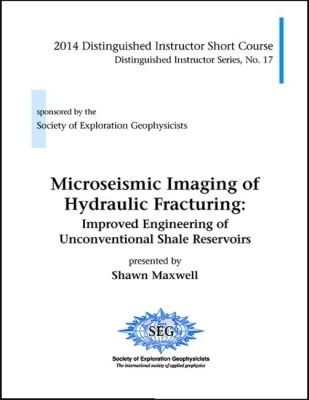
Microseismic Imaging of Hydraulic Fracturing
Improved Engineering of Unconventional Shale Reservoirs
Seiten
2014
Society of Exploration Geophysicists (Verlag)
978-1-56080-315-7 (ISBN)
Society of Exploration Geophysicists (Verlag)
978-1-56080-315-7 (ISBN)
Providing a practical guide for survey design, acquisition, interpretation, and application of microseismic hydraulic fracture monitoring, this text includes geologic and geomechanical factors that control fracture growth and discusses potential pitfalls and quality-control steps associated with collecting and interpreting microseismic data.
Microseismic Imaging of Hydraulic Fracturing: Improved Engineering of Unconventional Shale Reservoirs (SEG Distinguished Instructor Series No. 17) covers the use of microseismic data to enhance engineering design of hydraulic fracturing and well completion. The book, which accompanies the 2014 SEG Distinguished Instructor Short Course, describes the design, acquisition, processing, and interpretation of an effective microseismic project. The text includes a tutorial of the basics of hydraulic fracturing, including the geologic and geomechanical factors that control fracture growth. In addition to practical issues associated with collecting and interpreting microseismic data, potential pitfalls and quality-control steps are discussed. Actual case studies are used to demonstrate engineering benefits and improved production through the use of microseismic monitoring. Providing a practical user guide for survey design, quality control, interpretation, and application of microseismic hydraulic fracture monitoring, this book will be of interest to geoscientists and engineers involved in development of unconventional reservoirs.
Microseismic Imaging of Hydraulic Fracturing: Improved Engineering of Unconventional Shale Reservoirs (SEG Distinguished Instructor Series No. 17) covers the use of microseismic data to enhance engineering design of hydraulic fracturing and well completion. The book, which accompanies the 2014 SEG Distinguished Instructor Short Course, describes the design, acquisition, processing, and interpretation of an effective microseismic project. The text includes a tutorial of the basics of hydraulic fracturing, including the geologic and geomechanical factors that control fracture growth. In addition to practical issues associated with collecting and interpreting microseismic data, potential pitfalls and quality-control steps are discussed. Actual case studies are used to demonstrate engineering benefits and improved production through the use of microseismic monitoring. Providing a practical user guide for survey design, quality control, interpretation, and application of microseismic hydraulic fracture monitoring, this book will be of interest to geoscientists and engineers involved in development of unconventional reservoirs.
| Erscheinungsdatum | 28.03.2017 |
|---|---|
| Reihe/Serie | Distinguished Instructor Series |
| Verlagsort | Tulsa |
| Sprache | englisch |
| Maße | 216 x 279 mm |
| Gewicht | 725 g |
| Themenwelt | Naturwissenschaften ► Geowissenschaften ► Geologie |
| Naturwissenschaften ► Geowissenschaften ► Geophysik | |
| ISBN-10 | 1-56080-315-0 / 1560803150 |
| ISBN-13 | 978-1-56080-315-7 / 9781560803157 |
| Zustand | Neuware |
| Informationen gemäß Produktsicherheitsverordnung (GPSR) | |
| Haben Sie eine Frage zum Produkt? |
Mehr entdecken
aus dem Bereich



aus dem Bereich
Baugruben und Gründungen
Buch | Hardcover (2024)
Springer Vieweg (Verlag)
CHF 83,95
Geräte und Verfahren
Buch | Hardcover (2024)
Reguvis (Verlag)
CHF 199,95


