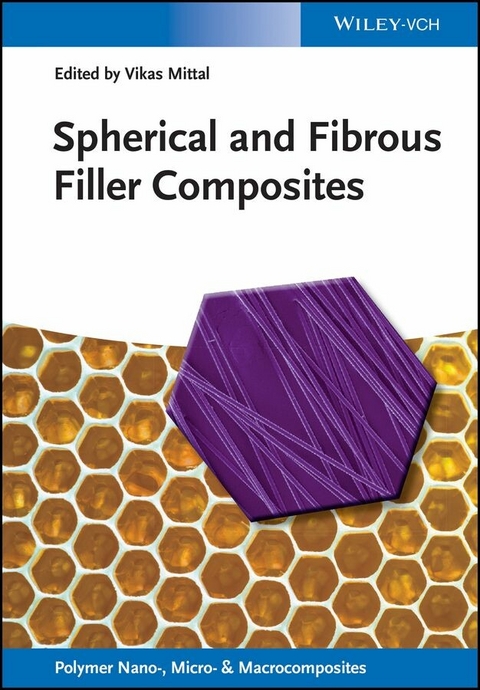
In so doing, the text brings together a number of composite systems using different polymer matrices, different filler systems as well as different processing conditions, thereby serving as a beneficial guide for readers so as to select a particular set of processing conditions or composite constituents for the enhancement of certain properties.
Vikas Mittal is an Associate Professor at the Chemical Engineering Department of The Petroleum Institute, Abu Dhabi. He obtained his PhD in 2006 in Polymer and Materials Engineering from the Swiss Federal Institute of Technology in Zurich, Switzerland. Later, he worked as Materials Scientist in the Active and Intelligent Coatings section of SunChemical in London, UK and as Polymer Engineer at BASF Polymer Research in Ludwigshafen, Germany. His research interests include polymer nanocomposites, toughening of polymers, graphene based nanomaterials, membranes for gas separation, anti-corrosion coatings, biomaterials, etc. He has authored over 100 scientific publications, book chapters and patents on these subjects.
Vikas Mittal is an Associate Professor at the Chemical Engineering Department of The Petroleum Institute, Abu Dhabi. He obtained his PhD in 2006 in Polymer and Materials Engineering from the Swiss Federal Institute of Technology in Zurich, Switzerland. Later, he worked as Materials Scientist in the Active and Intelligent Coatings section of SunChemical in London, UK and as Polymer Engineer at BASF Polymer Research in Ludwigshafen, Germany. His research interests include polymer nanocomposites, toughening of polymers, graphene based nanomaterials, membranes for gas separation, anti-corrosion coatings, biomaterials, etc. He has authored over 100 scientific publications, book chapters and patents on these subjects.
1. Fly Ash As Filler in Biodegradable Poly(Vinyl Alcohol) Composite Films
2. Influence of Surface Treatment of Fillers on Flammability and Tensile Behavior of Polymer Composites
3. Effect of Mechanical and Chemical Modification of Tio2 Nanoparticles on the Performance of Polymer Ultrafiltration Membranes
4. Effects of Particle Size, Particle/Matrix Interface Adhesion and Loading on Mechanical Properties of Polymer Composites
5. Role of Reinforcing Ceramic Particles in the Wear Behavior of Polymer Composites
6. Treatment of Wood Flour and Its Effect on the Properties of Polymer/Wood Composites
7. Natural Fiber Reinforced Polymer Composites
8. Predictions of Tensile Strength of Short Inorganic Fiber Reinforced Polymer Composites
9. Electromagnetic Interference Shielding Properties of Carbon-Fiber Polymer Composites
10. Crystallization and Processing Behavior of the Polyamide Composites Reinforced with Kevlar Fibers
11. Impact Behavior of Short Fiber/Liquid Crystal Polymer Composites
12. A Novel Technique for Determining the 3D Spatial Distribution of Glass Fibers in Polymer Composites
13. Fracture Behavior of Steel Fiber Reinforced Polymer Composites
1. Fly Ash As Filler in Biodegradable Poly(Vinyl Alcohol) Composite Films
2. Influence of Surface Treatment of Fillers on Flammability and Tensile Behavior of Polymer Composites
3. Effect of Mechanical and Chemical Modification of Tio2 Nanoparticles on the Performance of Polymer Ultrafiltration Membranes
4. Effects of Particle Size, Particle/Matrix Interface Adhesion and Loading on Mechanical Properties of Polymer Composites
5. Role of Reinforcing Ceramic Particles in the Wear Behavior of Polymer Composites
6. Treatment of Wood Flour and Its Effect on the Properties of Polymer/Wood Composites
7. Natural Fiber Reinforced Polymer Composites
8. Predictions of Tensile Strength of Short Inorganic Fiber Reinforced Polymer Composites
9. Electromagnetic Interference Shielding Properties of Carbon-Fiber Polymer Composites
10. Crystallization and Processing Behavior of the Polyamide Composites Reinforced with Kevlar Fibers
11. Impact Behavior of Short Fiber/Liquid Crystal Polymer Composites
12. A Novel Technique for Determining the 3D Spatial Distribution of Glass Fibers in Polymer Composites
13. Fracture Behavior of Steel Fiber Reinforced Polymer Composites
Chapter 1
Nanoparticle- and Nanofiber-Based Polymer Nanocomposites: An Overview
Muthukumaraswamy Rangaraj Vengatesan and Vikas Mittal
1.1 Introduction
Polymer nanocomposites are three-dimensional (3-D) materials generated by the combination of polymer matrix with different reinforcement materials, in which at least one of the filler dimensions is on the nanoscale level [1–3]. Generally, zero-dimensional (0-D), one-dimensional (1-D), two-dimensional (2-D), and 3-D nanomaterials are used as filler materials for the fabrication of polymer nanocomposites. Nanoscale materials possess a large surface area for a given volume [4–7]. It is also well known that the high aspect ratio of nanomaterials (especially fibers) provides superior nanoreinforcement effect on polymer nanocomposites properties. Predictably, the properties of polymer nanocomposites are significantly influenced by the size of the nanomaterial and the quality of interface between the matrix material and the filler material [8]. The nanomaterials can interact chemically or physically with polymer interfaces, thus, resulting in nanocomposites with superior properties compared to virgin polymer. As a result, the incorporation of even low weight percent of filler is observed to improve the mechanical properties, thermal stability, heat distortion temperature, chemical resistance, electrical conductivity, and optical clarity of the parent polymer systems significantly. The polymer nanocomposites are ideal candidate materials in many applications, including aerospace applications, automobile manufacturing, biomedical, coatings, and sensors [9]. Different types of nanoparticles and nanofibers have been employed in the literature to develop the polymer nanocomposites.
This review is focused on the fundamental synthetic methods and effect of the nanofillers such as spherical nanoparticles and nanofibers on the properties of the polymer matrices. The applications of nanoparticle- and nanofiber-based nanocomposites have also been summarized and discussed.
1.2 Nanoparticles
Nanoparticles (NPs) with sizes of 5–100 nm have gained significant attention from the perspective of both academic and industrial use in a wide range of applications (Figure 1.1) [10]. This study focuses on such nanoparticles in zero-dimensional (0-D) architecture with controllable size. A variety of metals and metal oxides have been adopted to fabricate the nanoparticles within a nanoscale level, for example, core–shell nanoparticles and nanodots. These nanoparticles exhibit the size- and surface-area-controllable properties such as optical, magnetic, electrical, and catalytic. These properties lead to the use of nanoparticles in different areas such as optical, biomedical, and sensors [11].
Figure 1.1 Schematic representation of differences in the sizes of particles and their resultant properties.
(Kim et al. [10]. Reproduced with permission of American Chemical Society.)
1.2.1 Synthesis of Nanoparticles
Different physical and chemical routes have been used to prepare the nanoparticles such as the following:
- 1. Physical methods
- a. Thermal decomposition [12–15]
- b. Ball milling [16–18]
- c. Spray pyrolysis [19–21].
- 2. Chemical methods
- a. Sol–gel synthesis [22–24]
- b. Precipitation [25, 26]
- c. Hydrothermal [27–29]
- d. Solvothermal [30–32].
1.3 Fibrous Nanomaterials
Fibrous nanomaterials consist of both nanofibers and nanowires in one-dimensional (1D) architecture with unique properties. These materials exhibit high surface area and porosity with a diameter ranging from 50 to 500 nm. Different types of fibrous materials are available such as naturally occurring nanofibers (natural sepiolite clay fibers, cellulose fibers, sisal fibers, etc.), carbon fibers (CFs), metal nanofibers/wires (silver (Ag) nanowires, gold (Au) nanowires, etc.), metal-oxide-based fibers (zinc oxide (ZnO) nanofibers, titanium dioxide (TiO2) nanofibers and wires, silica (SiO2) nanofibers, cerium dioxide (CeO2) nanofibers, copper oxide (CuO) nanowires, etc.), bionanofibers, and polymer nanofibers. Fibrous nanomaterials have been widely used in multiple applications such as composites, microelectronics, biosensors, sensors, biomedical, and coatings. Apart from the natural fibers, several approaches have been used to fabricate the fibrous nanomaterials. Among these, self-assembling and electrospinning techniques have been widely used for the preparation of nanofibers.
1.3.1 Self-Assembly Method
Self-assembly is one of the common techniques used to prepare fibrous nanomaterials via intermolecular noncovalent interactions, such as van der Waals forces, hydrogen bonding, and ionic and coordinative interactions [33]. The nanofibrous materials are prepared in different physiochemical conditions such as solvothermal, hydrothermal via self-assembling mechanism. In this method, ionic liquids, biomolecules, surfactants, and block copolymers have been used as soft templates to prepare the nanofibers/wires. Jian et al. prepared Ag nanowires with a diameter in the range of 15–25 nm [34]. The Ag nanowires were grown in the presence of gemini surfactant 1,3-bis(cetyldimethylammonium) propane dibromide via solvothermal method [34]. Song et al. synthesized platinum nanowire networks by chemical reduction of a platinum complex using sodium borohydride in the presence of cetyltrimethylammonium bromide (CTAB)in a two-phase water–chloroform system as the soft template [35]. Chang et al. prepared thin and long Ag nanowires in the presence of ionic liquids, tetrapropylammonium chloride, and tetrapropylammonium bromide with a diameter of 40–50 nm. This method has been widely utilized for the fabrication of bio-based nanofibers in biomedical applications [36]. Zhou et al. synthesized net-like ZnO nanofibers via a surfactant-assisted hydrothermal method. The nanofibers were grown in the presence of polyethylene glycol (PEG) via self-assembling method [37]. Charbonneau et al. (2012) developed rutile TiO2 nanofibers via controlled forced hydrolysis of titanium tetrachloride solution [38]. Dong et al. [39] synthesized zirconium dioxide (ZrO2) nanowires via the solvothermal reaction of zirconium tetra-n-propoxide Zr (OPrn) with ethylene glycol and 1-butyl-3-methyl imidazolium tetrafluoroborate ionic liquid at 160 °C [40]. Polymer nanofibers have been synthesized via self-assembling of block copolymers. The nanofibers exhibited a diameter of approximately 80 nm and the length was in the range of several hundred nanometers. These polymer nanofibers were used as template materials for the fabrication of carbon nanofibers (CNFs) (Figure 1.2) [41, 42]. Conducting metal wires have been prepared using bimolecular template via self-assembling method [43].
Figure 1.2 (a,b) Field-emission SEM images of the poly (cyclotriphosphazene-4,4′sulfonyldiphenol) (PZS) nanofibers. (c,d) HR-TEM images of the PZS nanofibers.
(Fu et al. [41]. Reproduced with permission of Elsevier.)
1.3.2 Electrospinning Method
Electrospinning is one of the most versatile processes for fabricating nanofibers. A variety of fibrous (fibers/wires) nanomaterials such as metals, metal oxides, polymers, and carbon have been fabricated using this method. The other physical methods such as hydrothermal and solvothermal have certain limitations for the large-scale production and uniform size of nanomaterials. However, electrospinning is a facile process to produce various nanofibers at larger scales. In this process, polymer solution or precursor of metal or metal oxide solution is filled in a pipette, which is held in between the two electrodes containing DC voltage supply in the kilovolts range. The repulsive force of the precursor solution should be higher than its surface tension. The solution drops from the tip of the pipette with high voltage, thus, generating a fibrous material. The size of the fibrous material mainly depends on the parameters such as solution viscosity, conductivity, applied voltage, spinneret tip-to-collector distance, and humidity. The electrospinning technology is widely used to prepare the polymer composite fiber material [44]. Shao et al. developed poly(vinyl alcohol) (PVA)/silica (SiO2) composite thin fibers in the diameter of 200–400 nm via electrospinning method [45]. Dong et al. prepared polyvinylidene fluoride (PVDF)-SiO2 composite nanofiber membrane via electrospinning method [46]. Bae et al. fabricated porous poly(methyl methacrylate) (PMMA) nanofibers via electrospinning technique using a binary solvent system (8 : 2 dichloromethane: dimethylformamide) under controlled humidity (Figure 1.3) [47]. A number of electrospun polymer nanofibers have been utilized as template materials for the preparation of carbon, metal, and metal oxide nanofibrous materials. Polyacrylonitrile (PAN) is a widely used polymer precursor for the preparation of CNFs via electrospinning method. Gu et al. prepared PAN nanofibers as precursors of CNFs with diameters in the range of 130–280 nm through electrospinning method [48]. Zhou et al. developed aligned CFs from the aligned PAN fibers via electrospinning method. The aligned CFs exhibited anisotropic electrical conductivities and good mechanical properties [49]. Park et al....
| Erscheint lt. Verlag | 28.6.2016 |
|---|---|
| Reihe/Serie | Polymer Nano-, Micro- and Macrocomposites |
| Polymer Nano-, Micro- and Macrocomposites | Polymer Nano-, Micro- and Macrocomposites |
| Sprache | englisch |
| Themenwelt | Naturwissenschaften ► Chemie |
| Technik | |
| Schlagworte | Chemie • Chemistry • composite polymerization • Industrial Chemistry • Industrial Engineering • Industrial Engineering / Manufacturing • Industrielle Verfahrenstechnik • Materialwissenschaften • matrix filler processing • Nanomaterial • Nanomaterialien • nanomaterials • Nanostrukturiertes Material • Nanotechnologie • nanotechnology • Polymere • Polymer Science & Technology • Polymerwissenschaft u. -technologie • Produktion i. d. Industriellen Verfahrenstechnik • Technische u. Industrielle Chemie |
| ISBN-10 | 3-527-67024-6 / 3527670246 |
| ISBN-13 | 978-3-527-67024-6 / 9783527670246 |
| Informationen gemäß Produktsicherheitsverordnung (GPSR) | |
| Haben Sie eine Frage zum Produkt? |
 EPUB (Adobe DRM)
Kopierschutz: Adobe-DRM
Adobe-DRM ist ein Kopierschutz, der das eBook vor Mißbrauch schützen soll. Dabei wird das eBook bereits beim Download auf Ihre persönliche Adobe-ID autorisiert. Lesen können Sie das eBook dann nur auf den Geräten, welche ebenfalls auf Ihre Adobe-ID registriert sind.
Details zum Adobe-DRM
Dateiformat: EPUB (Electronic Publication)
EPUB ist ein offener Standard für eBooks und eignet sich besonders zur Darstellung von Belletristik und Sachbüchern. Der Fließtext wird dynamisch an die Display- und Schriftgröße angepasst. Auch für mobile Lesegeräte ist EPUB daher gut geeignet.
Systemvoraussetzungen:
PC/Mac: Mit einem PC oder Mac können Sie dieses eBook lesen. Sie benötigen eine
eReader: Dieses eBook kann mit (fast) allen eBook-Readern gelesen werden. Mit dem amazon-Kindle ist es aber nicht kompatibel.
Smartphone/Tablet: Egal ob Apple oder Android, dieses eBook können Sie lesen. Sie benötigen eine
Geräteliste und zusätzliche Hinweise
Buying eBooks from abroad
For tax law reasons we can sell eBooks just within Germany and Switzerland. Regrettably we cannot fulfill eBook-orders from other countries.
aus dem Bereich