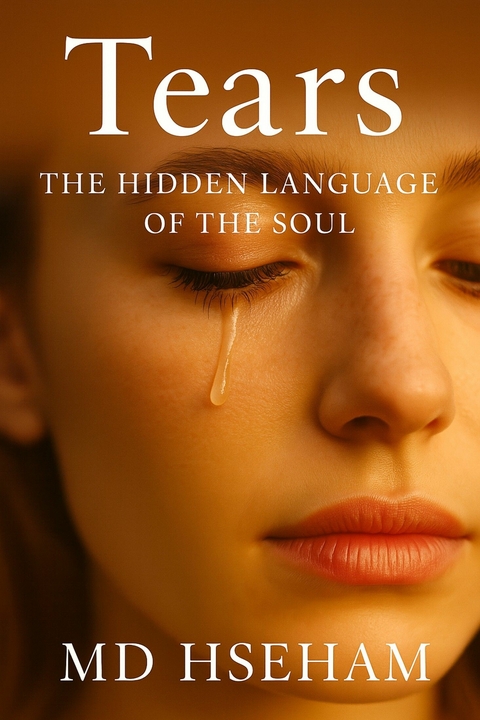
Tears (eBook)
160 Seiten
Publishdrive (Verlag)
978-0-00-097782-3 (ISBN)
This book explores the profound meaning behind tears-far beyond water and salt. From the first cry at birth to the final tears at life's end, it reveals how tears speak when words fail, carrying stories of joy, sorrow, love, and release. Through science, we learn that emotional tears contain stress hormones and natural painkillers, serving as both a physical and emotional relief. The book journeys through cultural traditions-Roman tear vials, Hindu rituals, Christian prayers-and poetic symbols in art, music, and literature. It uncovers myths, spiritual meanings, and how tears unite people in grief and beauty. While animals do not shed emotional tears like humans, their grief behaviors remind us of shared bonds. Ultimately, tears emerge as universal messengers of connection, honesty, and healing. They are not signs of weakness but proof of life's depth-a silent language that dares to feel when words cannot.
Chapter 1. The First Drop
"The first language we ever learn is not words, but tears."
The moment a newborn arrives, it takes its first breath and lets out a sharp cry. That sound carries more weight than anyone might realize. Parents lean in, doctors listen closely, and the whole room holds its breath until they hear that wail. In that instant, life speaks for itself. The first tear that forms at the corner of a child’s eye becomes a clear signal: a new person has come into the world. It does not use words yet, but it delivers a message that everyone understands. The tear sparkles briefly before it travels down the baby’s soft cheek, and in that simple movement, it declares, “I am here.”
During those first moments, the newborn does not know language or smiles. It only knows need. Hunger brings a cry. A chilly draft draws a cry. Loneliness brings a cry. In that way, tears serve as the earliest form of vocabulary. Parents learn to translate each drop. They watch the baby’s tiny body, feel its warmth, or note the slow rise and fall of its chest. They react by offering milk, blankets, or gentle embraces. This interaction marks the beginning of the most basic form of conversation between parent and child. It builds trust through a pattern: tear, response, comfort. Day after day, this cycle deepens the bond and teaches the child that someone will answer its calls.
Scientists suggest that tears and crying evolved as a vital tool for survival through the process of natural selection. Humans differ from many other animals in that we remain defenseless for a long time after birth. Early humans needed a reliable way to gain attention and care. Visible tears offered an unmistakable sign of need. When a baby cried and tears appeared, caregivers knew without doubt that the infant required help. This clarity improved the chances of survival. Through countless generations, natural selection favored those babies who cried and those adults who responded. Tears became a built-in alarm, and caring for the young became an instinctual response.
That first drop of moisture on the newborn’s cheek consists of more than plain water. It contains a mixture of oils that keep the eye’s surface smooth, proteins that nourish the eye’s tissues, enzymes that break down harmful microbes, and antibodies that provide a barrier against infection. Each component plays a practical role. The oils help tears spread evenly, preventing the eye’s surface from drying out. Proteins and enzymes form a protective film that keeps dust and germs at bay. Antibodies hunt down bacteria and viruses. This blend of elements turns tears into a built-in defense system. Even as tears fall, they safeguard the eye, ensuring that vision remains sharp and clear.
From the instant of birth until our final moments, tears mark the thresholds we cross. We see them at beginnings, such as the first cry of a newborn, and endings, such as farewells beside a hospital bed. Tears guide us through moments that stand beyond simple language. In acts of sorrow, joy, relief, and everything in between, only water can carry the full weight of our hearts. That first drop predicts a lifetime of such moments. When words fail, tears speak. When pain or joy grows too large for the mouth, tears leak out. They remind us that vulnerability lies at the core of being human. By allowing ourselves to cry, we show others that we need connection, care, and understanding.
Babies do not wait for proper conditions to cry. They offer their tears all through the day and night. Those early tears carry a precise message every time. Caregivers learn to watch for patterns. They note the timing of a cry and determine if it occurs after feedings or naps. They learn to read the baby’s face. Gradually, they decode the nuances: a low, wobbly cry means hunger, while a high-pitched, urgent cry indicates pain or cold. The tears that mix with those cries fine-tune the signal. A parent might feel that sense of alarm intensify when tears shine in bright light. That clarity drives them to action. Over time, a system of communication emerges that involves more than just crying—it includes coos, gurgles, and eye movements. Yet tears remain at the heart of it.
Early in life, little ones learn an essential truth: they cannot solve all their problems with their bodies. They need helpers. Tears become reminders that someone else holds the power to change their world. As children grow, they begin to incorporate additional tools into their vocabulary, including gestures and sounds. Eventually, they speak words. Yet the first language they learn remains rooted in tears. They carry a lesson in dependency and trust. Those first weeks and months teach them that the world can feel both safe and unpredictable. When adults answer their tears with calm handling, soft voices, and warm arms, babies absorb the lesson: crying leads to comfort. That lesson shapes their emerging sense of safety in the world.
Researchers study crying patterns in infants to gain a deeper understanding of human needs and emotions. They record how often babies cry, how long sessions last, and how tears appear. They find that crying peaks around six weeks and then gradually declines. By three months, a baby begins to soothe itself more easily. Parental responses, however, matter greatly. When caregivers remain calm and consistent, crying episodes tend to be shorter in duration. Tears still flow, but they lose some of their urgency. Babies come to realize that the world will not collapse if they pause and wait. In this way, tears and the care that follows also teach a form of emotional regulation. Infants pick up cues from their environment and learn how to balance their needs with patience.
The chemistry inside a teardrop also connects us. Scientists study tear samples to gain insight into emotional states. They find that emotional tears carry different chemical signals than reflex tears, such as those produced when someone chops onions. Emotional tears contain higher levels of stress hormones. By shedding them, we lower the concentrations of these hormones in our bodies. In effect, crying acts as a self-soothing mechanism. That first tear falls into the reflex category, but it hints at a future emotional release. Through tears, newborns begin a lifelong habit of clearing oils, proteins, and stress from their eyes and minds.
Tears appear on the cheeks of people across all cultures. They cross language barriers and touch hearts. Anthropologists observe rituals that involve tears, such as farewell ceremonies or mourning gatherings, and note how communities support one another through shared displays of grief and sorrow. Even in celebrations, tears find a place. People cry at weddings, graduations, and reunions. Those tears sparkle in bright light, just as the first tear of a newborn does under a hospital lamp. They remind participants that any moment of significance can stir deep feelings. In every culture, we find that tears bind people. They provide a visual promise that someone cares enough to feel deeply.
When we look at photographs of crying infants, we see the same bright droplets appearing on smooth skin. We might not see the chemical makeup, but we sense the meaning. That first tear represents the raw beginning of human life. It suggests both fragility and resilience. Fragility comes from the newborn’s need for care. Resilience emerges in the baby’s effort to breathe and communicate. That single tear carries all these truths in miniature. It demands attention and protection, hinting at the long journey the child will undertake.
Medical professionals honor that first cry as a sign of good health. They test reflexes and breathing, and they check heart rate. When the baby cries intensely, doctors and nurses smile. They mark the moment as evidence that the infant’s lungs and airway work as they should. If a baby shows weak or no cry, they act fast to clear fluids or provide oxygen. In that context, the first tear offers reassurance. It confirms that breathing has started and that the child can begin the vital process of living outside the womb.
Beyond the hospital, parents remember that tear forever. They share stories of that first moment with friends and family. They describe how a tiny drop emerged and brightened the room. They frame photos that capture the expression and the moisture on the cheek. That memory anchors the family’s story. It becomes the earliest chapter in a book they will write together. In years to come, they may retell the tale to the child on birthdays, anniversaries, or during quiet evenings. They recall the tears and the joy that followed. That story starts with a single, simple act of nature.
As children grow, they learn other ways to express their emotions, such as through tears. They cry when they get hurt, because a fall leads to pain and fear. They cry when they lose a toy or face a strict teacher. They scream in frustration when they fail a test or struggle with a new skill. Yet they also cry in triumph, such as at the finish line of a race or during a moment of pride onstage. In each case, tears rise because words cannot capture the full force of an emotion. Those moments link back to the first drop on a newborn’s cheek. Tears become part of the human toolkit. They help us process feelings, signal needs, and connect with others.
Adults, too, rely on this oldest language. When someone receives tragic news, tears often flow before any words can be spoken. When someone hears about the recovery of a loved one, tears spring up in relief. We share these moments with friends, family, or even strangers who offer tissues or quiet company. Tears smooth the path of communication when words fail to convey. They remind us that caregiving and empathy remain essential throughout...
| Erscheint lt. Verlag | 27.7.2025 |
|---|---|
| Sprache | englisch |
| Themenwelt | Medizin / Pharmazie ► Medizinische Fachgebiete ► Chirurgie |
| ISBN-10 | 0-00-097782-9 / 0000977829 |
| ISBN-13 | 978-0-00-097782-3 / 9780000977823 |
| Informationen gemäß Produktsicherheitsverordnung (GPSR) | |
| Haben Sie eine Frage zum Produkt? |
 EPUB (Adobe DRM)
Größe: 619 KB
Kopierschutz: Adobe-DRM
Adobe-DRM ist ein Kopierschutz, der das eBook vor Mißbrauch schützen soll. Dabei wird das eBook bereits beim Download auf Ihre persönliche Adobe-ID autorisiert. Lesen können Sie das eBook dann nur auf den Geräten, welche ebenfalls auf Ihre Adobe-ID registriert sind.
Details zum Adobe-DRM
Dateiformat: EPUB (Electronic Publication)
EPUB ist ein offener Standard für eBooks und eignet sich besonders zur Darstellung von Belletristik und Sachbüchern. Der Fließtext wird dynamisch an die Display- und Schriftgröße angepasst. Auch für mobile Lesegeräte ist EPUB daher gut geeignet.
Systemvoraussetzungen:
PC/Mac: Mit einem PC oder Mac können Sie dieses eBook lesen. Sie benötigen eine
eReader: Dieses eBook kann mit (fast) allen eBook-Readern gelesen werden. Mit dem amazon-Kindle ist es aber nicht kompatibel.
Smartphone/Tablet: Egal ob Apple oder Android, dieses eBook können Sie lesen. Sie benötigen eine
Geräteliste und zusätzliche Hinweise
Buying eBooks from abroad
For tax law reasons we can sell eBooks just within Germany and Switzerland. Regrettably we cannot fulfill eBook-orders from other countries.
aus dem Bereich