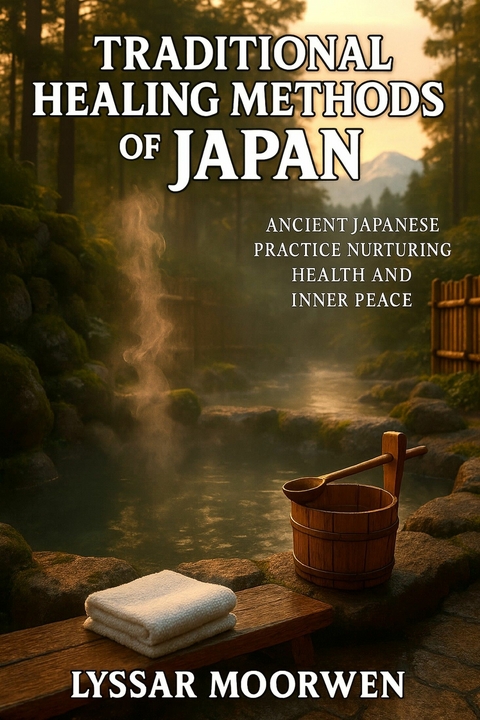
Traditional Healing Methods of Japan (eBook)
150 Seiten
Publishdrive (Verlag)
978-0-00-095950-8 (ISBN)
This book gently introduces twenty-one simple, time-honored Japanese healing traditions that promote balance in body and mind. Rooted in daily life and seasonal rhythms, these practices range from soaking in mineral-rich hot springs and pressing acupressure points to repairing pottery with gold (kintsugi) and brewing calming teas. Each chapter shares the tradition's origin, benefits, and step-by-step guidance, making it accessible to everyone-no special training needed. Written in clear, friendly language, the book is ideal for readers of all ages who seek wellness in natural, everyday ways. Whether you face stress, fatigue, or seasonal blues, you'll find practical rituals to support you. The book encourages slowing down, respecting nature's cycles, and finding renewal in ordinary moments. It's a guide and companion for anyone longing to feel refreshed, resilient, and in harmony with life. With warmth and wisdom, it invites you to try small practices that bring lasting wellness.
2. Shiatsu (Finger Pressure Therapy)
Shiatsu originated from ancient Japanese healing traditions that date back over a thousand years, when practitioners blended Chinese acupressure concepts with traditional Japanese massage techniques. Early Japanese healers referred to their work as anma, meaning “rub through,” and employed finger and palm movements to soothe muscles and calm the spirit. In the early twentieth century, Dr. Tokujiro Namikoshi drew on this heritage and formalized a system he named Shiatsu, literally “finger pressure,” to treat a wide range of health concerns. He founded the Japan Shiatsu College in Tokyo in 1940 and trained hundreds of students who later spread Shiatsu throughout the world. Today, Shiatsu represents both a living link to Japan’s past and a modern therapy that people of all ages seek to boost their well-being.
Practitioners who study Shiatsu receive rigorous training in anatomy, physiology, and traditional East Asian medical theory. They learn to recognize shifts in a person’s posture and tension patterns, gaining insight into underlying energy imbalances. Shiatsu draws on the concept of ki, or life energy, which circulates along pathways called meridians. When ki remains strong and unobstructed, the body functions smoothly and is better equipped to resist disease. When blockages or weaknesses occur, they can lead to pain, fatigue, or emotional upset. By locating and releasing those blockages through targeted pressure, Shiatsu aims to restore the body’s natural ability to heal itself.
A typical Shiatsu session unfolds on a comfortable mat laid directly on the floor, although some practitioners also work on specialized tables. Clinics often feature soft lighting, gentle music, and a peaceful atmosphere that invites relaxation. Before the first touch, the practitioner discusses the client's health history, current concerns, and lifestyle habits. This conversation helps form a clear picture of physical tension, stress triggers, and emotional state. Shiatsu treats the whole person, rather than just the symptoms, so practitioners ask about sleep quality, appetite, and emotional patterns just as much as they do about aches or pains.
During treatment, the practitioner uses thumbs, palms, fingers, and sometimes elbows or knees to apply rhythmic pressure on specific points along the meridians. They may also stretch limbs, rotate joints, and guide the client’s breathing to deepen relaxation. Sessions often follow a flowing sequence that mirrors traditional massages: the practitioner works from the feet to the head or vice versa, ensuring every central meridian receives attention. By varying the intensity and pace of pressure, they can target deep muscle knots or soothe sensitive areas. Clients usually remain fully clothed in loose, comfortable attire, allowing the therapist to access key points without the use of oils or lotions.
Shiatsu’s hallmark feature involves pressing on points known as tsubo, where meridians surface near the skin. Applying sustained pressure on these tsubo helps release energetic blockages and stimulate the body’s self-regulating mechanisms. Practitioners gauge each point’s response by sensing the consistency and temperature of the tissue. A tender spot often indicates stagnation or weakness in that area, guiding the practitioner to adjust their technique. Rather than focusing exclusively on painful spots, Shiatsu treats related meridians throughout the body, promoting balanced energy flow and preventing new problems from arising.
Clients often describe Shiatsu as both deeply relaxing and invigorating. Many people note an immediate sense of warmth or tingling as circulation improves under the practitioner’s hands. They may feel a subtle release of tension in tight muscles, followed by a refreshing wave of calm. For stubborn aches—such as chronic neck stiffness or lower back pain—Shiatsu offers a gentle alternative to more invasive therapies. It encourages muscles to release naturally, rather than relying on forceful adjustments. This nurturing approach helps clients build trust in their bodies and develop a greater awareness of areas that require care.
Shiatsu brings benefits that extend beyond muscle relaxation. By improving blood and lymph circulation, it supports the delivery of oxygen and nutrients to tissues while aiding waste removal. In this way, Shiatsu helps boost organ function and support the immune system. Clients recovering from colds or bouts of flu often use Shiatsu to strengthen their defenses and ease lingering fatigue. Women find it especially helpful during menstrual cycles and menopause, when shifting hormone levels can trigger cramps, mood swings, and poor sleep. By addressing imbalances in circulation and energy flow, Shiatsu helps soothe discomfort and promote hormonal balance.
Many people turn to Shiatsu to manage stress and anxiety. The combination of focused touch, conscious breathing, and a tranquil environment heightens relaxation responses in the nervous system. Practitioners encourage clients to breathe deeply and sync their rhythm with each stretch or pressure technique. This mindful breathing anchors the client in the present moment, helping quiet racing thoughts and ease mental tension. Regular Shiatsu sessions can lower cortisol, the body’s primary stress hormone, leading to improved sleep, better concentration, and enhanced resilience in daily life.
Shiatsu also proves valuable for athletes, office workers, and anyone whose lifestyle demands prolonged physical or mental output. Athletes benefit from quicker muscle recovery, reduced risk of strains, and improved joint mobility. Office professionals report decreased neck and shoulder tension from long hours at a desk, reduced headaches, and a renewed sense of energy. Even children and seniors enjoy Shiatsu’s gentle support, gaining help with issues such as growing pains, digestive disturbances, or age-related stiffness. Because Shiatsu relies on careful observation rather than force, practitioners adapt each session to the client’s age and health status.
Despite its safety and gentle nature, Shiatsu demands precautions to ensure proper care. Practitioners constantly review a client’s medical history and current medications, checking especially for conditions like severe osteoporosis, recent fractures, or deep vein thrombosis, which call for modified techniques or alternative therapies. They use extra caution around areas with skin infections, open wounds, or inflammation. Pregnant women seek out Shiatsu specialists who know which points to avoid, ensuring treatments support a healthy pregnancy without triggering premature contractions. By following professional guidelines and maintaining clear communication, both clients and practitioners can safeguard their health while enjoying the benefits of Shiatsu.
Shiatsu’s popularity extends far beyond Japan’s borders. In the 1960s and 1970s, Western travelers brought back accounts of this gentle yet powerful therapy, sparking interest among massage schools and holistic health centers. Today, major cities worldwide host Shiatsu institutes where students earn certification recognized by international bodies. Licensed practitioners integrate Shiatsu into integrative medicine clinics, wellness spas, and sports rehabilitation centers. In Japan, the national health insurance system covers specific Shiatsu treatments when licensed practitioners prescribe them, underscoring Shiatsu’s status as a respected medical adjunct.
The unique aspects of Shiatsu highlight its appeal as both an art and a science. Practitioners often blend knowledge of traditional Chinese meridians with insights from Western anatomy, creating a hybrid approach that bridges two medical worlds. They refine their touch through years of practice, developing a sensitivity that allows them to detect subtle energy shifts with fingertips alone. Some schools emphasize the practice of aiki (blending energy) from martial arts, teaching students to center their balance before connecting with a client’s body. This emphasis on the practitioner’s state of mind and posture ensures that each session flows with harmony and intention.
Anyone curious about Shiatsu can find captivating ways to explore its tradition and practice. In Tokyo, visitors attend workshops at the Shiatsu College museum, where they view historical photographs, study old training manuals, and learn about the training methods used by practitioners over a century ago. Herbal medicine shops display classic anma tools—bamboo rods and wooden paddles once used to enhance pressure—and invite visitors to try mini sessions. In rural hot spring towns, some ryokans (traditional inns) pair hot-spring baths with Shiatsu treatments, combining mineral-rich water with bodywork to amplify relaxation and healing effects.
An intriguing fact about Shiatsu’s global spread involves its role in disaster relief. After the 1995 Kobe earthquake, volunteer Shiatsu practitioners traveled to shelters to help survivors cope with trauma and physical pain. They provided not only muscle relief but also emotional support, listening attentively and offering gentle touch to people under immense stress. This humanitarian effort showcased Shiatsu’s power to comfort and heal in times of crisis, inspiring similar initiatives after other natural disasters around the world.
People often discover that Shaistu invites them to develop a more profound awareness of their bodies. After several sessions, clients notice subtle signals—tight shoulders signaling stress or a heavy sensation in the stomach indicating digestive slowdown. With the practitioner’s guidance, they learn small self-care practices, such as gentle abdominal massage or acupoint stimulation, to maintain balance...
| Erscheint lt. Verlag | 5.7.2025 |
|---|---|
| Sprache | englisch |
| Themenwelt | Medizin / Pharmazie ► Naturheilkunde |
| ISBN-10 | 0-00-095950-2 / 0000959502 |
| ISBN-13 | 978-0-00-095950-8 / 9780000959508 |
| Informationen gemäß Produktsicherheitsverordnung (GPSR) | |
| Haben Sie eine Frage zum Produkt? |
 EPUB (Adobe DRM)
Größe: 701 KB
Kopierschutz: Adobe-DRM
Adobe-DRM ist ein Kopierschutz, der das eBook vor Mißbrauch schützen soll. Dabei wird das eBook bereits beim Download auf Ihre persönliche Adobe-ID autorisiert. Lesen können Sie das eBook dann nur auf den Geräten, welche ebenfalls auf Ihre Adobe-ID registriert sind.
Details zum Adobe-DRM
Dateiformat: EPUB (Electronic Publication)
EPUB ist ein offener Standard für eBooks und eignet sich besonders zur Darstellung von Belletristik und Sachbüchern. Der Fließtext wird dynamisch an die Display- und Schriftgröße angepasst. Auch für mobile Lesegeräte ist EPUB daher gut geeignet.
Systemvoraussetzungen:
PC/Mac: Mit einem PC oder Mac können Sie dieses eBook lesen. Sie benötigen eine
eReader: Dieses eBook kann mit (fast) allen eBook-Readern gelesen werden. Mit dem amazon-Kindle ist es aber nicht kompatibel.
Smartphone/Tablet: Egal ob Apple oder Android, dieses eBook können Sie lesen. Sie benötigen eine
Geräteliste und zusätzliche Hinweise
Buying eBooks from abroad
For tax law reasons we can sell eBooks just within Germany and Switzerland. Regrettably we cannot fulfill eBook-orders from other countries.
aus dem Bereich