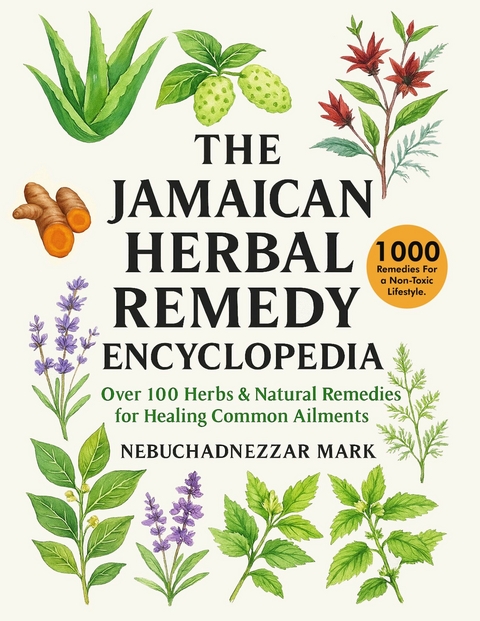
The Jamaican Herbal Remedy Encyclopedia (eBook)
209 Seiten
B C Graham Theological Seminary (Verlag)
978-1-959581-37-6 (ISBN)
Before pharmaceuticals filled medicine cabinets across the globe, there were medicine chests in the forests—wooden, allegorical, and deeply cultural. In the Jamaican Maroon communities, these chests held more than dried leaves and bark; they were carriers of ancestral memory, repositories of resistance, and evidence of the enduring wisdom of African botanicals.
In this chapter, we explore the significance of herbal knowledge among the Jamaican Maroons and its African roots. We trace the botanical memory across oceans, look into how specific plants served both healing and spiritual functions, and recognize how this herbal knowledge has not only survived but evolved.
The Maroons: Keepers of a Hidden Pharmacy
The Jamaican Maroons were runaway slaves who escaped the brutality of colonial plantations and retreated into the mountainous interiors of Jamaica, forming self-sustaining communities. Their survival depended on two critical assets: strategic resistance and botanical knowledge.
The "medicine chest" concept wasn't literal for the Maroons—it was environmental. The forests and hills became their dispensary. A plant wasn't just a plant; it was a remedy, a defense, a whisper from ancestors.
Herbalism as Resistance
Maroons resisted European domination not just through guerilla warfare but through an autonomous health system. European doctors were not welcome or available in the bush. Instead, the Maroons turned to plants like guinea hen weed (Petiveria alliacea) and cerasee (Momordica charantia) to treat infections, parasites, fevers, and menstrual problems.
These plants, familiar to African slaves, acted as continuity in a world violently disrupted. In a way, the practice of herbalism became a form of quiet rebellion—a refusal to be dependent on the colonial powers even in matters of life and death.
A map showing the migration of key herbal plants from West Africa to Jamaica via the transatlantic slave trade.
AFRICAN MEMORY PLANTS: The Living Legacy
“Memory plants” refer to botanicals that enslaved Africans recognized upon arrival in the Caribbean, either because they were brought intentionally or resembled familiar species from home. These plants functioned as cultural anchors—serving as food, medicine, and spiritual tools.
1. Guinea Hen Weed (Anamu)
Known in West Africa and throughout the Caribbean, guinea hen weed was revered for its antifungal, antimicrobial, and immune-supportive qualities. Its pungent garlic-like odor made it useful in both physical healing and spiritual cleansing ceremonies.
Maroons used it as a tea to treat colds, infections, and inflammation. African spiritual traditions often involved bathing with or burning guinea hen weed to ward off malevolent forces.
2. Cerasee (Bitter Melon Vine)
Cerasee is bitter, but its bitterness is part of the cure. Used in both Africa and Jamaica, it helps cleanse the blood, regulate blood sugar, and relieve constipation and menstrual cramps. Mothers passed this tradition down to daughters, with a cup of warm cerasee tea as a rite of passage into womanhood.
Its presence in Jamaican culture is so strong that "cerasee tea" has become almost synonymous with detox.
Illustration Suggestion: Cerasee vine anatomy with annotations of its key healing properties.
3. Fever Grass (Lemongrass)
Fever grass (Cymbopogon citratus) is both culinary and medicinal. Originally from Southeast Asia, it found a stronghold in West Africa and was easily recognized and adopted in the Caribbean. Used to bring down fevers, calm digestive issues, and relieve anxiety, it was essential in Maroon herbal kits.
Plants in Spiritual Practice
Maroon healing was holistic. Illness was not just physical but could be emotional, spiritual, or social in origin. Thus, plants were not merely pharmacological tools—they were spiritual allies.
Leaf-of-life (Bryophyllum pinnatum), for example, was used in poultices and teas, but it also featured in spiritual baths. Similarly, African basil (Efirin or Tulsi) was known not only to support respiratory health but also to "clear the path" spiritually.
African-derived religions such as Kumina and Obeah incorporated these plants in ritual, offering, and protection spells. The Maroons, though distinct in their practices, shared these foundational views about plant spirit agency.
Herbal Recipes Passed Down Through Generations
Some formulas from the Maroon era are still in use today in rural Jamaican communities. These recipes were not measured with modern precision but rather by intuition and experience. Here's a modern interpretation of two:
| Recipe Name | Ingredients | Preparation | Usage |
| 1 | Maroon Blood Cleanser Tea | 2 sprigs Cerasee vine, 1 handful Dandelion root, 1 tsp Ginger root, 2 cups water | Boil all ingredients together for 10–15 minutes. Strain and drink warm. | Taken on an empty stomach for 3 days to cleanse the liver and blood, and regulate menstruation. |
| 2 | Spiritual Cleansing Bath | Handful of Guinea hen weed, few leaves of Basil, sea salt | Steep herbs in hot water, allow to cool slightly, strain, and bathe from head to toe. | Used to remove negative energy and spiritual blockages. |
| 3 | Anti-Inflammatory Bush Tea | Turmeric root, Ginger root, Soursop leaves, 3 cups water | Boil all ingredients for 20 minutes, strain, and sip slowly. | Reduces inflammation and eases joint pain. |
| 4 | Cough and Cold Relief Tea | Eucalyptus leaves, Lemongrass, Honey, 2 cups water | Boil herbs for 15 minutes, strain and add honey. | Eases respiratory symptoms and soothes the throat. |
| 5 | Fever Remedy Decoction | Fever grass, Orange peel, Cinnamon stick, 3 cups water | Simmer ingredients for 20 minutes, strain, and drink warm. | Reduces fever and supports immune system. |
| 6 | Digestive Aid Tonic | Peppermint leaves, Ginger, Bissy (kola nut), 2 cups water | Boil for 10 minutes, cool, and strain. | Improves digestion and alleviates bloating. |
| 7 | Detoxifying Green Drink | Callaloo leaves, Cucumber juice, Lime juice, Water | Blend all ingredients and strain. | Flushes toxins and hydrates the body. |
| 8 | Women's Wellness Brew | Red raspberry leaf, Ginger, Nettle, 2 cups water | Steep for 15 minutes and strain. | Supports reproductive health and eases menstrual cramps. |
| 9 | Pain Relief Compress | Crushed Pepper leaves, Garlic, Warm cloth | Apply the mixture to affected area and wrap with cloth. | Eases muscle pain and soreness. |
| 10 | Skin Healing Salve | Aloe vera gel, Coconut oil, Turmeric powder | Mix and apply to affected skin. | Soothes burns, eczema, and skin irritations. |
| 11 | Sleep Support Tea | Lemongrass, Chamomile, Nutmeg, 2 cups water | Steep herbs for 15 minutes and strain. | Promotes restful sleep and reduces anxiety. |
| 12 | Diabetes Management Infusion | Cerasee leaves, Bitter melon, Cinnamon bark | Boil for 20 minutes and strain. | Regulates blood sugar levels when taken consistently. |
| 13 | Prostate Health Tonic | Saw palmetto, Pumpkin seeds, Sarsaparilla root | Steep in hot water for 30 minutes. | Supports prostate function and reduces inflammation. |
| 14 | Immune Booster Tea | Guinea hen weed, Garlic, Lime, Honey | Boil for 15 minutes and sweeten with honey. | Strengthens immune defense against colds and flu. |
| 15 | Kidney Flush Tea | Parsley, Corn silk, Dandelion root | Simmer ingredients for 20 minutes. | Cleanses kidneys and reduces water retention. |
| 16 | Hair Growth Oil | Castor oil, Rosemary leaves, Aloe vera gel | Infuse rosemary in oil, mix with aloe, and apply to scalp. | Stimulates hair growth and strengthens follicles. |
| 17 | Joint Relief Rub | Cayenne pepper, Ginger powder, Olive oil | Warm mixture slightly and rub on joints. | Relieves arthritis and muscle stiffness. |
| 18 | Stomach Soother Tea | Mint, Licorice root, Chamomile | Steep for 10 minutes and... |
| Erscheint lt. Verlag | 8.6.2025 |
|---|---|
| Reihe/Serie | Natural Healing Handbook Recipes & Remedies |
| Sprache | englisch |
| Themenwelt | Medizin / Pharmazie ► Naturheilkunde |
| Schlagworte | caribbean natural healing herbs • complete guide to herbal healing • herbal medicine encyclopedia • herbs for common ailments • jamaican herbal remedies book • natural cures and plant healing • traditional Jamaican bush medicine |
| ISBN-10 | 1-959581-37-6 / 1959581376 |
| ISBN-13 | 978-1-959581-37-6 / 9781959581376 |
| Informationen gemäß Produktsicherheitsverordnung (GPSR) | |
| Haben Sie eine Frage zum Produkt? |
 EPUB (Ohne DRM)
Digital Rights Management: ohne DRM
Dieses eBook enthält kein DRM oder Kopierschutz. Eine Weitergabe an Dritte ist jedoch rechtlich nicht zulässig, weil Sie beim Kauf nur die Rechte an der persönlichen Nutzung erwerben.
Dateiformat: EPUB (Electronic Publication)
EPUB ist ein offener Standard für eBooks und eignet sich besonders zur Darstellung von Belletristik und Sachbüchern. Der Fließtext wird dynamisch an die Display- und Schriftgröße angepasst. Auch für mobile Lesegeräte ist EPUB daher gut geeignet.
Systemvoraussetzungen:
PC/Mac: Mit einem PC oder Mac können Sie dieses eBook lesen. Sie benötigen dafür die kostenlose Software Adobe Digital Editions.
eReader: Dieses eBook kann mit (fast) allen eBook-Readern gelesen werden. Mit dem amazon-Kindle ist es aber nicht kompatibel.
Smartphone/Tablet: Egal ob Apple oder Android, dieses eBook können Sie lesen. Sie benötigen dafür eine kostenlose App.
Geräteliste und zusätzliche Hinweise
Buying eBooks from abroad
For tax law reasons we can sell eBooks just within Germany and Switzerland. Regrettably we cannot fulfill eBook-orders from other countries.
aus dem Bereich