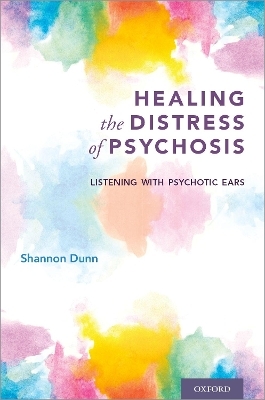
Healing the Distress of Psychosis
Oxford University Press Inc (Verlag)
9780190858759 (ISBN)
Even among mental health clinicians, the communications of individuals experiencing psychosis have historically been considered mysterious, bizarre, and invalid. These judgmental, inaccurate interpretations and accusatory attitudes can cause iatrogenic trauma, a significant obstacle to recovery. Healing the Distress of Psychosis focuses on practice-based and evidence-informed interventions to effectively understand and communicate with people who are experiencing psychotic symptoms. The text thoughtfully describes: the experience of psychosis, as well as the unique intervention method of fostering the therapeutic relationship; and the psychotic thought process from neurological, linguistic, and existential-psychological perspectives. Mental health professionals, individuals with lived psychotic experiences, and their family members and loved ones will find this book to be a strong and accurate voice that highlights the past and present disappointments in mainstream public mental health treatment, while delivering hope in creating a secure, self-determined life.
Shannon Dunn, PhD, LCSW (CA & IL), CRADC, is Clinical Associate Professor of Social Work in the Suzanne Dworak-Peck School of Social Work at the University of Southern California.
Preface: Everything You Need to Know to Navigate This Book
Acknowledgments
Unit I: Traditional Treatment Approaches for Healing Psychosis
Chapter 1: Types of Psychosis and General Intervention Approaches
Chapter 2: Traumatized by "Treatment": Anthropological and Social Interactional Perspectives of the Person Who Lives with Psychosis
Chapter 3: Brief History of Iatrogenic Trauma from the Mainstream Mental Health Treatment System
Chapter 4: Evidence of Unethical and Ineffective Mainstream Mental Health Treatment
Chapter 5: Historically Ethical and Effective Mental Health Approaches for Healing the Distress of Psychotic Experiences
Summary of Unit I
Unit II: New Discoveries About the Causes and Healing Approaches of Psychosis
Chapter 6: The Relationship Between Early and Severe Trauma and Psychosis
Chapter 7: The Relationship Between Neurobiology and Psychosis
Summary of Unit II
Unit III: Ethical and Professional Obligations Impact Macro, Mezzo, and Micro Levels of Treatment Delivery
Chapter 8: Consumer/Psychiatric Survivor/Ex-Patient (C/S/X) Movement
Chapter 9: Existential and Spiritual Philosophy for Healing the Distress of Psychosis
Chapter 10: Listening with Psychotic Ears Philosophy and Clinical SkillsAppendix B: Chapter Resources
Chapter 11: Practice-Based Interventions for Engaging the Most Difficult/Impaired
Chapter 12: Survivor and Self-Care for Families and Clinicians Who Work with People Living with Symptoms of Mental Illness
Summary of Unit III
Unit IV: Where Do We Go from Here?
Chapter 13: Conclusions and Future Remarks
References
Appendix A: Related Associations
Appendix B: Website Resources by Chapter
| Erscheinungsdatum | 26.09.2018 |
|---|---|
| Verlagsort | New York |
| Sprache | englisch |
| Maße | 155 x 231 mm |
| Gewicht | 544 g |
| Themenwelt | Medizin / Pharmazie ► Gesundheitswesen |
| Pflege ► Fachpflege ► Neurologie / Psychiatrie | |
| Sozialwissenschaften ► Pädagogik ► Sozialpädagogik | |
| Sozialwissenschaften ► Soziologie ► Spezielle Soziologien | |
| ISBN-13 | 9780190858759 / 9780190858759 |
| Zustand | Neuware |
| Informationen gemäß Produktsicherheitsverordnung (GPSR) | |
| Haben Sie eine Frage zum Produkt? |
aus dem Bereich