Metabolism at a Glance (eBook)
John Wiley & Sons (Verlag)
978-1-119-27778-1 (ISBN)

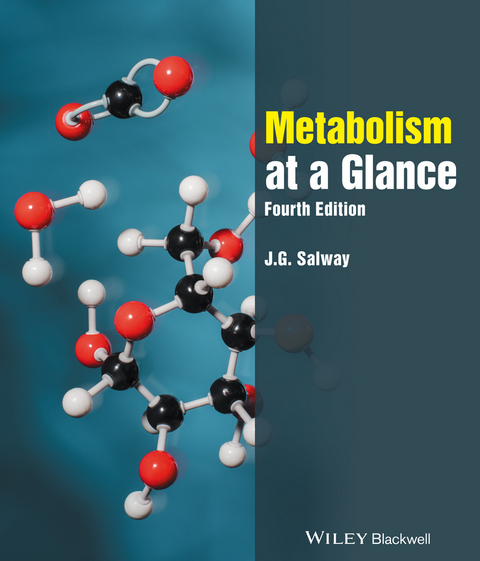
Metabolism at a Glance presents a concise, illustrated summary of metabolism in health and disease. This essential text is progressively appropriate for introductory through to advanced medical and biochemistry courses. It also provides a succinct review of inborn errors of metabolism, and reference for postgraduate medical practitioners and biomedical scientists who need a resource to quickly refresh their knowledge.
Fully updated and extensively illustrated, this new edition of Metabolism at a Glance is now in full colour throughout, and includes new coverage of sports biochemistry; the metabolism of lipids, carbohydrates and cholesterol; glyceroneogenesis, ?-oxidation and ?-oxidation of fatty acids. It also features the overlooked 'Krebs Uric Acid Cycle'.
Metabolism at a Glance offers an accessible introduction to metabolism, and is ideal as a revision aid for students preparing for undergraduate and USMLE Step 1 exams.
Jack Salway was Senior Lecturer within the Faculty of Health and Medical Sciences at the University of Surrey until 2008.
Metabolism at a Glance presents a concise, illustrated summary of metabolism in health and disease. This essential text is progressively appropriate for introductory through to advanced medical and biochemistry courses. It also provides a succinct review of inborn errors of metabolism, and reference for postgraduate medical practitioners and biomedical scientists who need a resource to quickly refresh their knowledge. Fully updated and extensively illustrated, this new edition of Metabolism at a Glance is now in full colour throughout, and includes new coverage of sports biochemistry; the metabolism of lipids, carbohydrates and cholesterol; glyceroneogenesis, -oxidation and -oxidation of fatty acids. It also features the overlooked Krebs Uric Acid Cycle . Metabolism at a Glance offers an accessible introduction to metabolism, and is ideal as a revision aid for students preparing for undergraduate and USMLE Step 1 exams.
Jack Salway was Senior Lecturer within the Faculty of Health and Medical Sciences at the University of Surrey until 2008.
Title Page 7
Copyright Page 8
Contents 9
Preface 11
Acknowledgements 12
Chapter 1 Introduction to metabolic pathways 14
Metabolic charts 14
Chart 1.1: subcellular distribution of metabolic pathways 14
Mitochondrion (plural, mitochondria) 14
Chapter 2 Biosynthesis of ATP I: ATP, the molecule that powers metabolism 16
How living cells conserve energy in a biologically useful form 16
Chart 2.1: biosynthesis of ATP 16
Substrate-level phosphorylation 16
Oxidative phosphorylation 16
‘Hydrogen carriers’ NAD+ and FAD 16
NAD+ (nicotinamide adenine dinucleotide) 16
FAD (flavin adenine dinucleotide) 16
ATP/ADP translocase 16
The ATP molecule has two phosphoanhydride bonds that provide the energy for life 16
References 16
Chapter 3 Biosynthesis of ATP II: mitochondrial respiratory chain 18
Proton extrusion 19
Stoichiometry of ATP synthesis 19
P/O ratios: ‘traditional’ integer and ‘modern’ non-integer values 19
Inhibitors of the respiratory chain 19
Diagram 3.1a: interference with the flow of electrons 19
Diagram 3.1b: interference with the flow of protons (H+) 19
Some other compounds that affect the respiratory chain 19
Reference 19
Chapter 4 Oxidation of cytosolic NADH: the malate/aspartate shuttle and glycerol phosphate shuttle 20
Oxidation of cytosolic NADH 20
Glycerol phosphate shuttle 20
Malate/aspartate shuttle 21
Chapter 5 Metabolism of glucose to provide energy 22
Chart 5.1: glucose metabolism 22
Importance of insulin in glucose transport 22
Chapter 6 Metabolism of one molecule of glucose yields 31 (or should it be 38?) molecules of ATP 24
Chart 6.1: oxidation of glucose yields 38 ATP molecules assuming the ‘historic’ P/O ratios of 3 for NADH and 2 for FADH2 24
Net yield is 36 ATP molecules in insects 25
Chart 6.2: oxidation of glucose yields 31 ATP molecules assuming the ‘modern’ P/O ratios of 2.5 for NADH and 1.5 for FADH2 25
Chapter 7 Anaerobic metabolism of glucose and glycogen to yield energy as ATP 26
Anaerobic glycolysis 26
Chart 7.1: glucose is metabolized to lactate 26
ATP yield by anaerobic metabolism 26
Physiological and clinical relevance 26
Anaerobic glycolysis for ‘fuel?injection’ performance 26
Hyperlactataemia and lactic acidosis 26
Lactic acidosis and disease 26
Diagram 7.1: the Cori cycle – muscle/liver 26
Diagram 7.1: the Cori cycle – red blood cells/liver 26
Chapter 8 2,3-Bisphosphoglycerate (2,3-BPG) and the red blood cell 28
2,3-BPG helps to unload oxygen from haemoglobin 28
Chart 8.1: the 2,3-BPG shunt in red blood cells (Rapoport–Luebering shunt) 28
Physiological significance of 2,3-BPG 28
Fetal haemoglobin has a low affinity for 2,3-BPG 28
2,3-BPG and adaptation to high altitude 28
Importance of 2,3-BPG in medicine 28
Blood transfusions 28
Deficiency of red?cell glycolytic enzymes 28
Hypophosphataemia during therapy for diabetic ketoacidosis 28
Common causes of increased red-cell 2,3-BPG concentrations 28
Myoglobin 28
Diagram 8.1: transport of oxygen from the red blood cell to the mitochondrion for use in oxidative phosphorylation 28
Reference 28
Chapter 9 Metabolism of triacylglycerol to provide energy as ATP 30
Fatty acids are oxidized and ATP is formed 30
Chart 9.1: oxidation of fatty acids with energy conserved as ATP 30
Chapter 10 Metabolism of glucose to glycogen 32
Glycogen is stored in the fed state 32
Chart 10.1: overview of glycogen synthesis (glycogenesis) 32
Glycogen as a fuel reserve 32
Diagram 10.1: glycogen, a molecule that is well designed for its function 32
Chapter 11 Glycogen metabolism I 34
Different roles of glycogen in liver and muscle 34
Metabolic demands made on glycogen metabolism 34
Glycogen metabolism: an overview 34
Glycogenesis 34
Glycogenolysis 34
Glycogen metabolism in liver 34
Glycogenolysis in liver 34
Glycogen synthesis in liver 34
Liver glycogen storage diseases (GSDs) 34
Type I glycogen storage disease (von Gierke’s disease) 34
Type VI glycogen storage disease (Hers’ disease) 34
Type III debranching enzyme deficiency (Cori’s disease) 34
Chapter 12 Glycogen metabolism II 36
Glycogen metabolism in skeletal muscle 36
Glycogenolysis in skeletal muscle 36
Glycogen synthesis in skeletal muscle 36
Glycogenolysis cascade 37
Inactivation of glycogen synthesis 37
Muscle glycogen storage diseases (glycogenoses) 37
Type V glycogen storage disease (McArdle’s disease) 37
Type VII glycogen storage disease (Tarui’s disease) 37
Chapter 13 Glycogen metabolism III: regulation of glycogen breakdown (glycogenolysis) 38
Hormonal control: the role of adrenaline and glucagon in the regulation of glycogenolysis 38
Diagram 13.1: regulation of glycogenolysis 38
Formation of cyclic AMP 38
Protein kinase A 38
Roles of protein kinase A in regulating glycogenolysis 38
Phosphorylase kinase 38
Properties of glycogen phosphorylase 38
Protein phosphatase inhibitor-1 38
Chapter 14 Glycogen metabolism IV: regulation of glycogen synthesis (glycogenesis) 40
Hormonal control: role of insulin in the regulation of glycogen synthesis 40
Protein phosphatases 40
Protein phosphatase-1 (PP-1) 40
Regulation of PP-1G activity 40
Protein phosphatase-2A (PP-2A) 40
Diagram 14.1: regulation of glycogen synthesis 40
Removal of cyclic AMP 40
Role of protein phosphatase-1 and -2A in regulating glycogenesis 40
Properties of glycogen synthase 40
Inactivation (phosphorylation) of glycogen synthase 40
Activation (dephosphorylation) of glycogen synthase by protein phosphatase-1 40
Role of glucose in the inhibition of phosphorylase in liver 40
Chapter 15 Pentose phosphate pathway: the production of NADPH and reduced glutathione 42
Pentose phosphate pathway 42
Chart 15.1: pentose phosphate pathway 42
Irreversible, oxidative phase of the pentose phosphate pathway 42
Reversible, non-oxidative phase of the pentose phosphate pathway 42
Fate of fructose 6-phosphate 42
Regulation of the pentose phosphate pathway 42
Roles of glutathione: as an antioxidant, in xenobiotic metabolism and in amino acid transport 42
Glucose 6-phosphate dehydrogenase deficiency 42
Favism 42
Chapter 16 Regulation of glycolysis: overview exemplified by glycolysis in cardiac muscle 44
Chart 16.1: regulatory stages in glycolysis 44
Transport of glucose into the cell 44
Phosphorylation of glucose by hexokinase and glucokinase 44
Glucokinase regulatory protein 44
Phosphofructokinase-1 44
Fructose 2,6-bisP is an important allosteric stimulator of glycolysis in muscle and inhibitor of gluconeogenesis in liver 44
The bifunctional enzyme, phosphofructokinase-2/fructose 2,6-bisphosphatase (PFK-2/F 2,6-bisPase) 44
Pyruvate kinase 44
Reference 44
Chapter 17 Glycolysis in skeletal muscle: biochemistry of sport and exercise 46
Anaerobic ATP production 46
Aerobic ATP production 46
Glycogen and fatty acids are used as fuel 46
Glycogen exhaustion causes the athlete to ‘hit the wall’ 46
The sprint to the tape is fuelled by glycogen 46
Glucose transporters 46
Chapter 18 Regulation of gluconeogenesis 48
Gluconeogenesis maintains the blood glucose concentration during fasting and starvation 48
Chart 18.1: regulation of gluconeogenesis 48
Dependency of gluconeogenesis on the oxidation of fatty acids 48
Gluconeogenic precursors 48
Hormonal regulation of gluconeogenesis 48
Regulatory enzymes 48
Pyruvate carboxylase 48
Phosphoenolpyruvate carboxykinase (PEPCK) 48
Fructose 1,6-bisphosphatase (F 1,6-bisPase) 48
Glucose 6-phosphatase 48
Chapter 19 Regulation of Krebs cycle 50
Krebs cycle – the central junction of metabolism 50
Regulation of the pyruvate dehydrogenase (PDH) complex 50
Diagram 19.1: regulation of PDH by phosphorylation and dephosphorylation 50
Isocitrate dehydrogenase (ICDH) 50
Purine nucleotide cycle 50
Glucose/fatty acid cycle 50
Reference 50
Debating forum: Krebs cycle – is it time to change the name of the bedrock of metabolism? 50
Chapter 20 Mammals cannot synthesize glucose from fatty acids 52
Chart 20.1: in mammals, two molecules of carbon dioxide are evolved when acetyl CoA is oxidized in Krebs tricarboxylic acid (TCA) cycle 52
Glycerol derived from triacylglycerol can be used for glucose synthesis 52
Possible gluconeogenic pathways using fatty acid precursors in mammals 52
Chart 20.2: the Kornberg Krebs glyoxylate cycle enables fat to be converted to sugars 53
Glyoxysomes in plants 53
Glyoxylate cycle 53
?-Oxidation in plants 53
Chapter 21 Supermouse: overexpression of cytosolic PEPCK in skeletal muscle causes super-athletic performance 54
Metabolism of supermouse when resting and feeding: ‘glyceroneogenesis increases fat reserves in muscle’ 55
Metabolism of supermouse when exercising 55
Reference 55
Chapter 22 Sorbitol, galactitol, glucuronate and xylitol 56
Chart 22.1: sorbitol, the dietary (exogenous) friend but endogenous foe 56
Dietary sorbitol as a food sweetener 56
Endogenously produced sorbitol and cataracts: ‘the polyol osmotic theory for the formation of diabetic cataracts’ 56
Sorbitol catabolism 56
Chart 22.2: galactose and galactitol metabolism 56
Uses of galactose 56
Inborn errors of galactose metabolism 56
Chart 22.3: glucuronate and xylitol metabolism 56
Glucuronate conjugates with bilirubin, steroids and drug metabolites 56
Glucuronate is the precursor of vitamin C, but not in humans 56
Metabolism of glucuronate and xylitol: the glucuronate/xylulose pathway 56
Inborn error of metabolism: essential pentosuria 56
Xylitol in chewing gum prevents dental decay 56
Chapter 23 Fructose metabolism 58
Fructose does not need insulin to enter muscle 58
Metabolism of fructose by liver 58
Metabolism of fructose by muscle 58
Dangers of intravenous fructose 58
Inborn errors of metabolism 59
Fructokinase deficiency (essential fructosuria) 59
Fructose 1-phosphate aldolase deficiency (hereditary fructose intolerance) 59
Fructose 1,6-bisphosphatase deficiency 59
Fructose phosphates regulate glucokinase activity 59
‘Fructose 6-phosphate paradox’: F 6-P binds glucokinase to GKRP inactivating it within the nucleus 59
Chapter 24 Ethanol metabolism 60
Ethanol is metabolized by three enzyme systems 60
Metabolism of acetaldehyde 60
Biochemical effects of ethanol 60
Increased NADH/NAD+ ratio 60
Hyperlactataemia and gout 60
Ethanol interactions with drugs 60
Ethanol-induced fasting hypoglycaemia 60
Chapter 25 Pyruvate/malate cycle and the production of NADPH 62
Chart 25.1: pyruvate/malate cycle 62
Relative contributions of the pentose phosphate pathway and the pyruvate/malate cycle to the provision of NADPH for fatty acid synthesis 62
Chapter 26 Metabolism of glucose to fat (triacylglycerol) 64
Importance of fat 64
Chart 26.1: the flow of metabolites when glucose is converted to triacylglycerol 64
Diagram 26.1: insulin and fat synthesis 64
Chapter 27 Metabolism of glucose to fatty acids and triacylglycerol 66
Chart 27.1: synthesis of triacylglycerols from glucose 66
Importance of citrate in activating fatty acid synthesis 66
Pentose phosphate pathway generates NADPH for fatty acid synthesis 66
Fatty acid synthesis and esterification 66
Diagram 27.1: activation of acetyl CoA carboxylase by citrate in vitro 66
Chapter 28 Glycolysis and the pentose phosphate pathway collaborate in liver to make fat 68
Liver is the biochemical factory of the body 68
Glycolysis cooperates with the pentose phosphate pathway enabling lipogenesis 68
Glucose transport into liver cells 68
Glucokinase 68
Pentose phosphate pathway and triacylglycerol synthesis 68
Phosphofructokinase-1 (PFK-1) 68
Phosphofructokinase-2/fructose 2,6-bisphosphatase (PFK-2/F 2,6-bisPase) 68
Pyruvate kinase (PK) 68
Xylulose 5-phosphate (Xu-5P) and ChREBP (carbohydrate response element binding protein) 68
Chapter 29 Esterification of fatty acids to triacylglycerol in liver and white adipose tissue 70
Liver: esterification of fatty acids with glycerol 3-phosphate to form TAG 70
Sources of fatty acids 70
Sources of glycerol 3-phosphate 70
White adipose tissue: esterification and re-esterification of fatty acids with glycerol 3-phosphate to form TAG 71
Sources of fatty acids 71
Sources of glycerol 3-phosphate 71
Chapter 30 Mobilization of fatty acids from adipose tissue I: regulation of lipolysis 72
Regulation of the utilization of fatty acids occurs at four levels 72
Lipolysis in white adipose tissue 72
Regulation of lipolysis 72
Regulation of adipose triacylglycerol lipase (ATGL) and hormone-sensitive lipase (HSL) 72
Perilipin and obesity 72
Fatty acid-binding proteins 72
Chapter 31 Mobilization of fatty acids from adipose tissue II: triacylglycerol/fatty acid cycle 74
What is the source of glycerol 3-phosphate in the TAG/fatty acid cycle? 74
Chapter 32 Glyceroneogenesis 76
Source of glycerol 3-phosphate for triacylglycerol synthesis 76
Glyceroneogenesis is a source of glycerol 3-phosphate 76
Role of glyceroneogenesis in the TAG/fatty acid cycle 76
Glyceroneogenesis and type 2 diabetes 76
Brown adipose tissue and thermogenesis 76
Effect of cortisol and dexamethasone on PEPCK 76
Chapter 33 Metabolism of protein to fat after feeding 78
Source of acetyl CoA for fatty acid synthesis 78
Sources of NADPH + H+ for fatty acid synthesis 78
Cytosolic isocitrate pathway 78
Pyruvate/malate cycle 78
Pentose phosphate pathway 78
Sources of glycerol 3-phosphate for the esterification of fatty acids to triacylglycerols 78
Glyceroneogenesis 78
Glyceraldehyde 3-phosphate 78
Glycerol kinase 78
Reference 78
Chapter 34 Elongation and desaturation of fatty acids 80
Elongation of fatty acids by the endoplasmic reticulum pathway 80
Desaturation of fatty acids 80
Diagram 34.1: desaturation of palmitoyl CoA to form palmitoleoyl CoA 80
Elongation of short-chain fatty acids occurs in mitochondria 80
Essential fatty acids 80
Evening primrose and starflower oils: ‘the elixir of life’? 80
Therapeutic benefits of evening primrose oil, starflower oil and fish oils 80
Is there a ?4-desaturase? 81
Reference 81
Chapter 35 Fatty acid oxidation and the carnitine shuttle 82
Transport of activated fatty acids into the mitochondrial matrix by the carnitine shuttle is inhibited by malonyl CoA in liver 82
Availability of the coenzymes FAD and NAD+ for ?-oxidation 82
Acyl CoA dehydrogenases 82
?2-Enoyl CoA hydratases 82
3-Hydroxyacyl CoA dehydrogenases 82
3-Oxoacyl CoA thiolases (ketothiolases) 82
MCAD and LCHAD deficiency 82
Sudden infant death syndrome 82
MCAD deficiency, carnitine deficiency and abnormal metabolites 82
Glutaric acidurias 82
Glutaric aciduria I 82
Glutaric aciduria II (multiple acyl CoA dehydrogenase deficiency, MADD) 82
Reference 82
Chapter 36 Ketone bodies 84
The misunderstood ‘villains’ of metabolism 84
Chart 36.1: ketogenesis 84
Ketogenesis from triacylglycerols 84
Ketogenesis from amino acids 84
Diagram 36.1: fatty acids are mobilized from adipose tissue for ketogenesis in the liver 84
Chapter 37 Ketone body utilization 86
Ketone bodies are an important fuel for the brain during starvation 86
Chart 37.1: utilization of ketone bodies 86
ATP yield from the complete oxidation of d-3-hydroxybutyrate 86
Chapter 38 ?-Oxidation of unsaturated fatty acids 88
Chart 38.1: ?-oxidation of linoleic acid 88
Cycles 1–3 88
Cycle 4 requires 3,2-enoyl CoA isomerase (cis??3 [or trans-?3] ? trans-?2-enoyl CoA isomerase) 88
Cycle 5 requires both a ‘novel’ reductase and the isomerase 88
Cycles 6–8 88
What about the epimerase reaction? 88
Fatty acid nomenclature 89
Chapter 39 Peroxisomal ?-oxidation 90
Mitochondria are not the only location for ?-oxidation 90
Chart 39.1: chain-shortening of very-long-chain fatty acids by peroxisomal ?-oxidation 90
Products of peroxisomal ?-oxidation 90
Peroxisomal ?-oxidation of unsaturated fatty acids 90
X-linked adrenoleukodystrophy and Lorenzo’s oil 90
Reference 91
Chapter 40 ?- and ?-oxidation 92
Phytol metabolism 92
Dietary phytanic acid (3,7,11,15-tetramethylhexadecanoic acid) 92
?-Oxidation of phytanic acid to pristanic acid 92
?-Methylacyl CoA racemase 92
?-Oxidation of fatty acids 92
Refsum’s disease (also known as adult Refsum’s disease (ARD)) 92
Chapter 41 ?-Oxidation 94
Metabolism of phytanic acid by ??oxidation followed by ??oxidation 94
?-Oxidation pathway for phytanoate 94
?-Oxidation 94
?-Methylacyl CoA racemase (AMACR) 94
?-Oxidation 94
?-Oxidation of phytanic acid in adult Refsum’s disease (ARD): a potential ‘rescue pathway’? 94
Reference 94
Chapter 42 Cholesterol 96
Cholesterol: friend or foe? 96
Steroids: nomenclature 96
Biosynthesis of cholesterol 96
Metabolism of lanosterol to cholesterol 96
Demethylation of lanosterol and 24,25-dihydrolanosterol 96
Kandutsch and Russell pathway for the biosynthesis of cholesterol from lanosterol 96
Bae and Paik shunt 96
Disorders of cholesterol metabolism: Smith–Lemli–Opitz (SLO) syndrome 96
Cholesterol metabolism and cancer 96
References 96
Chapter 43 Steroid hormones and bile salts 98
Steroid hormones 98
Bile acids (salts) 98
Chapter 44 Biosynthesis of the non-essential amino acids 100
Tyrosine 100
Serine, glycine and cysteine 100
Aspartate and asparagine 100
Glutamate, glutamine, proline and arginine 100
Chapter 45 Catabolism of amino acids I 102
Dietary protein as a source of energy in the fed state 102
Metabolism of muscle protein during starvation or prolonged exercise 102
Catabolism of the branched-chain amino acids (BCAAs) 102
Chart 45.1: formation of alanine and glutamine by muscle 102
Alanine and the glucose alanine cycle 102
Glutamine 102
Ketogenic amino acids leucine and isoleucine as an energy source 102
Chapter 46 Catabolism of amino acids II 104
Chapter 47 Metabolism of amino acids to glucose in starvation and during the period immediately after refeeding 106
In liver, the switch from gluconeogenic mode to glycolytic mode in the early fed-state is a slow process 106
Starvation 106
Role of acetyl CoA in promoting gluconeogenesis in starvation 106
Early fed state 106
Fate of the glucogenic amino acids 106
Dietary glucose is converted by muscle to lactate prior to glycogen synthesis 106
Chapter 48 Disorders of amino acid metabolism 108
Phenylketonuria 108
Albinism 108
Alkaptonuria 108
Type I tyrosinaemia 108
Non-ketotic hyperglycinaemia 108
Histidinaemia 108
Maple syrup urine disease 108
Methylmalonic aciduria 108
ß-Hydroxy-ß-methylglutaric aciduria 108
Chapter 49 Phenylalanine and tyrosine metabolism 110
Inborn errors of phenylalanine metabolism 110
Phenylketonuria (PKU) 110
Inborn errors of tyrosine metabolism 110
Tyrosinaemia I (hepatorenal tyrosinaemia) 110
Tyrosinaemia II (Richner–Hanhart syndrome oculocutaneous tyrosinaemia)
Tyrosinaemia III 110
Hawkinsinuria 110
Other inborn errors of tyrosine metabolism 110
Parkinson’s disease 110
Phaeochromocytoma 110
Neuroblastoma 110
Dopamine and mental illness 110
Chapter 50 Tryptophan metabolism: the biosynthesis of NAD+, serotonin and melatonin 112
Hartnup disease, niacin deficiency and pellagra 112
Kynurenine pathway 112
Production of NAD+ and NADP+ 112
Kynurenine and its metabolites prevent maternal rejection of the fetus 112
Indoleamine pathway for the formation of serotonin (5-hydroxytryptamine) and melatonin 112
Depression as a neurochemical disease 112
Serotonin metabolism 112
Melatonin metabolism 112
Melatonin biosynthesis: AANAT is up-regulated in the dark by noradrenaline 112
Melatonin biosynthesis: AANAT is down-regulated by light 112
Catabolism of melatonin 112
Chapter 51 Ornithine cycle for the production of urea: the ‘urea cycle’ 114
Origins of the nitrogen used for urea synthesis 114
Chart 51.1: nitrogen, in the form of ammonium ions or glutamate, is used for urea synthesis 114
Transdeamination route 114
Transamination route 114
Regulation of the urea cycle 114
Disorders of the urea cycle 114
OTC deficiency and gene therapy 115
Creatine and creatinine 115
Purine nucleotide cycle 115
Chapter 52 Metabolic channelling I: enzymes are organized to enable channelling of metabolic intermediates 116
Metabolic intermediates are channelled from enzyme to enzyme 116
Experimental evidence supporting ‘metabolic channelling’ 116
Co-precipitation of enzymes 116
Isotope dilution studies 116
Metabolic channelling in the urea cycle 116
Reference 117
Chapter 53 Metabolic channelling II: fatty acid synthase 118
Fatty acid synthase complex 118
Chapter 54 Amino acid metabolism, folate metabolism and the ‘1-carbon pool’ I: purine biosynthesis 120
The ‘1-carbon pool’ 120
Amino acids and the ‘1-carbon pool’ 120
Amino acid metabolism and purine synthesis 120
Biosynthesis of purines 120
De novo pathway for purine biosynthesis 120
Vitamin B12 and the ‘methyl-folate trap’ 120
Chapter 55 Amino acid metabolism, folate metabolism and the ‘1-carbon pool’ II: pyrimidine biosynthesis 122
Amino acid metabolism and pyrimidine biosynthesis 122
Conversion of UMP to UTP and CTP 122
Formation of deoxycytidine triphosphate (dCTP) and deoxythymidine triphosphate (dTTP) 122
Cancer chemotherapy 122
Glutamine antagonists 122
Folate antagonist 122
Antipyrimidines and antipurines 122
Salvage pathways for the recycling of purines and pyrimidines 122
Lesch–Nyhan syndrome 122
Antiviral drug azidothymidine (AZT) 122
Chapter 56 Krebs uric acid cycle for the disposal of nitrogenous waste 124
Krebs and his trinity of cycles 124
A fourth Krebs cycle in uricotelic animals 124
Origin of the nitrogen used for uric acid synthesis 124
Energy considerations 124
Ammonotelic, uricotelic and ureotelic animals 124
References 125
Chapter 57 Porphyrin metabolism, haem and the bile pigments 126
Haem biosynthesis 126
Disorders of porphyrin metabolism: ‘the porphyrias’ 126
Neurological or photosensitizing effects of metabolites in porphyria 126
Porphyrin metabolism and the treatment of skin cancer by photodynamic therapy (PDT) 126
Catabolism of haem to bilirubin 126
Treatment of neonatal jaundice with Sn (tin) mesoporphyrin 126
Chapter 58 Metabolic pathways in fasting liver and their disorder in Reye’s syndrome 128
Metabolic mutual dependence 128
Reye’s syndrome 128
Reye-like syndrome 128
Chapter 59 Diabetes I: metabolic changes in diabetes 130
Hyperglycaemia and ketoacidosis in diabetes 130
Metabolism of triacylglycerol in diabetes 130
Metabolism of protein and amino acids in diabetes 130
Metabolism of glucose and glycogen in diabetes 130
Glucagonocentric diabetes 130
Reference 130
Chapter 60 Diabetes II: types I and II diabetes, MODY and pancreatic ?-cell metabolism 132
Type 1 diabetes mellitus (T1DM) 132
Type 2 diabetes mellitus (T2DM) 132
Maturity-onset diabetes of the young (MODY) 132
Neonatal diabetes 132
Biochemical aetiology of type 2 diabetes (T2DM) 132
Metabolic fuel hypothesis for insulin secretion 132
Potentiation of glucose-stimulated insulin secretion 132
Chapter 61 Diabetes III: type 2 diabetes and dysfunctional liver metabolism 134
Insulin promotes the metabolism of glucose to glycogen and triacylglycerol 134
Increased hepatic glucose output by liver: glycogenolysis and gluconeogenesis 134
Glucagoncentric diabetes 134
Hyperlipidaemia 134
Hypothesis for the pathogenesis of T2DM 134
Index 137
EULA 0
| Erscheint lt. Verlag | 1.12.2016 |
|---|---|
| Reihe/Serie | At a Glance |
| At a Glance | At a Glance |
| Sprache | englisch |
| Themenwelt | Medizin / Pharmazie ► Allgemeines / Lexika |
| Studium ► 1. Studienabschnitt (Vorklinik) ► Biochemie / Molekularbiologie | |
| Schlagworte | Acid • Acids • alpha-oxidation • biochemistry • carbohydrates • Cells • Cholesterol • Cycle • Drug • Enzyme • Fatty • Gesundheits- u. Sozialwesen • Glutamine • glyceroneogenesis • Health & Social Care • Krebs • Lipids • Medical Science • Medical Sciences Special Topics • Medizin • Metabolism • Metabolism & Biochemistry of Nutrition • Metabolismus • Molecules • omega-oxidation • Spezialthemen Medizin • Stoffwechsel • Stoffwechsel u. Biochemie der Ernährung • Stoffwechsel u. Biochemie der Ernährung • uric |
| ISBN-10 | 1-119-27778-7 / 1119277787 |
| ISBN-13 | 978-1-119-27778-1 / 9781119277781 |
| Informationen gemäß Produktsicherheitsverordnung (GPSR) | |
| Haben Sie eine Frage zum Produkt? |
 PDF (Adobe DRM)
Kopierschutz: Adobe-DRM
Adobe-DRM ist ein Kopierschutz, der das eBook vor Mißbrauch schützen soll. Dabei wird das eBook bereits beim Download auf Ihre persönliche Adobe-ID autorisiert. Lesen können Sie das eBook dann nur auf den Geräten, welche ebenfalls auf Ihre Adobe-ID registriert sind.
Details zum Adobe-DRM
Dateiformat: PDF (Portable Document Format)
Mit einem festen Seitenlayout eignet sich die PDF besonders für Fachbücher mit Spalten, Tabellen und Abbildungen. Eine PDF kann auf fast allen Geräten angezeigt werden, ist aber für kleine Displays (Smartphone, eReader) nur eingeschränkt geeignet.
Systemvoraussetzungen:
PC/Mac: Mit einem PC oder Mac können Sie dieses eBook lesen. Sie benötigen eine
eReader: Dieses eBook kann mit (fast) allen eBook-Readern gelesen werden. Mit dem amazon-Kindle ist es aber nicht kompatibel.
Smartphone/Tablet: Egal ob Apple oder Android, dieses eBook können Sie lesen. Sie benötigen eine
Geräteliste und zusätzliche Hinweise
Buying eBooks from abroad
For tax law reasons we can sell eBooks just within Germany and Switzerland. Regrettably we cannot fulfill eBook-orders from other countries.
aus dem Bereich