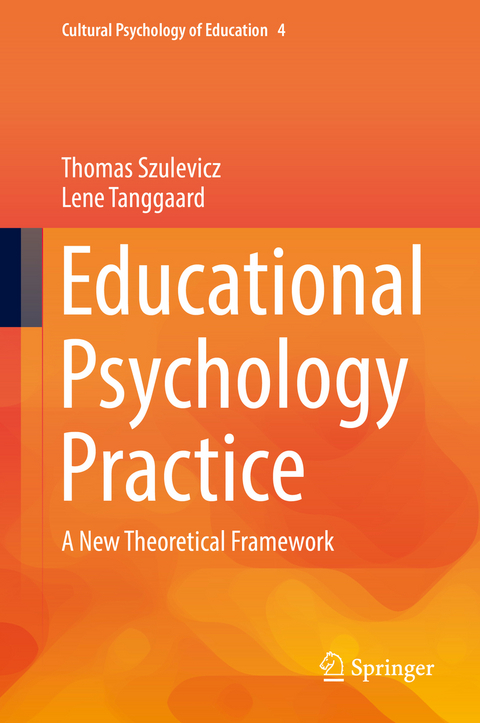
Educational Psychology Practice (eBook)
XVII, 147 Seiten
Springer International Publishing (Verlag)
978-3-319-44266-2 (ISBN)
Preface of the Series Editor 6
Practice Encapsulates Theory, While Theory Illuminates Practice 6
References 8
Contents 10
Introduction 14
Chapters 16
References 18
Part I: Introduction to Part I: Educational Psychology Practice as It Stands Today 19
Chapter 1: What Is Educational Psychology Practice? 20
Introduction 20
Educational Psychology Practice in a Time of Upheaval 22
The Status of Psychologists in the Educational Psychology Field Practice 24
Early Educational Psychology Practice 25
Prevention and Counselling Practice 27
Summary 29
References 29
Chapter 2: Approaches and Methods Used in Educational Psychology Practice 31
Introduction 31
The Service Approach 32
The Consultation Approach 34
Consultation 35
The Origins of Consultation Theory 38
System Theory 38
The Question of the Expert’s Role 39
Facilitation and a Different Type of Knowledge 41
Circularity 44
Social Constructionism and the Significance of Language 45
Prevalence of the Consultation Approach 46
Models of PPC Practice 48
Summary 49
References 50
Chapter 3: Inclusion as a (New) Priority for Educational Psychology? 51
Introduction 51
From Integration to Inclusion 52
Is the Curve Broken? 54
The New Discourse of Powerlessness? 55
Inclusion Manifests Many Paradoxes 59
Educational Psychologists and Inclusion 61
Summary 63
References 64
Chapter 4: Educational Psychology – Background Factors 65
Introduction 65
Pathologisation and Psychiatric Diagnosis 66
Tendencies to Individualise 70
Individualising Technologies? 72
New Public Management in Education 75
Increased Demand Management 81
Increased Conceptualisation of Pedagogical Practice 83
Summary 85
References 85
Part II: Introduction to Part II: Educational Psychology Practice 2.0 88
Chapter 5: A Pragmatic Consultation Approach 89
Introduction 89
Is Consultation Perhaps Not the (Only) Answer to the Challenges? 90
Uncertainty About Consultation 91
The Educational Psychologist as Handyman and Pragmatist 92
A Pragmatic Concept of Truth 94
A Pragmatic Consultation Approach 96
Conclusion 99
References 99
Chapter 6: Educational Psychology Practice – A Divided Field 100
Introduction 100
Dualism in Educational Psychology 101
The Four Obvious Pairs of Opposing Elements 103
Freedom of Method as Opposed to Prescribed Method 106
Didactisation as Against Psychologisation 108
Psychologised Pedagogics 110
Shared Didactics 111
Summary 112
References 113
Chapter 7: The Educational Psychologist as Everyday Researcher 115
Introduction 115
The Case of Lea 116
Pragmatic Educational Psychology 117
Situational Analysis 118
Why Use Situational Analysis in Educational Psychology Practice? 122
Observation as a Means of Being Closer to Practice 123
Why Observe? 124
Observation Gives Access to People’s Everyday Lives 125
Observation Yields a Better Understanding of the Individual’s Participation in Social Communities 126
Observation Reveals a Child’s Perspective 127
Observation Allows for New Understandings of an Issue 128
Observation Challenges 129
Observation Is Time-Consuming 129
We Observe Simply to Please Teachers 130
Observation Rarely Leads to New Awareness 130
Observation Is Diffuse and Has Little Legitimacy 131
Breakdown and Abduction as Inspiration for Educational Psychology Practice 132
Why Use Abduction in Educational Psychology Practice? 134
Concluding Discussion of the Educational Psychologist as Everyday Researcher 135
References 135
Chapter 8: Innovative and Creative Forms of PPC Practice 138
Introduction 138
Why Is Creativity Needed at an Educational Psychology Service Centre? 138
Intensified Requirements 139
A Psychological Approach to Creativity 140
How and When Are We Creative? 142
Psychology Work as a Creative Undertaking 144
The Organisational Preconditions for Creativity and Innovation 146
Summary 149
References 149
Chapter 9: Concluding Thoughts on the Past, Present and Future of Educational Psychology 151
Introduction 151
A Look at the Past (and a Glance at the Future) 152
Educational Psychology Practice in the Future 153
At the End of the Road 155
References 157
| Erscheint lt. Verlag | 20.9.2016 |
|---|---|
| Reihe/Serie | Cultural Psychology of Education | Cultural Psychology of Education |
| Zusatzinfo | XVII, 147 p. |
| Verlagsort | Cham |
| Sprache | englisch |
| Themenwelt | Geisteswissenschaften ► Psychologie |
| Medizin / Pharmazie ► Medizinische Fachgebiete ► Psychiatrie / Psychotherapie | |
| Sozialwissenschaften ► Pädagogik | |
| Schlagworte | Analysis of educational psychology • Consultation influences by new educational and social trends • Consultative/context sensitive framework • Creativity in educational psychology practice • Description and definition of educational psychology practice • Dichotomies in educational psychology practice • Frameworks in educational psychology • History of Educational psychology practice • Innovation in educational psychology practice • Pragmatic-consultative approach to educational psychology • Psychologists role to shaping learning environments in schools • Psychometric framework • Role of psychology in educational psychology practice • Shaping learning environments • The future of educational psychology practice |
| ISBN-10 | 3-319-44266-X / 331944266X |
| ISBN-13 | 978-3-319-44266-2 / 9783319442662 |
| Informationen gemäß Produktsicherheitsverordnung (GPSR) | |
| Haben Sie eine Frage zum Produkt? |
 PDF (Wasserzeichen)
DRM: Digitales Wasserzeichen
Dieses eBook enthält ein digitales Wasserzeichen und ist damit für Sie personalisiert. Bei einer missbräuchlichen Weitergabe des eBooks an Dritte ist eine Rückverfolgung an die Quelle möglich.
Dateiformat: PDF (Portable Document Format)
Mit einem festen Seitenlayout eignet sich die PDF besonders für Fachbücher mit Spalten, Tabellen und Abbildungen. Eine PDF kann auf fast allen Geräten angezeigt werden, ist aber für kleine Displays (Smartphone, eReader) nur eingeschränkt geeignet.
Systemvoraussetzungen:
PC/Mac: Mit einem PC oder Mac können Sie dieses eBook lesen. Sie benötigen dafür einen PDF-Viewer - z.B. den Adobe Reader oder Adobe Digital Editions.
eReader: Dieses eBook kann mit (fast) allen eBook-Readern gelesen werden. Mit dem amazon-Kindle ist es aber nicht kompatibel.
Smartphone/Tablet: Egal ob Apple oder Android, dieses eBook können Sie lesen. Sie benötigen dafür einen PDF-Viewer - z.B. die kostenlose Adobe Digital Editions-App.
Buying eBooks from abroad
For tax law reasons we can sell eBooks just within Germany and Switzerland. Regrettably we cannot fulfill eBook-orders from other countries.
aus dem Bereich