Neurology (eBook)
John Wiley & Sons (Verlag)
978-1-118-48613-9 (ISBN)
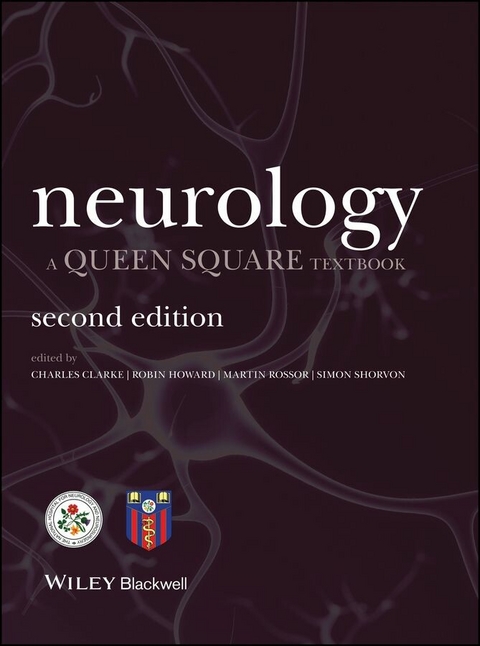
- A comprehensive and practical overview of current developments within clinical neurology, synthesising clinical neurology with translational research
- Expertly edited and written by neurologists, neuroscientists and neurosurgeons working at Queen Square, advised by an distinguished International Editor team to present a global perspective
- Introductory chapters summarise the basic sciences underpinning the practice of clinical neurology, including genetics, channelopathies, immunology, neurophysiology and neuropathology
- All chapters fully revised and updated to reflect the increasing role of neurologists in acute care
- Includes new contributions concerning major developments in the care of; stroke, epilepsy, dementia, Parkinson's disease, multiple sclerosis, neuromuscular disease, headache, infections, spinal disease, cranial nerve disease, neuropsychiatry, neurogenetics, neuro-oncology, uroneurology, neuro-otology, neuro-ophthalmology, pain medicine, sleep medicine, metabolic disease, drugs and toxins, autonomic disease, systemic disease, and neurorehabilitationfor dementia, epilepsy, headaches, neuro-genetics and many more
Dr Charles Clarke has been a consultant neurologist since 1979 and now works at the National Hospital and Whipps Cross Hospital, London. He is the author of Neurological Diseases in Clinical Medicine (editors: Parveen Kumar and Michael Clark; publishers: Elsevier). The sixth edition is now in press. He has been closely involved in the book, written originally by consultants at St Bartholomew's Hospital, since the first edition in 1987.
Dr Robin Howard has been consultant neurologist at the National Hospital and St Thomas' Hospital since 1992. He has a large general neurology NHS practice and is consultant to three neurological intensive care units as well as directing clinical services for patients with motor neurone disease, myasthenia gravis and sleep disorders. He has written extensively - more than 100 peer reviewed papers and 30 review articles/book chapters.
Professor Martin Rossor has been in consultant practice since 1986. He is Professor of Neurology at the Institute of Neurology, honorary consultant neurologist at the National Hospital and St Mary's Hospital. His particular clinical and personal interests are degenerative dementias and cognitive neurology.
Professor Simon Shorvon was appointed consultant neurologist at the National Hospital in 1983. His special interests are in epilepsy, imaging and epidemiology. He was previously Medical Director of the National Society for Epilepsy, the leading UK charity in the field of epilepsy and Chairman of the University Department of Neurology in UCL. He has published over 250 peer reviewed articles and 100 chapters and books.
Neurology: A Queen Square Textbook, second edition, is a fully revised and updated companion that demonstrates the rapid pace of advancement within clinical neurology and applied neuroscience A comprehensive and practical overview of current developments within clinical neurology, synthesising clinical neurology with translational research Expertly edited and written by neurologists, neuroscientists and neurosurgeons working at Queen Square, advised by an distinguished International Editor team to present a global perspective Introductory chapters summarise the basic sciences underpinning the practice of clinical neurology, including genetics, channelopathies, immunology, neurophysiology and neuropathology All chapters fully revised and updated to reflect the increasing role of neurologists in acute care Includes new contributions concerning major developments in the care of; stroke, epilepsy, dementia, Parkinson's disease, multiple sclerosis, neuromuscular disease, headache, infections, spinal disease, cranial nerve disease, neuropsychiatry, neurogenetics, neuro-oncology, uroneurology, neuro-otology, neuro-ophthalmology, pain medicine, sleep medicine, metabolic disease, drugs and toxins, autonomic disease, systemic disease, and neurorehabilitationfor dementia, epilepsy, headaches, neuro-genetics and many more
Dr Charles Clarke has been a consultant neurologist since 1979 and now works at the National Hospital and Whipps Cross Hospital, London. He is the author of Neurological Diseases in Clinical Medicine (editors: Parveen Kumar and Michael Clark; publishers: Elsevier). The sixth edition is now in press. He has been closely involved in the book, written originally by consultants at St Bartholomew's Hospital, since the first edition in 1987. Dr Robin Howard has been consultant neurologist at the National Hospital and St Thomas' Hospital since 1992. He has a large general neurology NHS practice and is consultant to three neurological intensive care units as well as directing clinical services for patients with motor neurone disease, myasthenia gravis and sleep disorders. He has written extensively - more than 100 peer reviewed papers and 30 review articles/book chapters. Professor Martin Rossor has been in consultant practice since 1986. He is Professor of Neurology at the Institute of Neurology, honorary consultant neurologist at the National Hospital and St Mary's Hospital. His particular clinical and personal interests are degenerative dementias and cognitive neurology. Professor Simon Shorvon was appointed consultant neurologist at the National Hospital in 1983. His special interests are in epilepsy, imaging and epidemiology. He was previously Medical Director of the National Society for Epilepsy, the leading UK charity in the field of epilepsy and Chairman of the University Department of Neurology in UCL. He has published over 250 peer reviewed articles and 100 chapters and books.
Title Page 5
Copyright Page 6
Contents 7
Editorial Team 9
Beginnings 13
Foreword to the First Edition 15
Foreword to the Second Edition 17
Preface 19
Acknowledgements 21
Chapter 1 Neurology Worldwide: The Epidemiology and Burden of Neurological Disease 23
Epidemiology of neurological disease 23
Frequency and distribution of neurological disease 23
Causation 26
Mortality 29
Other measures and rates 29
Burden of illness 30
Definitions 30
Cost of illness studies 30
WHO burden of illness studies 30
The personal burden of neurological disease – stigma 31
Relative costs – developing countries 31
Treatment gap 32
References 32
Further reading 32
Chapter 2 Nervous System Structure and Function 33
BASIC NEUROSCIENCE 33
Introduction 33
The functional unit: the neurone 33
Amyloid and tau in Alzheimer’s disease 34
Neurotransmission 34
Electrical synapses 34
Chemical synapses 35
Types of CNS synapse 35
Peripheral nervous system synapses 35
Neuromuscular junction 36
Neurotransmitters 36
Transmitter release 37
Transmitter-gated ion channels and G-protein-coupled receptors 37
Glia 37
Astrocytes 37
Oligodendrocytes (oligodendroglia) 38
Microglia 38
Ependyma 38
Schwann cells 38
Peripheral nerve fibre types 39
Myelin and saltatory conduction 39
Composition of the myelin sheath 40
Myelination and axon–Schwann cell interactions 40
Sensory nerve endings 40
Muscle spindle motor supply, annulospiral and flower spray endings 42
Golgi tendon organs 42
THE WORKING BRAIN 42
Introduction 42
Mechanisms of movement 42
Three central systems of motor control 43
Sensation and sensory pathways 49
Conscious and non-conscious sensation 49
Somatic sensory pathways in the cord and brain 50
The brainstem 50
Brainstem functions 50
Motor fibres 52
Sensory pathways within the brainstem 53
Cranial nerve nuclear columns 54
Reticular formation 55
Essential anatomy 55
Limbic system, hippocampus and related structures 57
Afferent hippocampal connections 60
Efferent hippocampal connections 60
Insula, cingulate cortex and parahippocampal gyrus 60
The thalamus 63
Cortical connections 63
Hypothalamus and pituitary gland 65
Arterial and capillary supply 65
Neuroendocrine cells 65
Posterior pituitary axis 67
Circumventricular organs 67
Sympathetic and parasympathetic hypothalamic activity 67
Cranial nerves 68
Olfactory nerve and its cortical connections 68
Optic nerve and visual system 69
III, IV and VI: third, fourth and sixth nerve nuclei and nerves 76
V: trigeminal nerve, sensory and motor nuclei 78
VIII: vestibulocochlear nerve 81
IX, X, XI and XII: glossopharyngeal, vagus, accessory and hypoglossal nerves 85
XI: spinal accessory nerve 85
Glossopharyngeal nerve IX 86
Vagus nerve X 86
XII: hypoglossal nerve 87
Autonomic nervous system 87
Sympathetic system 88
Parasympathetic system 88
Neurotransmission within the autonomic system 88
Acknowledgements 89
Further reading 89
Chapter 3 Mechanisms of Neurological Disease: Genetics, Autoimmunity and Ion Channels 91
Genetics 91
Modes of inheritance 91
How heritable are neurological conditions? Lessons from twins 94
Mutation versus polymorphism 94
The discovery process 95
Practical considerations 96
Ethical considerations: predictive versus diagnostic 96
Incidental findings in diagnostic exome and genome sequencing 97
Autoimmunity 99
Fundamentals 99
Components of the immune system 99
Protection of neural tissues – the blood–brain and blood–nerve barriers 105
Immune diseases of the nervous system 106
Interfering with the immune system as a treatment for disease 110
Inherited mutations of ion channels 110
Channelopathies 111
Disease causation in channelopathies 112
References 116
Further reading 116
Chapter 4 The Language of Neurology: Symptoms, Signs and Basic Investigations 119
Elements of diagnosis 119
History 119
Nature of symptoms 120
Neurological examination 120
Preliminary assessment 120
Brief neurological examination 120
Detailed neurological examination 120
Cognition and mental state 121
Skull, scalp and spine 121
Cranial nerves 121
Gait and disorders of movement 125
Motor system 125
Sensory system 127
Formulation and diagnosis 128
Diagnostic tests in clinical neurology 128
Imaging 128
Clinical neurophysiology 134
Specialised blood and urine tests 139
Cerebrospinal fluid examination 139
Biopsy of brain, nerve and muscle 141
Neuropsychological testing 142
Terminology, or vocabulary of clinical neurology 143
Focal cortical disorders 143
Motor abnormalities: brain and spinal cord 145
Sensory abnormalities: patterns at different levels 148
Mononeuropathy, polyneuropathy, root lesions 151
References 153
Further reading 153
Chapter 5 Stroke and Cerebrovascular Diseases 155
Epidemiology 155
Clinical approach to stroke 155
Ischaemic stroke 157
Important vascular anatomy 157
Pathophysiology of ischaemic stroke 159
Risk factors and causes of ischaemic stroke 161
Clinical syndromes of cerebral ischaemia 163
Intracranial haemorrhage 169
Risk factors 170
Clinical syndromes of intracranial haemorrhage 171
Specific issues in intracerebral haemorrhage 172
Prognosis of intracranial haemorrhage 172
Subarachnoid haemorrhage 173
Risk factors 173
Clinical features 173
Investigation 174
Initial management 175
Aneurysm treatment 175
Management of complications 176
Outcome 176
Arteriovenous malformations 176
Presentation 176
Natural history 177
Management 177
Cavernous malformations 178
Dural fistulae 179
Investigation of stroke and TIAs 180
Basic investigations for all: simple tests 180
Imaging 180
Guided investigations following basic profile 182
Management of acute stroke 184
Organised care in a stroke unit 184
Specific treatments for acute ischaemic stroke 185
Thrombolysis 185
Mechanical recanalisation 186
Antiplatelet therapy in acute stroke 187
Anticoagulation in thrombo-embolic stroke 187
Neuroprotection 188
Maintenance of homeostasis 188
Treatment of cerebral oedema 188
Management of progressive stroke 189
Common medical complications of stroke 190
Secondary prevention 191
Secondary prevention after TIA and stroke 191
Lifestyle modification 192
Lowering blood pressure 192
Diabetes mellitus 192
Lowering cholesterol 192
Anticoagulation 192
Antiplatelet therapy 195
Management of carotid stenosis 195
Non-atherosclerotic vascular disease and other rarer causes of stroke 197
Carotid and vertebral artery dissection 197
Vasculitis 199
Thrombotic thrombocytopenic purpura 200
Behçet’s disease 200
Susac’s syndrome 200
Sneddon’s syndrome 200
Mitochondrial disease 200
Fabry disease 200
CADASIL and CARASIL 201
Hypertensive encephalopathy 201
Migraine and stroke 201
Moyamoya angiopathy 201
Cerebral venous thrombosis 202
Reversible cerebral vasoconstriction syndrome 203
Vascular disease of the spinal cord 205
Stroke: overall conclusions 205
References 205
Further reading 205
Chapter 6 Movement Disorders 209
Parkinsonian (akinetic-rigid) syndromes 209
Cardinal motor features of parkinsonism 209
Parkinson’s disease 209
Dementia in association with Lewy body pathology 217
Multiple system atrophy 217
Progressive supranuclear palsy 217
Corticobasal degeneration 218
Ancillary investigations to distinguish between PD, MSA, PSP and CBD and other conditions 218
Vascular parkinsonism 218
Ethnic or region-specific parkinsonism 219
Other causes of parkinsonism 219
Tremor 220
Benign essential tremor 220
Dystonic tremor 220
Neuropathic tremor 220
Fragile X tremor ataxia syndrome 220
Cerebellar (pathway) tremor 220
Dystonia 221
Epidemiology 221
Classifying dystonia 221
Primary dystonia 222
Dystonia-plus syndromes 222
Dopa-responsive dystonia 222
Myoclonus dystonia 222
Symptomatic dystonia 222
Heredodegenerative dystonias 222
Wilson’s disease 224
Paroxysmal dyskinesias 226
Investigation of dystonia 226
Treatment of dystonia 226
Surgery for dystonia 227
Chorea 227
Assessment of chorea 227
Huntington’s disease 227
Neuro-acanthocytosis 231
Post-streptococcal autoimmune disorders 232
Benign hereditary chorea 233
Drug-induced chorea 233
Drug management of chorea 233
Tics 233
Gilles de la Tourette syndrome 233
Other forms of tic disorder 234
Other diseases that can cause tics 234
Investigation of tics 234
Management of GTS and tics 234
Myoclonus 235
Physiological myoclonus 235
Essential myoclonus 235
Epileptic myoclonus 235
Familial cortical tremor (also called benign autosomal dominant familial myoclonic epilepsy) 235
Epilepsia partialis continua 235
Secondary myoclonus 235
Non-progressive myoclonic encephalopathies 235
Post-anoxic action myoclonus (Lance–Adams syndrome) 235
Opsoclonus myoclonus 235
Myoclonus in neurodegenerative disorders 235
Subcortical myoclonus 236
Startle syndromes 236
Palatal myoclonus 237
Spinal myoclonus 237
Peripheral myoclonus 237
Psychogenic myoclonus 237
Drug-induced myoclonus 237
Treatment of myoclonus 237
Other movement disorders 237
Psychogenic (functional) movement disorders 237
Movement disorders associated with dopamine receptor blockade or dopamine depletion 238
Restless legs syndrome 239
Painful legs and moving toes 239
Stiff person syndrome, stiff limb syndrome and encephalomyelitis with rigidity 239
Neurophysiological assessment of movement disorders 239
Neurophysiological assessment of tremor 239
Neurophysiological assessment of dystonia 240
Neurophysiological assessment of myoclonus 240
Further reading 241
Chapter 7 Epilepsy and Related Disorders 243
Definitions 243
Epidemiology 243
ILAE classification of seizure type 243
Partial (focal) seizures 244
Generalised seizures 245
ILAE classification of the epilepsies and epilepsy syndromes 248
Idiopathic generalised epilepsy 248
Benign partial epilepsy syndromes 249
West syndrome 250
Lennox–Gastaut syndrome 250
Febrile seizures 250
Causes of epilepsy 250
Idiopathic epilepsy 252
Symptomatic epilepsy 253
Differential diagnosis of epilepsy 259
Loss of awareness and collapse 260
Generalised convulsive movements 262
Focal convulsive movements 262
Drop attacks 263
Transient focal sensory symptoms 264
Transient vestibular symptoms 264
Transient visual symptoms 264
Transient psychic experiences 264
Aggressive outbursts 265
Episodic phenomena in sleep 265
Prolonged confusional or fugue states 266
Investigation of epilepsy 266
Routine tests to carry out in all cases 266
Biochemical, haematological and immunological tests 266
Electroencephalography 269
Imaging in epilepsy 274
Medical treatment 278
Principles of treatment of newly diagnosed patients 278
A protocol for initial treatment 279
Treatment protocol for patients with chronic epilepsy 280
Role of antiepileptic drug level measurements 291
Patient information 291
Treatment of patients with epilepsy in remission 291
Management of epilepsy in learning disability 293
Management in the elderly 294
Antiepileptic drug treatment 295
Emergency drug treatment 298
Prolonged convulsions or serial seizures 298
Status epilepticus 299
Treatment of non-convulsive status epilepticus 299
Epilepsy surgery 300
Presurgical assessment 302
Surgery 304
Driving regulations in the UK 306
Acknowledgement 307
References 307
Further reading 307
Chapter 8 Dementia and Cognitive Impairment 311
Epidemiology: Delirium, dementia and cognitive impairment 311
Cognitive functions and their clinical syndromes 313
Attention 313
Memory 314
Knowledge 320
Voluntary action 320
Speech and language 321
Literacy and numeracy 322
Executive function 322
Emotion 323
Investigation of the patient with cognitive impairment 324
Basic principles 324
Initial investigation 324
Neuropsychometry 324
Brain imaging 325
Electroencephalography 326
Cerebrospinal fluid examination 326
Additional investigations 326
The dementias 326
Alzheimer’s disease 326
Frontotemporal dementia 332
Dementia with Lewy bodies and Parkinson’s disease dementia 336
Dementia with other movement disorders 338
Prion disease 339
Vascular dementia and vascular cognitive impairment 343
Dementia in young adults 345
Potentially reversible causes of dementia 346
Controversial entities 355
Management of dementia 355
Risk factor management 355
Co-morbidity 355
Behavioural management 356
Safety 356
Caring for the carer 356
Planning for the future and end of life issues 357
References 357
Further reading 357
Chapter 9 Infection in the Nervous System 359
Bacterial meningitis 359
Epidemiology 359
Pathogenesis 359
Clinical presentation 360
Investigation 361
Management 362
Specific causes of bacterial meningitis 362
Focal CNS infection 365
Cerebral abscess 365
Subdural empyema 367
Intracranial epidural abscess 368
Spinal epidural abscess 368
Spinal subdural abscess 368
Spinal cord intramedullary abscess 368
Infective endocarditis 368
Granulomatous infections of the nervous system 369
CNS tuberculosis 369
Leprosy (Hansen’s disease) 373
Brucellosis (undulant fever) 374
Spirochete CNS infections 375
Syphilis 375
Zoonoses 377
Lyme neuroborreliosis 377
Leptospirosis 379
Anthrax 379
Psittacosis 379
Cat scratch disease 379
Infections of the nervous system associated with toxin production 380
Diphtheria 380
Botulism 380
Tetanus 381
Miscellaneous infections of the nervous system 382
Mycoplasma 382
Whipple’s disease 382
Melioidosis 383
Tick-borne disease 383
Viral infections of the nervous system 383
Viral meningitis 383
Chronic and recurrent meningitis 384
Encephalitis 384
Viral haemorrhagic fevers 390
Polio and the post-polio syndrome 390
Subacute sclerosing panencephalitis 391
Rabies 391
HTLV-1 392
HTLV-2 393
Fungal infections 393
Risk factors 393
True yeasts 394
Pseudohyphae 394
True hyphae (moulds) 395
Parasitic disease of the nervous system 395
Neurocysticercosis 395
Trematodes 398
Protozoa 399
American trypanosomiasis (Chagas disease) 399
African trypanosomiasis (sleeping sickness) 399
Toxoplasma gondii 400
Malaria 400
Neurological disorders resulting from HIV 401
Basic principles of neuroAIDS 402
Opportunistic infections in HIV 403
Progressive multifocal leukoencephalopathy 405
Primary CNS lymphoma 406
Neurological complications resulting directly from HIV 406
HIV-related vacuolar myelopathy 408
HIV-related neuropathy 409
HIV-associated myopathy 410
Motor neurone disease 410
Immune reconstitution inflammatory syndrome 410
Conclusions 411
Acknowledgement 411
References 411
Further reading 411
Chapter 10 Nerve and Muscle Disease 413
Peripheral nerve disorders 413
Macro-anatomy of the peripheral nerve 413
Micro-anatomy of the peripheral nerve 413
Pathophysiology of the peripheral nerve 418
Diseases of the peripheral nerve 419
General approach to peripheral nerve disease 419
Inherited neuropathies 423
Acquired neuropathies 435
Other acquired peripheral nerve disorders 444
Focal and compressive neuropathies 448
Anterior horn cell diseases 454
Motor neurone disease 455
Spinal muscular atrophy 459
Disorders of the neuromuscular junction 461
Myasthenia gravis 462
‘Antibody negative’ myasthenia gravis – Anti MuSK antibodies 463
Clinical features 463
Diagnostic tests 463
Management 464
Ocular myasthenia gravis 465
Pregnancy and myasthenia 465
Myasthenic crisis 465
Cholinergic crisis 465
Anaesthesia and peri-operative care 465
Other causes of abnormal neuromuscular transmission 465
Lambert–Eaton myasthenic syndrome 465
Congenital myasthenia 466
Muscle diseases 466
Basic muscle biology 467
Clinical assessment of the patient with muscle disease 468
History 468
Examination 469
Investigation of muscle diseases 470
Genetic muscle diseases 470
Metabolic muscle disease 479
Acquired muscle diseases 487
References 494
Further reading 494
Chapter 11 Multiple Sclerosis and Demyelinating Diseases 497
Epidemiology 497
Migration studies 497
Health economics 497
Aetiology 497
Genetic susceptibility 498
Environmental factors 498
Transmissible agents 498
Vitamin D and sunlight exposure 498
Smoking 498
Pathophysiology 498
Pathology 499
Autoimmune pathogenesis 500
Clinical course 501
Types of multiple sclerosis 501
Natural history and prognosis 502
Clinical features 504
Diagnosis 505
Diagnostic investigations 505
Diagnostic criteria 509
Differential diagnosis 510
The diagnostic process 511
Management 512
Education and support 512
Management of acute relapses 512
Assessment 512
Treatment 513
Neuromyelitis optica 527
Epidemiology 527
Pathophysiology 527
Clinical features 527
Investigations 527
Diagnostic criteria 528
Course and natural history 529
Management 529
Acute para-infectious inflammatory encephalopathies 530
Acute disseminated encephalomyelitis 530
Acute haemorrhagic leukoencephalitis 531
Clinical features 532
Investigations 532
Prognosis 532
Management 532
References 532
Further reading 532
Chapter 12 Headache 535
Evaluation of the headache patient 535
Headache history taking 535
Examination of the patient with headache 536
Red flags for secondary headaches 537
Investigation of the patient with headache 537
Secondary headaches 537
Medication overuse headache 537
Headache caused by vascular disorders 538
Headache caused by disturbance of intracranial pressure 538
Primary headaches 538
Anatomy and physiology of headache 538
Migraine 540
Tension-type headache 545
Trigeminal autonomic cephalalgias 545
Cluster headache 545
Other primary headaches 548
Chronic daily headache 550
References 550
Further reading 551
Chapter 13 Cranial Nerve Disorders 553
I. Olfactory nerve 553
Functional anatomy 553
Symptoms 553
Examination 553
Causes of anosmia 554
V. Trigeminal nerve 555
Examination 555
Peripheral Vth nerve lesions 555
Nuclear Vth nerve lesions 556
Trigeminal neuralgia 556
Trigeminal sensory neuropathy 558
Herpes zoster ophthalmicus 558
Atypical facial pain 559
VII. Facial nerve 559
Functional anatomy 559
Examination 559
Supranuclear facial weakness 560
Nuclear VIIth lesions 560
Cerebellopontine angle syndrome 561
Facial canal syndrome 561
Lesions at and distal to the stylomastoid foramen 561
Lower four cranial nerves: IX, X, XI and XII 564
IX. Glossopharyngeal nerve 564
Functional anatomy 564
Examination 564
IXth nerve lesions, peripheral and central 564
X. Vagus nerve 565
Functional anatomy 565
Clinical features 565
Causes and localisation of lesions 566
Investigation 567
XI. Accessory nerve 567
Functional anatomy 567
Examination and localisation of lesions 568
XIth nerve lesions 568
XIII. Hypoglossal nerve 568
Functional anatomy 568
Localisation of lesions 569
Causes of XIIth nerve lesions 569
Investigation 569
Cranial nerve injury following carotid endarterectomy or carotid angioplasty with stenting 569
Jugular foramen syndrome 570
Bulbar and pseudobular palsy 571
Normal swallowing 571
Bulbar palsy 571
Pseudobulbar palsy 571
Dropped head syndrome 572
Multiple cranial neuropathies 572
Other causes of MCNs 573
Multiple recurrent cranial neuropathy of unknown cause 573
Intracranial epidural abscess 573
Acknowledgement 574
References 574
Further reading 574
Chapter 14 Neuro-Ophthalmology 575
Unilateral visual failure 575
History 575
Examination 576
Bilateral visual failure 579
Special investigations in neuro- ophthalmology 580
Optical coherence tomography 580
Ultrasound 580
Clinical electrophysiology of the eye 580
Visual field testing 580
Fundus fluorescein angiography 580
Optic nerve disease 580
Optic neuropathy 580
Ischaemic ocular syndromes 590
Tumours affecting the optic nerve 594
Hereditary optic neuropathies 596
Toxic and nutritional optic neuropathies 597
Traumatic optic neuropathy 597
Radiation-induced optic neuropathy (Chapters 19 and 21) 597
Swollen optic disc 597
Ocular involvement in other neurological disease 601
The phakomatoses in neuro-ophthalmology 603
Neurofibromatosis types 1 and 2 (Chapters 16 and 26) 603
Von Hippel–Lindau disease (Chapter 26) 604
Tuberous sclerosis 604
Sturge–Weber syndrome (encephalo-trigeminal angiomatosis) 604
Abnormalities of eye movements 604
Diplopia 604
Orbital disease 605
Orbital inflammatory syndromes 606
Cavernous sinus thrombosis 606
Carotico-cavernous fistula 607
Myopathy 607
Neuromuscular junction abnormalities 608
Cranial nerve palsies 608
Trochlear (IVth) nerve palsy 609
Central disorders of eye movements 609
Nystagmus 613
Horizontal nystagmus 613
Nystagmus in normal subjects 613
Jerk nystagmus 613
Pendular nystagmus 613
Nystagmus in childhood 614
Vestibular jerk nystagmus 614
Vertical and other forms of nystagmus 615
Medical treatment of nystagmus 616
Chiasmal and retrochiasmal visual pathways 616
Chiasmal disease 616
Homonymous hemianopia 617
Optic tract 617
Lateral geniculate nucleus 617
Optic radiation 617
Visual cortex 618
Disorders of higher visual function 619
Visual hallucinations 619
Visual hallucinations associated with impaired vision (Charles Bonnet syndrome) 620
Peduncular hallucinosis 620
Other disorders of visual perception 621
Abnormalities of the pupil 623
Disorders of the light reflex 623
Efferent parasympathetic defects of the light reflex 624
Disorders of the sympathetic nervous supply to the pupil 624
References 626
Further reading 626
Chapter 15 Neuro-Otology: Problems of Dizziness, Balance and Hearing 627
Dizziness and vertigo: introduction 627
Epidemiology 627
Basic concepts 627
Three-dimensional spatial orientation 627
Encoding of head movements in space 628
Neuro-otological assessment 629
Clinical examination 629
What to examine 629
Smooth pursuit eye movements 632
Saccadic eye movements 632
When to examine what – the clinical presentation of balance disorders 637
Commonly used vestibular investigations 638
Electronystagmograph 638
Video-oculography 640
Caloric testing 640
Posturography 641
Clinical disorders 642
Vestibular neuritis 642
Benign paroxysmal positional vertigo 643
Migraine-related dizziness 645
Ménière’s disease 645
Bilateral vestibular failure 646
Vestibular paroxysmia 647
Motion sickness 647
Management of vestibular disorders 647
Drug treatment 647
Treatment of chronic peripheral vertigo 649
Hearing disorders 652
Anatomy and physiology 652
Definitions and introduction 653
Basic concepts 653
Clinical examination of the ear and hearing 654
Otoscopy 654
Audiological investigations 655
Baseline audiometric tests 655
Electro-acoustic and electrophysiological tests 655
Aetiology of hearing loss 656
Conductive hearing loss 656
Sensorineural hearing loss 657
Retro-cochlear hearing disorders 658
Auditory processing disorders 665
Aetiology of APD 665
Management of auditory disorders 666
Hearing aids 666
Conductive hearing loss 666
Sensorineural hearing loss 666
VIIIth nerve disorders 667
Auditory processing disorders 667
References 667
Further reading 668
Chapter 16 Spinal Column and Spinal Cord Disorders 669
Spinal embryology, anatomy and physiology 669
Embryology of the spine 669
Genetic control of spinal development 669
Identifying genetic mutations involved in spinal anomaly 671
Anatomy and physiology of spinal maldevelopment 671
Disorders of axonal guidance 671
Human vertebral segmentation defects 672
Diagnosis of spinal column and spinal cord disorders 672
Clinical assessment of spinal disorders 672
Radiological assessment of spinal disorders 675
Specific diseases of the spinal column and spinal cord and their management 675
Skeletal disorders affecting the spine 675
Further reading 705
Chapter 17 Cerebellar Ataxias and Related Conditions 707
Approach to the patient with ataxia 707
Symptoms 707
Physical signs 707
Investigations 708
The ataxic disorders 709
Inherited ataxia syndromes 709
Congenital ataxias 709
Autosomal recessive cerebellar ataxias 710
Other metabolic causes of ataxia 712
Investigations 713
Treatment 713
Genetic forms of episodic ataxia 713
X-linked ataxia syndromes 715
Mitochondrial ataxia syndromes 715
Next generation gene sequencing 716
Acquired ataxia syndromes 716
Infective disease 716
Inflammatory disease 716
Vascular disease 716
Acquired metabolic disorders 717
Toxins and physical agents 717
Paraneoplastic cerebellar degeneration 717
Late onset cerebellar degenerations 718
Multiple system atrophy 719
Ataxia and sensitivity to gluten 719
Idiopathic late onset ataxia 719
Conclusions 719
References 720
Further reading 720
Chapter 18 Restorative Neurology, Rehabilitation and Brain Injury 721
The nature of disability and its optimal management 721
Key aspects of multi-dimensional rehabilitation 721
Natural histories of neurological damage 722
Resources, integrated care pathways, effectiveness and evidence base 723
Neural reorganisation and restoration 725
Treatment of neurological impairments and functional limitations 726
Restorative and compensatory approaches, skill learning and task-related training 726
Physical therapeutic interventions for motor disorders 728
Language disorders: speech and language therapy and communication aids 730
Visual loss and restorative therapies 731
Cognitive impairments 732
Telerehabilitation 733
Vocational rehabilitation 734
Medical treatments for specific problems 735
Single incident brain injury 741
Stroke 741
Traumatic brain injury 742
Service delivery 745
Organisational behaviours and interdisciplinary assessment 745
Outcome measurement 747
Indices of outcome 747
Service quality 747
Conclusions 748
Further reading 748
Chapter 19 Toxic, Metabolic and Physical Insults to the Nervous System and Inherited Disorders of Metabolism 751
Neurological disorders associated with exposure to toxic substances 751
Heavy metals 751
Solvents and toxins 755
Marine toxins 758
Other biological toxins 759
Radiation-induced neurological disease 760
Therapeutic radiation 761
Early-delayed radiation encephalopathy 761
Late-delayed radiation encephalopathy 761
Transient radiotherapy myelopathy 761
Radiation plexopathy 761
Lightning and electrical damage to the nervous system 762
Mechanisms of lightning and other electrical damage 762
Nervous system complications of lightning and electrical injury 762
Non-nervous system complications of lightning and electrical injury 763
Heat stroke 763
Hypothermia and non-freezing cold injury 763
Diving 764
Decompression sickness 764
Arterial and venous gas emboli 764
Altitude medicine 765
Acute mountain sickness and cerebral oedema 765
High altitude pulmonary oedema 766
Neurobiological weapons 766
Modes of release 767
Nerve agents 767
Vitamin deficiencies and toxicity 768
Vitamin A 768
Vitamin B1 (thiamine) 768
Vitamin B3 (niacin, nicotinic acid) 769
Vitamin B6 (pyridoxine) 769
Vitamin B12 deficiency (see Chapter 16) 769
Folate deficiency 770
Vitamin D 771
Vitamin E 771
Alcohol abuse 771
Metabolism of alcohol 771
Effects of acute intoxication 771
Effects of alcohol substitutes 771
Withdrawal syndromes 772
Chronic disorders associated with prolonged alcohol abuse 772
Other neurological complications of alcohol abuse 774
Other deficiency states associated with neurological manifestations 775
Copper deficiency 775
Magnesium deficiency 775
Drugs of abuse 775
Epidemiology 775
Stimulants 775
Sedatives 777
Hallucinogens 778
Solvents 779
Athletic performance-enhancing drugs 779
Investigation of suspected substance abuse 779
Adverse reactions to drugs 779
Seizures 779
Headache 780
Confusional states 780
Encephalopathy 780
Memory disturbance 780
Neuropsychiatric effects 780
Coma 781
Sleep disorders 781
Toxic leukoencephalopthy 781
Cerebrovascular disease 781
Impairment of taste and small 781
Drug-induced movement disorders (Chapter 6) 781
Visual disorders 782
Autonomic effects 783
Neuromuscular drug effects 783
Serotonin syndrome 785
Tyramine cheese reaction 785
Anticholinergic syndrome caused by medication toxicity 786
Inherited disorders of metabolism 786
Porphyria 786
Acute intermittent porphyria 787
References 817
Further reading 817
Chapter 20 Disorders of Consciousness, Intensive Care Neurology and Sleep 819
Consciousness 819
States of impaired consciousness 819
Causes of coma 819
Initial assessment and management of coma 819
Outcome from coma 828
Locked-in syndrome 829
Vegetative state 830
Minimally conscious state 830
Determining brain death 830
Repetition of testing 831
Neurological intensive care 831
Indications for intensive care management of neurological patients 831
Ventilatory failure associated with neurological disease 831
Neurological indications for tracheal intubation and mechanical ventilation 832
Conditions requiring neurointensive care support 832
Raised intracranial pressure 832
Cerebral herniation 836
Traumatic brain injury 837
Hydrocephalus and shunts 841
Stroke (Chapter 5) 841
Seizures (Chapter 7) 843
Acute bacterial meningitis 844
Herpes simplex encephalitis 845
Autoimmune encephalopathy 845
Metabolic encephalopathy 846
Posterior reversible encephalopathy syndrome 849
Hypoxic–ischaemic brain injury 849
Movement disorder emergencies 852
Cervical cord disorders (Chapter 16) 853
Anterior horn cell disease 854
Neuromuscular disease 854
Tetanus (Chapter 9) 857
Rabies (Chapter 9) 858
General medical care on the NICU 858
Nosocomial infection and infection surveillance 858
Anticoagulation 858
Delirium 858
Patient comfort 858
End of life issues on intensive care 860
Neurology of general critical care 860
Failure to awaken/depressed conscious state 860
Weakness and failure to wean from mechanical ventilation 861
Sleep and its disorders 862
Structure of normal sleep 862
REM sleep 863
Patterns of sleep 863
Regulation of wakefulness and sleep 863
Functions of sleep 863
Sleep and breathing 863
Classification of sleep disorders 863
Insomnia 863
Sleep-related breathing disorders 864
Hypersomnias of central origin 864
Narcolepsy 865
Circadian rhythm disorders 866
Parasomnias 866
Sleep-related movement disorders 868
Epilepsy syndromes associated with sleep 869
Traumatic brain injury and sleep 869
Acknowledgement 869
References 869
Further reading 869
Chapter 21 Neuro-Oncology 871
Epidemiology of common primary intracranial tumours 871
Incidence 871
Survival 871
Risk factors 872
Clinical features 872
Headache 872
Seizures 872
Focal deficits 872
Brainstem symptoms 873
Cognitive and behavioural symptoms 873
Endocrine symptoms 873
Rare presentations 873
Histogenesis of brain cancer 873
Molecular mechanisms involved in tumour formation 873
Genetic components in oncogenesis 874
Epigenetic events in oncogenesis 875
WHO classification of CNS tumours 875
Neuroepithelial tumours 875
Imaging of brain tumours 878
Structural imaging 878
Physiological imaging 880
Applications of physiological imaging 883
Monitoring tumour growth and response to treatment 885
Pseudoprogression and pseudoresponse 886
Imaging the effects of radiotherapy 886
Imaging complications of chemotherapy 886
Multidisciplinary management of brain tumours 887
Improving outcome and quality of life 888
Surgical management 888
Radiotherapy 890
High-grade gliomas 892
Pathology 892
Imaging 892
Surgery 893
Radiotherapy 893
Chemoradiation 894
Chemotherapy 894
Low-grade gliomas 895
Pathology 895
Imaging 896
Surgery for low-grade gliomas 897
Radiotherapy for low-grade gliomas 898
Chemotherapy for low-grade gliomas 898
Other low-grade tumours in childhood 898
Tumours of predominantly neuronal cell origin 898
Choroid plexus tumours 900
Meningiomas 900
Pathology 900
Imaging 900
Surgery 901
Radiotherapy 901
Brain metastases 901
Pathology 901
Imaging 901
Surgery and/or radiotherapy 902
Chemotherapy 902
Primary spinal cord tumours 903
Surgery 903
Chemotherapy for intrinsic cord tumours 903
Spinal ependymomas 903
Spinal astrocytomas 904
Spinal meningiomas and schwannomas 904
Metastatic spinal cord compression 904
Skull base tumours 904
Chordoma 904
Chondrosarcoma 906
Neurofibromatosis and schwannomas 906
Pathology 906
Molecular genetics 906
Clinical features 906
Skull base meningiomas 907
Pituitary tumours 907
Biological behaviour 907
Size 907
Histology 907
Functional criteria 907
Clinical presentation 907
Drug therapy and surgery 909
Radiotherapy 909
Craniopharyngioma 909
Primary CNS lymphomas 910
Imaging 910
Pathology 910
Clinical presentation 910
Diagnosis 910
Treatment 911
Primitive neuroepithelial tumours and medulloblastomas 911
Pathology 911
Molecular genetics and histogenesis of medulloblastoma 911
Imaging 912
Clinical features 912
Treatment 912
Pineal region tumours 912
Introduction 912
Pathology 913
Clinical features 913
Treatment 913
Germ cell tumours 913
Optic pathway glioma 913
Ependymomas 914
Dermoids and epidermoid cysts 915
Haemangioblastomas 916
Colloid cysts, Rathke’s pouch tumours and neuro-enteric cysts 916
Neurological complications of cancer 916
Direct effects and infiltration 916
Metastases 917
Malignant meningitis 917
Indirect effects of cancer 919
CNS infections in cancer patients 920
Paraneoplastic neurological disorders 920
Incidence and prevalence 920
Clinical features 920
Diagnosis of PND 924
Treatment for PND 925
Neurological complications of chemotherapy 925
Further reading 926
Chapter 22 Neuropsychiatry 927
The mental state examination 927
Appearance and behaviour 927
Speech 927
Mood and affect 928
Thoughts 928
Perceptions 928
Cognition 928
Insight 928
Formulation 928
Identifying and managing risk secondary to abnormal mental states 928
Agitation and aggression 928
Lack of insight 929
Suicidal ideation/suicidal behaviour 929
Legal issues: use of mental health and capacity acts 929
Psychiatric symptoms commonly seen in neurological disorders 929
Personality change 929
Obsessions and compulsions 929
Anxiety 930
Mood 930
Pseudodementia 930
Psychosis 930
Catatonia 931
Non-organic disorders in neurology 931
Functional neurological symptoms 931
Terminology 931
Diagnosis 932
Specific types of functional neurological symptoms 933
Treatment of functional neurological symptoms 934
Dissociative disorders 934
Psychiatric disorders of epilepsy 934
Peri-ictal and ictal psychiatric symptoms 934
Inter-ictal psychiatric disorders 935
Forced normalisation 935
Personality changes in epilepsy 935
Psychotropic effects of anticonvulsants 935
Neuropsychiatric aspects of movement disorders 935
Parkinson’s disease 935
Other movement disorders 939
Neuropsychiatric aspects of white matter disorders 939
Minor head injury and post-concussion syndrome 940
Acknowledgement 940
Further reading 940
Chapter 23 Pain 941
Definitions 941
Mechanisms of neuropathic pain 942
Peripheral neuropathy 942
Spinal cord 942
Role of inflammation and the immune system 943
Supraspinal influences 943
Assessment of pain in the patient with neurological disease 943
Central spinal pain: some anatomical and pathological considerations 944
Pain in individual disorders of the central nervous system 944
Multiple sclerosis 944
Parkinson’s disease 945
Central post-stroke pain 946
Spinal cord injury 947
Syringomyelia 947
Phantom pain 947
Painful legs and moving toes syndrome 948
Epilepsy 949
Fibromyalgia 949
Peripheral pain: anatomical and pathological considerations (Chapter 2) 949
Pain in individual disorders of the peripheral nervous system 950
Painful peripheral neuropathies 950
Burning feet, and the small-diameter fibre neuropathies 950
Erythromelalgia 951
Neuropathy in diabetes mellitus (Chapter 10) 951
Shingles and post-herpetic neuralgia: shingles 952
Post-herpetic neuralgia 952
Guillain–Barré syndrome 953
Neuralgic amyotrophy (brachial neuritis) 953
Painful inherited neuropathies 953
Latrogenic painful peripheral nerve lesions 953
Complex regional pain syndrome 953
Pain associated with benign orthopaedic conditions 955
Glomus tumour 955
Osteoid osteoma 956
Motor neurone disease 956
Painful peripheral viscero-somatic disorders 956
Burning mouth syndrome 956
Vulvodynia 956
Visceral pain 956
Plexopathies 957
Traumatic brachial plexus lesions 957
Malignant and radiation-induced plexopathies 957
Management 957
Management of neuropathic pain 958
Topical agents 961
Intrathecal drugs 961
Neuro-ablative and neuro-stimulation procedures 961
Other physical methods of treatment 962
Psychological approaches to management of chronic pain 963
Insensitivity to pain 963
Conclusions 964
Acknowledgement 964
References 964
Further reading 964
Chapter 24 Autonomic Aspects of Neurology 967
Classification of autonomic dysfunction 967
Clinical features 967
Cardiovascular system 968
Sudomotor system 978
Alimentary system 978
Kidneys and urinary tract 979
Sexual function 979
Eyes and lacrimal glands 979
Respiratory system 979
Additional features of neurological conditions: MSA and Parkinson’s disease 979
Psychological and psychiatric disturbances 980
Clinical examination 980
Investigations 980
Management 980
Cardiovascular system 981
Sudomotor disorders 984
Alimentary system 986
Urinary tract 986
Sexual function and the reproductive system 986
Respiratory system 986
Eye and lacrimal glands 986
Treatment in MSA and Parkinson’s disease 986
References 986
Further reading 987
Chapter 25 Uroneurology 989
The lower urinary tract and its neurological control 989
Lower urinary tract dysfunction following neurological disease 990
Cortical disease 990
Brainstem lesions 992
Spinal cord disease 993
Sacral and infrasacral lesions 995
Urinary retention 996
Management of lower urinary tract dysfunction 997
Management of storage dysfunction 997
Management of voiding dysfunction 999
Sexual functions and its neurological control 999
Physiology 999
Sexual dysfunction following neurological disease 1000
Management of sexual dysfunction 1003
References 1004
Further reading 1004
Chapter 26 Systemic Conditions and Neurology 1007
Aortic and cardiac disorders 1007
Aortic pathology 1007
Neurological complications of cardiac surgery 1009
Neurological complications of acquired cardiac disease 1009
Endocrine conditions 1011
Thyroid disorders 1011
Diabetes mellitus 1012
Pituitary disorders 1013
Parathyroid disorderss 1013
Electrolyte disturbances 1013
Sodium 1013
Potassium 1015
Calcium and magnesium 1015
Haematological disorders 1015
Anaemias 1015
Proliferative conditions 1015
Polycythaemia 1018
Thrombocythaemia 1018
Bleeding disorders 1018
Gastrointestinal disorders 1018
Hepatic encephalopathy 1018
Vitamin deficiencies causing neurological disorders (Chapter 19) 1019
Malabsorption 1019
Inflammatory bowel disease 1019
Renal disease 1019
Conditions affecting both renal and neurological function 1019
Neurological consequences of renal disease and its treatment 1020
Neurological aspects of organ transplantation 1020
CNS infections 1021
Neurological sequelae of transplantation 1021
Complications related to specific allograft transplantation 1022
Neurological involvement in systemic vasculitides and related disorders 1023
Pathological mechanisms 1023
Diagnosis and treatment of vasculitides involving the nervous system 1024
Sjögren’s syndrome 1027
Miscellaneous cerebral arteriopathies 1028
CADASIL 1028
CARASIL 1028
Fabry’s disease 1028
Susac’s syndrome 1030
Sneddon’s syndrome 1030
Degos’ disease 1030
HANAC 1031
Reversible cerebral vasoconstriction syndrome 1031
Sarcoidosis 1032
Clinical features and investigation 1032
Meningeal and parenchymatous sarcoid 1032
Sarcoid encephalopathy 1032
Peripheral neuromuscular sarcoid 1032
Diagnosis 1032
Prognosis 1033
Behçet’s syndrome 1034
Epidemiology and pathology 1034
Patterns of nervous system involvement 1034
CNS involvement: parenchymal 1034
Cerebral venous sinus thrombosis 1035
Investigation 1035
Treatment 1035
IgG4-related disease 1035
CLIPPERS 1036
Neurocutaneous syndromes 1037
Neurofibromatosis type 1 (von Recklinghausen’s disease) 1037
Neurofibromatosis type 2 1038
Xeroderma pigmentosa 1039
Tuberous sclerosis 1039
Von Hippel–Lindau disease 1039
Ataxia telangiectasia 1040
Sturge–Weber syndrome 1040
Neurological aspects of pregnancy 1040
Epilepsy and women of childbearing age 1040
Pregnancy and other neurological diseases 1045
Complications of obstetric anaesthesia 1046
Other conditions causing acute neurological symptoms during pregnancy 1046
Palliative and end of life care in neurology 1047
The dying patient 1048
Index 1051
EULA 1097
| Erscheint lt. Verlag | 11.7.2016 |
|---|---|
| Sprache | englisch |
| Themenwelt | Medizin / Pharmazie ► Medizinische Fachgebiete ► Neurologie |
| Schlagworte | Autonomic Disease • Autonomic Dysfunction • cerebellar ataxias • Cerebrovascular diseases • Charles Clarke • Clinical Neurology • Cognitive impairment • Cranial Nerve Disorders • dementia • Demyelinating diseases • disorders of consciousness • Drugs and Toxins • Epilepsy • Genetics • Headache • Intensive care • Martin Rossor • Medical Science • Medizin • Metabolic disease • movement disorders • Multiple Sclerosis • Muscle disease • National Hospital for Neurology & Neurosurgery • Nerve Disease • nervous system • neurochemistry • Neurological • Neurological Disease • Neurologie • Neurology • Neuromuscular • Neuro-oncology • Neuro-opthalmology • Neuro-otology • Neuropsychiatry • Neuro-Rehabilitation • Neuroscience • Pain Medicine • Parkinson's Disease • Physiology • Queen Square • Restorative Neurology • Robin Howard • Simon Shorvo • sleep medicine • Spinal Cord Disorders • stroke • Systemic conditions • UCL Institute of Neurology • Uro-neurology |
| ISBN-10 | 1-118-48613-7 / 1118486137 |
| ISBN-13 | 978-1-118-48613-9 / 9781118486139 |
| Informationen gemäß Produktsicherheitsverordnung (GPSR) | |
| Haben Sie eine Frage zum Produkt? |
 PDF (Adobe DRM)
Größe: 138,7 MB
Kopierschutz: Adobe-DRM
Adobe-DRM ist ein Kopierschutz, der das eBook vor Mißbrauch schützen soll. Dabei wird das eBook bereits beim Download auf Ihre persönliche Adobe-ID autorisiert. Lesen können Sie das eBook dann nur auf den Geräten, welche ebenfalls auf Ihre Adobe-ID registriert sind.
Details zum Adobe-DRM
Dateiformat: PDF (Portable Document Format)
Mit einem festen Seitenlayout eignet sich die PDF besonders für Fachbücher mit Spalten, Tabellen und Abbildungen. Eine PDF kann auf fast allen Geräten angezeigt werden, ist aber für kleine Displays (Smartphone, eReader) nur eingeschränkt geeignet.
Systemvoraussetzungen:
PC/Mac: Mit einem PC oder Mac können Sie dieses eBook lesen. Sie benötigen eine
eReader: Dieses eBook kann mit (fast) allen eBook-Readern gelesen werden. Mit dem amazon-Kindle ist es aber nicht kompatibel.
Smartphone/Tablet: Egal ob Apple oder Android, dieses eBook können Sie lesen. Sie benötigen eine
Geräteliste und zusätzliche Hinweise
Zusätzliches Feature: Online Lesen
Dieses eBook können Sie zusätzlich zum Download auch online im Webbrowser lesen.
Buying eBooks from abroad
For tax law reasons we can sell eBooks just within Germany and Switzerland. Regrettably we cannot fulfill eBook-orders from other countries.
 EPUB (Adobe DRM)
Kopierschutz: Adobe-DRM
Adobe-DRM ist ein Kopierschutz, der das eBook vor Mißbrauch schützen soll. Dabei wird das eBook bereits beim Download auf Ihre persönliche Adobe-ID autorisiert. Lesen können Sie das eBook dann nur auf den Geräten, welche ebenfalls auf Ihre Adobe-ID registriert sind.
Details zum Adobe-DRM
Dateiformat: EPUB (Electronic Publication)
EPUB ist ein offener Standard für eBooks und eignet sich besonders zur Darstellung von Belletristik und Sachbüchern. Der Fließtext wird dynamisch an die Display- und Schriftgröße angepasst. Auch für mobile Lesegeräte ist EPUB daher gut geeignet.
Systemvoraussetzungen:
PC/Mac: Mit einem PC oder Mac können Sie dieses eBook lesen. Sie benötigen eine
eReader: Dieses eBook kann mit (fast) allen eBook-Readern gelesen werden. Mit dem amazon-Kindle ist es aber nicht kompatibel.
Smartphone/Tablet: Egal ob Apple oder Android, dieses eBook können Sie lesen. Sie benötigen eine
Geräteliste und zusätzliche Hinweise
Buying eBooks from abroad
For tax law reasons we can sell eBooks just within Germany and Switzerland. Regrettably we cannot fulfill eBook-orders from other countries.
aus dem Bereich