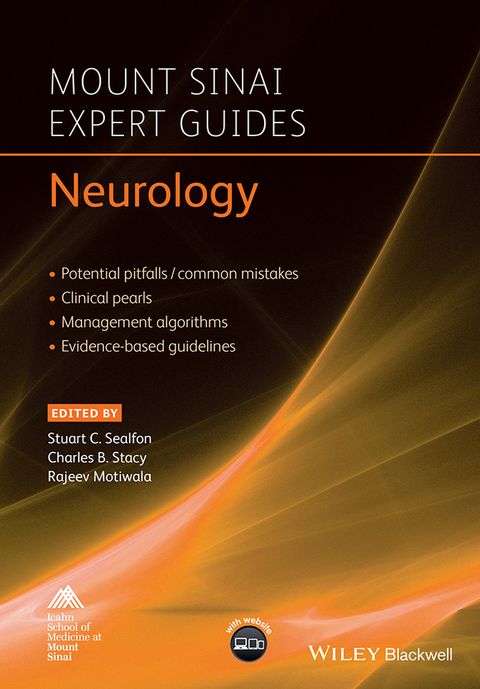
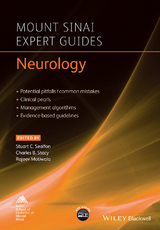
Perfect as a point-of-care resource on the hospital wards and also as a refresher for board exam preparation, the focus throughout is on providing rapid reference, essential information on each disorder to allow for quick, easy browsing and assimilation of the must-know information. All chapters follow a consistent template including the following features:
- An opening bottom-line/key points section
- Classification, pathogenesis and prevention of disorder
- Evidence-based diagnosis, including relevant algorithms, laboratory and imaging tests, and potential pitfalls when diagnosing a patient
- Disease management including commonly used medications with dosages, management algorithms and how to prevent complications
- How to manage special populations, ie, in pregnancy, children and the elderly
- The very latest evidence-based results, major society guidelines and key external sources to consult
In addition, the book comes with a companion website housing extra features such as case studies with related questions for self-assessment, key patient advice and ICD codes. Each guide also has its own mobile app available for purchase, allowing you rapid access to the key features wherever you may be.
If you're specialising in neurology and require concise, practical and clinical guidance from one of the world's leading institutions in this field, then this is the perfect book for you.
Stuart Sealfon MD, Glickenhaus Professor and Chairman, Department of Neurology, Mount Sinai Medical Center, New York, NY. Dr Sealfon has contributed to more than 100 original research articles, primarily related to receptors, cell signaling and brain disease. This body of work has significant potential for therapeutic advance, already having led to two patents. He has also served on the editorial boards of numerous peer-reviewed journals and scientific advisory boards, and has lectured at universities and conferences throughout the world.
Rajeev Motiwala MD, Assistant Professor of Neurology, Department of Neurology, Mount Sinai Medical Center, New York, NY.
Charles Stacy MD, Assistant Professor of Neurology, Department of Neurology, Mount Sinai Medical Center, New York, NY.
Mount Sinai Expert Guides: Neurology provides trainees in neurology with an extremely clinical and accessible handbook covering the major neurologic disorders and symptoms, their diagnosis and clinical management. Perfect as a point-of-care resource on the hospital wards and also as a refresher for board exam preparation, the focus throughout is on providing rapid reference, essential information on each disorder to allow for quick, easy browsing and assimilation of the must-know information. All chapters follow a consistent template including the following features: An opening bottom-line/key points section Classification, pathogenesis and prevention of disorder Evidence-based diagnosis, including relevant algorithms, laboratory and imaging tests, and potential pitfalls when diagnosing a patient Disease management including commonly used medications with dosages, management algorithms and how to prevent complications How to manage special populations, ie, in pregnancy, children and the elderly The very latest evidence-based results, major society guidelines and key external sources to consult In addition, the book comes with a companion website housing extra features such as case studies with related questions for self-assessment, key patient advice and ICD codes. Each guide also has its own mobile app available for purchase, allowing you rapid access to the key features wherever you may be. If you're specialising in neurology and require concise, practical and clinical guidance from one of the world's leading institutions in this field, then this is the perfect book for you.
Stuart Sealfon MD, Glickenhaus Professor and Chairman, Department of Neurology, Mount Sinai Medical Center, New York, NY. Dr Sealfon has contributed to more than 100 original research articles, primarily related to receptors, cell signaling and brain disease. This body of work has significant potential for therapeutic advance, already having led to two patents. He has also served on the editorial boards of numerous peer-reviewed journals and scientific advisory boards, and has lectured at universities and conferences throughout the world. Rajeev Motiwala MD, Assistant Professor of Neurology, Department of Neurology, Mount Sinai Medical Center, New York, NY. Charles Stacy MD, Assistant Professor of Neurology, Department of Neurology, Mount Sinai Medical Center, New York, NY.
Title Page 5
Copyright Page 6
Contents 7
Contributors 10
Series Foreword 14
Preface 15
List of Abbreviations 16
About the Companion Website 23
Part 1 Introduction 25
Chapter 1 Neurologic History and Examination 27
Overview 27
Approach to history taking for the neurologic patient 27
Approach to the neurologic examination 27
Mental status 28
Cranial nerves 30
Motor examination 31
Sensory examination 32
Reflexes 33
Gait and coordination (Box 1.3) 34
Reading list 36
Chapter 2 Neuroradiology 37
Introduction 37
Imaging of cerebral ischemia 39
Imaging of parenchymal hemorrhage 40
Overview of intracranial vasculature 41
Safety concerns with MRI 42
Conclusions 43
Images 43
Reading list 45
Chapter 3 Neurophysiologic and Other Neurodiagnostic Tests 46
Nerve conduction studies (NCS) and electromyography (EMG) 46
Nerve conduction studies (NCS) 47
Special tests: blink reflex and repetitive nerve stimulation 52
Electromyography 54
Electroencephalography 58
Evoked potentials 66
Neuromuscular ultrasound 67
Carotid and transcranial ultrasound 68
Conclusions 70
Reading list 70
Part 2 Diagnosis of Patients with Neurologic Symptoms 71
Chapter 4 Delirium and Coma 73
Background 73
Approach to diagnosis 73
Recommended diagnostic strategy (Algorithm 4.1) 81
Reading list 82
Chapter 5 Episodic Collapse, Loss of Consciousness, Seizures 83
Background 83
Approach to diagnosis 83
Recommended diagnostic strategy 88
Reading list 88
Chapter 6 Dysphasias, Dyspraxias, and Dysexecutive Syndromes: The Non-Memory Cognitive Impairments 89
Background 89
Approach to diagnosis 89
Recommended diagnostic strategy 97
Images 111
Reading list 116
Chapter 7 Memory Loss and Dementia 117
Background 117
Approach to diagnosis 117
Recommended diagnostic strategy 124
Acknowledgement 125
Reading list 125
Acknowledgement 125
Chapter 8 Headache 126
Background 126
Approach to diagnosis 126
Recommended diagnostic strategy 130
Reading list 130
Chapter 9 Abnormal Movements and Incoordination 132
Background 132
Approach to diagnosis 132
Recommended diagnostic strategy 140
Images 142
Reading list 142
Chapter 10 Sleep Disorders, Somnolence, and Fatigue 144
Background 144
Approach to diagnosis 145
Reading list 149
Chapter 11 Visual Loss and Double Vision 150
Background 150
Approach to diagnosis 150
Table of frequency of each disease 157
Images 159
Reading list 167
Chapter 12 Vertigo, Dizziness, and Hearing Loss 168
Background 168
Approach to diagnosis 169
Recommended treatment strategy 178
Reading list 179
Chapter 13 Facial Weakness, Slurred Speech, and Difficulty Swallowing 180
Background 180
Approach to diagnosis 180
Reading list 187
Chapter 14 Difficulty Walking 188
Background 188
Approach to diagnosis 188
Recommended diagnostic strategy 192
Reading list 194
Chapter 15 Muscle Weakness and Paralysis 195
Background 195
Approach to diagnosis 195
Recommended diagnostic strategy 202
Reading list 203
Chapter 16 Tingling and Loss of Sensation 204
Background 204
Approach to diagnosis 204
Reading list 209
Chapter 17 Low Back Pain and Neck Pain 210
Background 210
Approach to diagnosis 210
Reading list 215
Chapter 18 Suspected Spinal Cord Dysfunction 216
Background 216
Approach to diagnosis 217
Reading list 224
Chapter 19 Bladder and Sexual Dysfunction 225
Section 1: Bladder dysfunction 225
Section 2: Sexual dysfunction 231
Reading list 235
Part 3 Neurologic Diseases and Therapeutics 237
Chapter 20 Vascular Diseases: Ischemic Stroke, Intracerebral and Subarachnoid Hemorrhage, Cerebral Venous Thrombosis, Arterio-Venous Malformations 239
Section 1: Background 239
Section 2: Prevention and screening 241
Section 3: Diagnosis 242
Section 4: Treatment (Algorithm 20.1) 245
Section 5: Special populations (Figures 20.1, 20.2, and 20.3) 248
Section 6: Prognosis 249
Section 7: Reading list 249
Section 8: Guidelines 249
Section 9: Evidence 250
Section 10: Images 250
Chapter 21 Neurologic Complications of Systemic Disease 252
Section 1: Background 252
Section 2: Prevention and screening 253
Section 3: Diagnosis 253
Section 4: Treatment 260
Section 5: Special populations 261
Section 6: Prognosis 261
Section 7: Reading list 262
Chapter 22 Neuro-Oncology 263
Section 1: Background 263
Section 2: Prevention and screening 265
Section 3: Diagnosis 266
Section 4: Treatment 268
Section 5: Special populations 271
Section 6: Prognosis 271
Section 7: Reading list 272
Chapter 23 Multiple Sclerosis and Other Inflammatory Diseases 273
Section 1: Background 273
Section 2: Prevention and screening 274
Section 3: Diagnosis 274
Section 4: Treatment 278
Section 5: Special populations 281
Section 6: Prognosis 281
Section 7: Reading list 282
Chapter 24 Infections of the Nervous System 283
Section 1: Background 283
Section 2: Prevention and screening 287
Section 3: Diagnosis 287
Section 4: Treatment 290
Section 5: Special populations 292
Section 6: Prognosis 294
Section 7: Reading list 294
Section 8: Guidelines 294
Chapter 25 Parkinson’s Disease and Related Disorders 295
Section 1: Background 295
Section 2: Prevention and screening 297
Section 3: Diagnosis 297
Section 4: Treatment (Algorithm 25.1) 299
Section 5: Special populations 303
Section 6: Prognosis 303
Section 7: Reading list 303
Section 8: Guidelines 303
Section 9: Evidence for therapies 304
Chapter 26 Hyperkinetic Movement Disorders 306
Section 1: Background 306
Section 2: Prevention and screening 308
Section 3: Diagnosis 308
Section 4: Treatment (Algorithms 26.1–26.3) 314
Section 5: Special populations 318
Section 6: Prognosis 318
Chapter 27 Alzheimer’s Disease and Frontotemporal Dementia 319
Section 1: Background 319
Section 2: Prevention and screening 323
Section 3: Diagnosis 324
Section 4: Treatment 325
Section 5: Special populations 328
Section 6: Prognosis 328
Section 7: Reading list 328
Section 8: Guidelines 328
Section 9: Evidence for effectiveness of therapies 329
Section 10: Images 329
Chapter 28 Cerebellar and Brainstem Disorders 331
Section 1: Background 331
Section 2: Prevention and screening 332
Section 3: Diagnosis, etiology, and treatment (Algorithms 28.1 and 28.2) 333
Section 4: Treatment 349
Section 5: Special populations 349
Section 6: Prognosis 349
Section 7: Reading list 349
Chapter 29 Inborn Errors of Metabolism 350
Section 1: Background 350
Section 2: Prevention and screening 352
Section 3: Diagnosis 353
Section 4: Treatment 359
Section 5: Special populations 361
Section 6: Prognosis 361
Section 7: Reading list 362
Section 8: Guidelines 362
Section 9: Evidence for therapies 363
Chapter 30 Epilepsy 364
Section 1: Background 364
Section 2: Prevention and screening 365
Section 3: Diagnosis 366
Section 4: Treatment 370
Section 5: Special populations 372
Section 6: Prognosis 373
Section 7: Reading list 374
Chapter 31 Autonomic Disorders 375
Section 1: Background 375
Section 2: Prevention and screening 376
Section 3: Diagnosis 377
Section 4: Treatment (Algorithm 31.2) 379
Section 5: Special populations 381
Section 6: Prognosis 381
Section 7: Reading list 382
Section 8: Guidelines 382
Section 9: Evidence for therapies 382
Section 10: Images 383
Chapter 32 Peripheral Neuropathies 384
Section 1: Background 384
Section 2: Prevention and screening 386
Section 3: Diagnosis 386
Section 4: Treatment (Algorithm 32.6) 389
Section 5: Special populations 391
Section 6: Prognosis 391
Section 7: Reading list 392
Section 8: Guidelines 392
Chapter 33 Myopathy 393
Section 1: Background 393
Section 2: Prevention and screening 395
Section 3: Diagnosis 395
Section 4: Treatment 401
Section 5: Special populations 402
Section 6: Prognosis 402
Section 7: Reading list 403
Chapter 34 Neuromuscular Junction Disorders 404
Section 1: Background 404
Section 2: Prevention and screening 405
Section 3: Diagnosis 406
Section 4: Treatment 411
Section 5: Special populations 414
Section 6: Prognosis 414
Section 7: Reading list 415
Section 8: Guidelines 416
Section 9: Evidence for therapies 416
Chapter 35 Motor Neuron Disease 417
Section 1: Background 417
Section 2: Prevention and screening 419
Section 3: Diagnosis 419
Section 4: Treatment 422
Section 5: Special populations 424
Section 6: Prognosis 424
Section 7: Reading list 425
Section 8: Guidelines 425
Section 9: Evidence for therapies 426
Chapter 36 Metabolic Encephalopathy, Hypoxic-Ischemic Encephalopathy, and Brain Death 427
Section 1: Background 427
Section 2: Prevention and screening 429
Section 3: Diagnosis 429
Section 4: Treatment 432
Section 5: Special populations 433
Section 6: Prognosis 433
Section 7: Reading list 433
Section 8: Guidelines 433
Chapter 37 Pain Disorders 434
Section 1: Background 434
Section 2: Prevention and screening 435
Section 3: Diagnosis 436
Section 4: Treatment 439
Section 5: Special populations 441
Section 6: Prognosis 442
Section 7: Reading list 443
Section 8: Guidelines 443
Chapter 38 Migraine and Other Headache Disorders 444
Section 1: Background 444
Section 2: Prevention and screening 445
Section 3: Diagnosis 446
Section 4: Treatment 448
Section 5: Special populations 452
Section 6: Prognosis 453
Section 7: Reading list 453
Chapter 39 Sleep Disorders 455
Section 1: Background 455
Section 2: Prevention and screening 456
Section 3: Diagnosis 457
Section 4: Treatment 460
Section 5: Special populations 461
Section 6: Prognosis 462
Section 7: Reading list 462
Section 8: Guidelines 462
Section 9: Evidence for therapies 463
Chapter 40 Neurocritical Care 464
Section 1: Background 464
Section 2: Prevention and screening 467
Section 3: Diagnosis 468
Section 4: Treatment 468
Section 5: Special populations 471
Section 6: Prognosis 472
Section 7: Reading list 472
Section 8: Guidelines 472
Section 9: Evidence for therapies 472
Section 10: Images 472
Chapter 41 Trauma 475
Section 1: Background 475
Section 2: Prevention 477
Section 3: Diagnosis 478
Section 4: Treatment 482
Section 5: Special populations 483
Section 6: Prognosis 484
Section 7: Reading list 485
Section 8: Guidelines 485
Section 9: Evidence for therapies 485
Section 10: Images 486
Chapter 42 Postoperative Neurosurgical Patients 488
Section 1: Background 488
Section 2: Prevention and screening 488
Section 3: Diagnosis 489
Section 4: Treatment of specific postoperative complications 491
Section 5: Special populations 494
Section 6: Prognosis 495
Section 7: Reading list 496
Section 8: Guidelines 496
Section 9: Evidence for therapies 496
Section 10: Images 498
Index 500
EULA 515
| Erscheint lt. Verlag | 21.3.2016 |
|---|---|
| Reihe/Serie | Mount Sinai Expert Guides | Mount Sinai Expert Guides |
| Sprache | englisch |
| Themenwelt | Medizin / Pharmazie ► Medizinische Fachgebiete ► Neurologie |
| Schlagworte | Clinical • ICD • MCQs • Medical Science • Medizin • Mount Sinai • neurologic • Neurologie • Neurology • Neurovascular Disease • Neurovaskuläre Krankheiten • Neurovaskuläre Krankheiten • Specialist • Trainee |
| ISBN-10 | 1-118-62107-7 / 1118621077 |
| ISBN-13 | 978-1-118-62107-3 / 9781118621073 |
| Informationen gemäß Produktsicherheitsverordnung (GPSR) | |
| Haben Sie eine Frage zum Produkt? |
 PDF (Adobe DRM)
Kopierschutz: Adobe-DRM
Adobe-DRM ist ein Kopierschutz, der das eBook vor Mißbrauch schützen soll. Dabei wird das eBook bereits beim Download auf Ihre persönliche Adobe-ID autorisiert. Lesen können Sie das eBook dann nur auf den Geräten, welche ebenfalls auf Ihre Adobe-ID registriert sind.
Details zum Adobe-DRM
Dateiformat: PDF (Portable Document Format)
Mit einem festen Seitenlayout eignet sich die PDF besonders für Fachbücher mit Spalten, Tabellen und Abbildungen. Eine PDF kann auf fast allen Geräten angezeigt werden, ist aber für kleine Displays (Smartphone, eReader) nur eingeschränkt geeignet.
Systemvoraussetzungen:
PC/Mac: Mit einem PC oder Mac können Sie dieses eBook lesen. Sie benötigen eine
eReader: Dieses eBook kann mit (fast) allen eBook-Readern gelesen werden. Mit dem amazon-Kindle ist es aber nicht kompatibel.
Smartphone/Tablet: Egal ob Apple oder Android, dieses eBook können Sie lesen. Sie benötigen eine
Geräteliste und zusätzliche Hinweise
Buying eBooks from abroad
For tax law reasons we can sell eBooks just within Germany and Switzerland. Regrettably we cannot fulfill eBook-orders from other countries.
aus dem Bereich