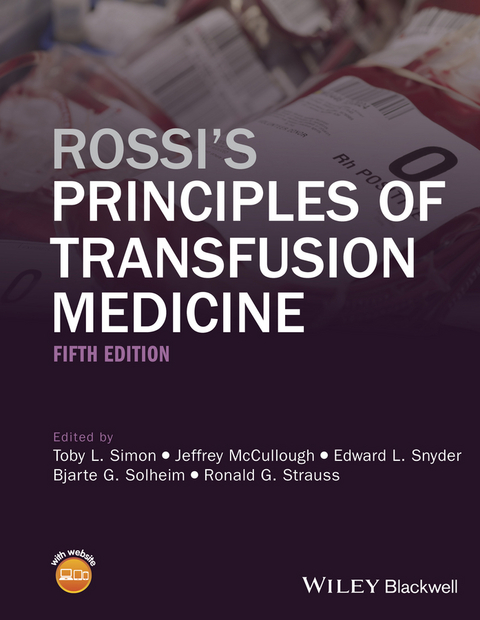
Rossi's Principles of Transfusion Medicine (eBook)
John Wiley & Sons (Verlag)
978-1-119-01300-6 (ISBN)
- Led by a world class Editor team, including two past-presidents of AABB, a past- President of the American Board of Pathology and members of the FDA Blood Products Advisory Committee , and international contributor team
- Comprehensive reference resource, considered the gold standard in transfusion
- Covers current hot topics such as donor care - including the frequency of donation and management of iron deficiency/status), patient blood management, hemovigilance, cstem cell therapies, and global aspects of the organization of transfusion and transplant services
- New material on molecular immunohematology
- Companion website includes figures, full text and references
Dr. Toby Simon is senior medical director at CSL Behring, a biotherapeutics company that is a world leader in fractionation of plasma for blood derivatives. He has previous experience in both blood centers and transfusion services and did research in transfusion medicine for many years at the University of New Mexico School of Medicine and has most recently been a consultant to the NIH REDS II program. He is a past president of AABB and America's Blood Centers. He served on the American Board of Pathology Transfusion Medicine Test Development and Advisory Committee for over 25 years and is currently in his second term as Inudstry Representative on the FDA Blood Products Advisory Committee.
Dr. Jeffery McCullough is professor of laboratory medicine and pathology at the University Of Minnesota School Of Medicine where he has been since 1978 including service as Medical Director of the hospital blood bank.. He directed the entire American Red Cross Blood Program in the past and has also served as President of the American Board of Pathology and several terms as editor of Transfusion. He has directed national research programs and published extensively including a single authored book in Transfusion Medicine published by Wiley.
Dr. Edward Snyder is professor of laboratory medicine at Yale University School of Medicine. He also serves as associate chair of his department for clinical affairs and director of apheresis/transfusion service and blood bank. He was an editor of the third and fourth editions of this text. He is a past-president of AABB. He has published extensively and is currently an investigator in the NIH REDS III project.
Dr. Bjarte Solheim is Professor Emeritus at the Institute of Immunology at Rikshospitalet University Hospital and University of Oslo School of Medicine in Oslo, Norway. He was an editor of the fourth edition and was instrumental in making this text an international one by recruiting many European authors. While officially retired, he remains active in clinical and research aspects of transfusion medicine.
Dr. Ronald Strauss is Professor Emeritus of Pathology and Pediatrics at the University Of Iowa School Of Medicine. Since his retirement from Iowa he has remained active in transfusion medicine research and has also been serving as associate medical director of LifeSource/Institute of Transfusion Medicine in Chicago. He serves on the American Board of Pathology Transfusion Medicine Test Development and Advisory Committee. He has a long research career with several NIH grants and roles in national research studies. He was an editor of the third and fourth editions.
Rossi's Principles of Transfusion Medicine is the most comprehensive and practical reference on transfusion science and medicine available Led by a world class Editor team, including two past-presidents of AABB, a past- President of the American Board of Pathology and members of the FDA Blood Products Advisory Committee , and international contributor team Comprehensive reference resource, considered the gold standard in transfusion Covers current hot topics such as donor care including the frequency of donation and management of iron deficiency/status), patient blood management, hemovigilance, cstem cell therapies, and global aspects of the organization of transfusion and transplant services New material on molecular immunohematology Companion website includes figures, full text and references
Dr. Toby Simon is senior medical director at CSL Behring, a biotherapeutics company that is a world leader in fractionation of plasma for blood derivatives. He has previous experience in both blood centers and transfusion services and did research in transfusion medicine for many years at the University of New Mexico School of Medicine and has most recently been a consultant to the NIH REDS II program. He is a past president of AABB and America's Blood Centers. He served on the American Board of Pathology Transfusion Medicine Test Development and Advisory Committee for over 25 years and is currently in his second term as Inudstry Representative on the FDA Blood Products Advisory Committee. Dr. Jeffery McCullough is professor of laboratory medicine and pathology at the University Of Minnesota School Of Medicine where he has been since 1978 including service as Medical Director of the hospital blood bank.. He directed the entire American Red Cross Blood Program in the past and has also served as President of the American Board of Pathology and several terms as editor of Transfusion. He has directed national research programs and published extensively including a single authored book in Transfusion Medicine published by Wiley. Dr. Edward Snyder is professor of laboratory medicine at Yale University School of Medicine. He also serves as associate chair of his department for clinical affairs and director of apheresis/transfusion service and blood bank. He was an editor of the third and fourth editions of this text. He is a past-president of AABB. He has published extensively and is currently an investigator in the NIH REDS III project. Dr. Bjarte Solheim is Professor Emeritus at the Institute of Immunology at Rikshospitalet University Hospital and University of Oslo School of Medicine in Oslo, Norway. He was an editor of the fourth edition and was instrumental in making this text an international one by recruiting many European authors. While officially retired, he remains active in clinical and research aspects of transfusion medicine. Dr. Ronald Strauss is Professor Emeritus of Pathology and Pediatrics at the University Of Iowa School Of Medicine. Since his retirement from Iowa he has remained active in transfusion medicine research and has also been serving as associate medical director of LifeSource/Institute of Transfusion Medicine in Chicago. He serves on the American Board of Pathology Transfusion Medicine Test Development and Advisory Committee. He has a long research career with several NIH grants and roles in national research studies. He was an editor of the third and fourth editions.
Rossi's Principles of Transfusion Medicine 1
Contents 7
Contributors 9
Preface 13
List of abbreviations 15
About the companion website 21
Chapter 1: Transfusion in the new millennium 23
The first animal transfusion 23
The first animal-to-human transfusion 24
The beginnings of modern transfusion 25
The 20th century 27
Anticoagulants, the blood bank, and component therapy 28
Transfusion in the age of technology 29
Concern for blood safety 30
Current megatrends 31
Disclaimer 32
Key references 32
Section I: Contemporary issues in donation and transfusion 33
Chapter 2: Patient blood management 35
Introduction 35
Implementing a PBM program 35
Transfusion guidelines 36
Physician education and monitoring 36
Preoperative anemia management 37
Cell salvage 40
Unwashed cell salvage 40
Washed cell salvage 40
Maximizing washed salvage efficiency 41
Suction 41
Sponge rinsing 41
Indications 41
Contraindications 41
Acute normovolemic hemodilution (ANH) 42
Point-of-care testing 42
Use of hemostatic agents 42
Solvent/detergent plasma 42
Prothrombin complex concentrates (PCC) 43
Antifibrinolytics 43
Desmopressin 43
Fibrinogen concentrates 43
Recombinant activated factor VII 44
Limiting phlebotomy blood loss for laboratory testing 44
Summary 44
Acknowledgments 44
Key references 44
Chapter 3: Clinical and technical aspects of blood administration 45
Introduction 45
Pretransfusion considerations 45
Venipuncture for intravenous (IV) access 45
Component issue, release, storage, and transport 45
Component issue and release 45
Component storage 45
Red blood cells (RBCs) 45
Platelets 46
Plasma 46
Cryoprecipitate 46
Granulocytes 46
Hematopoietic progenitor cells 46
Prothrombin complex concentrates and recombinant clotting factors 46
Storage equipment 47
Component transport 47
Novel transport and storage devices 47
Component modification and preparation 47
Leukoreduction 47
Irradiation 48
Washing 48
Volume reduction via aliquoting 48
Thawing plasma 48
At the bedside: transfusion administration 49
Pretransfusion 49
Blood administration sets and filters 49
Co-administration of fluids and blood components 49
Co-administration of medications 49
Patient monitoring 49
Infusion flow rates 49
RBC salvage devices 50
Rapid infusion practices 50
Blood warming and bedside blood pumps 50
Post transfusion 50
Key references 50
Chapter 4: Recruitment and screening of donors and the collection, processing, and testing of blood 52
The blood donation and transfusion chain 52
Organization of blood services to meet global needs 52
Organization of blood services in the United States 53
Organization of blood services outside the United States 54
Recruitment of blood donors 55
Donor demographics 55
Donor motivation 56
Deterrents to donation 56
Sociological and psychological theories of blood donation 57
The collection process for blood components for transfusion: screening, phlebotomy, choice of product, collection, testing, and distribution of blood and apheresis components 57
Donor evaluation 57
Blood collection 59
Whole blood collection 59
Component separation 59
Automated collection 60
Product selection 60
Testing 60
ABO and RhD testing 60
Antibody screening 60
Infectious disease testing 60
Component modification and distribution 61
Autologous and directed donation 61
The collection process for source plasma: screening, phlebotomy, choice of product, collection, and testing of source plasma donors 62
The blood collection and transfusion chain is heterogeneous 63
Key References 63
Chapter 5: Adverse reactions and iron deficiency after blood donation 65
Adverse reactions after blood donation 65
Acute reactions after blood donation: immediate symptoms and delayed complications 66
Risk factors associated with reactions after blood donation 66
Preventing syncopal reactions at blood drives 67
Phlebotomy-related complications 68
Phlebotomy-related nerve injury 69
Reactions after automated collection of blood components 69
Citrate reactions and other immediate complications during apheresis procedures 70
Procedure-related complications related to donation frequency or multiple component collection 70
Special considerations: granulocyte collection 71
Iron deficiency after blood donation 71
Brief review of iron physiology 71
Measurement of iron status 72
Serum (or plasma) ferritin 72
Soluble transferrin receptor 72
Other measures 73
Prevalence and risk factors for iron deficiency in blood donors 74
Genetic assessment of iron status in blood donors 75
Adverse effects of iron depletion 75
Mitigation of iron deficiency 76
Increased interdonation interval 76
Ferritin testing 76
Iron supplementation 77
Conclusion 78
Key references 79
Chapter 6: Donor vigilance and hemovigilance 80
Introduction 80
Reporting and learning systems in general 80
Reporting and learning systems in blood transfusion 80
History and development 81
Hemovigilance working methods 81
Things to consider when establishing a hemovigilance system 82
Legal framework 84
European hemovigilance and the EU Blood Directives 84
Donor hemovigilance 86
Complications related to blood donation 86
Vasovagal reactions 87
Hematomas and other venepuncture-related or local complications 88
Complications associated with apheresis (automated) procedures 88
Long-term effects of regular whole blood donation and apheresis 88
Blood recipient hemovigilance 88
Serious adverse events 89
What have we learned from hemovigilance systems? 89
Discussion 90
Strengths of hemovigilance 90
Limitations 90
Further perspectives 90
Conclusion 90
Key references 90
Chapter 7: Global perspective on ensuring blood and blood product safety and availability 91
US perspective on ensuring blood and blood product safety and availability 91
History of safety and efficacy requirements for drugs and biologics in the United States 91
FDA regulation of blood collection establishments 92
Regulation and accreditation of hospital transfusion services 96
International perspective on ensuring blood and blood product safety and availability 100
WHO programs for blood and blood component transfusion safety 100
Regulation of and guidance on blood products in Europe 102
The European Union and associated organizations 102
Council of Europe and associated organizations 103
Authorization in Europe of plasma derivative and analogous recombinant products 103
Clinical trials 103
Safety monitoring of medicines in Europe 103
International cooperation 103
Activities to promote blood component safety in Europe 104
Other major international organizations involved in the regulation or standardization of blood, blood products, and their biotechnology analogs 104
Trade, professional societies, and patient-sponsored international forums 104
FDA role in the global regulation of blood and blood products 104
Key references 105
Section II: Blood components and derivatives 107
Part I: Red blood cells 109
Chapter 8: Red blood cell production and kinetics 109
Introduction 109
Erythropoiesis 109
Erythropoiesis: a component of hematopoiesis 109
Stages of erythropoiesis 109
Intracellular requirements for normal erythroid differentiation 111
Extracellular requirements for erythroid differentiation 111
Erythropoietin 112
Regulation of EPO production by tissue hypoxia 112
Effects of erythropoietin on erythroid progenitor cells 113
Erythrocyte production kinetics based on EPO levels 113
Nutritional requirements for erythropoiesis 115
Deficiencies of folate or cobalamin, and development of macrocytic anemia 115
Iron deficiency and development of microcytic anemia 116
Thalassemia and the development of ineffective erythropoiesis and microcytosis 116
Anemia of chronic inflammation 117
Summary and outlook 117
Key references 118
Chapter 9: Red blood cell metabolism, preservation, and oxygen delivery 119
Metabolism 119
Metabolism of glucose 119
Alternative substrates for red cell metabolism 122
Regulation of energy metabolism 122
Synthetic processes 123
Membrane metabolism 123
Eryptosis: programmed cell death in red cells 124
Summary 124
Red cell preservation in transfusion medicine 124
Liquid preservation 124
Frozen storage of RBCs 129
Oxygen delivery 129
Validation of RBC quality and in vivo recovery 130
Summary 131
Key references 131
Chapter 10: Anemia and red blood cell transfusion 132
Introduction 132
Adaptive mechanisms in anemia 132
Microcirculatory effects of anemia and red cell transfusion 134
Interaction between pathophysiologic processes and anemia 134
Clinical outcomes of anemia and red cell transfusion 135
Risk of anemia 135
Efficacy of transfusion 136
Clinical settings of special interest 142
Transfusion guidelines 143
Decision making in red cell transfusion 145
Transfusion threshold 146
Dose and administration 147
Future 147
Summary 147
Disclaimer 147
Key references 147
Chapter 11: Sickle cell anemia, thalassemia, and congenital hemolytic anemias 148
Malaria, blood groups, and hemoglobinopathy 148
Blood groups 149
Duffy blood group 149
Gerbich blood group13 149
MNS blood group system 149
Knops blood group16 149
ABO, Lewis blood groups 149
Enzymopathy 150
Glucose-6-phosphate dehydrogenase (G6PD) deficiency 150
Thalassemia 150
Alpha thalassemia 150
Beta thalassemia 150
Membrane mutation 150
Southeast Asian ovalocytosis 150
Structural hemoglobin mutations 150
Hemoglobin E 150
Hemoglobin C 150
Hemoglobin S 150
Hemoglobin SS pathophysiology 151
Clinical review of sickle cell disease/transfusion indications 151
Stroke prevention 152
Secondary stroke prevention 153
Transfusion 153
Transfusion 153
Transfusion 154
Acute chest syndrome 154
Transfusion 154
Red cell exchange transfusion 154
Transfusion 155
Priapism 155
Transfusion 155
Transfusion 155
Transfusion 156
Transfusion 156
Transfusion 156
Transfusion 157
Transfusion 157
Thalassemia 157
Transfusion goals for ? thalassemia 158
Transfusion methods 158
Red cell product 158
Simple transfusion 159
Red cell exchange 160
Erythrocytapheresis 160
Manual exchange transfusion 160
Transfusion monitoring 160
Hyperviscosity 161
Alloantibodies and autoantibodies 161
Delayed hemolytic transfusion reaction 162
Hyperhemolysis 162
Iron overload and chelation therapy 162
Monitoring iron overload 162
Initiation of chelation 163
Patients with significant iron overload 163
Congenital hemolytic anemia (see Table 11.8) 163
Red cell enzymopathies 163
Disorders of the red cell membrane 164
Key references 165
Chapter 12: Autoimmune hemolytic anemias and paroxysmal nocturnal hemoglobinuria 166
Autoimmune hemolytic anemias 166
Classification 166
Warm autoimmune hemolytic anemia 166
Epidemiology and risk factors 166
Pathophysiology 167
Clinical features 168
Diagnosis 168
Differential diagnosis 169
Treatment 169
Transfusion management 170
Selection of blood for transfusion 170
Prognosis 171
Cold autoimmune hemolytic anemia 171
Cold agglutinin disease 171
Paroxysmal cold hemoglobinuria 173
Other types of autoimmune hemolytic anemias 173
Drug-induced immune hemolytic anemia 174
Paroxysmal nocturnal hemoglobinuria 175
Epidemiology and risk factors 175
Pathophysiology 176
Clinical features 176
Diagnosis 177
Laboratory findings 177
Serology 177
Confirmatory tests 177
Differential diagnosis 178
Treatment 178
Anticoagulants and thrombolytic agents 178
Eculizumab 178
Hematopoietic cell transplantation 179
Immunosuppressive therapy 179
Other therapies 179
Special clinical situations 179
Pregnancy 179
Elective surgery 179
Underlying bone marrow disorders 179
Children 179
Transfusion management 179
Prognosis 179
Key references 179
Chapter 13: Carbohydrate blood groups 181
ABO system 181
Chemistry and biosynthesis 181
ABH antibodies 182
Serology of the ABO system 182
Molecular biology 183
Transfusion and transplantation 186
Biological role 186
Lewis blood group 187
Serology 188
Synthesis and biochemistry 188
Molecular biology of Lewis and secretor genes 189
Blood transfusion and transplantation 190
Biological roles 190
I blood group 191
I/i expression 191
Biochemistry 192
Molecular biology and genetics 192
Biological roles 193
P blood group system 193
Biochemistry and synthesis 194
Serology 195
Genetics and molecular biology 195
Transfusion medicine 196
Biological role 196
Key references 197
Chapter 14: Rh and LW blood group antigens 198
Summary 198
Rh blood group system 198
History and nomenclature 198
Genes and their expressed proteins 199
Basis for antigen expression 199
Rh membrane complex 203
Rh function 203
Immune response to Rh 204
LW blood group system 205
History and nomenclature 205
Genes and their expressed proteins 205
Basis for antigen expression 205
LW function 206
Summary 206
Key references 206
Chapter 15: Other protein blood groups 207
MNS blood group system (ISBT 002) 207
Structure and function of glycophorins A and B 207
MNS in transfusion medicine 207
Lutheran blood group system (ISBT 005) 209
Kell and Kx blood group systems (ISBT 006 and 019) 209
Structure, function, and interaction of the Kell and XK proteins 209
Kell in transfusion medicine 209
Null phenotypes 210
Duffy blood group system (ISBT 008) 210
Structure and function of the Duffy protein 210
Duffy in transfusion medicine 210
Kidd blood group system (ISBT 009) 211
Diego blood group system (ISBT 010) 211
Xg blood group system (ISBT 012) 212
Scianna blood group system (ISBT 013) 212
Colton and GIL blood group systems (ISBT 015 and 029) 212
Chido/Rodgers blood group system (ISBT 017) 212
Gerbich blood group system (ISBT 020) 212
Knops blood group system (ISBT 022) 213
Indian blood group system (ISBT 023) 213
Blood group antigens on glycosylphosphatidylinositol-linked proteins: Cartwright (ISBT 011), Dombrock (ISBT 014), Cromer (ISBT 021), JMH (ISBT 026), and CD59 (ISBT 035) 213
Other minor blood group systems: OK (ISBT 024), RAPH (ISBT 025), JR (ISBT 032), LAN (ISBT 033), and VEL (ISBT 034) 214
Summary 214
Disclaimer 214
Key references 214
Chapter 16: Red cell immunology and compatibility testing 215
Introduction 215
Red cell immunology 215
The immune response 215
Antigen receptors on T cells and B cells 215
Exposure to foreign protein antigens 215
Primary response 216
Secondary (anamnestic) response 216
T-cell independent response 216
Affinity maturation 216
Clonality 216
Immunoglobulin molecules 216
Light chains 217
Heavy chains 217
Blood group antibodies 217
Physical properties 217
Red cell antigen-antibody interactions 217
Compatibility testing 220
Donor testing 220
Patient testing 221
The principles of antibody identification 223
Blood group DNA-based typing in pretransfusion testing 224
Donor-recipient testing 225
Biovigilance 226
Conclusion 226
Use of DNA-based testing (genomics) in transfusion medicine 226
Disclaimer 227
Key references 227
Part II: Platelets 228
Chapter 17: Platelet production and kinetics 228
Platelet production 228
Early megakaryopoiesis: proliferation of megakaryocytes 228
Control of megakaryopoiesis 229
Late megakaryopoiesis: differentiation of megakaryocytes 232
Physical MK changes that lead to platelet production and release 232
Insights into platelet production and sizing 233
Platelet kinetics 234
Platelet production as a component of platelet survival in the circulation 234
Platelet lifespan and its regulation 234
Platelet sequestration 236
Summary 236
Key references 236
Chapter 18: Platelet immunology and alloimmunization 237
Antigens on the platelet surface 237
Antigens shared with other tissues 237
Platelet-specific antigens 238
Alloimmunization to platelet antigens 239
Immunization to HLA antigens 239
Immunization to platelet-specific antigens 241
Immunization to blood group antigens 242
Transfusion refractoriness 242
Treatment of the refractory alloimmunized patient 243
Platelet selection 243
HLA-selected platelet transfusions 243
Platelet crossmatching 244
Overcoming established alloimmunization 245
Blocking immune destruction of platelets 245
Suppression of the immune response to decrease antibody production 246
Provision of modified platelets or alternative (nonplatelet) hemostatic compounds 246
Prevention of alloimmunity 246
Summary 248
Disclaimer 248
Key references 248
Chapter 19: Preparation, preservation, and storage of platelet concentrates 249
Preparation of platelets from whole blood: the platelet-rich plasma method 249
Preparation of platelets from whole blood: the buffy coat method 250
Preparation of platelets by plateletpheresis 250
Alternative sources of platelets 251
Storage conditions 251
Metabolic concerns during storage: temperature 251
Metabolic concerns during storage: metabolic fuel availability 252
Metabolic concerns during storage: respiratory capacity 253
The platelet storage lesion 253
Platelet additive solutions (synthetic storage solutions) 254
Component modification 255
Novel storage techniques 255
Disclaimer 256
Key references 256
Chapter 20: Thrombocytopenia and platelet transfusion 257
Thrombocytopenia 257
Impaired platelet production 257
Platelet sequestration 257
Congenital platelet disorders 258
Acquired platelet disorders 258
Malignancy 259
Uremia 259
Cardiac interventions 259
Posttransfusion purpura 259
Neonatal alloimmune thrombocytopenia 260
Platelet transfusion 260
Platelet products 260
Platelet administration 260
Prophylactic platelet transfusions 261
Pre-procedure platelet transfusions 262
Therapeutic platelet transfusions 262
Platelet refractoriness 263
Platelet substitutes and storage technologies 265
Thrombopoietin receptor agonists 265
Summary 265
Disclaimer 266
Key references 266
Chapter 21: Management of immune-mediated thrombocytopenia 267
Introduction 267
Laboratory tests for the investigation of thrombocytopenia 267
Complete blood cell count and blood film 267
Platelet size and platelet RNA 267
Bone marrow examination 267
Measurement of platelet life span 268
Platelet-antibody assays 268
Tests for heparin-induced thrombocytopenia 269
Platelet genotyping 270
Immune-mediated thrombocytopenic syndromes 271
Immune thrombocytopenia 271
Drug-induced immune thrombocytopenia 276
Heparin-induced thrombocytopenia 277
Alloimmune thrombocytopenia 281
Posttransfusion purpura 284
Passive alloimmune thrombocytopenia 285
Transplantation-associated alloimmune thrombocytopenia 285
Platelet transfusion refractoriness 285
Summary 286
Acknowledgment 286
Key references 286
Part III: White blood cells 287
Chapter 22: Neutrophil production and kinetics: neutropenia and neutrophilia 287
Introduction 287
Normal neutrophil kinetics 287
Production in marrow 287
Mobilization of neutrophils 287
Migration into tissues 288
Neutrophil clearance 288
NETosis 288
Neutrophilia 288
Neutropenia 289
Congenital neutropenias 290
Neutropenias in adults 290
Key references 292
Chapter 23: Neutrophil collection and transfusion 293
Collection of neutrophils for transfusion 293
Donor marrow stimulation 293
Hydroxyethyl starch 294
Neutrophil transfusion in clinical medicine 294
Historical overview of therapeutic granulocyte transfusion 294
Historical overview of prophylactic granulocyte transfusion 295
Assessment of modern granulocyte transfusion 295
Summary and recommendations for clinical practice 298
Disclaimer 299
Key references 299
Chapter 24: Leukocyte-reduced blood components: laboratory and clinical aspects 300
How do leukocytes affect red cell and platelet storage? 300
Techniques for leukocyte removal from cellular blood components 301
Centrifugation 301
Filtration 301
Apheresis devices to reduce leukocyte content 302
Prestorage, poststorage, or bedside leukocyte reduction 302
Process control of leukocyte-reduced components 302
Clinical indications for leukocyte reduction 303
HLA immunization 303
Will leukocyte reduction prevent secondary alloimmunization? 304
Nonhemolytic febrile transfusion reactions 304
Immunomodulation 305
Clinical studies on immunomodulation 305
Transfusion-associated graft-versus-host disease 305
Transmission of CMV infection 305
Transfusion-related acute lung injury (TRALI) 306
Bacterial overgrowth 306
Cost-effectiveness of leukocyte reduction 306
Summary 307
Acknowledgments 307
Key references 307
Part IV: Plasma 308
Chapter 25: Composition of plasma 308
Plasma composition 308
Albumin 308
Immunoglobulins G and M 309
Alpha-1-antitrypsin 309
C1 inhibitor 309
von Willebrand factor-cleaving protease 309
Clotting factors, coagulation factor inhibitors, and von Willebrand factor 309
Factors influencing individual plasma composition 310
Age and gender 310
ABO blood group 310
Acute phase reaction 310
Physical exercise and mental stress 310
Hormones 310
Desmopressin (DDAVD) 310
The influence of storage and freezing on plasma composition 310
Regulation of blood coagulation and fibrinolysis 311
Initiation and amplification of coagulation 312
Propagation of thrombin generation, fibrin clot formation, and fibrin stabilization 312
Inhibition of blood coagulation and termination of clotting 312
Fibrinolysis and its inhibition 313
Clinically useful coagulation and fibrinolysis screening tests 314
Summary 316
Disclaimer 316
Key references 316
Chapter 26: Plasma and cryoprecipitate for transfusion 317
Plasma for transfusion 317
Which patients are transfused FP? 317
The side effects of FP 317
Main recommendations for the use of FP 318
Evidence for indications 319
Is there an optimal dose of FP? 321
Clinical effectiveness of cryoprecipitate 322
Use of guidelines for plasma transfusion 322
Key references 323
Chapter 27: The purification of plasma proteins for therapeutic use 324
Introduction 324
Key components of the manufacture of plasma protein therapeutics 325
Plasma for fractionation 325
The Cohn process 325
Viral removal procedures 326
Chromatographic procedures 327
Manufacturing processes for plasma protein therapeutics 327
Albumin 327
Immunoglobulins 328
Factor XIII 333
Factor X 333
Activated prothrombin complex concentrate (aPCC) 334
Alpha1-proteinase inhibitor 334
Factor XI 334
C1-esterase inhibitor 336
Antithrombin III 336
Fibrinogen 337
Prothrombin complex concentrate 338
Factor IX 339
von Willebrand factor 339
Factor VIII 340
Conclusion 341
Key references 342
Chapter 28: Recombinant products for the treatment of hemophilia: recent advances 343
Recombinant FVIII 343
Engineered recombinant FVIII proteins 345
vWF as a rate-limiting factor for FVIII half-life extension 346
Recombinant FIX 346
Engineered recombinant FIX proteins 346
Recombinant factor VIIa 348
Conclusions 348
Key references 349
Chapter 29: Coagulation factor concentrates for inherited bleeding disorders 350
Introduction 350
Hemophilia 350
Genetics in hemophilia 350
Clinical features 351
Management of hemophilia 351
Blood component therapy 352
Recombinant factor VIII 352
Dosage and administration of factor VIII 353
Prophylaxis 355
Recombinant factor IX 355
Dosage and administration of factor IX 355
Ancillary therapeutic options 355
Avoidance of drugs that cause platelet dysfunction 356
Inhibitors in hemophilia 356
Immune tolerance therapy 357
Gene therapy 357
von Willebrand disease (vWD) 357
Clinical manifestation 358
Classification and diagnosis 358
Treatment 359
Other rare congenital clotting protein disorders 360
Prothrombin deficiency 360
Factor V deficiency 361
Combined factor V and factor VIII deficiency 361
Factor VII deficiency 361
Factor X deficiency 362
Factor XI deficiency 362
Factor XIII deficiency 363
Fibrinogen disorders 364
Key references 365
Chapter 30: Coagulation factor concentrates and pharmacologic therapies for acquired bleeding disorders 366
Introduction 366
Prothrombin complex concentrates (PCCs) 366
Recombinant activated factor VII (rVIIa) 367
Antifibrinolytic agents 368
Fibrinogen concentrates 369
Emerging factor concentrates 369
Clinical settings 369
Liver disease 369
Vitamin K deficiency 370
Disseminated intravascular coagulation 370
Coagulation factor inhibitors 372
Factor VIII inhibitors (acquired hemophilia) 372
Lupus anticoagulants 373
Acquired von Willebrand syndrome 373
Inhibitors of factor V 374
Acquired factor X deficiency 374
Other coagulation factor inhibitors 374
Acquired platelet function disorders 374
Drug-induced platelet dysfunction 374
Uremia 375
Cardiopulmonary bypass 375
Antithrombotic therapy 376
Warfarin 376
Heparin 377
Low-molecular-weight heparins 377
Pentasaccharides 378
Direct thrombin inhibitors 378
Fibrinolytic agents 378
Target-specific oral anticoagulants (TSOACs) 378
Disclaimer 379
Key references 379
Chapter 31: Immunoglobulin products 380
Structure and origin of Ig molecules 380
A short history of commercial IgG production 382
Current IgG products 384
Prevention of pathogen transmission 384
Pharmacokinetics and metabolism of IgG 384
Conventional-dose IVIG therapy (for immune deficiencies) 384
Subcutaneous IgG therapy 384
High-dose IVIG therapy for autoimmune and inflammatory diseases 385
Drug interactions 385
Adverse reactions to IVIG and SCIG 385
Immediate reactions 385
Thromboembolic events (TEEs) 386
Hemolytic reactions 386
Mechanisms of action of IVIG 387
Anti-idiotypic binding 387
FcRn saturation increases catabolism of endogenous antibodies 387
Complement scavenging 387
Indirect actions of IVIG that do not involve competition per se 388
Dosing and scheduling IgG treatment regimens 388
Immune deficiencies 388
Acute autoimmune or inflammatory diseases 389
Chronic autoimmune or inflammatory diseases 389
IgG in transplantation 390
Hyperimmune globulins 391
Summary 391
Key references 391
Section III: Apheresis, transplantation, andnew therapies 393
Chapter 32: Apheresis, transplantation, and new therapies 395
Terminology and definitions 395
Basic concepts common to all apheresis procedures 395
Blood component separation 395
Anticoagulation 395
Vascular access 396
Blood donor apheresis 396
Donor apheresis instrumentation 397
Alyx (Fenwal Inc., a Fresenius-Kabi Company, Lake Zurich, IL, USA) 397
Amicus (Fenwal Inc., a Fresenius-Kabi Company, Lake Zurich, IL, USA) 397
Autopheresis-C and Aurora (Fenwal Inc., a Fresenius-Kabi Company, Lake Zurich, IL, USA) 397
COBE Spectra and Spectra Optia (Terumo BCT, Lakewood, CO, USA) 397
Haemonetics MCS+ LN9000 and LN8150 (Haemonetics Corporation, Braintree, MA, USA) 398
Haemonetics PCS-2 (Haemonetics Corporation, Braintree, MA, USA) 398
Trima Accel (Terumo BCT, Lakewood, CO, USA) 398
Product and procedure requirements 398
Granulocytes 398
Hematopoietic progenitor cells 398
Plasma 398
Platelets 398
Red blood cells 399
Multicomponent collections 399
Therapeutic apheresis 399
Therapeutic apheresis instrumentation and selected procedures 400
Evidence supporting therapeutic apheresis use 401
Therapeutic apheresis clinical decision making 401
Apheresis complications 407
Donor reaction overview 407
Therapeutic apheresis reaction overview 407
Common apheresis complications 407
Summary 409
Key references 409
Chapter 33: Therapeutic apheresis 410
Introduction 410
Plasma exchange 410
Techniques of plasma exchange 410
Replacement solutions 412
Biochemical changes resulting from plasma exchange 413
Complications of plasma exchange 414
Diseases treated by plasma exchange 415
TPE in neurologic disorders 418
TPE in hematologic and oncologic disorders 421
TPE in rheumatic and other immunologic disorders 424
TPE in toxic and metabolic disorders 427
Therapeutic apheresis in children 428
Acknowledgment 428
Key references 428
Chapter 34: Therapeutic phlebotomy and specialized hemapheresis 429
Therapeutic red cell apheresis 429
Red cell exchange 429
Sickle cell disease 430
Life- or organ-threatening complications 430
Primary and secondary prevention of stroke 430
Transfusional iron overload 431
Protozoan disease 431
Malaria 431
Babesiosis 431
Erythrocytapheresis and therapeutic phlebotomy 432
Polycythemia vera 432
Secondary erythrocytosis 433
Hereditary hemochromatosis 434
Therapeutic platelet apheresis 434
Primary thrombocytosis (essential thrombocythemia) 435
Therapeutic white cell apheresis 435
Leukocytapheresis for hyperleukocytosis 435
Extracorporeal photochemotherapy 436
Cutaneous T-cell lymphoma (CTCL) 436
Cardiac and lung allograft rejection 437
Graft-versus-host disease 437
Specialized therapeutic plasma processing 438
Immunoadsorption apheresis 438
Dilated cardiomyopathy 438
Familial hypercholesterolemia 439
Conclusion 439
Disclaimer 439
Key References 439
Chapter 35: Hematopoietic growth factors 440
Introduction 440
General principles of hematopoietic growth factors 440
Erythroid growth factors 440
Structure, function, and physiology 442
Clinically available erythroid growth factors 442
Effects and adverse effects of erythopoietin administration 443
Clinical use of erythroid growth factors 443
An important issue associated with use of erythroid growth factors 444
Implications for transfusion medicine 444
Myeloid growth factors 444
Structure, function, and physiology 444
Clinically relevant myeloid growth factors 445
Effects and adverse effects of G-CSF and GM-CSF administration 446
Clinical uses of myeloid growth factors 446
Implications for transfusion medicine 447
Thrombopoietic growth factors 447
Structure, function, and physiology 447
Clinically available thrombopoietic growth factors 448
Effects and adverse effects of thrombopoietin administration 448
Clinical use of thrombopoietic growth factors 449
Other thrombopoietic growth factors 450
Implications for transfusion medicine 450
General conclusions 450
Key references 451
Chapter 36: Hematopoietic stem cells and cord blood 452
Hematopoietic stem cells 452
The hematopoietic microenvironment 452
Self-renewal and expansion of HSCs 452
Lineage commitment 453
Assays for HSCs and other progenitors 453
Cell surface phenotype 453
Metabolism of stem cells 454
Gene expression 454
HSCs producing other kinds of cells: HSC plasticity 454
Mobilization of HSCs 454
Collection of HSCs for transplantation 455
Migration of HSCs 455
Biology of umbilical cord blood stem cells 455
Transplantation of umbilical cord blood stem cells 456
Umbilical cord blood banking 457
Background 457
Donor testing 459
Shipment 459
Key references 460
Chapter 37: Hematopoietic stem cell transplantation 462
Autologous hematopoietic stem cell transplantation 462
Progenitor cell collection 462
Selection of stem cell source 462
Cryopreservation 463
Preparative regimens for autologous HSCT 463
Allogeneic hematopoietic transplantation 463
Donor selection 464
Donor source 464
Alternative donor sources 464
Preparative regimens for allogeneic HSCT 465
Reduced-intensity conditioning regimens 466
Indications for hematopoietic transplants 466
Potential complications of dose-intensive therapy followed by HSCT 467
Myelosuppression 467
Graft failure 468
Graft-versus-host disease 468
Organ toxicity 469
Long-term complications of high-dose therapies 471
Disease indications 471
Future directions 473
Key references 473
Chapter 38: Gene therapy applications to transfusion medicine 474
Introduction 474
Gene therapy and transfusion medicine 474
Gene selection and targeted insertion 474
Gene therapy administration 474
Vector selection 475
Virus inactivation 475
Risks 475
Replication-competent viruses 475
Genotoxicity (insertional mutagenesis) 475
Nonviral gene therapy vectors 475
Gene editing 475
Transfusion-medicine related gene therapy trials 476
Hemophilia B 476
Hemophilia A 476
Hemoglobinopathies 476
Wiscott-Aldrich syndrome (WAS) 477
Summary 477
Disclaimer 477
Key references 477
Chapter 39: HLA antigens and alleles 478
Major histocompatibility complex 478
Class I and II antigens and their function 480
Nomenclature and polymorphism of the HLA system 480
Identification of HLA antigens and alleles 481
Sequence-specific oligonucleotide probe hybridization 482
Sequence-specific primer polymerase chain reaction 482
Sequence-based typing 482
Next-generation sequencing 482
Choice of HLA typing method 482
Genotypes, phenotypes, and haplotypes 483
Medical and biologic significance of HLA 483
Transplantation 484
Disease association 484
Summary 485
Disclaimer 485
Key references 485
Chapter 40: Tissue banking 486
Growth of tissue banking 486
Tissue donation 487
Living donors 487
Deceased donors 487
Organization of tissue banking in the United States 488
Tissue transplant-transmissible diseases and their prevention 488
Transmissible diseases 488
Risk reduction procedures 489
General principles of tissue preservation and clinical use 492
Bone 492
Connective tissue 494
Skin 495
Ocular tissue 495
Cardiac and vascular tissue 496
Peripheral nerve 497
Parathyroid 497
Reproductive tissue 497
Extraembryonic tissue preservation and transplantation 498
Donor-recipient matching 498
Transfusion service support of tissue transplantation 498
Reimbursement 499
Oversight 499
Acknowledgments 500
Disclaimer 500
Key References 500
Chapter 41: Adoptive immunotherapy 501
Introduction 501
T-cell immunotherapy 501
Introduction 501
T-cell therapy for viral infections 501
T-cell therapy for cancer 503
Dendritic cell immunotherapy 504
Introduction 504
Unmanipulated DCs in the tumor environment 504
Ex vivo-engineered DC vaccines 505
In vivo-engineered DC vaccines 505
Artificial APCs 505
NK cell immunotherapy 505
Introduction 505
Autologous NK cells in therapy of cancer 506
Allogeneic NK cells in therapy of cancer 506
Donor NK cell products 507
Future perspectives and preclinical strategies 507
Mesenchymal stromal cell immunotherapy 507
Introduction 507
Clinical applications 508
Future Directions 508
Conclusions 509
Key references 509
Chapter 42: Tissue engineering and regenerative medicine 510
Overview of tissue engineering 510
Stem cell sources 510
Scaffolds 510
Skin tissue engineering 511
Structure and function 511
Design goals for skin substitutes 511
Blood vessel tissue engineering 513
Structure and function 513
Design goals for a tissue-engineered vessel 513
Cell source 513
Scaffold 513
Bioreactor design 514
Preclinical and clinical data 514
Future of vascular tissue engineering 514
Bone tissue engineering 515
Structure and function 515
Scaffold 515
Vascularization 516
Cell source 517
Preclinical and clinical studies 517
Conclusion 518
Cartilage Tissue Engineering 518
Structure and function of cartilage 518
Cell-based therapies 518
Cell source 518
Scaffold 519
Bioreactor culture system with mechanical stimulation 519
Clinical applications 520
Future challenges 520
Cardiac tissue engineering 520
Design goals for cardiac tissue regeneration 520
Cell source 520
Scaffold 521
Bioreactors 521
Preclinical studies 521
Future challenges 522
Urology tissue engineering 522
Design goals for urinary tissue 522
Cell source 523
Scaffold 523
Preclinical and clinical trials 523
Future challenges 524
Corneal tissue engineering 524
Objectives of tissue-engineered cornea 524
Cell source 525
Scaffold 525
Clinical applications 525
Key References 526
Section IV: Specialized clinical practice 527
Part I: Obstetric transfusion practice 529
Chapter 43: Obstetric transfusion practice 529
Blood loss in pregnancy 529
Obstetrical causes 529
Hematological causes 529
Assessment of amount of blood loss 532
Maternal transfusions 532
Indications 532
Platelet transfusions during pregnancy and for delivery 534
Blood products used and special precautions 534
Fetal transfusions 535
Alloimmune hemolytic disease 535
The technique 535
Donor blood, volume, and rate of transfusion 535
Outcome of treatment 535
Fetal or neonatal alloimmune thrombocytopenia 536
Fetal transfusions for other indications 537
Conclusion 537
Acknowledgement 537
Key References 537
Chapter 44: Fetal and neonatal hematopoiesis 538
Granulocytopoiesis 538
Sites of neutrophil production in the fetus 538
Regulation of neutrophil production 539
Neonatal neutropenia 540
Erythropoiesis 542
Erythropoietin in the fetus and neonate 542
Fetal erythroid progenitors 542
Physiological hemolysis after birth 542
Embryonic, fetal, and adult hemoglobins 542
Thrombopoiesis 544
Fetal and neonatal megakaryocyte progenitors 544
Fetal and neonatal megakaryocytes 545
Thrombopoietin and thrombopoietin mimetics 546
TPO in the fetus and neonate 547
Neonatal thrombocytopenia 549
Key References 549
Chapter 45: Hemolytic disease of the fetus and newborn 550
The changing spectrum of hemolytic disease of the fetus and newborn (HDFN) 550
Status in developed countries 550
Status in countries with low human development index 550
Serologic and clinical features 550
Hemolytic disease predicted by antepartum maternal antibody screening 551
Early-onset/rapidly progressive hemolytic disease not predicted by maternal antibody screening 552
Management of immune-mediated hemolytic disease of the fetus and newborn 553
Surveillance and tests 553
Conclusion 556
Disclaimer 556
Key References 556
Chapter 46: Red blood cell transfusions for neonates and infants 557
Red cell transfusion 557
Pathophysiology of anemia of prematurity 557
Red cell transfusion practices 558
Red blood cell products to transfuse 560
RBCs from fresh versus stored units 560
Cytomegalovirus (CMV)-``safe´´ RBC units 561
Irradiated RBC units 562
Practical blood banking aspects of RBC transfusions 562
Acknowledgments 562
Disclaimer 562
Key References 562
Chapter 47: Platelet and plasma transfusions for infants and children 564
Platelet transfusion 564
Pathophysiology of thrombocytopenia in infants 564
Platelet transfusion in infants 565
Pathophysiology of thrombocytopenia in children 565
Platelet transfusion in children 566
Platelet product selection for infants and children 567
Transfusion reactions in the pediatric population 567
Plasma transfusion 568
Development of the coagulation system 568
Plasma transfusion in infants and children 568
Plasma product selection for infants and children 569
Cryoprecipitate transfusion 569
Disclaimer 570
Key references 570
Part II: Surgery and trauma 571
Chapter 48: Perioperative transfusion needs 571
Background 571
Anemia and surgery 571
Impact of anemia on surgical outcomes 571
Impact of RBC transfusions on surgical patient outcomes 572
Predictive value of coagulation tests 574
Management of perioperative anticoagulation and antiplatelet therapies 575
Conservative versus liberal transfusion 576
Blood avoidance techniques 577
Topical hemostatic therapies 577
Perioperative transfusion guidelines 578
Red blood cells: indications, threshold, and dose 578
Plasma: indications, threshold, and dose 578
Platelets: indications, threshold, and dose 580
The role of plasma transfusion in special circumstances 580
Central venous catheter (CVC) insertion 580
Liver biopsy 581
Thoracentesis and paracentesis 581
Procedures on the upper airway, bronchoscopy, and transbronchial lung biopsy 581
Epidural anesthesia, diagnostic lumbar puncture, and neurosurgical procedures 582
Angiography 582
Key references 582
Chapter 49: Transfusion therapy in the care of trauma and burn patients 584
The epidemiology of physical injury 586
Trauma-associated coagulopathy 587
Damage control resuscitation 588
Clinical approach to the trauma patient 590
Clinical approach to the mass casualty trauma situation 591
Initial resuscitation of the burn patient 592
Transfusion therapy in the care of the severely burned 592
Adjuncts in transfusion therapy for trauma and burn patients 593
Tranexamic acid 593
Plasma-derived coagulation factors 593
Recombinant activated human factor VII 594
Hemorrhage control bandages 594
Artificial oxygen carriers 594
Summary 595
Key references 595
Part III: Oncology 596
Chapter 50: Transfusion support for the oncology patient 596
Red cell transfusion 596
Indications 596
Selection of ABO group for RBC transfusion 596
Alloimmunization to red cell antigens 597
Component modification: leukocyte reduction and irradiation 597
Alternatives to allogeneic red cell transfusion 597
Platelet transfusion 598
Indications 598
Selection of ABO group and Rh type for platelet transfusion 598
Selection of platelet products 598
Platelet refractoriness and alloimmunization 598
Component modification: irradiation, leukocyte reduction, and volume reduction 599
Alternatives to platelet transfusion 599
Plasma and plasma-derived product transfusion 599
Indications for plasma transfusion and product selection 599
Alternatives to plasma transfusion 599
Intravenous immunoglobulin 600
Granulocyte transfusion 600
Indications 600
Granulocyte donation and donor preparation 600
Alloimmunization 600
Granulocyte storage, component modification, and infusion 600
Adverse reactions to blood transfusion 600
Adverse effects of hematopoietic progenitor cell infusion 601
Summary 601
Acknowledgments 601
Key References 601
Section V: Hazards of transfusion 603
Part I: Infectious hazards 605
Chapter 51: Transfusion-transmitted virus infections (TTVIs) 605
Introduction 605
Hepatitis virus infections (A, B, C, D, and E) 605
Hepatitis A virus infections 605
Hepatitis B virus infections 606
Hepatitis C virus 609
Hepatitis D virus infections 610
Hepatitis E virus infections 611
Hepatitis F virus 612
Hepatitis G virus/GBV-C 612
Retroviruses 612
Lentivirus diseases 612
Human immune deficiency virus-1 613
Human immune deficiency virus-2 614
Human T-cell lymphotropic virus 615
Flaviviruses 615
Dengue virus infections 615
West Nile virus infections 616
Alphavirus infection 616
Chikungunya virus infections 616
Herpesvirus infections 617
Parvovirus B19 infections 617
Filoviridae 618
Ebola virus infections 618
Pandemic influenza 619
Other viruses 619
Lymphatic choriomeningitis (LCMV) 619
TT virus (TTV) 619
Summary 619
Disclaimer 620
Key references 620
Chapter 52: Transfusion transmission of parasites 621
Summary 621
Babesiosis 621
Chagas disease 624
Malaria 625
Leishmaniasis 626
Toxoplasmosis 627
Microfilariasis 628
Summary 628
Key references 629
Chapter 53: Bacterial contamination of blood components 630
Transfusion-transmitted bacterial infection by red blood cells (RBCs) 630
Transfusion-transmitted bacterial infection of plasma, cryoprecipitate, and derivatives 631
Transfusion-transmitted syphilis 631
Transfusion-transmitted bacterial infection of platelets 632
Source of contamination 632
Clinical presentation 633
Incidence 633
Prevention measures introduced in the United States 633
Causes of false-negative bacterial culture screening tests 634
Strategies to reduce the risk of posttransfusion sepsis 635
Sepsis avoidance by appropriate platelet transfusion 635
Reduction of bacterial contamination 635
Bacteria detection 637
Pathogen elimination 639
International comparison 640
Conclusion 641
Disclaimer 641
Key references 641
Chapter 54: Prion diseases 642
The molecular basis of prion diseases 643
The nature, concentration, and distribution of infectivity 643
Clinical transmissibility of CJD by blood and tissues 643
The prevalence and distribution of subclinical infection 644
Approaches to risk management 644
Donor selection 644
Donor screening assays 645
Blood component processing 646
Plasma derivative manufacture 646
Cellular, tissue, and organ transplantation 646
Ethical, legal, and societal considerations 646
Disclaimer 647
Key references 647
Chapter 55: Testing for pathogens in donors 648
Introduction 648
Donor screening tests 648
Serologic/protein assays 648
Nucleic acid testing (NAT) 649
Consequences of a reactive screening test 650
Confirmatory and supplemental testing 650
Donor management and reentry testing 650
Retrieval of prior donations and notification of prior recipients 651
Residual risk for TTI 651
Variations in practice 652
International 652
Source plasma 652
Special considerations 652
Syphilis 652
Cytomegalovirus (CMV) 652
West Nile virus 653
Conclusion 653
Key references 653
Chapter 56: Pathogen reduction of blood components and plasma derivatives 654
PRTs for blood components 654
PRTs for single-donor plasma and platelets 655
Red cell pathogen inactivation 657
Small-pool S/D treatment and filtration for plasma and cryoprecipitate (VIPS S/D-F) 657
Prion removal 658
Pooled plasma, S/D treated 658
Virus inactivation 659
Heat treatment in aqueous solution (pasteurization) 659
Dry heat 660
Vapor heat 660
S/D treatment 660
Octanoic acid (caprylate) treatment 660
Low pH 660
Virus removal by methods for protein purification 660
Ethanol, polyethylene glycol (PEG), and caprylate precipitation 660
Chromatography 661
Virus removal by dedicated manufacturing steps for virus filtration 661
Other methods 661
Prions 661
Manufacturing controls and assessment of final product for virus safety 662
Summary and outlook 662
Disclaimer 662
Key references 663
Part II: Other hazards 664
Chapter 57: Hemolytic transfusion reactions 664
Incidence 664
Signs and symptoms 664
Complications 665
Causes of hemolytic transfusion reactions 666
Diagnosis 667
Pathophysiology 668
Therapy 670
Prevention 671
Summary 673
Disclaimer 673
Key References 673
Chapter 58: Febrile, allergic, and nonimmune transfusion reactions 674
Febrile nonhemolytic transfusion reactions 674
Description 674
Etiology 674
Alloimmunization to leukocytes or platelets 675
Storage-generated cytokines 675
Bacterial contamination of blood components 676
Diagnosis 676
Treatment 677
Prevention 678
Allergic reactions 679
Description 679
Etiology 679
Diagnosis 679
Treatment 679
Prevention 680
Anaphylactic and anaphylactoid reactions 680
Description 680
Etiology 680
Diagnosis 681
Treatment 681
Prevention 681
Complications of massive and rapid transfusion 682
Citrate toxicity 682
Electrolyte disorders 683
Hypothermia 683
Reactions attributed to microaggregate debris 684
Circulatory overload 684
Toxic reactions resulting from blood manufacture or processing 685
Hypotensive reactions 685
Ocular reaction to leukocyte-reduced blood components: red eye syndrome 685
Plasticizer toxicity 685
Dimethyl sulfoxide toxicity during infusion of cryopreserved progenitor cells 686
Reactions in special transfusion settings 686
Granulocyte transfusion reactions 686
Autologous transfusion reactions 686
Summary 688
Disclaimer 688
Key References 688
Chapter 59: Transfusion-related lung injury 689
TRALI: clinical features 689
Pathophysiology 689
Acute lung injury 690
Histopathology 690
Evidence for an antibody-related etiology 691
Specificities of antibodies identified as causing TRALI 691
Mechanisms of lung damage in TRALI 691
Mechanisms of lung injury by different mediators in transfused blood components 692
Multiple-hit/threshold theory of TRALI causation 694
Transfusion-associated circulatory overload 695
Transfusion-associated dyspnea (TAD) 697
ALI and transfusion in critically ill patients 697
Diagnosis and differential diagnosis 697
Respiratory dysfunction 697
Implicating transfusion as a cause of nonhydrostatic edema 698
Management and outcome 698
Management of the patient 698
Clinical course and outcome 698
TRALI in neonates and children 699
Directed donations and TRALI 699
Donor investigation 699
Management of implicated donors 699
Incidence and epidemiology 700
Variables affecting the incidence of TRALI 700
Reported frequency of TRALI 700
Prevention 700
Avoidance of unnecessary transfusion of plasma 700
High-risk donor exclusion 700
Antibody testing 700
Use of pooled plasma 700
Nonantibody TRALI and inverse TRALI 700
Conclusion 701
Disclaimer 701
Key references 701
Chapter 60: Transfusion-associated graft-versus-host disease 702
Pathophysiology of TA-GVHD 702
Incidence of TA-GVHD 702
Clinical scenarios associated with TA-GVHD 703
Patients without recognized immunodeficiency syndromes 703
TA-GVHD in immunosuppressed patients 704
Diagnosis of TA-GVHD 704
Prevention of TA-GVHD 704
Treatment of TA-GVHD 706
Conclusion 706
Key references 706
Chapter 61: Transfusional iron overload 707
Introduction 707
Pathophysiology 707
Transfusional iron burden 709
Clinical features 710
Measurement of iron burden 710
Management 712
Chelation therapy 712
Summary 716
Key references 716
Chapter 62: Immunomodulatory and pro-inflammatory effects of allogeneic blood transfusion 717
Introduction 717
Beneficial clinical TRIM effects 717
Enhanced survival of renal allografts 717
Reduced risk of RSAs 719
Reduced risk of recurrence of Crohn's disease 719
Deleterious clinical TRIM effects 719
Increased recurrence of resected malignancies 719
Increased risk of postoperative bacterial infection 720
Increased risk of short-term (up to 3 months posttransfusion) mortality 721
Insights into the mechanism(s) of the TRIM effect(s) in cardiac surgery and trauma 722
Studies "before-and-after" WBC reduction 723
Effect of the length of RBC storage 724
TRIM effects mediated by soluble molecules circulating in allogeneic plasma 725
Soluble HLA molecules 725
Factor VIII concentrates 725
Autoantibodies 725
Evidence from RCTs 726
TRIM effects mediated by WBC-derived soluble mediators 726
Mediators originating in WBC granules 726
Soluble HLA molecules and Fas ligand 726
Apoptotic WBCs 726
Evidence from animal models 726
Evidence from RCTs 727
TRIM effects mediated by allogeneic mononuclear cells 727
Evidence from animal models 727
Microchimerism 729
Evidence from RCTs 730
Summary and conclusions 730
Key references 731
Index 733
End User License Agreement 757
The book has been substantially revised and updated, making it even more a patient-oriented publication with challenging contributions on advanced treatment modalities, including gene therapy, tissue engineering, and regenerative medicine.
The book clearly demonstrates the current position of transfusion medicine, bridging the bedside with
the community.
Those experienced and interested in the field of transfusion medicine as well as those who want to explore the field are urged to use this comprehensive, patient-oriented book on the principles of transfusion medicine for the continued development and improvement of their practices, including the teaching and mentoring of students and learners. This jubilee edition brings the reader right in the middle of this exiting, but still young and rapidly expanding, field of health sciences ? transfusion medicine. (International Journal of Clinical Transfusion Medicine review- November 2016)
"The book?s greatest strength is its section on apheresis, transplantation and new therapeutic methods, which introduces the reader to a number of areas at the frontier of medicine...It is still slanted towards the USA, but also has much to offer practitioners in transfusion medicine and clinicians with an interest in transfusion medicine in other countries." (The Journal of the Norwegian Medical Association 24/02/2017)
| Erscheint lt. Verlag | 15.3.2016 |
|---|---|
| Sprache | englisch |
| Themenwelt | Medizinische Fachgebiete ► Innere Medizin ► Hämatologie |
| Schlagworte | acute blood loss • allogeneic transfusions • blood banks • blood derivatives • Blood Management • blood products • Blood Transfusion • Blood transfusions • Bluttransfusionen • bone marrow transplant • Chemotherapy • chronic anaemias • chronic transfusions • critical care medicine • Donor • Hämatologie • Hämatologie • Hematology • hematopoietic • Medical Science • Medizin • Oncology • Plasma • Platelet transfusion • Red Cells • Thrombocytopenia • Transfusion Medicine • White Blood Cells |
| ISBN-10 | 1-119-01300-3 / 1119013003 |
| ISBN-13 | 978-1-119-01300-6 / 9781119013006 |
| Informationen gemäß Produktsicherheitsverordnung (GPSR) | |
| Haben Sie eine Frage zum Produkt? |
 PDF (Adobe DRM)
Kopierschutz: Adobe-DRM
Adobe-DRM ist ein Kopierschutz, der das eBook vor Mißbrauch schützen soll. Dabei wird das eBook bereits beim Download auf Ihre persönliche Adobe-ID autorisiert. Lesen können Sie das eBook dann nur auf den Geräten, welche ebenfalls auf Ihre Adobe-ID registriert sind.
Details zum Adobe-DRM
Dateiformat: PDF (Portable Document Format)
Mit einem festen Seitenlayout eignet sich die PDF besonders für Fachbücher mit Spalten, Tabellen und Abbildungen. Eine PDF kann auf fast allen Geräten angezeigt werden, ist aber für kleine Displays (Smartphone, eReader) nur eingeschränkt geeignet.
Systemvoraussetzungen:
PC/Mac: Mit einem PC oder Mac können Sie dieses eBook lesen. Sie benötigen eine
eReader: Dieses eBook kann mit (fast) allen eBook-Readern gelesen werden. Mit dem amazon-Kindle ist es aber nicht kompatibel.
Smartphone/Tablet: Egal ob Apple oder Android, dieses eBook können Sie lesen. Sie benötigen eine
Geräteliste und zusätzliche Hinweise
Buying eBooks from abroad
For tax law reasons we can sell eBooks just within Germany and Switzerland. Regrettably we cannot fulfill eBook-orders from other countries.
aus dem Bereich