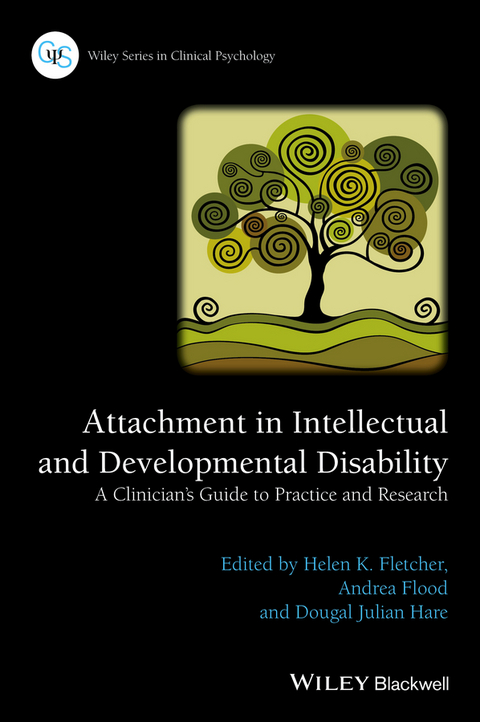
Attachment in Intellectual and Developmental Disability (eBook)
'Skillfully introduced and edited by Helen Fletcher and her colleagues, this long-needed collection of excellent chapters on attachment and disability reveals the vast wellspring of resilience that persons with disability possess - or can be helped to achieve. Readers will discover how best to support a family member, client or friend with a 'disability'. A definitive resource for multiple disciplines, this book is surely required reading for all those working in the health professions aimed at addressing the needs of those with severe physical, mental or emotional impairments.'
Professor Howard Steele, New School for Social Research
'This informative, comprehensive text is unique, and is destined to become an invaluable national and international resource on attachment issues in the field of intellectual and developmental disabilities. Given the breadth and depth of this book, practitioners can use it both as a guide in practice and as a resource for research purposes. Both the editors and contributors are to be congratulated for introducing attachment theory to a wider audience, who will all, I am sure, appreciate the centrality and importance of this theoretical framework to their everyday practice.'
Professor Bob Gates, University of West London
This title in The Wiley Series in Clinical Psychology is the first to explore the role of attachment theory in understanding and helping children and adults with intellectual and developmental disabilities (IDD). There is a growing evidence base of interventions for IDD underpinned by attachment theory, including direct intervention and the application of attachment theory to understand the interactions and relationships that occur between individuals with IDD and those who support them.
Attachment in Intellectual and Developmental Disability brings together leading clinicians and researchers to present and integrate cutting-edge models and approaches that have previously been accessible only to specialists. They discuss the role of attachment theory in clinical practice when working across the lifespan of people with IDD, the theoretical basis of attachment difficulties, and how these difficulties are presented. They also discuss practical approaches to assessment and intervention, using clear case studies to illustrate the applications of attachment theory to clinical work.
Helen K. Fletcher is a Chartered Clinical Psychologist within Southern Health NHS Trust and a Visiting Tutor for the Oxford Institute of Clinical Psychology Training. She has over 12 years of experience working with children and adults with IDD in Community, Inpatient and Specialist Teams. Helen has carried out research in the area of Attachment and ID and has presented on the topic at conferences.
Andrea Flood is a Chartered Clinical Psychologist, who has worked with children and adults with intellectual disabilities and /or autism spectrum disorder since qualifying in 2004. She currently works as a Clinical Teacher on the Doctorate in Clinical Psychology Programme at Liverpool University. Andrea is a co-author of the Manchester Attachment Scale - 3rd party observational measure (MAST).
Dougal Julian Hare is Reader in Clinical Psychology at Cardiff University, and Research Director for the South Wales clinical psychology training programme. He has practised as a Chartered Clinical Psychologist working with people with IDD for nearly 20 years and has been an author on over 80 peer-reviewed articles and chapters in the fields of ID, neuropsychology and personal construct psychology.
Attachment in Intellectual and Developmental Disability Skillfully introduced and edited by Helen Fletcher and her colleagues, this long-needed collection of excellent chapters on attachment and disability reveals the vast wellspring of resilience that persons with disability possess or can be helped to achieve. Readers will discover how best to support a family member, client or friend with a disability . A definitive resource for multiple disciplines, this book is surely required reading for all those working in the health professions aimed at addressing the needs of those with severe physical, mental or emotional impairments. Professor Howard Steele, New School for Social Research This informative, comprehensive text is unique, and is destined to become an invaluable national and international resource on attachment issues in the field of intellectual and developmental disabilities. Given the breadth and depth of this book, practitioners can use it both as a guide in practice and as a resource for research purposes. Both the editors and contributors are to be congratulated for introducing attachment theory to a wider audience, who will all, I am sure, appreciate the centrality and importance of this theoretical framework to their everyday practice. Professor Bob Gates, University of West London This title in The Wiley Series in Clinical Psychology is the first to explore the role of attachment theory in understanding and helping children and adults with intellectual and developmental disabilities (IDD). There is a growing evidence base of interventions for IDD underpinned by attachment theory, including direct intervention and the application of attachment theory to understand the interactions and relationships that occur between individuals with IDD and those who support them. Attachment in Intellectual and Developmental Disability brings together leading clinicians and researchers to present and integrate cutting-edge models and approaches that have previously been accessible only to specialists. They discuss the role of attachment theory in clinical practice when working across the lifespan of people with IDD, the theoretical basis of attachment difficulties, and how these difficulties are presented. They also discuss practical approaches to assessment and intervention, using clear case studies to illustrate the applications of attachment theory to clinical work.
Helen K. Fletcher is a Chartered Clinical Psychologist within Southern Health NHS Trust and a Visiting Tutor for the Oxford Institute of Clinical Psychology Training. She has over 12 years of experience working with children and adults with IDD in Community, Inpatient and Specialist Teams. Helen has carried out research in the area of Attachment and ID and has presented on the topic at conferences. Andrea Flood is a Chartered Clinical Psychologist, who has worked with children and adults with intellectual disabilities and /or autism spectrum disorder since qualifying in 2004. She currently works as a Clinical Teacher on the Doctorate in Clinical Psychology Programme at Liverpool University. Andrea is a co-author of the Manchester Attachment Scale - 3rd party observational measure (MAST). Dougal Julian Hare is Reader in Clinical Psychology at Cardiff University, and Research Director for the South Wales clinical psychology training programme. He has practised as a Chartered Clinical Psychologist working with people with IDD for nearly 20 years and has been an author on over 80 peer-reviewed articles and chapters in the fields of ID, neuropsychology and personal construct psychology.
TITLE PAGE???????????????????????????????????????????????????????????????????????????????????????????? 5
COPYRIGHT PAGE???????????????????????????????????????????????????????????????????????????????????????????????????????????????????? 6
CONTENTS???????????????????????????????????????????????????????????????????????????????? 7
ABOUT THE CONTRIBUTORS???????????????????????????????????????????????????????????????????????????????????????????????????????????????????????????????????????????????????????????????????? 9
FOREWORD???????????????????????????????????????????????????????????????????????????????? 16
ACKNOWLEDGEMENTS???????????????????????????????????????????????????????????????????????????????????????????????????????????????????????????????? 18
CHAPTER 1 INTRODUCTION???????????????????????????????????????????????????????????????????????????????????????????????????????????????????????????????????????????????????????????????????? 21
AIMS OF THE BOOK???????????????????????????????????????????????????????????????????????????????????????????????????????????????????????????????? 21
CURRENT CONTEXT OF ID SERVICES IN THE UK???????????????????????????????????????????????????????????????????????????????????????????????????????????????????????????????????????????????????????????????????????????????????????????????????????????????????????????????????????????????????????????????????????????????? 23
CONTENT OF THE BOOK?????????????????????????????????????????????????????????????????????????????????????????????????????????????????????????????????????????????????? 24
LANGUAGE AND TERMINOLOGY???????????????????????????????????????????????????????????????????????????????????????????????????????????????????????????????????????????????????????????????????????????????? 26
HOW TO USE THIS BOOK???????????????????????????????????????????????????????????????????????????????????????????????????????????????????????????????????????????????????????? 26
CHAPTER 2 AN OVERVIEW OF ATTACHMENT THEORY: BOWLBY AND BEYOND?????????????????????????????????????????????????????????????????????????????????????????????????????????????????????????????????????????????????????????????????????????????????????????????????????????????????????????????????????????????????????????????????????????????????????????????????????????????????????????????????????????????????????????????????????????????????????????????????????????????? 28
DEVELOPMENT OF ATTACHMENT THEORY???????????????????????????????????????????????????????????????????????????????????????????????????????????????????????????????????????????????????????????????????????????????????????????????????????????????????????????????? 29
BEHAVIOURAL SYSTEMS?????????????????????????????????????????????????????????????????????????????????????????????????????????????????????????????????????????????????? 31
INTERNAL WORKING MODELS?????????????????????????????????????????????????????????????????????????????????????????????????????????????????????????????????????????????????????????????????????????? 32
AINSWORTH’S DEVELOPMENT OF ATTACHMENT CLASSIFICATIONS?????????????????????????????????????????????????????????????????????????????????????????????????????????????????????????????????????????????????????????????????????????????????????????????????????????????????????????????????????????????????????????????????????????????????????????????????????????????????????????????????????????????????????????????? 34
THE DYNAMIC MATURATIONAL MODEL OF ATTACHMENT AND ADAPTATION?????????????????????????????????????????????????????????????????????????????????????????????????????????????????????????????????????????????????????????????????????????????????????????????????????????????????????????????????????????????????????????????????????????????????????????????????????????????????????????????????????????????????????????????????????????????????????????????????? 37
INTERGENERATIONAL ATTACHMENT???????????????????????????????????????????????????????????????????????????????????????????????????????????????????????????????????????????????????????????????????????????????????????????????????????? 38
ATTACHMENT AND CULTURE???????????????????????????????????????????????????????????????????????????????????????????????????????????????????????????????????????????????????????????????????? 38
CRITICISMS OF ATTACHMENT???????????????????????????????????????????????????????????????????????????????????????????????????????????????????????????????????????????????????????????????????????????????? 39
PAST AND PROXIMAL LOSSES???????????????????????????????????????????????????????????????????????????????????????????????????????????????????????????????????????????????????????????????????????????????? 39
DEVELOPMENTS IN NEUROSCIENCE???????????????????????????????????????????????????????????????????????????????????????????????????????????????????????????????????????????????????????????????????????????????????????????????????????? 41
ATTACHMENT-BASED INTERVENTIONS???????????????????????????????????????????????????????????????????????????????????????????????????????????????????????????????????????????????????????????????????????????????????????????????????????????????????? 42
SUMMARY?????????????????????????????????????????????????????????????????????????? 47
ACKNOWLEDGEMENTS???????????????????????????????????????????????????????????????????????????????????????????????????????????????????????????????? 48
REFERENCES???????????????????????????????????????????????????????????????????????????????????????????? 48
CHAPTER 3 ATTACHMENT RELATIONSHIPS BETWEEN PARENTS AND THEIR CHILDREN: THE IMPACT OF ‘THE LOSS OF THE HEALTHY CHILD’???????????????????????????????????????????????????????????????????????????????????????????????????????????????????????????????????????????????????????????????????????????????????????????????????????????????????????????????????????????????????????????????????????????????????????????????????????????????????????????????????????????????????????????????????????????????????????????????????????????????????????????????????????????????????????????????????????????????????????????????????????????????????????????????????????????????????????????????????????????????????????????????????????????????????????????????????????????????????????????????????????????????????????????????????????????????????????????????????????????????????????? 53
BECOMING A PARENT AND ANTENATAL SCREENING?????????????????????????????????????????????????????????????????????????????????????????????????????????????????????????????????????????????????????????????????????????????????????????????????????????????????????????????????????????????????????????????????????????????????????? 54
RECEIVING A DIAGNOSIS?????????????????????????????????????????????????????????????????????????????????????????????????????????????????????????????????????????????????????????????? 55
ATTACHMENT THEORY AND REACTION TO DIAGNOSIS?????????????????????????????????????????????????????????????????????????????????????????????????????????????????????????????????????????????????????????????????????????????????????????????????????????????????????????????????????????????????????????????????????????????????????????????????? 56
MODELS OF FAMILY GRIEVING?????????????????????????????????????????????????????????????????????????????????????????????????????????????????????????????????????????????????????????????????????????????????????? 60
PARENTS’ CAREGIVING ABILITIES?????????????????????????????????????????????????????????????????????????????????????????????????????????????????????????????????????????????????????????????????????????????????????????????????????????????? 62
CONNECTIONS BETWEEN EARLY BEGINNINGS AND LATER CHALLENGES?????????????????????????????????????????????????????????????????????????????????????????????????????????????????????????????????????????????????????????????????????????????????????????????????????????????????????????????????????????????????????????????????????????????????????????????????????????????????????????????????????????????????????????????????????????????????????? 64
FAMILIES WHICH PRESENT WITH ONGOING COMPLAINTS???????????????????????????????????????????????????????????????????????????????????????????????????????????????????????????????????????????????????????????????????????????????????????????????????????????????????????????????????????????????????????????????????????????????????????????????????????????????????? 65
SUMMARY?????????????????????????????????????????????????????????????????????????? 72
RECOMMENDATIONS FOR PRACTICE???????????????????????????????????????????????????????????????????????????????????????????????????????????????????????????????????????????????????????????????????????????????????????????????????????? 73
FINAL THOUGHTS???????????????????????????????????????????????????????????????????????????????????????????????????????????????????? 74
REFERENCES???????????????????????????????????????????????????????????????????????????????????????????? 75
CHAPTER 4 ASSESSING ATTACHMENT RELATIONSHIPS IN PEOPLE WITH INTELLECTUAL DISABILITIES?????????????????????????????????????????????????????????????????????????????????????????????????????????????????????????????????????????????????????????????????????????????????????????????????????????????????????????????????????????????????????????????????????????????????????????????????????????????????????????????????????????????????????????????????????????????????????????????????????????????????????????????????????????????????????????????????????????????????????????????????????????????????????????????????????????????????????????????? 79
INTRODUCTION???????????????????????????????????????????????????????????????????????????????????????????????????????? 79
ASSESSMENT OF ATTACHMENT IN CHILDREN???????????????????????????????????????????????????????????????????????????????????????????????????????????????????????????????????????????????????????????????????????????????????????????????????????????????????????????????????????????????????????? 80
THE DYNAMIC MATURATIONAL MODEL: ASSOCIATED MEASURES?????????????????????????????????????????????????????????????????????????????????????????????????????????????????????????????????????????????????????????????????????????????????????????????????????????????????????????????????????????????????????????????????????????????????????????????????????????????????????????????????????????????????? 81
ASSESSMENT OF ATTACHMENT IN ADULTS???????????????????????????????????????????????????????????????????????????????????????????????????????????????????????????????????????????????????????????????????????????????????????????????????????????????????????????????????????????? 82
CHALLENGES IN THE ASSESSMENT OF ATTACHMENT IN PEOPLE WITH INTELLECTUAL DISABILITIES?????????????????????????????????????????????????????????????????????????????????????????????????????????????????????????????????????????????????????????????????????????????????????????????????????????????????????????????????????????????????????????????????????????????????????????????????????????????????????????????????????????????????????????????????????????????????????????????????????????????????????????????????????????????????????????????????????????????????????????????????????????????????????????????????????????????????? 85
ATTACHMENT MEASURES DEVELOPED FOR PEOPLE WITH INTELLECTUAL DISABILITIES?????????????????????????????????????????????????????????????????????????????????????????????????????????????????????????????????????????????????????????????????????????????????????????????????????????????????????????????????????????????????????????????????????????????????????????????????????????????????????????????????????????????????????????????????????????????????????????????????????????????????????????????????????????????????????????????????????????? 86
STRENGTHS AND LIMITATIONS OF AVAILABLE MEASURES?????????????????????????????????????????????????????????????????????????????????????????????????????????????????????????????????????????????????????????????????????????????????????????????????????????????????????????????????????????????????????????????????????????????????????????????????????????????????????????? 90
AN ATTACHMENT TOOLKIT?????????????????????????????????????????????????????????????????????????????????????????????????????????????????????????????????????????????????????????????? 92
CONCLUSIONS?????????????????????????????????????????????????????????????????????????????????????????????????? 95
REFERENCES???????????????????????????????????????????????????????????????????????????????????????????? 96
CHAPTER 5 AUTISM SPECTRUM DISORDER AND ATTACHMENT: A CLINICIAN’S PERSPECTIVE???????????????????????????????????????????????????????????????????????????????????????????????????????????????????????????????????????????????????????????????????????????????????????????????????????????????????????????????????????????????????????????????????????????????????????????????????????????????????????????????????????????????????????????????????????????????????????????????????????????????????????????????????????????????????????????????????????????????????????????????????????? 99
INTRODUCTION???????????????????????????????????????????????????????????????????????????????????????????????????????? 99
THE IMPORTANCE OF ATTACHMENT IN PSYCHOLOGICAL WELLBEING?????????????????????????????????????????????????????????????????????????????????????????????????????????????????????????????????????????????????????????????????????????????????????????????????????????????????????????????????????????????????????????????????????????????????????????????????????????????????????????????????????????????????????????????????????????? 100
EARLY SOCIAL DEVELOPMENT AND AUTISM SPECTRUM DISORDER?????????????????????????????????????????????????????????????????????????????????????????????????????????????????????????????????????????????????????????????????????????????????????????????????????????????????????????????????????????????????????????????????????????????????????????????????????????????????????????????????????????????????????????????? 101
ATTACHMENT AS A PSYCHOLOGICAL CONSTRUCT IN ASD???????????????????????????????????????????????????????????????????????????????????????????????????????????????????????????????????????????????????????????????????????????????????????????????????????????????????????????????????????????????????????????????????????????????????????????????????????????????????? 102
ASSESSMENT OF ATTACHMENT IN CHILDREN AND ADULTS KNOWN TO HAVE ASD?????????????????????????????????????????????????????????????????????????????????????????????????????????????????????????????????????????????????????????????????????????????????????????????????????????????????????????????????????????????????????????????????????????????????????????????????????????????????????????????????????????????????????????????????????????????????????????????????????????????????????????????????????? 104
ASD AND ATTACHMENT IN CLINICAL PRACTICE?????????????????????????????????????????????????????????????????????????????????????????????????????????????????????????????????????????????????????????????????????????????????????????????????????????????????????????????????????????????????????????????????????????? 106
CLINICAL INTERVIEW???????????????????????????????????????????????????????????????????????????????????????????????????????????????????????????????????????????? 106
CLINICAL OBSERVATION AND ASSESSMENT OF CURRENT PRESENTATION?????????????????????????????????????????????????????????????????????????????????????????????????????????????????????????????????????????????????????????????????????????????????????????????????????????????????????????????????????????????????????????????????????????????????????????????????????????????????????????????????????????????????????????????????????????????????????????????????? 107
WORKING WITH YOUNG PEOPLE AS THEY TRANSITION TO ADULTHOOD?????????????????????????????????????????????????????????????????????????????????????????????????????????????????????????????????????????????????????????????????????????????????????????????????????????????????????????????????????????????????????????????????????????????????????????????????????????????????????????????????????????????????????????????????????????????????????? 109
EARLY ATTACHMENT-RELATED TRAUMA AND LOSS: WORKING WITH STAFF TEAMS???????????????????????????????????????????????????????????????????????????????????????????????????????????????????????????????????????????????????????????????????????????????????????????????????????????????????????????????????????????????????????????????????????????????????????????????????????????????????????????????????????????????????????????????????????????????????????????????????????????????????????????????????????????? 110
SUMMARY OF CLINICAL RECOMMENDATIONS?????????????????????????????????????????????????????????????????????????????????????????????????????????????????????????????????????????????????????????????????????????????????????????????????????????????????????????????????????????????????? 117
CONCLUSION???????????????????????????????????????????????????????????????????????????????????????????? 117
REFERENCES???????????????????????????????????????????????????????????????????????????????????????????? 118
CHAPTER 6 MAINTAINING THE BOND: WORKING WITH PEOPLE WHO ARE DESCRIBED AS SHOWING CHALLENGING BEHAVIOUR USING A FRAMEWORK BASED ON ATTACHMENT THEORY?????????????????????????????????????????????????????????????????????????????????????????????????????????????????????????????????????????????????????????????????????????????????????????????????????????????????????????????????????????????????????????????????????????????????????????????????????????????????????????????????????????????????????????????????????????????????????????????????????????????????????????????????????????????????????????????????????????????????????????????????????????????????????????????????????????????????????????????????????????????????????????????????????????????????????????????????????????????????????????????????????????????????????????????????????????????????????????????????????????????????????????????????????????????????????????????????????????????????????????????????????????????????????????????????????????????????????????????????????????????????????????????????????????????????? 124
IMPORTANT CONSIDERATIONS IN CASES OF CHALLENGING BEHAVIOUR???????????????????????????????????????????????????????????????????????????????????????????????????????????????????????????????????????????????????????????????????????????????????????????????????????????????????????????????????????????????????????????????????????????????????????????????????????????????????????????????????????????????????????????????????????????????????????????? 128
‘REALITY ORIENTATION’ OR ACKNOWLEDGEMENT OF THE PERSON’S LEVEL OF EMOTIONAL AND COGNITIVE DEVELOPMENT?????????????????????????????????????????????????????????????????????????????????????????????????????????????????????????????????????????????????????????????????????????????????????????????????????????????????????????????????????????????????????????????????????????????????????????????????????????????????????????????????????????????????????????????????????????????????????????????????????????????????????????????????????????????????????????????????????????????????????????????????????????????????????????????????????????????????????????????????????????????????????????????????????????????????????????????????????????????????????????????? 128
BRINGING HISTORY INTO MIND???????????????????????????????????????????????????????????????????????????????????????????????????????????????????????????????????????????????????????????????????????????????????????????? 129
REALISTIC ‘DEPENDENCY’???????????????????????????????????????????????????????????????????????????????????????????????????????????????????????????????????????????????????????????????????? 131
MOVING PAST CONDITIONING MODELS?????????????????????????????????????????????????????????????????????????????????????????????????????????????????????????????????????????????????????????????????????????????????????????????????????????????????????????? 131
CHANGING THE LANGUAGE OF CONTROL TO ONE OF UNDERSTANDING???????????????????????????????????????????????????????????????????????????????????????????????????????????????????????????????????????????????????????????????????????????????????????????????????????????????????????????????????????????????????????????????????????????????????????????????????????????????????????????????????????????????????????????????????????????????? 132
A MODEL FOR WORKING WITHIN AN ATTACHMENT THEORY FRAMEWORK?????????????????????????????????????????????????????????????????????????????????????????????????????????????????????????????????????????????????????????????????????????????????????????????????????????????????????????????????????????????????????????????????????????????????????????????????????????????????????????????????????????????????????????????????????????????????????? 132
ASSESSMENT: BEHAVIOUR, SECURITY–INSECURITY AND EMOTIONS?????????????????????????????????????????????????????????????????????????????????????????????????????????????????????????????????????????????????????????????????????????????????????????????????????????????????????????????????????????????????????????????????????????????????????????????????????????????????????????????????????????????????????????????????????????? 132
DEVELOPING A JOINT HYPOTHESIS ABOUT THE DOMINANT PATTERN OF BEHAVIOUR?????????????????????????????????????????????????????????????????????????????????????????????????????????????????????????????????????????????????????????????????????????????????????????????????????????????????????????????????????????????????????????????????????????????????????????????????????????????????????????????????????????????????????????????????????????????????????????????????????????????????????????????????????????????????????????????? 133
UNDERSTANDING EMOTIONS AND RESISTING ‘EJECTION’?????????????????????????????????????????????????????????????????????????????????????????????????????????????????????????????????????????????????????????????????????????????????????????????????????????????????????????????????????????????????????????????????????????????????????????????????????????????????????????? 136
EMOTIONAL ‘HOLDING’: CONTAINMENT???????????????????????????????????????????????????????????????????????????????????????????????????????????????????????????????????????????????????????????????????????????????????????????????????????????????????????????????? 137
STAFF WORKSHOPS?????????????????????????????????????????????????????????????????????????????????????????????????????????????????????????? 138
RETAINING EMPATHY?????????????????????????????????????????????????????????????????????????????????????????????????????????????????????????????????????? 143
ONGOING COMMITMENT: GETTING THE RIGHT SUPPORT AND PROTECTING TIME FOR REFLECTION???????????????????????????????????????????????????????????????????????????????????????????????????????????????????????????????????????????????????????????????????????????????????????????????????????????????????????????????????????????????????????????????????????????????????????????????????????????????????????????????????????????????????????????????????????????????????????????????????????????????????????????????????????????????????????????????????????????????????????????????????????????????????????????????? 144
REFERENCES???????????????????????????????????????????????????????????????????????????????????????????? 147
CHAPTER 7 PSYCHOTHERAPY AND ATTACHMENT DYNAMICS IN PEOPLE WITH INTELLECTUAL DISABILITIES: A PERSONAL VIEW?????????????????????????????????????????????????????????????????????????????????????????????????????????????????????????????????????????????????????????????????????????????????????????????????????????????????????????????????????????????????????????????????????????????????????????????????????????????????????????????????????????????????????????????????????????????????????????????????????????????????????????????????????????????????????????????????????????????????????????????????????????????????????????????????????????????????????????????????????????????????????????????????????????????????????????????????????????????????????????????????????????????????????? 150
INTRODUCTION???????????????????????????????????????????????????????????????????????????????????????????????????????? 150
THE RANGE OF APPROACHES?????????????????????????????????????????????????????????????????????????????????????????????????????????????????????????????????????????????????????????????????????????? 152
INDIVIDUAL THERAPY FOR PEOPLE WITH MORE SEVERE DISABILITIES?????????????????????????????????????????????????????????????????????????????????????????????????????????????????????????????????????????????????????????????????????????????????????????????????????????????????????????????????????????????????????????????????????????????????????????????????????????????????????????????????????????????????????????????????????????????????????????????????? 152
FEATURES OF THE THERAPY?????????????????????????????????????????????????????????????????????????????????????????????????????????????????????????????????????????????????????????????????????????? 154
EXAMPLES OF ISSUES AND HOW THEY ARE WORKED WITH?????????????????????????????????????????????????????????????????????????????????????????????????????????????????????????????????????????????????????????????????????????????????????????????????????????????????????????????????????????????????????????????????????????????????????????????????????????????????????????? 156
TRAUMA-INFORMED CARE – THE NECESSARY ELEMENTS?????????????????????????????????????????????????????????????????????????????????????????????????????????????????????????????????????????????????????????????????????????????????????????????????????????????????????????????????????????????????????????????????????????????????????????????????????????????? 158
ASSESSMENT FOR ATTACHMENT-BASED PSYCHOTHERAPY?????????????????????????????????????????????????????????????????????????????????????????????????????????????????????????????????????????????????????????????????????????????????????????????????????????????????????????????????????????????????????????????????????????????????????????????????????????????? 159
OBJECT RELATIONS TECHNIQUE???????????????????????????????????????????????????????????????????????????????????????????????????????????????????????????????????????????????????????????????????????????????????????????? 160
THE HOUSE, TREE, PERSON TEST???????????????????????????????????????????????????????????????????????????????????????????????????????????????????????????????????????????????????????????????????????????????????????????????????????? 161
OBSERVATION AND MEASUREMENT OF EARLY EMOTIONAL DEVELOPMENT WITHIN THE CONTEXT OF THE PRIMARY ATTACHMENT FIGURE???????????????????????????????????????????????????????????????????????????????????????????????????????????????????????????????????????????????????????????????????????????????????????????????????????????????????????????????????????????????????????????????????????????????????????????????????????????????????????????????????????????????????????????????????????????????????????????????????????????????????????????????????????????????????????????????????????????????????????????????????????????????????????????????????????????????????????????????????????????????????????????????????????????????????????????????????????????????????????????????????????????????????????????????????????????????????? 162
USING THE ASSESSMENT DATA?????????????????????????????????????????????????????????????????????????????????????????????????????????????????????????????????????????????????????????????????????????????????????? 164
KEY FACTORS IN INTERVENTIONS FOR PEOPLE WITH MORE SEVERE INTELLECTUAL DISABILITIES???????????????????????????????????????????????????????????????????????????????????????????????????????????????????????????????????????????????????????????????????????????????????????????????????????????????????????????????????????????????????????????????????????????????????????????????????????????????????????????????????????????????????????????????????????????????????????????????????????????????????????????????????????????????????????????????????????????????????????????????????????????????????????????????????????????? 164
WAYS OF WORKING: STAGES OF EMOTIONAL DEVELOPMENT???????????????????????????????????????????????????????????????????????????????????????????????????????????????????????????????????????????????????????????????????????????????????????????????????????????????????????????????????????????????????????????????????????????????????????????????????????????????????????????????? 166
CONCLUSION???????????????????????????????????????????????????????????????????????????????????????????? 168
REFERENCES???????????????????????????????????????????????????????????????????????????????????????????? 169
CHAPTER 8 ADULT ATTACHMENT AND CARE STAFF FUNCTIONING?????????????????????????????????????????????????????????????????????????????????????????????????????????????????????????????????????????????????????????????????????????????????????????????????????????????????????????????????????????????????????????????????????????????????????????????????????????????????????????????????????????????????????????????? 171
THE ATTACHMENT THEORETICAL PERSPECTIVE???????????????????????????????????????????????????????????????????????????????????????????????????????????????????????????????????????????????????????????????????????????????????????????????????????????????????????????????????????????????????????????????????? 173
ADULT ATTACHMENT AND PROFESSIONAL CARE???????????????????????????????????????????????????????????????????????????????????????????????????????????????????????????????????????????????????????????????????????????????????????????????????????????????????????????????????????????????????????????????????? 176
ADULT ATTACHMENT AND STAFF MANAGEMENT?????????????????????????????????????????????????????????????????????????????????????????????????????????????????????????????????????????????????????????????????????????????????????????????????????????????????????????????????????????????????????????????? 180
ADULT ATTACHMENT AND PROFESSIONAL RISK AND RESILIENCE?????????????????????????????????????????????????????????????????????????????????????????????????????????????????????????????????????????????????????????????????????????????????????????????????????????????????????????????????????????????????????????????????????????????????????????????????????????????????????????????????????????????????????????????? 184
MENTAL HEALTH?????????????????????????????????????????????????????????????????????????????????????????????????????????????? 184
SUPPORT SEEKING?????????????????????????????????????????????????????????????????????????????????????????????????????????????????????????? 185
MINDSET?????????????????????????????????????????????????????????????????????????? 185
CONCLUSIONS?????????????????????????????????????????????????????????????????????????????????????????????????? 187
REFERENCES???????????????????????????????????????????????????????????????????????????????????????????? 187
CHAPTER 9 HAVE A HEART: HELPING SERVICES TO PROVIDE EMOTIONALLY AWARE SUPPORT?????????????????????????????????????????????????????????????????????????????????????????????????????????????????????????????????????????????????????????????????????????????????????????????????????????????????????????????????????????????????????????????????????????????????????????????????????????????????????????????????????????????????????????????????????????????????????????????????????????????????????????????????????????????????????????????????????????????????????????????????????????????? 192
SETTING THE SCENE?????????????????????????????????????????????????????????????????????????????????????????????????????????????????????????????????????? 192
IMPLICATIONS FOR LATER LIFE?????????????????????????????????????????????????????????????????????????????????????????????????????????????????????????????????????????????????????????????????????????????????????????????????? 194
INCREASING EMOTIONAL SECURITY AND DEVELOPMENT THROUGH STAFF SUPPORT?????????????????????????????????????????????????????????????????????????????????????????????????????????????????????????????????????????????????????????????????????????????????????????????????????????????????????????????????????????????????????????????????????????????????????????????????????????????????????????????????????????????????????????????????????????????????????????????????????????????????????????????????????????????????? 194
PROVIDING ‘GOOD ENOUGH’ CARE???????????????????????????????????????????????????????????????????????????????????????????????????????????????????????????????????????????????????????????????????????????????????????????????????????? 195
NURTURING AND ATTUNED CARE???????????????????????????????????????????????????????????????????????????????????????????????????????????????????????????????????????????????????????????????????????????????????????????? 196
BOUNDARIES???????????????????????????????????????????????????????????????????????????????????????????? 197
SHARING IDEAS AND FORMULATIONS WITH STAFF TEAMS?????????????????????????????????????????????????????????????????????????????????????????????????????????????????????????????????????????????????????????????????????????????????????????????????????????????????????????????????????????????????????????????????????????????????????????????????????????????????????????? 200
WORKING THROUGH THERAPY?????????????????????????????????????????????????????????????????????????????????????????????????????????????????????????????????????????????????????????????????????????? 202
ESTABLISHING A THERAPEUTIC SAFE BASE???????????????????????????????????????????????????????????????????????????????????????????????????????????????????????????????????????????????????????????????????????????????????????????????????????????????????????????????????????????????????????? 204
STARTING THE WORK AND INFORMED CONSENT???????????????????????????????????????????????????????????????????????????????????????????????????????????????????????????????????????????????????????????????????????????????????????????????????????????????????????????????????????????????????????????????????? 205
UNDERSTANDING MEANINGS???????????????????????????????????????????????????????????????????????????????????????????????????????????????????????????????????????????????????????????????????? 206
EMOTIONAL REGULATION???????????????????????????????????????????????????????????????????????????????????????????????????????????????????????????????????????????????????????? 207
THERAPEUTIC RUPTURES AND ENDINGS???????????????????????????????????????????????????????????????????????????????????????????????????????????????????????????????????????????????????????????????????????????????????????????????????????????????????????????????? 208
SAFE EMOTIONAL WORKING???????????????????????????????????????????????????????????????????????????????????????????????????????????????????????????????????????????????????????????????????? 212
HELPING SERVICE SYSTEMS TO UNDERSTAND THE WORK???????????????????????????????????????????????????????????????????????????????????????????????????????????????????????????????????????????????????????????????????????????????????????????????????????????????????????????????????????????????????????????????????????????????????????????????????????????????????? 213
CONCLUSION???????????????????????????????????????????????????????????????????????????????????????????? 214
REFERENCES???????????????????????????????????????????????????????????????????????????????????????????? 215
CHAPTER 10 ATTACHMENT TRAUMA AND PATHOLOGICAL MOURNING IN ADULTS WITH INTELLECTUAL DISABILITIES?????????????????????????????????????????????????????????????????????????????????????????????????????????????????????????????????????????????????????????????????????????????????????????????????????????????????????????????????????????????????????????????????????????????????????????????????????????????????????????????????????????????????????????????????????????????????????????????????????????????????????????????????????????????????????????????????????????????????????????????????????????????????????????????????????????????????????????????????????????????????????????????????????????????????????????? 217
WHAT IS ATTACHMENT TRAUMA????????????????????????????????????????????????????????????????????????????????????????????????????????????????????????????????????????????????????????????????????????????????????????????? 218
ATTACHMENT TRAUMA AND INTELLECTUAL DISABILITIES?????????????????????????????????????????????????????????????????????????????????????????????????????????????????????????????????????????????????????????????????????????????????????????????????????????????????????????????????????????????????????????????????????????????????????????????????????????????????????????? 221
USING THE ADULT ATTACHMENT PROJECTIVE PICTURE SYSTEM TO ASSESS PATHOLOGICAL MOURNING???????????????????????????????????????????????????????????????????????????????????????????????????????????????????????????????????????????????????????????????????????????????????????????????????????????????????????????????????????????????????????????????????????????????????????????????????????????????????????????????????????????????????????????????????????????????????????????????????????????????????????????????????????????????????????????????????????????????????????????????????????????????????????????????????????????????????????? 223
THE CURRENT STUDY: ATTACHMENT TRAUMA AND PATHOLOGICAL MOURNING IN ADULTS WITH INTELLECTUAL DISABILITIES?????????????????????????????????????????????????????????????????????????????????????????????????????????????????????????????????????????????????????????????????????????????????????????????????????????????????????????????????????????????????????????????????????????????????????????????????????????????????????????????????????????????????????????????????????????????????????????????????????????????????????????????????????????????????????????????????????????????????????????????????????????????????????????????????????????????????????????????????????????????????????????????????????????????????????????????????????????????????????????????????????????? 227
CONCLUSIONS?????????????????????????????????????????????????????????????????????????????????????????????????? 235
IMPLICATIONS FOR RESEARCH AND PRACTICE???????????????????????????????????????????????????????????????????????????????????????????????????????????????????????????????????????????????????????????????????????????????????????????????????????????????????????????????????????????????????????????????????? 236
RECOMMENDATIONS FOR CLINICAL PRACTICE?????????????????????????????????????????????????????????????????????????????????????????????????????????????????????????????????????????????????????????????????????????????????????????????????????????????????????????????????????????????????????????????? 237
NOTES?????????????????????????????????????????????????????????????? 238
REFERENCES???????????????????????????????????????????????????????????????????????????????????????????? 238
CHAPTER 11 ATTACHMENT, PERSONALITY DISORDER AND OFFENDING: CLINICAL IMPLICATIONS???????????????????????????????????????????????????????????????????????????????????????????????????????????????????????????????????????????????????????????????????????????????????????????????????????????????????????????????????????????????????????????????????????????????????????????????????????????????????????????????????????????????????????????????????????????????????????????????????????????????????????????????????????????????????????????????????????????????????????????????????????????????????????????????? 243
ATTACHMENT AND PERSONALITY DISORDER?????????????????????????????????????????????????????????????????????????????????????????????????????????????????????????????????????????????????????????????????????????????????????????????????????????????????????????????????????????????????? 245
ATTACHMENT AND BORDERLINE PERSONALITY DISORDER???????????????????????????????????????????????????????????????????????????????????????????????????????????????????????????????????????????????????????????????????????????????????????????????????????????????????????????????????????????????????????????????????????????????????????????????????????????????????? 247
ATTACHMENT AND ANTISOCIAL PERSONALITY DISORDER???????????????????????????????????????????????????????????????????????????????????????????????????????????????????????????????????????????????????????????????????????????????????????????????????????????????????????????????????????????????????????????????????????????????????????????????????????????????????? 248
ATTACHMENT AND EMOTIONAL REGULATION?????????????????????????????????????????????????????????????????????????????????????????????????????????????????????????????????????????????????????????????????????????????????????????????????????????????????????????????????????????????????? 249
DEVELOPMENTAL ADVERSITY LEADING TO ATTACHMENT PROBLEMS FOR PEOPLE WITH IDD???????????????????????????????????????????????????????????????????????????????????????????????????????????????????????????????????????????????????????????????????????????????????????????????????????????????????????????????????????????????????????????????????????????????????????????????????????????????????????????????????????????????????????????????????????????????????????????????????????????????????????????????????????????????????????????????????????????????????????????? 250
MEASUREMENT OF ATTACHMENT IN PEOPLE WITH IDD???????????????????????????????????????????????????????????????????????????????????????????????????????????????????????????????????????????????????????????????????????????????????????????????????????????????????????????????????????????????????????????????????????????????????????????????????????? 252
ATTACHMENT AND EMOTION FOR PEOPLE WITH IDD???????????????????????????????????????????????????????????????????????????????????????????????????????????????????????????????????????????????????????????????????????????????????????????????????????????????????????????????????????????????????????????????????????????????????????????? 253
PERSONALITY DISORDER, EMOTION AND ATTACHMENT IN PEOPLE WITH IDD?????????????????????????????????????????????????????????????????????????????????????????????????????????????????????????????????????????????????????????????????????????????????????????????????????????????????????????????????????????????????????????????????????????????????????????????????????????????????????????????????????????????????????????????????????????????????????????????????????????????????????????? 255
CLINICAL IMPLICATIONS?????????????????????????????????????????????????????????????????????????????????????????????????????????????????????????????????????????????????????????????? 257
CONCLUSION???????????????????????????????????????????????????????????????????????????????????????????? 259
REFERENCES???????????????????????????????????????????????????????????????????????????????????????????? 260
CHAPTER 12 GETTING INTIMATE: USING ATTACHMENT THEORY TO UNDERSTAND INTIMATE RELATIONSHIPS IN OUR WORK WITH PEOPLE WITH INTELLECTUAL DISABILITIES???????????????????????????????????????????????????????????????????????????????????????????????????????????????????????????????????????????????????????????????????????????????????????????????????????????????????????????????????????????????????????????????????????????????????????????????????????????????????????????????????????????????????????????????????????????????????????????????????????????????????????????????????????????????????????????????????????????????????????????????????????????????????????????????????????????????????????????????????????????????????????????????????????????????????????????????????????????????????????????????????????????????????????????????????????????????????????????????????????????????????????????????????????????????????????????????????????????????????????????????????????????????????????????????????????????????????????????????????????????????????????????????? 264
INTRODUCTION???????????????????????????????????????????????????????????????????????????????????????????????????????? 264
DEVELOPMENT OF INTIMATE RELATIONSHIPS?????????????????????????????????????????????????????????????????????????????????????????????????????????????????????????????????????????????????????????????????????????????????????????????????????????????????????????????????????????????????????????????? 265
ATTACHMENT AND ROMANTIC RELATIONSHIPS?????????????????????????????????????????????????????????????????????????????????????????????????????????????????????????????????????????????????????????????????????????????????????????????????????????????????????????????????????????????????????????????? 268
ATTACHMENT AND CAREGIVING WITHIN ROMANTIC RELATIONSHIPS?????????????????????????????????????????????????????????????????????????????????????????????????????????????????????????????????????????????????????????????????????????????????????????????????????????????????????????????????????????????????????????????????????????????????????????????????????????????????????????????????????????????????????????????????????????? 271
ATTACHMENT AND SEXUALITY???????????????????????????????????????????????????????????????????????????????????????????????????????????????????????????????????????????????????????????????????????????????? 273
ATTACHMENT AND THE PARENTING RELATIONSHIP?????????????????????????????????????????????????????????????????????????????????????????????????????????????????????????????????????????????????????????????????????????????????????????????????????????????????????????????????????????????????????????????????????????????????????? 277
CONCLUSION???????????????????????????????????????????????????????????????????????????????????????????? 281
REFERENCES???????????????????????????????????????????????????????????????????????????????????????????? 282
INDEX?????????????????????????????????????????????????????????????? 286
EULA???????????????????????????????????????????????????????? 296
| Erscheint lt. Verlag | 9.3.2016 |
|---|---|
| Reihe/Serie | Wiley Series in Clinical Psychology |
| Wiley Series in Clinical Psychology | Wiley Series in Clinical Psychology |
| Sprache | englisch |
| Themenwelt | Geisteswissenschaften ► Psychologie ► Klinische Psychologie |
| Medizin / Pharmazie ► Gesundheitsfachberufe | |
| Schlagworte | Bildungswesen • Clinical psychology • Education • Klinische Psychologie • Learning Disabilities • Lernstörungen, Lernschwächen • Lernstörungen, Lernschwächen • Psychologie • Psychology • Psychotherapie • Psychotherapie u. Beratung • Psychotherapy & Counseling |
| ISBN-10 | 1-118-93805-4 / 1118938054 |
| ISBN-13 | 978-1-118-93805-8 / 9781118938058 |
| Informationen gemäß Produktsicherheitsverordnung (GPSR) | |
| Haben Sie eine Frage zum Produkt? |
 PDF (Adobe DRM)
Kopierschutz: Adobe-DRM
Adobe-DRM ist ein Kopierschutz, der das eBook vor Mißbrauch schützen soll. Dabei wird das eBook bereits beim Download auf Ihre persönliche Adobe-ID autorisiert. Lesen können Sie das eBook dann nur auf den Geräten, welche ebenfalls auf Ihre Adobe-ID registriert sind.
Details zum Adobe-DRM
Dateiformat: PDF (Portable Document Format)
Mit einem festen Seitenlayout eignet sich die PDF besonders für Fachbücher mit Spalten, Tabellen und Abbildungen. Eine PDF kann auf fast allen Geräten angezeigt werden, ist aber für kleine Displays (Smartphone, eReader) nur eingeschränkt geeignet.
Systemvoraussetzungen:
PC/Mac: Mit einem PC oder Mac können Sie dieses eBook lesen. Sie benötigen eine
eReader: Dieses eBook kann mit (fast) allen eBook-Readern gelesen werden. Mit dem amazon-Kindle ist es aber nicht kompatibel.
Smartphone/Tablet: Egal ob Apple oder Android, dieses eBook können Sie lesen. Sie benötigen eine
Geräteliste und zusätzliche Hinweise
Buying eBooks from abroad
For tax law reasons we can sell eBooks just within Germany and Switzerland. Regrettably we cannot fulfill eBook-orders from other countries.
aus dem Bereich