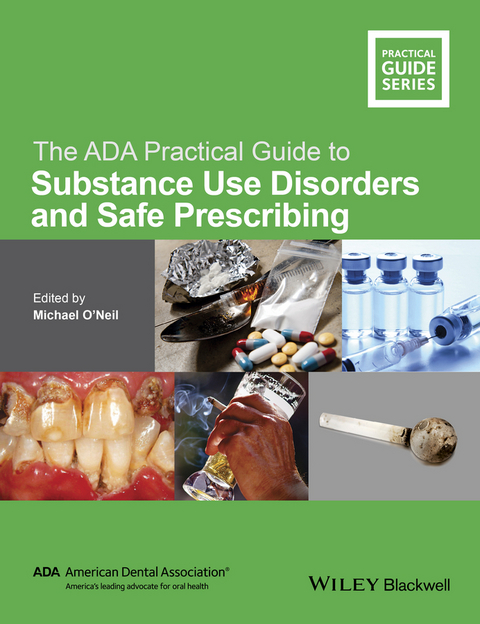
The ADA Practical Guide to Substance Use Disorders and Safe Prescribing (eBook)
240 Seiten
Wiley-Blackwell (Verlag)
978-1-118-92527-0 (ISBN)
Dentists have been inundated by patients with an array of complicated medical conditions and pain/sedation management issues. This is in addition to a variety of legal regulations dentists must follow regarding the storage and recordkeeping of controlled substances. Avoid unknowingly putting your practice at risk by becoming victim to a scam or violating a recordkeeping requirement with The ADA Practical Guide to Substance Use Disorders and Safe Prescribing.
This Practical Guide is ideal for dentists and staff as they navigate:
• Detecting and deterring substance use disorders (SUD) and drug diversion in the dental office (drug-seeking patients)
• Prescribing complexities
• Treating patients with SUD and complex analgesic and sedation (pain/sedation management) needs and the best use of sedation anxiety medication
• Interviewing and counselling options for SUD
• Federal drug regulations
Commonly used illicit, prescription, and over-the-counter drugs, as well as alcohol and tobacco, are also covered.
Special features include:
• Clinical tools proven to aid in the identification, interviewing, intervention, referral and treatment of SUD
• Basic elements of SUD, acute pain/sedation management, and drug diversion
• Summary of evidence-based literature that supports what, when and how to prescribe controlled substances to patients with SUD
• Discussion of key federal controlled substance regulations that frequently impact dental practitioners
• Checklists to help prevent drug diversion in dental practices
• Chapter on impaired dental professionals
• Case studies that examine safe prescribing and due diligence
Michael O'Neil, Pharm.D., is Professor and Vice Chair of the Department of Pharmacy Practice at South College School of Pharmacy in Knoxville, Tennessee. Dr. O'Neil has more than 25 years' experience as a critical care and pain specialist and has taught pharmacy students, pharmacy residents, nursing students, surgery/medical students, and medical residents in the classroom and at the bedside. He has completed research and published in several leading health professional journals including pharmacy, dentistry, and nursing. Dr. O'Neil has also served as a consultant and expert on prescription drug abuse, substance abuse, and drug diversion for the U.S. Drug Enforcement Agency, the Bureau of Criminal Investigation, the U.S. Attorney's Office, the West Virginia Board of Dental Examiners, the American Association of Dental Boards, and several law enforcement agencies. Dr. O'Neil developed the West Virginia Pharmacists Recovery Network where he served as Executive Director and head investigator. Dr. O'Neil helped initiate other professional recovery networks in medicine, dentistry and nursing.
Michael O'Neil, Pharm.D., is Professor and Vice Chair of the Department of Pharmacy Practice at South College School of Pharmacy in Knoxville, Tennessee. Dr. O'Neil has more than 25 years' experience as a critical care and pain specialist and has taught pharmacy students, pharmacy residents, nursing students, surgery/medical students, and medical residents in the classroom and at the bedside. He has completed research and published in several leading health professional journals including pharmacy, dentistry, and nursing. Dr. O'Neil has also served as a consultant and expert on prescription drug abuse, substance abuse, and drug diversion for the U.S. Drug Enforcement Agency, the Bureau of Criminal Investigation, the U.S. Attorney's Office, the West Virginia Board of Dental Examiners, the American Association of Dental Boards, and several law enforcement agencies. Dr. O'Neil developed the West Virginia Pharmacists Recovery Network where he served as Executive Director and head investigator. Dr. O'Neil helped initiate other professional recovery networks in medicine, dentistry and nursing.
Contributors xxx
Preface xxx
Acknowledgements xxx
1. Substance Use Disorders, Drug Diversion and Pain Management- The Scope of the Problem
Michael O'Neil
1. Introduction
2. Definitions
3. Overview: SUD, Drug Misuse, Drug diversion and Pain Management
a. SUD
b. Medication Misuse
c. Alcoholism
d. Drug Diversion
e. Pain Management in Dentistry
4. Understanding the Cultures of SUD, Drug Misuse and Drug Diversion
a. Sharing Culture
b. Income Driven Culture
c. Substance Abuse Culture
d. Addiction Culture
e. Combination of Cultures
5. Summary
2. Understanding the Disease of Substance Use Disorder
Carl Rollynn Sullivan and James Berry
1. Introduction
2. Definitions
3. Epidemiology: Drug / Alcohol
4. Pathophysiology
5. Signs /Symptoms/ Behavior
a. alcohol
b. benzodiazepines
c. opioids
d. stimulants
e. cannabis
f. nicotine
g. hallucinogens, designer drugs, inhalants
6. Treatment methods
a. Behavior modification and counseling
1. Motivational Interviewing
2. CBT
3. Contingency Management
4. AA / 12 steps
b. Pharmacological management
(Agents, pharmacology, pharmacokinetics, dosing, adverse effects, contraindications, drug selection, goals, duration of treatment, monitoring, outcome documentation)
7. Summary
3. Principles of Pain Management in Dentistry
Paul Moore and Elliot Hersh
1. Introduction
2. Definitions
3. Neurophysiology and Neuroanatomy of Acute Inflammatory Pain
4. Agents, pharmacology, pharmacokinetics, dosing, adverse effects, contraindications, Drug selection, duration of treatment, monitoring, documentation
a. nonopioid
b. opioid
5. Medication Assisted Therapies for Drug Dependence
6. Adjunctive Drugs
7. Preemptive Analgesics
8. Corticosteroids
9. Guidelines to Analgesic Therapy
10. Summary
5. Special populations (renal insufficiency, coagulopathies, etc.)
6. Safe prescribing considerations
7. Summary
4. Special Pain Management Considerations
Michael O'Neil
1. Introduction
2. Definitions
3. Interviewing the Patient: Establishing Goals of Treatment
4. Pharmacological Treatment of Opioid Addiction / Acute Pain
a. methadone
b. buprenorphine
c. naltrexone
5. Acute pain management patients with chronic nonmalignant pain
6. Summary
5. Sedation and Anxiolysis
Matthew Cooke
1. Introduction
2. Definitions
3. Spectrum of Anesthesia and Sedation
4. Preoperative evaluation
5. Physical Status Classification
6. Sedation
7. Medications in Patients with SUD
a. nitrous oxide
b. benzodiazepines
c. opioids
d. ketamine
e. propofol
f. alpha-agonist
g. local anesthetics
8. Balance Anesthesia
9. Monitoring and documentation
10. Moderate conscious sedation
11. Deep sedation
12. Emergencies
13. Special considerations
14. Summary
6. Common Substances and Medications of Abuse
George Raymond and William Maloney
1. Introduction
2. Definitions
3. Signs and symptoms
4. (drugs/chemicals, pharmacology, effects, routes, dental characteristics/patho, disease specific complications)
a. Illicit drugs
1. Stimulants - Methamphetamine, Cocaine
2. Hallucinogens
3. Opioids
4. Inhalants
5. CNS depressants
6. Marijuana
5. Prescription Drugs
1. Opioids
2. Stimulants
3. CNS depressants
4. Antipsychotics
5. Muscle relaxants
6. Anticonvulsants
7. Other Agents
6. OTCs
7. Summary
7. Nicotine and tobacco Cessation
Frank Vitale and Amanda Eades
1. Introduction
2. Definitions
3. Epidemiology -cigarettes, cigars, pipes, water pipes, chewing tobacco, dip/snuff
4. Oral effects of tobacco
5. Dental practitioner Management of Tobacco USE
a. Brief intervention
b. Low intensity
c. Moderate intensity
d. Spit tobacco interventions
6. Medication Management
a. Role of nicotine
b. NRT
c. Individual Agents
d. Non FDA approved treatments
7. Summary
8. Detection and Deterrence of Substance Use Disorder and Drug Diversion in Dental Practice
Sarah Melton and Ralph Orr
1. Introduction
2. Definitions
3. Screening patients and referrals for treatment/intervention
a. SBIRT
b. CAGE
c. NMASSIST
4. Schemes and scams
a. In office behaviors
b. Behavior prevention
c. Out of office behaviors
d. Dental practitioner Diversion
5. PDMP
a. Brief History of PDMPs
b. PDMP as a tool / general principles
c. Interpreting PDMP reports
d. Case
6. Drug disposal
7. Universal Safe prescribing practices
9. Summary
9. Dentist Interviewing and Counseling of Patients with Substance Use Disorders and Dealing with Drug Seeking Patients
George Raymond and William Maloney
1. Introduction
2. Definitions
3. Pre-interview considerations
4. Questions to ask
5. Interviewing / counseling
6. Screening tools
7. Documentation
8. Summary
10. Office Management of Controlled Substances and Record Keeping
Carlos Aquino
1. Introduction
2. Definitions
3. Federal and State Regulations
4. Common violations by dentist
a. Scope of practice
b. Record keeping
c. Storage
d. Record keeping
5. Record Keeping
a. Purchasing / storage /security
b. Drug disposal
6. Documentation
7. Surviving a Dental Board Inspection or DEA Audit
8. Due Diligence
9. Non-Controlled Substance Management
10. Summary
11. The Impaired Dental Health Professional and Office Staff
William Kane
1. Introduction
2. Definitions
3. Epidemiology of Substance Use Disorder in healthcare
4. Neurobiology
5. Stigma of Addiction
6. Risk Factors
7. Substances of Choice
8. Identification of the Impaired Professional
9. Interventions
10. Treatment
11. Well-being Committees
12. Summary
12. Due Diligence and Safe Prescribing
Michael O'Neil
1. Introduction
2. Definitions
3. Case Scenarios A-J
4. Summary
Continuing Education Questions, xxx
Index xxx
1
Substance Use Disorders, Drug Diversion, and Pain Management: The Scope of the Problem
Michael O'Neil, PHARMD
Introduction
The practice of dentistry has become increasingly complicated by multiple factors, including increasing numbers of patients with substance use disorder (SUD), patients receiving chronic pain medications, and prescription drug-related crime (see Box 1.1). In January 2012, the Centers for Disease Control (CDC) announced that the USA is experiencing an epidemic of prescription drug-related overdoses with the majority of these involving prescription opioids.1 Findings from the 2011 National Health and Aging Trends Study reported bothersome pain afflicts half of the community-dwelling US older adult population and is associated with significant reduction in physical function, particularly in those with multisite pain.2 National Survey on Drug Use and Health (NSDUH) 2012 data indicate that 6.8 million people aged 12 or older are current nonmedical users of psychotherapeutic drugs and that 4.9 million of these were users of pain relievers.3 The NSDUH 2012 data also indicate that the rate of current illicit drug (e.g., cocaine, marijuana, inhalants) use among persons aged 12 or older was 9.2%. In 2012, the NSDUH survey revealed an estimated 22.2 million persons aged 12 or older were classified as having an SUD in the past year (8.5% of the population aged 12 or older). Other results from this survey are include 2.8 million people were classified as having an SUD of both alcohol and illicit drugs, 4.5 million had an SUD associated with illicit drugs but not alcohol, and 14.9 million an SUD associated with alcohol but not illicit drugs. Overall, 17.7 million had an SUD associated with alcohol and 7.3 million had an SUD associated with illicit drugs.3
Box 1.1 Factors Complicating the Practice of General Dentistry
- Chronic pain management.
- Misuse of prescription medication.
- SUD associated with prescription medications.
- SUD associated with illicit substances.
- SUD associated with alcohol.
- Psychiatric disorders (diagnosed and undiagnosed).
- Opioid maintenance treatment programs (methadone, buprenorphine).
- Aging population.
- Polypharmacy (use of multiple medications to treat the same condition).
- Patient criminal activity.
The extent of the overlap of pain management, SUD, prescription drug misuse, and drug diversion in the same patient has not been well defined. However, patients commonly present with more than one of these clinical and ethical challenges at any given office visit or hospital admission. Individual motivations and behaviors leading to the abuse, misuse, and diversion of prescription drugs, illicit drugs, and alcohol vary significantly. This chapter will provide an overview of SUD, prescription drug misuse, drug diversion, pain management, and cultural considerations in patients involved in these activities. Key terminology used throughout this book is also defined.
Definitions
Acute Pain
Acute pain comes on quickly, can be moderate to severe in intensity, and generally lasts a short period of time (e.g., from days up to 3 months). Acute pain is considered a beneficial process, warning of potential harm to the body from injury or medical conditions. Acute pain is most commonly nociceptive, modulated by mediators such as prostaglandins, substance P, and histamines, or neuropathic, characterized by alterations in the transmission pathways of nerves.
Addiction
Addiction is a primary chronic disease of brain reward, motivation, memory, judgment, and related circuitry. Dysfunction in these circuits leads to characteristic biological, psychological, social, and spiritual manifestations that frequently result in destructive and life-threatening behaviors.4 Addiction is influenced by multiple factors, including, but not limited to, genetics, environment, sociology, physiology, and individual behaviors.
Addiction is characterized by the inability to consistently abstain, impairment in behavioral control, craving, diminished recognition of significant problems in behavior and interpersonal relationships, and a dysfunctional emotional response. Like other chronic diseases, addiction often involves cycles of relapse and remission. Without treatment or engagement in recovery activities, addiction is progressive and can result in disability or premature death.4
Chronic Pain
Chronic pain generally refers to intractable pain that exists for 3 months or more and does not resolve in response to treatment. Some conditions may become chronic in as little as 1 month. Chronic pain may be continuous or reoccurring, persisting for months or even a lifetime. While the exact duration and characteristics of acute and chronic pain may overlap considerably depending on a patient's medical condition, dental practitioners should recognize that specific timelines for the diagnosis of acute versus chronic pain may be integrated into federal and state legislation and into state board regulations to promote safe pain management practices and safe medication prescribing guidelines.
Drug Diversion
Drug diversion may be defined as the intentional transfer of a substance, or possession of a substance, or alteration of legitimate medication orders outside the boundaries designated by the Food and Drug Administration, federal Drug Enforcement Administration (DEA), or state regulatory board. Drug diversion may involve prescription or over-the counter (OTC) medications or illicit substances. These illegal activities are usually motivated by financial incentives, SUD behaviors, or other activities, such as sharing medications with the intent to help. Examples include a patient selling or giving their prescription medication to someone else, altering the original information on a prescription without the prescriber's consent, or theft of medications.
Drug Misuse
Drug misuse may be defined as taking a prescribed or OTC medication for nonprescribed purposes, in excessive doses, shorter intervals than prescribed or recommended, or for reasons other than the original intent of the prescription. Examples include doubling the dosage, shortening dosing intervals, or treating disorders for which the medication was not prescribed.
Opiates and Opioids
Opiates refer to natural substances derived from the poppy plant. Opioids function in a similar manner to opiates but are either synthetic or partially synthetic derivatives of opiates. For the purpose of this text, the term opioid will be used interchangeably for opiate.
Prescriber–Patient Mismatch
Prescriber–patient mismatch is defined as the inconsistency in treatment goals or expectations of treatment between the prescriber and the patient. Examples include analgesia, sedation, or anxiolysis.
Substance Abuse
Substance Abuse is a maladaptive pattern of chemical use (e.g. alcohol, medications, marijuana, cocaine, solvents, etc.) leading to clinically significant impairment or distress, as manifested by one (or more) of the following, occurring within a 12-month period:
- Recurrent chemical use resulting in a failure to fulfill major role obligations at work, school, or home
- Recurrent chemical use in situations in which it is physically hazardous
- Recurrent chemically-related legal problems
- Continued chemical use despite having persistent or recurrent social or interpersonal problems caused by or exacerbated by the effects of the chemical
The substance abuse culture consists of individuals whose sole intent is to alter in any number of ways their mood, psychological sense of well-being, physical sense of well-being, or their personal connection with the world around them.5
Substance Dependence
Substance dependence may be defined as persistent use of alcohol, other drugs, or chemicals despite having problems related to use of the substance. It is a maladaptive pattern of chemical use, leading to clinically significant impairment or distress, as manifested by three (or more) of the following, occurring within a 12-month period:
- Tolerance, as defined by either of the following:
- – a need for significantly increased amounts of the substance to achieve intoxication or desired effect;
- – significantly diminished effect with continued use of the same amount of the substance.
- Withdrawal, as manifested by either of the following:
- – the characteristic withdrawal symptom for the substance (see Chapter 2);
- – the same (or a closely related) substance is taken to relieve or avoid withdrawal symptoms.
- The substance is often taken in larger amounts or over a longer period than was intended.
- There is a persistent desire or unsuccessful efforts to cut down or control substance use.
- A great deal of time is spent in activities necessary to obtain the substance, use the substance, or recover from its effects.
- Important social, occupational, or recreational activities are given up or reduced because of substance use.
- The substance use is continued despite knowledge of having a persistent or recurrent physical or psychological problem that is likely to have been caused or exacerbated by the...
| Erscheint lt. Verlag | 6.5.2015 |
|---|---|
| Reihe/Serie | ADA Practical Guide | ADA Practical Guide |
| Sprache | englisch |
| Themenwelt | Medizin / Pharmazie ► Gesundheitsfachberufe |
| Medizin / Pharmazie ► Medizinische Fachgebiete ► Suchtkrankheiten | |
| Medizin / Pharmazie ► Zahnmedizin | |
| Schlagworte | Community Dentistry & Public Health • dentistry • Mundheilkunde • Mundheilkunde / Pharmakologie • Oral Pharmacology • Zahnheilkunde • Zahnheilkunde u. Gesundheitswesen • Zahnmedizin |
| ISBN-10 | 1-118-92527-0 / 1118925270 |
| ISBN-13 | 978-1-118-92527-0 / 9781118925270 |
| Informationen gemäß Produktsicherheitsverordnung (GPSR) | |
| Haben Sie eine Frage zum Produkt? |
 EPUB (Adobe DRM)
Kopierschutz: Adobe-DRM
Adobe-DRM ist ein Kopierschutz, der das eBook vor Mißbrauch schützen soll. Dabei wird das eBook bereits beim Download auf Ihre persönliche Adobe-ID autorisiert. Lesen können Sie das eBook dann nur auf den Geräten, welche ebenfalls auf Ihre Adobe-ID registriert sind.
Details zum Adobe-DRM
Dateiformat: EPUB (Electronic Publication)
EPUB ist ein offener Standard für eBooks und eignet sich besonders zur Darstellung von Belletristik und Sachbüchern. Der Fließtext wird dynamisch an die Display- und Schriftgröße angepasst. Auch für mobile Lesegeräte ist EPUB daher gut geeignet.
Systemvoraussetzungen:
PC/Mac: Mit einem PC oder Mac können Sie dieses eBook lesen. Sie benötigen eine
eReader: Dieses eBook kann mit (fast) allen eBook-Readern gelesen werden. Mit dem amazon-Kindle ist es aber nicht kompatibel.
Smartphone/Tablet: Egal ob Apple oder Android, dieses eBook können Sie lesen. Sie benötigen eine
Geräteliste und zusätzliche Hinweise
Buying eBooks from abroad
For tax law reasons we can sell eBooks just within Germany and Switzerland. Regrettably we cannot fulfill eBook-orders from other countries.
aus dem Bereich