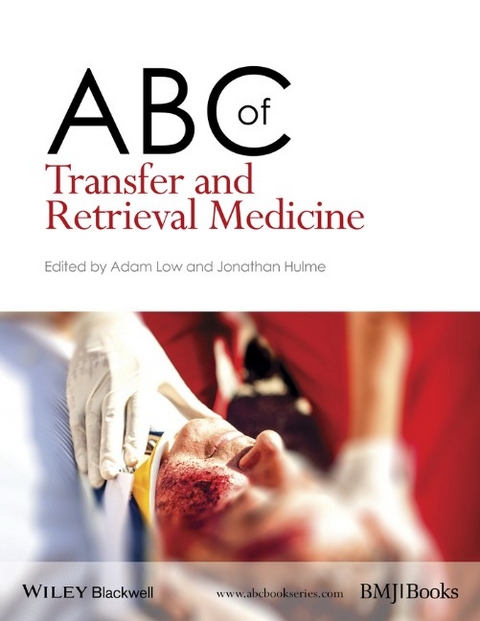
ABC of Transfer and Retrieval Medicine (eBook)
John Wiley & Sons (Verlag)
978-1-118-71974-9 (ISBN)
Beginning with the practical and clinical considerations to be taken into account during patient transfer and an overview of transfer equipment, it then addresses pharmacological aspects of patient transfer, the roles and responsibilities of the transfer team, and the requirements of neonatal, paediatric and specialist transfers.
Mapped against the syllabus for the Diploma of Retrieval and Transfer Medicine (Royal College of Surgeons of Edinburgh), it has been developed as a core resource for the diploma whilst providing an invaluable resource for any healthcare professional involved in the transfer of critically ill patients including anaesthetists, intensivists, nurses from ICU/ED and paramedics. It also includes frameworks for radiology and arterial blood gas interpretation, guidance on patient triage, transfer checklists and equipment checklists, and a summary of the relevant national guidelines.
From a multidisciplinary international author team, this new addition to the ABC series is a useful resource for all health care professionals involved in the transfer of patients. It is relevant to anaesthetists, intensivists, paramedics, critical care and emergency department nursing staff who are required to take part in intra and inter hospital transfers.
Adam Low, Specialist Registrar in Anaesthetics, West Midlands Deanery, West Midlands Central Accident Resuscitation & Emergency (CARE) Team, West Midlands Ambulance Service NHS Foundation Trust Medical Emergency Response Incident Team (MERIT), UK; AMREF Flying Doctors, Kenya
Jonathan Hulme, Consultant in Intensive Care Medicine and Anaesthesia, Sandwell and West Birmingham Hospitals NHS Trust; Honorary Senior Clinical Lecturer, University of Birmingham, Birmingham; West Midlands Ambulance Service NHS Foundation Trust Medical Emergency Response Incident Team (MERIT); Medical Director, West Midlands Central Accident Resuscitation & Emergency (CARE) Team; Mercia Accident Rescue Service (MARS) BASICS, UK
ABC of Transfer and Retrieval Medicine provides the key information required to help health care professionals involved in the movement of critically ill patients to do so safely, correctly and with confidence. Beginning with the practical and clinical considerations to be taken into account during patient transfer and an overview of transfer equipment, it then addresses pharmacological aspects of patient transfer, the roles and responsibilities of the transfer team, and the requirements of neonatal, paediatric and specialist transfers. Mapped against the syllabus for the Diploma of Retrieval and Transfer Medicine (Royal College of Surgeons of Edinburgh), it has been developed as a core resource for the diploma whilst providing an invaluable resource for any healthcare professional involved in the transfer of critically ill patients including anaesthetists, intensivists, nurses from ICU/ED and paramedics. It also includes frameworks for radiology and arterial blood gas interpretation, guidance on patient triage, transfer checklists and equipment checklists, and a summary of the relevant national guidelines. From a multidisciplinary international author team, this new addition to the ABC series is a useful resource for all health care professionals involved in the transfer of patients. It is relevant to anaesthetists, intensivists, paramedics, critical care and emergency department nursing staff who are required to take part in intra and inter hospital transfers.
Adam Low, Specialist Registrar in Anaesthetics, West Midlands Deanery, West Midlands Central Accident Resuscitation & Emergency (CARE) Team, West Midlands Ambulance Service NHS Foundation Trust Medical Emergency Response Incident Team (MERIT), UK; AMREF Flying Doctors, Kenya Jonathan Hulme, Consultant in Intensive Care Medicine and Anaesthesia, Sandwell and West Birmingham Hospitals NHS Trust; Honorary Senior Clinical Lecturer, University of Birmingham, Birmingham; West Midlands Ambulance Service NHS Foundation Trust Medical Emergency Response Incident Team (MERIT); Medical Director, West Midlands Central Accident Resuscitation & Emergency (CARE) Team; Mercia Accident Rescue Service (MARS) BASICS, UK
Cover???????????????????????? 1
Title Page?????????????????????????????????? 5
Copyright???????????????????????????????? 6
Contents?????????????????????????????? 7
Contributors?????????????????????????????????????? 11
Preface???????????????????????????? 15
List of Abbreviations???????????????????????????????????????????????????????? 17
Chapter 1 Introduction?????????????????????????????????????????????????????????? 19
Further reading 20
Section 1 Physiology of Transfer Medicine 21
Chapter 2 Acceleration, Deceleration and Vibration?????????????????????????????????????????????????????????????????????????????????????????????????????????????????? 23
Introduction 23
Acceleration 23
Limiting the effects of acceleration 25
Vibration 25
Further reading 26
Chapter 3 Environmental Exposure and Noise?????????????????????????????????????????????????????????????????????????????????????????????????? 27
Introduction 27
Equipment 28
Noise 28
Spatial disorientation 28
Harsh environmental conditions 28
Weather 29
Further reading 30
Chapter 4 Altitude Physiology???????????????????????????????????????????????????????????????????????? 31
Introduction 31
The atmosphere 31
Decompression 32
Decompression sickness 33
Air transport at low altitude 34
Further reading 35
Section 2 Clinical Considerations 37
Chapter 5 Resuscitation and Stabilisation???????????????????????????????????????????????????????????????????????????????????????????????? 39
Introduction 39
Handover 40
Planning ahead 44
Human factors 44
Limiting resuscitation 44
Further reading 44
Chapter 6 Patient Packaging and Nursing Care?????????????????????????????????????????????????????????????????????????????????????????????????????? 46
Introduction 46
Nursing care 48
Air transfers 48
Further reading 48
Chapter 7 Mode of Transport???????????????????????????????????????????????????????????????????? 49
Introduction 49
Ground transport 49
Air transport 50
Other modes of transport 52
Summary 53
Further reading 53
Chapter 8 International Repatriations???????????????????????????????????????????????????????????????????????????????????????? 54
Introduction 54
Definition 54
Selecting the mode of transport 54
Repatriation on commercial airline 54
Repatriation by air ambulance 55
Ground transport 56
Immigration and other formalities 56
Professional standards 56
Arranging international repatriation 56
Further reading 56
Chapter 9 Critical Incidents?????????????????????????????????????????????????????????????????????? 57
Introduction 57
Physiological deteriorations (Table 9.1) 57
Primary equipment failure (Table 9.2) 57
Road traffic collision 59
Prevention 59
Debriefing and incident reporting 59
Conclusion 60
Further reading 60
Section 3 Transfer Equipment 61
Chapter 10 Electrical Supply and Batteries?????????????????????????????????????????????????????????????????????????????????????????????????? 63
Introduction 63
Internal rechargeable batteries 63
External power supply 63
Power supply on board 63
Monitor/defibrillator units 64
Ventilators 64
Further reading 64
Chapter 11 Transport Ventilators and Medical Gas Supply???????????????????????????????????????????????????????????????????????????????????????????????????????????????????????????? 65
Introduction 65
Types of portable ventilator 66
Relevant physics 67
Medical gases in practice 67
Further reading 68
Chapter 12 Monitoring???????????????????????????????????????????????????????? 69
Equipment 69
How and when to monitor patients 69
Specific issues with monitoring in the transfer and retrieval environment 71
Further reading 71
Chapter 13 Drug Delivery?????????????????????????????????????????????????????????????? 72
Introduction 72
Oxygen and inhaled delivery devices 72
Intravenous delivery 73
Drug administration 73
Further reading 75
Chapter 14 Near Patient Testing and Imaging???????????????????????????????????????????????????????????????????????????????????????????????????? 76
Introduction 76
POCT devices 76
Non-blood-based tests 78
Future developments 78
Imaging 78
Further reading 80
Chapter 15 Haemorrhage Control and Splinting?????????????????????????????????????????????????????????????????????????????????????????????????????? 81
Temperature control 81
Minimising movement 81
External haemorrhage control 81
Splinting 83
Fluid resuscitation and permissive hypotension 85
Blood and clotting agents 86
Further reading 87
Chapter 16 Stretchers, Incubators and Vacuum Mattresses???????????????????????????????????????????????????????????????????????????????????????????????????????????????????????????? 88
Stretchers utilised in transfer 88
Mattresses 89
Scoops 89
Vacuum mattress and splints 89
Incubators 89
Further reading 90
Chapter 17 Personal Protective Equipment?????????????????????????????????????????????????????????????????????????????????????????????? 91
Introduction 91
Legislation 91
Identifying risks 91
Managing risks 92
PPE 92
Use, storage and checking of PPE 93
Conclusion 94
Further reading 94
Chapter 18 Communication and Navigation???????????????????????????????????????????????????????????????????????????????????????????? 95
Communication 95
Equipment 96
Navigation 96
Further reading 97
Section 4 Pharmacology of Transfer Medicine 99
Chapter 19 Routes of Administration???????????????????????????????????????????????????????????????????????????????????? 101
Routes of administration 101
Safe medication 102
Central venous catheters 104
Mucosal atomisation device (MAD) 104
Intraosseous 104
Fluid warming devices 105
Further reading 105
Chapter 20 Pre-hospital Sedation and Analgesia?????????????????????????????????????????????????????????????????????????????????????????????????????????? 106
Introduction 106
Analgesia 106
Principles of management of acute pain 106
Non-opioids 107
Opioids 107
Inhalational agents 107
Local anaesthesia 108
Sedation 108
Further reading 109
Chapter 21 Sedation and Neuromuscular Blockers?????????????????????????????????????????????????????????????????????????????????????????????????????????? 110
Induction agents 110
Neuromuscular blockers 110
Sedation in the pre-hospital setting 113
Maintenance of sedation 113
Further reading 113
Chapter 22 Inotropes and Vasopressors???????????????????????????????????????????????????????????????????????????????????????? 114
Introduction 114
Cardiovascular physiology 114
Classification of vasoactive drugs 114
Mechanism of action 114
Commonly used drugs 115
Practicalities 115
Conclusion 117
Further reading 117
Chapter 23 Specialist Pharmacology: Haemostatics and Uterotonics?????????????????????????????????????????????????????????????????????????????????????????????????????????????????????????????????????????????? 118
Specialist haemostatic dressings for pre-hospital use 118
Tranexamic acid 118
Mannitol and hypertonic saline 119
Uterotonics 119
Uterine relaxants 121
Antiemetics 121
Anti-arrhythmics 121
Further reading 121
Section 5 The Transfer Team 123
Chapter 24 Managing and Leading a Transfer?????????????????????????????????????????????????????????????????????????????????????????????????? 125
Clinical coordination 125
The operational (retrieval) team 125
Leadership 126
Further reading 128
Chapter 25 Teamwork and Communication???????????????????????????????????????????????????????????????????????????????????????? 129
Introduction 129
Team resource management 129
Effective teamwork 129
Leadership/followership and authority gradients 130
Communication 130
The organisational level 131
Conclusion 131
Further reading 132
Chapter 26 Non-technical Skills and Sources of Error?????????????????????????????????????????????????????????????????????????????????????????????????????????????????????? 133
Introduction 133
Non-technical skills 133
Human factors 134
Training in non-technical skills and human factors 135
Conclusion 136
Further reading 136
Chapter 27 Standard Operating Procedures, Checklists and Documentation?????????????????????????????????????????????????????????????????????????????????????????????????????????????????????????????????????????????????????????? 137
Documentation 137
Standard operating procedures 138
Checklists 138
Further reading 139
Chapter 28 Audit, Medicolegal and Ethical Aspects of Transfer Medicine?????????????????????????????????????????????????????????????????????????????????????????????????????????????????????????????????????????????????????????? 140
Introduction 140
Legal considerations and regulatory bodies 140
Voluntary organisations 141
Cross-border patient transport 141
Medication during transportation 141
Clinical governance frameworks 141
Equipment regulation 142
Audit 142
Ethical considerations 143
Further reading 143
Chapter 29 Training for Transfers???????????????????????????????????????????????????????????????????????????????? 144
Introduction 144
Composition of the medical team 144
The role of regulatory bodies for retrieval personnel 145
Initial training 145
The challenge of continuing professional development 146
Fitness to practice 147
Further reading 147
Section 6 Neonatal and Paediatric Transfers 149
Chapter 30 Anatomical and Physiological Considerations?????????????????????????????????????????????????????????????????????????????????????????????????????????????????????????? 151
Introduction 151
Airway 151
Breathing 151
Circulation 152
Vascular access 152
Neurology 152
Psychological considerations 152
Other important differences 153
Additional special considerations in neonates 154
Changes in the circulation at birth 154
Further reading 154
Chapter 31 Neonatal Medical Transfers???????????????????????????????????????????????????????????????????????????????????????? 155
Introduction 155
Prematurity 155
Term infants with respiratory failure 156
Hypoxic ischaemic encephalopathy 156
Congenital anomalies 157
Surgical 157
In utero transfers 158
Repatriation or ‘back to base’ transfers 158
Elective transfers 158
Neonatal transport-specific issues to consider 158
Further reading 158
Chapter 32 Paediatric Medical Retrievals?????????????????????????????????????????????????????????????????????????????????????????????? 160
Introduction 160
Preparing for transport 160
Common paediatric problems needing transport 160
Further reading 163
Chapter 33 Paediatric Trauma Retrievals???????????????????????????????????????????????????????????????????????????????????????????? 164
Introduction 164
Paediatric injury patterns 164
Equipment considerations 165
Initial triage/assessment (5–10 seconds) 165
Primary survey (allow < 2 minutes)
Secondary survey 167
Packaging for primary transport 168
Secondary transfer 168
Non-accidental injury 168
Acknowledgements 169
Further reading 169
Chapter 34 Additional Considerations?????????????????????????????????????????????????????????????????????????????????????? 170
Introduction 170
Environmental considerations 170
Specialized paediatric scenarios 170
Vascular access 171
Psychological aspects 171
Further reading 171
Section 7 Specialist Transfers 173
Chapter 35 Head & Spinal Injuries????????????????????????????????????????????????????????????????????????????????
Introduction 175
The need for transfer 175
Preparation 176
Further reading 177
Chapter 36 Burns?????????????????????????????????????????????? 178
Classification of burns by agent, size and depth 178
Guidelines for referral to a burn centre 178
Pulmonary inhalation injury 178
Carbon monoxide poisoning 179
Cyanide poisoning 179
Other irritants 179
Problems experienced during retrieval of the patient with major burns 180
Further reading 181
Chapter 37 Polytrauma and Military Retrievals???????????????????????????????????????????????????????????????????????????????????????????????????????? 182
Polytrauma 182
Retrieval 182
UK Defence Medical Services retrieval systems 183
Comparison with civilian air ambulance services 185
Secondary retrieval services 186
Clinical governance 186
Disclaimer 186
Further reading 186
Chapter 38 Obstetric Transfers?????????????????????????????????????????????????????????????????????????? 187
Introduction 187
Reasons for transfer 187
Principles of obstetric emergencies 188
Management of specific obstetric emergencies 188
Monitoring before and during transfer 189
Resuscitation of maternal cardiac arrest 190
‘How to’ advice 190
Further reading 191
Chapter 39 Cardiac Transfers?????????????????????????????????????????????????????????????????????? 192
Introduction 192
Extracorporeal life support techniques 192
ECMO support for adult patients 193
Mobile ECMO 193
ECMO retrieval services 193
Equipment 194
Vehicles 194
Intra-aortic balloon pumps and assist devices 194
Conclusions 195
Further reading 195
Chapter 40 Contagious Patients?????????????????????????????????????????????????????????????????????????? 196
Introduction 196
Commonly encountered disease conditions 197
Routine precautions 198
Problems encountered during transfer 199
Further reading 200
Chapter 41 Bariatric Patients???????????????????????????????????????????????????????????????????????? 201
Introduction 201
Physiological effects 201
Inter-hospital transfer 202
Intra-hospital transfer 203
Conclusion 203
Further reading 204
Chapter 42 Acute Behavioural Disturbances???????????????????????????????????????????????????????????????????????????????????????????????? 205
Medicolegal, aviation and ethical considerations 205
Decision-making and risk assessment for the disturbed patient retrieval 205
Preparing the disturbed patient for transport 205
Retrieval sedation 206
Physical restraints 207
Further reading 207
Chapter 43 Considerations Regarding Organ Donation?????????????????????????????????????????????????????????????????????????????????????????????????????????????????? 208
Circulation 208
Respiration 209
Electrolytes, metabolism and hormones (Box 43.3) 209
Further reading 210
Appendix 1 Framework for Radiology Interpretation 211
Appendix 2 Framework for Interpretation of Arterial Blood Gases 212
Is the patient hypoxic? 212
Is the pCO2 normal? 212
What is the acid base status? 212
What is the lactate? 212
Additional useful information on arterial blood gas analysers 212
Appendix 3 Example of a Triage Sieve 213
Appendix 4 Example of a Transfer Checklist 214
Appendix 5 Example of Equipment Inventory 215
Appendix 6 Summary of useful National Guidelines 219
AAGBI: Inter Hospital Transfer (2009) 219
Recommendations for the Safe Transfer of patients with brain injury (AAGBI 2006) 219
AAGBI Infection Control in Anaesthesia (2008) 220
ANZCA Minimum Standards for Intrahospital Transport of Critically Ill Patients 220
Initial Care and Transfer of Patients with spinal cord injuries. British Orthopaedic Association 2006. 220
Index???????????????????????? 221
Advertisement 226
EULA 227
| Erscheint lt. Verlag | 24.10.2014 |
|---|---|
| Reihe/Serie | ABC Series | ABC Series |
| Sprache | englisch |
| Themenwelt | Medizin / Pharmazie ► Allgemeines / Lexika |
| Medizin / Pharmazie ► Gesundheitsfachberufe | |
| Medizin / Pharmazie ► Medizinische Fachgebiete ► Notfallmedizin | |
| Pflege ► Fachpflege ► Anästhesie / Intensivmedizin | |
| Schlagworte | ABC • Account • Aspects • confidence • Edinburgh • Emergency Medicine & Trauma • Gesundheitspolitik, Risiken, Sicherheit des Patienten • Health Policy, Health Risk & Patient Safety • Intensive/Critical Care • Intensivpflege • Medical Science • Medizin • Neonatal • Notfallmedizin • Notfallmedizin u. Traumatologie • Overview • Patient • pharmacological • Practical • Requirements • responsibilities • Retrieval • roles • Royal • surgeons • Syllabus • Transfer • Transfers • transfer team |
| ISBN-10 | 1-118-71974-3 / 1118719743 |
| ISBN-13 | 978-1-118-71974-9 / 9781118719749 |
| Informationen gemäß Produktsicherheitsverordnung (GPSR) | |
| Haben Sie eine Frage zum Produkt? |
 PDF (Adobe DRM)
Kopierschutz: Adobe-DRM
Adobe-DRM ist ein Kopierschutz, der das eBook vor Mißbrauch schützen soll. Dabei wird das eBook bereits beim Download auf Ihre persönliche Adobe-ID autorisiert. Lesen können Sie das eBook dann nur auf den Geräten, welche ebenfalls auf Ihre Adobe-ID registriert sind.
Details zum Adobe-DRM
Dateiformat: PDF (Portable Document Format)
Mit einem festen Seitenlayout eignet sich die PDF besonders für Fachbücher mit Spalten, Tabellen und Abbildungen. Eine PDF kann auf fast allen Geräten angezeigt werden, ist aber für kleine Displays (Smartphone, eReader) nur eingeschränkt geeignet.
Systemvoraussetzungen:
PC/Mac: Mit einem PC oder Mac können Sie dieses eBook lesen. Sie benötigen eine
eReader: Dieses eBook kann mit (fast) allen eBook-Readern gelesen werden. Mit dem amazon-Kindle ist es aber nicht kompatibel.
Smartphone/Tablet: Egal ob Apple oder Android, dieses eBook können Sie lesen. Sie benötigen eine
Geräteliste und zusätzliche Hinweise
Buying eBooks from abroad
For tax law reasons we can sell eBooks just within Germany and Switzerland. Regrettably we cannot fulfill eBook-orders from other countries.
aus dem Bereich