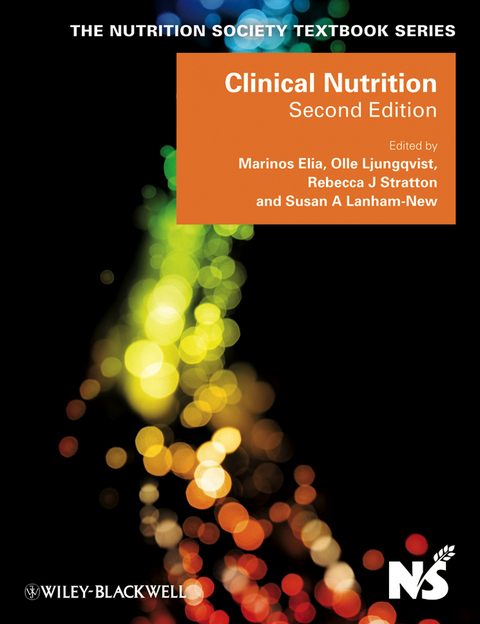
Clinical Nutrition (eBook)
John Wiley & Sons (Verlag)
978-1-118-45775-7 (ISBN)
This second edition of Clinical Nutrition, in the acclaimed textbook series by the Nutrition Society, has been revised and updated in order to:
- Provide students with the required scientific basis in nutrition, in the context of a systems and health approach.
- Enable teachers and students to explore the core principles of nutrition and to apply these throughout their training to foster critical thinking at all times. Each chapter identifies the key areas of knowledge that must be understood and also the key points of critical thought that must accompany the acquisition of this knowledge.
- Are fully peer reviewed to ensure completeness and clarity of content, as well as to ensure that each book takes a global perspective and is applicable for use by nutritionists and on nutrition courses throughout the world.
Ground breaking in scope and approach, with an additional chapter on nutritional screening and a student companion website, this second edition is designed for use on nutrition courses throughout the world and is intended for those with an interest in nutrition in a clinical setting. Covering the scientific basis underlying nutritional support, medical ethics and nutritional counselling, it focuses solely on the sick and metabolically compromised patient, dealing with clinical nutrition on a system by system basis making the information more accessible to the students.
This is an essential purchase for students of nutrition and dietetics, and also for those students who major in other subjects that have a nutrition component, such as food science, medicine, pharmacy and nursing. Professionals in nutrition, dietetics, food sciences, medicine, health sciences and many related areas will also find this an important resource.
Libraries in universities, medical schools and establishments teaching and researching in the area of nutrition will find Clinical Nutrition a valuable addition to their shelves.
Michael J Gibney, Trinity College, Dublin, Ireland
Marinos Elia, Institute of Human Nutrition, University of Southampton, UK
Olle Ljungquist, Centre for Gastrointestinal Disease, Stockholm, Sweden
Julie Dowsett, Trinity College, Dublin, Ireland
This second edition of Clinical Nutrition, in the acclaimed textbook series by the Nutrition Society, has been revised and updated in order to: Provide students with the required scientific basis in nutrition, in the context of a systems and health approach. Enable teachers and students to explore the core principles of nutrition and to apply these throughout their training to foster critical thinking at all times. Each chapter identifies the key areas of knowledge that must be understood and also the key points of critical thought that must accompany the acquisition of this knowledge. Are fully peer reviewed to ensure completeness and clarity of content, as well as to ensure that each book takes a global perspective and is applicable for use by nutritionists and on nutrition courses throughout the world. Ground breaking in scope and approach, with an additional chapter on nutritional screening and a student companion website, this second edition is designed for use on nutrition courses throughout the world and is intended for those with an interest in nutrition in a clinical setting. Covering the scientific basis underlying nutritional support, medical ethics and nutritional counselling, it focuses solely on the sick and metabolically compromised patient, dealing with clinical nutrition on a system by system basis making the information more accessible to the students. This is an essential purchase for students of nutrition and dietetics, and also for those students who major in other subjects that have a nutrition component, such as food science, medicine, pharmacy and nursing. Professionals in nutrition, dietetics, food sciences, medicine, health sciences and many related areas will also find this an important resource. Libraries in universities, medical schools and establishments teaching and researching in the area of nutrition will find Clinical Nutrition a valuable addition to their shelves.
Michael J Gibney, Trinity College, Dublin, Ireland Marinos Elia, Institute of Human Nutrition, University of Southampton, UK Olle Ljungquist, Centre for Gastrointestinal Disease, Stockholm, Sweden Julie Dowsett, Trinity College, Dublin, Ireland
Clinical Nutrition 5
Copyright 6
Contents 7
Contributors 9
Series Foreword 11
Preface 13
First Edition Acknowledgements 15
1 Principles of Clinical Nutrition: Contrasting the Practice of Nutrition in Health and Disease 17
1.1 Introduction 17
1.2 The spectrum of nutritional problems 18
1.3 Nutritional requirements 19
Effect of disease and nutritional status 19
Metabolic blocks and nutritional requirements 22
Effect of the route of feeding on nutrient requirements 24
Effect of the phase of disease on nutritional requirements 26
Feeding schedules 28
Structure and function 28
1.4 Management pathways 29
1.5 Concluding remarks 29
References and further reading 30
2 Nutritional Screening and Assessment 31
2.1 Introduction 31
2.2 Nutritional screening 32
2.3 Nutritional assessment 37
Clinical history 37
Dietary history 38
Clinical examination 38
2.4 Concluding remarks 41
References and further reading 42
3 Water and Electrolytes 43
3.1 Introduction 43
3.2 Fluid compartments of the body 43
3.3 Flux of fluid through the kidney and gastrointestinal tract 46
3.4 Body electrolyte content and concentration 47
Fluid shifts between ECF and ICF compartments 48
3.5 Regulation of body water compartments 48
Control of body fluid osmolality 49
Control of effective circulatory volume 50
Thirst regulation and water balance 51
Thirst stimulated by plasma osmolarity and sodium concentration 51
Thirst stimulated by hypovolaemia 51
3.6 The metabolic response to starvation and injury 52
Starvation 52
Injury 52
3.7 Body water compartments and electrolytes in starvation and injury 52
Extracellular fluid 52
Intracellular fluid 53
Interstitial fluid 53
3.8 Effects of salt and water overload 55
Gastrointestinal function 56
Renal function 56
Low serum albumin concentrations 56
3.9 Fluid therapy: practical aspects 57
Assessment 57
Treatment 58
Resuscitation 58
Maintenance fluid 59
Fluid therapy for ongoing losses 59
3.10 Goal-directed fluid therapy 59
3.11 Implications of water and sodium metabolism in nutrition therapy for specific clinical conditions 60
Diarrhoeal illness 60
Congestive heart failure and cirrhosis 60
Stroke, dysphagia, and the elderly 60
3.12 Concluding remarks 61
References and further reading 61
4 Over-nutrition 63
4.1 Introduction 63
Definitions and classification 63
The scale of the problem 64
Economic impact and global burden 64
4.2 Aetiology 66
The energy-balance equation 66
Genetic factors 69
Endocrine disorders 75
Environmental factors 77
Psychosocial influences 78
Miscellaneous causes 79
4.3 Clinical presentation 81
Body composition 81
Fat distribution 82
Comorbidities 83
4.4 Clinical assessment 84
4.5 Treatment approaches 88
General principles 88
Lifestyle changes 88
Dietary management 88
Physical activity 89
Pharmacotherapy 89
Bariatric surgery 91
Other options 93
4.6 Prevention 94
Childhood obesity 94
Initiatives in key settings 95
4.7 Concluding remarks 95
Acknowledgements 96
References and further reading 96
Web sites of interest 96
5 Under-nutrition 97
5.1 Introduction 97
5.2 Pathophysiology of under-nutrition 98
Body composition 98
Energy metabolism 98
Protein metabolism 100
Hormonal mediators 102
Immune function in under-nutrition 102
5.3 Pathophysiology of under-nutrition complicated by stress 102
Energy metabolism 102
Protein metabolism 103
Hormonal mediators 103
5.4 Chronic under-nutrition 104
5.5 Under-nutrition in the elderly 104
5.6 Severe acute malnutrition in children 105
5.7 Assessment of under-nutrition 106
5.8 Treatment 106
Assessment of energy and protein requirements 106
Requirements for other nutrients 108
5.9 Potential problems with nutritional supplementation in under-nutrition 109
Refeeding syndrome 109
Nutritional supplementation in chronic under-nutrition 109
5.10 Prevention 110
5.11 Concluding remarks 110
References and further reading 111
6 Metabolic Disorders 113
6.1 Introduction 113
6.2 Energy intake, health and longevity 114
6.3 The metabolic syndrome 115
6.4 Pathophysiology of insulin resistance 116
6.5 Insulin resistance 117
6.6 The role of affluence in diabetes, dyslipidaemia, and essential hypertension 118
Type 2 diabetes mellitus 118
Insulin resistance and dyslipidaemia 119
Dietary management of the metabolic syndrome 119
Insulin resistance and hypertension 120
6.7 Alcohol 120
Alcohol and body weight 121
Alcohol and blood lipids 122
Alcohol and glucose metabolism 122
Alcohol and blood pressure 122
6.8 Concluding remarks 122
References and further reading 122
7 Eating Disorders 124
7.1 Introduction 124
7.2 Classification and features 124
Anorexia nervosa 125
Bulimia nervosa 126
EDNOS and binge-eating disorder 127
7.3 History 127
7.4 Aetiology 128
7.5 Incidence and prevalence 128
Anorexia nervosa 128
Bulimia nervosa 128
EDNOS and binge-eating disorder 128
7.6 Medical complications of eating disorders 129
Starvation and low weight 129
Compensatory behaviours 130
Binge eating 130
7.7 Nutritional problems in eating disorders 130
Appetite regulation in eating disorders 130
Nutritional impact of starvation and low weight 131
Compensatory behaviours 133
Binge eating 133
7.8 Nutritional management of eating disorders 133
Restoring appetite regulation 134
Weight recovery 135
Compensatory behaviours 136
Binge eating 136
7.9 Concluding remarks 137
Acknowledgements 137
References and further reading 137
8 Adverse Reactions to Foods 139
8.1 Introduction 139
8.2 Food intolerance 140
8.3 Food allergy 140
8.4 Types of food allergy 141
8.5 Patterns of food-allergic responses 142
Quick-onset symptoms 142
Late-onset symptoms 143
8.6 Diagnostic criteria for food allergy 144
8.7 Food-sensitive enteropathy 145
8.8 Specific food allergies 145
Cow’s milk 146
Soya 147
Egg 150
Wheat 150
Peanuts 150
8.9 Multiple-food allergy 151
8.10 Scientific background: the basic mechanisms of immune response to dietary antigen 151
Innate immunity and the importance of evolutionary heritage 151
Lymphocytes may differentiate within the intestine and not the thymus 152
Antigen presentation by the epithelium 152
Distribution of T cells within the intestine 152
The TH1/TH2/TH17 paradigm of T-cell responses and infectious exposures 152
Control of B-cell responses, and the importance of mucosal IgA production 153
Skewing of B cells towards IgE 153
Mast cells and eosinophils in food allergies 154
Oral tolerance to dietary antigens 154
8.11 Concluding remarks 155
References and further reading 155
9 Nutritional Support 156
9.1 Introduction 156
9.2 Meeting nutritional needs 156
9.3 Oral feeding and oral nutritional supplements 158
9.4 Enteral tube feeding 160
Feeding routes 162
Post-pyloric feeding 163
Complications of enteral feeding 163
Physical characteristics of enteral feeding tubes 163
Enteral feeding solutions 164
Feeding rate 166
Monitoring and complications of enteral nutrition 166
9.5 Administration of drugs and enteral feeding 166
Controlled-release products 168
Cytotoxic drugs 168
Hormonal drugs 168
Alternative routes of delivery 169
Adding drugs to the formula 169
9.6 Parenteral nutrition 169
Catheter access 170
Parenteral nutrition solutions 170
Monitoring and complications of parenteral nutrition 170
9.7 Special considerations with nutritional support 171
Clinical nutrition at home 172
Complications of clinical nutrition 173
Nutrition support team 173
9.8 Concluding remarks 174
Immunonutrition 174
Acknowledgements 174
References and further reading 175
Background clinical nutrition 175
Access 175
Disease specific nutrition 175
Requirements 175
Enteral nutrition 175
Parenteral nutrition 175
Useful web sites 176
10 Ethics and Nutrition 177
10.1 Introduction 177
10.2 Brief history of medical ethics 178
10.3 Medical ethics: the four-principle approach 179
10.4 Definitions and ethical terms 180
Oral nutrition and hydration: ‘basic care’ 180
Artificial nutrition and hydration 180
Consent and competence 181
Advanced decisions/directives/proxies 182
Time-limited trials of treatment 182
Futility and the concept of net patient benefit 183
10.5 Application of ethical principles to artificial nutritional support: clinical scenarios 183
Stroke 183
Dementia 184
Wasting disorders: cancer and terminal illness 185
Persistent vegetative states: withdrawing and withholding nutritional support 186
Malnutrition in the hospitalised patient 187
10.6 Ethical conflict 188
10.7 Clinical guidelines in ethical care 189
10.8 Concluding remarks 190
References and further reading 191
11 The Gastrointestinal Tract 192
11.1 Introduction 192
Dysphagia 192
Gastro-oesophageal reflux disease 193
Cancer of the oesophagus and stomach 193
Short-bowel syndrome 194
11.2 Coeliac disease 194
Epidemiology 194
Pathogenesis 194
Magnitude of the problem: the spectrum of gluten sensitivity 195
Diagnosis and screening 196
Treatment 196
Therapeutic failure 198
11.3 Tropical enteropathy and tropical sprue 198
Concept and epidemiology 198
Pathology and clinical relevance 198
Pathogenesis 199
Treatment 199
11.4 Inflammatory bowel disease 199
Definition 199
Epidemiology 199
Pathogenesis 200
Clinical features and diagnosis 200
Treatment 200
Malnutrition in IBD 200
Pathogenesis of malnutrition in IBD 201
Micronutrient deficiencies in IBD 202
Consequences of impaired nutrition in IBD 203
Nutritional support in IBD 203
11.5 Irritable bowel syndrome and diverticular disease 205
Definition 205
Epidemiology 205
Pathogenesis 206
Food intolerance and IBS 206
Nutritional consequences 206
Dietary management of IBS 206
Diverticular disease 207
11.6 Concluding remarks 208
References and further reading 208
12 Nutrition in Liver Disease 209
12.1 Introduction 209
12.2 Nutritional risk in liver-disease patients 209
12.3 Effect of nutritional state on liver disease 210
Under-nutrition 210
Over-nutrition 211
12.4 Effect of liver disease on nutritional state 211
Acute liver disease 211
Cirrhosis 211
Surgery and transplantation 212
12.5 Pathophysiology and nutrient requirement in liver disease 212
Energy 212
Carbohydrate metabolism 213
Fat metabolism 214
Protein and amino acid metabolism 215
Vitamins and minerals 216
12.6 Disease-specific nutrition therapy 216
Acute liver disease 216
Chronic liver disease 217
Acknowledgements 222
References and further reading 222
13 Nutrition and the Pancreas 224
13A DIABETES MELLITUS 224
13A.1 Introduction 224
Prevalence 224
Pathogenesis and types of diabetes 225
Glycaemic control, nutrition, and insulin 225
Consequences of poor metabolic control 227
13A.2 Presentation and diagnosis 227
Presentation 227
Diagnosis 227
13A.3 Principles of diabetic management and the role of diet 228
13A.4 Insulin/drugs 229
Insulin regimens 229
Oral drugs 229
Other drugs 229
13A.5 Physical activity 230
13A.6 Diet 231
Composition and properties of the diet 231
Diet in special circumstances 232
13A.7 Monitoring and follow-up 234
13A.8 Concluding remarks 235
References and further reading 235
13B PANCREATITIS 236
13B.1 Introduction 236
13B.2 Pathogenesis of acute pancreatitis 236
13B.3 Severity scores 237
13B.4 Metabolic consequences of acute pancreatitis 238
13B.5 Artificial nutrition 239
Parenteral nutrition 239
Enteral nutrition 240
Early nutritional support 241
Enteral route: jejunal or gastric? 241
Substrates 241
Practical guidelines 242
13B.6 Chronic pancreatitis 243
Nutritional status and deficiencies 243
Artificial nutrition in chronic pancreatitis 243
Nutrition management of chronic pancreatitis-related complications 244
13B.7 Concluding remarks 244
References and further reading 244
14 The Kidney 246
14.1 Introduction 246
14.2 Assessment of nutritional status in kidney patients 247
Methods of nutritional assessment 248
14.3 Acute kidney injury 249
Introduction 249
Nutritional treatment in AKI 250
Metabolic changes 250
Nutritional requirements 251
Nutritional support 251
14.4 Chronic kidney disease and diabetic kidney disease 252
Rationale and goals of nutritional therapy 252
Definition of CKD 252
Definition of DKD 252
Nutritional factors involved in theprogression of CKD or DKD 252
Protein–energy malnutrition 255
Detection and definition of PEM 257
PEM nomenclature 258
Risk of cardiovascular disease 258
Secondary hyperparathyroidism and other complications 259
Dietary prescription in CKD without diabetes mellitus 259
Dietary prescription in DKD 261
Practical tips for LPD 261
Dietary prescription in RRT patients 262
Control of cardiovascular risk factors 262
Mineral, fluid, and vitamin intake 263
Nutritional support in CKD and RRT malnourished patients 265
14.5 Kidney transplantation 266
Pre-transplant nutritional assessment 267
Nutritional management 267
14.6 Concluding remarks 267
Acknowledgements 268
References and further reading 268
15 Nutritional and Metabolic Support in Haematological Malignancies and Haematopoietic Stem-cell Transplantation 269
15.1 Introduction 269
15.2 Haematological malignancies 269
Myeloproliferative disorders 270
Lymphoproliferative disorders 271
15.3 Rationale for nutritional intervention in haematological malignancies 273
Mucositis of the gastrointestinal tract 273
Haematopoietic stem-cell transplantation 274
15.4 Nutritional and metabolic support following HSCT 278
15.5 Concluding remarks 279
References and further reading 281
16 The Lung 282
16.1 Introduction 282
16.2 Prevalence and consequences of weight loss and muscle wasting 284
Muscle function and exercise performance 284
Mortality and morbidity in COPD 284
Prevalence of malnutrition in COPD 285
Health-related quality of life 285
16.3 Causes of weight loss and muscle wasting 286
Energy metabolism 286
Altered substrate metabolism 286
Reduced dietary intake 286
16.4 Outcomes of nutritional intervention 287
Composition of nutritional supplements 288
Identification of malnutrition and the use of nutritional support 289
16.5 Acute lung injury 290
16.6 Concluding remarks 290
16.7 Acknowledgements 291
References and further reading 291
17 Nutrition and Immune and Inflammatory Systems 292
17.1 Introduction 292
17.2 The response of the immune system to activation 293
17.3 The effects of proinflammatory cytokines 294
Changes in protein and fat metabolism 295
Alteration of body temperature and appetite 295
Changes in trace-element and vitamin metabolism 295
Changes in liver protein synthesis 296
17.4 Control systems for cytokines 296
17.5 Damaging and life-threatening effects of cytokines 297
Adverse effects of an individual’s genotype 297
Adverse effects of proinflammatory cytokines on body composition 299
Potential damage from the interaction of oxidants with cytokine production 299
17.6 Influence of malnutrition on key aspects of the cytokine response 299
Influence of protein-energy malnutrition 300
Influence of vitamin A deficiency 300
17.7 Antioxidant defences and their impact on immune and inflammatory systems in patients 301
A pivotal role for glutathione in antioxidant defence 301
Antioxidant defences are depleted by infection and trauma 302
Risks of oxidant damage posed by parenteral feeding with solutions containing PUFAs 302
Immunomodulation by manipulation of antioxidant defences 302
Antioxidant defences are interlinked and interactive 303
The anti-inflammatory and immunoenhancing influence of antioxidants 303
Influence of vitamin E intake 303
Influence of vitamin C intake 304
Influence of vitamin B6 305
Mechanisms for the anti-inflammatory immunoenhancing effects of antioxidants 306
Differential effects of oxidants and antioxidants on transcription-factor activation 306
17.8 Immunomodulatory effects of lipids 307
Mode of action of fatty acid composition on cytokine biology 307
Influence of fats on responses to inflammatory agents and diseases 307
Influence of fats on responses to proinflammatory cytokines and inflammatory agents 308
Influence of fats on cytokine production 309
Influence of fats on inflammatory responses in disease in animal models and humans 309
Mechanisms whereby fats modulate immune function: observations from experimental studies 310
Changes in membrane fluidity 310
Implications of experimental observations on lipids and inflammation for inflammatory disease in human populations 310
Possible role of conjugated linoleic acid as an anti-inflammatory and immunoenhancing agent 311
17.9 Route and content of nutritional provision and immune function and patient outcome 311
Comparative risks and benefits of enteral and parenteral feeding 312
Adverse effects of total parenteral nutrition 312
Overcoming the problems associated with total parenteral feeding 313
17.10 Concluding remarks 314
References and further reading 315
18 The Heart and Blood Vessels 316
18.1 Introduction 316
18.2 Atherosclerosis 317
18.3 Dietary lipids and coronary heart disease 318
Types of dietary lipid 319
The link between saturated fat consumption and coronary heart disease 319
The effect of saturated fats on plasma cholesterol and atherosclerosis 322
Dietary cholesterol and coronary heart disease 322
Dietary polyunsaturated fats and coronary heart disease 323
Dietary monounsaturated fats and coronary heart disease 323
Dietary trans-fatty acids and coronary heart disease 324
18.4 Plasma lipoproteins 324
18.5 Lipoprotein metabolism 325
Exogenous pathways 325
Endogenous pathway 326
Reverse cholesterol transport 326
Types of dyslipidaemia 327
Lipid-modifying drugs and coronary heart disease 327
Summary of the evidence supporting a positive relationship between dietary saturated fats, plasma cholesterol levels, and coronary heart disease 329
Other lipid risk factors and coronary heart disease 329
18.6 Other dietary factors and coronary heart disease 330
Antioxidants 330
Fibre 331
Soy protein 331
Alcohol 331
Plant sterols and stanols 332
Tea 332
Garlic 332
Nuts 332
Dark chocolate 332
Fish, n-3 fatty acids, and sudden death 333
The Mediterranean diet 334
Weight-reduction diets 335
18.7 Diet and hypertension 335
Nutritional factors involved in blood-pressure regulation 335
Reduction of blood pressure by diet 336
18.8 Diet and stroke 337
18.9 Diet and peripheral vascular disease 337
18.10 Diet and chronic heart failure 337
Nutrition and cardiac cachexia 338
18.11 Micronutrients and cardiovascular disease 338
Vitamins 338
Minerals 339
Others 340
18.12 Concluding remarks 341
Acknowledgements 341
References and further reading 341
19 Nutritional Aspects of Disease Affecting the Skeleton 343
19.1 Introduction 343
19.2 Overview of bone metabolism and mineral-Ion homeostasis 343
Bone metabolism 343
Mineral-ion homeostasis 345
Vitamin D metabolism 349
19.3 Age-appropriate biochemical reference ranges 352
Alkaline phosphatase 352
Phosphate 352
Insulin-like growth factor 1 352
Osteocalcin 352
Others 352
19.4 Pharmaceutical agents commonly used in bone disease 352
Treatment of vitamin D-deficient ricketsand osteomalacia 352
Treatment of hypoparathyroidism and genetic forms of metabolic bone disease 353
Treatment of osteoporosis 353
19.5 Diagnostic imaging assessment of the skeleton 353
DEXA bone density 353
QCT 354
Bone ultrasound 354
19.6 Rickets/osteomalacia (vitamin D deficiency) 354
Risk factors 354
Rickets in infants and young children 355
Osteomalacia in adults 356
Vitamin D deficiency in the institutionalised and frail elderly 356
Vitamin D deficiency in fat malabsorption 356
Other causes of rickets/osteomalacia 357
19.7 Mineral-Ion homeostasis in preterm infants 358
Biochemical changes typically observed as part of metabolic bone disease in preterm infants 358
Radiological changes seen in preterm infants with metabolic bone disease of prematurity 358
Substrate delivery 359
19.8 Corticosteroid-Induced bone disease 359
Actions mediated by PTH 359
Additional effects of GC excess on systems that modulate bone remodelling 360
Direct effects on bone cells 360
Prevention and treatment of steroid-induced osteoporosis 360
19.9 Post-transplant bone disease 360
19.10 Osteoporosis associated with chronic disease 361
19.11 Anorexia nervosa 362
Clinical features 362
Treatment of anorexia nervosa-associated bone disease 362
19.12 Senile osteoporosis 362
Pathophysiology 363
Preventative strategies 363
19.13 Concluding remarks 363
References and further reading 365
20 Nutrition in Surgery and Trauma 366
20.1 Introduction 366
20.2 The stress response to trauma and its effects on metabolism 367
Hypermetabolism 367
Protein metabolism 369
Insulin resistance 369
20.3 Nutritional support in perioperative care 370
The low-risk patient undergoing elective surgery 371
The malnourished or complicated surgical patient 372
Glucose control in nutritional support of the critically ill 372
Adverse effects of traditional perioperative care in elective surgery patients 373
Enhanced recovery after surgery: modern techniques to minimise stress and support nutrition in elective surgery 374
Balancing fluids to support postoperative gastrointestinal function 375
Minimally invasive surgical techniques 375
Drains, tubes, and catheters 376
The metabolic effects of a combined treatment programme 376
20.4 Feeding the severely traumatised patient 376
Prescription of feed 377
20.5 Concluding remarks 377
Acknowledgements 377
References and further reading 378
21 Infectious Diseases 379
21.1 Introduction 379
21.2 Human immunodeficiency virus infection 380
Transmission and epidemiology 380
Clinical features 380
Treatment of HIV disease 380
Wasting in HIV infection 381
Patterns of weight change in HIV infection 383
Patterns of body-composition change in HIV infection 383
Energy metabolism in HIV infection 384
Protein metabolism in HIV infection 384
Fat and carbohydrate metabolism in HIV infection 385
Endocrine abnormalities and HIV-associated wasting 385
Cytokines and HIV-associated wasting 385
Treatment of HIV-associated wasting 385
HIV-associated lipodystrophy syndrome 388
Lactic acidosis 389
Insulin resistance and diabetes 390
Hyperlipidaemia 390
Micronutrients and HIV 390
Breast-feeding and HIV 391
21.3 Tuberculosis 391
Epidemiology and importance 391
Causative agent and transmission 392
Clinical presentation, treatment, and course 392
Nutritional and metabolic effects of tuberculosis 392
Importance of the interaction between malnutrition and tuberculosis 393
Aetiology of malnutrition in tuberculosis 393
Body composition in tuberculosis 393
Nutritional therapy for wasting in tuberculosis 393
Micronutrient supplementation 394
Pharmacological treatments for wasting in tuberculosis 394
21.4 Malaria 394
Epidemiology and importance 394
Clinical presentation and treatment 394
The role of protein–energy malnutrition in malaria 395
Micronutrients and malaria 395
21.5 Gastrointestinal infections 395
Definition and aetiopathogenesis 395
Epidemiology: the magnitude of the problem 396
Specific (antimicrobial) therapy of gastrointestinal infections 397
Nutritional and metabolic management of gastrointestinal infections 397
Oral rehydration solutions 398
Diet 399
21.6 Concluding remarks 399
References and further reading 399
22 Nutritional Support in Patients with Cancer 401
22.1 Introduction 401
22.2 Cancer cachexia 402
Definition and prevalence 402
Pathophysiology 404
Mediators 411
22.3 Nutritional support in cancer 418
Rationale for the use of nutritionalsupport 418
Effects of nutritional support on clinical outcome 422
Effects of nutritional support on tumour growth 430
The current combined approach 431
References and further reading 434
23 Paediatric Nutrition 436
23.1 Introduction 436
Why are children nutritionally vulnerable? 436
Applications of nutritional science in paediatrics and child health 437
Long-term relevance of paediatric nutrition 437
23.2 Growth 438
Measuring growth: growth references and standards 438
Distance and velocity charts 439
Optimal growth: the place of international standards 442
Physiological deviations from growth references 442
Body composition and growth 446
23.3 The impact of development on nutrition 448
Neurological maturation 449
Gastrointestinal maturation 450
Renal maturation 450
Metabolic maturation 451
23.4 Infant feeding 453
Breast-feeding 453
Formula feeding 455
Complementary feeding 455
Effect of feeding on infant growth 457
Dietary supplements in infancy 457
23.5 Preschool children 459
Common dietary problems of young children 459
Behavioural eating problems in young children 459
23.6 Schoolchildren and adolescents 460
Eating disorders 460
23.7 Under-nutrition in children 462
Causes of under-nutrition 462
Nutritional assessment 462
Screening for malnutrition 463
Weight faltering (‘failure to thrive’) 465
Severe malnutrition 467
Micronutrient deficiencies 469
23.8 Nutrition as treatment 473
Nutritional support for the sick child 473
The acutely ill child: diarrhoeal disease 479
The chronically ill child: general remarks 481
Exclusion diets 482
Inborn errors of metabolism 483
23.9 Overweight in children: ‘fatness’ and ‘obesity’ 486
Defining ‘obesity’ in childhood 486
Complications of ‘obesity’ in childhood 489
Less common causes of ‘obesity’ in childhood 489
Treating ‘obesity’ in children 489
Preventing obesity 490
23.10 Concluding remarks 490
References and further reading 491
24 Cystic Fibrosis 493
24.1 Introduction 493
24.2 Definition and pathology 493
24.3 Clinical features 494
Respiratory features 494
Gastrointestinal features 495
24.4 Malnutrition 498
Dietary intake 498
Energy requirements 498
Energy losses 498
24.5 Other nutritional complications of CF 498
Cystic fibrosis-related diabetes 498
Cystic fibrosis-related osteoporosis 499
Eating disorders 499
Fertility issues 499
Lung transplantation 500
24.6 Nutritional management 500
Assessment of nutritional status 500
Nutritional support 501
24.7 Vitamin supplementation 503
Vitamin A and beta-carotene 504
Vitamin D 505
Vitamin E 505
Vitamin K 505
Water-soluble vitamins 505
Multivitamins 505
24.8 Minerals 506
Iron 506
Zinc 506
Selenium 506
24.9 Infant feeding 506
24.10 Concluding remarks 506
Acknowledgements 507
References and further reading 507
25 Illustrative Cases 508
25.1 Introduction 508
25.2 Children 510
Case 1 510
25.3 Anorexia of psychological origin and refeeding syndrome 511
Case 2 511
25.4 Malnutrition in the older person 513
Case 3 513
25.5 Bowel disease 515
Case 4 515
Case 5 516
Case 6 518
25.6 Catabolic illness 519
Case 7 519
Case 8 520
25.7 Dysphagia 522
Case 9 522
25.8 Obesity 523
Case 10 523
References and further reading 524
Useful Web links for core nutritionjournals 524
Index 525
| Erscheint lt. Verlag | 4.3.2013 |
|---|---|
| Reihe/Serie | The Nutrition Society Textbook |
| The Nutrition Society Textbook | The Nutrition Society Textbook |
| Sprache | englisch |
| Themenwelt | Medizin / Pharmazie ► Allgemeines / Lexika |
| Medizin / Pharmazie ► Gesundheitsfachberufe ► Diätassistenz / Ernährungsberatung | |
| Schlagworte | acclaimed • Approach • Areas • clarity • Clinical Nutrition • ConText • Core • Critical • Edition • Ernährung • Ernährungslehre • Ernährung • Ernährungslehre • Gesundheits- u. Sozialwesen • Gesundheitswesen • Health & Social Care • Key • Klinische Ernährung • Klinische Ernährung • Knowledge • Nutrition • Order • PEER • Points • Principles • required • scientific basis • series • Society • Teachers • Textbook • throughout • Training |
| ISBN-10 | 1-118-45775-7 / 1118457757 |
| ISBN-13 | 978-1-118-45775-7 / 9781118457757 |
| Informationen gemäß Produktsicherheitsverordnung (GPSR) | |
| Haben Sie eine Frage zum Produkt? |
 PDF (Adobe DRM)
Kopierschutz: Adobe-DRM
Adobe-DRM ist ein Kopierschutz, der das eBook vor Mißbrauch schützen soll. Dabei wird das eBook bereits beim Download auf Ihre persönliche Adobe-ID autorisiert. Lesen können Sie das eBook dann nur auf den Geräten, welche ebenfalls auf Ihre Adobe-ID registriert sind.
Details zum Adobe-DRM
Dateiformat: PDF (Portable Document Format)
Mit einem festen Seitenlayout eignet sich die PDF besonders für Fachbücher mit Spalten, Tabellen und Abbildungen. Eine PDF kann auf fast allen Geräten angezeigt werden, ist aber für kleine Displays (Smartphone, eReader) nur eingeschränkt geeignet.
Systemvoraussetzungen:
PC/Mac: Mit einem PC oder Mac können Sie dieses eBook lesen. Sie benötigen eine
eReader: Dieses eBook kann mit (fast) allen eBook-Readern gelesen werden. Mit dem amazon-Kindle ist es aber nicht kompatibel.
Smartphone/Tablet: Egal ob Apple oder Android, dieses eBook können Sie lesen. Sie benötigen eine
Geräteliste und zusätzliche Hinweise
Buying eBooks from abroad
For tax law reasons we can sell eBooks just within Germany and Switzerland. Regrettably we cannot fulfill eBook-orders from other countries.
aus dem Bereich