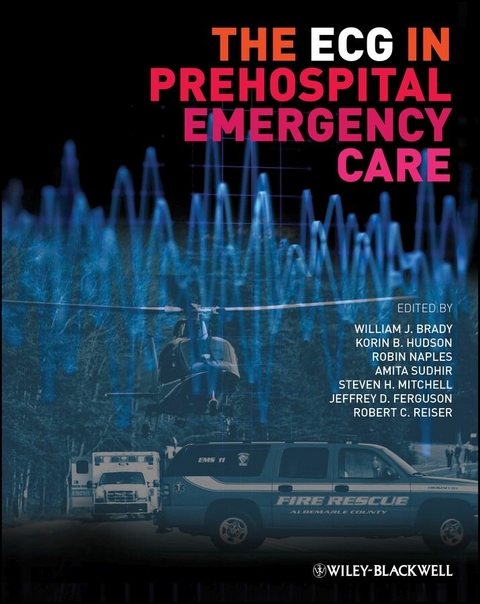
The ECG in Prehospital Emergency Care (eBook)
John Wiley & Sons (Verlag)
978-1-118-47376-4 (ISBN)
This book exclusively addresses ECGs for prehospital emergencies, ranging from basic rhythm diagnosis to critical care applications of the electrocardiogram and advanced 12-lead ECG interpretation in the ACS patient. It provides self testing traces covering all these conditions seen in prehospital and hospital- based environments. It includes 200 randomly presented cases mirroring real life situations, with the answers set out separately together with additional invaluable information.
Written by highly experienced emergency physicians with EMS qualifications and experience, this text is an ideal learning tool for trainees and fully qualified staff alike, including ground EMS advanced life support providers, aeromedical staff, and inter-facility critical care transport personnel.
William Brady, MD
Professor of Emergency Medicine,
University of Virginia
Charlottesvile, VA
USA
Korin Hudson, MD
Assistant Professor of Emergency Medicine,
Washington Hospital Center
Georgetown University
Washington, DC
USA
Sabina Braithwaite, MD
Assistant Professor of Emergency Medicine,
University of Virginia
Charlottesvile, VA
USA
Jeffrey Ferguson, MD
Assistant Professor of Emergency Medicine,
East Carolina University
Greenville, NC
USA
Steven Mitchell, MD
Assistant Professor of Emergency Medicine,
University of Washington
Seattle, WA
USA
William Brady, MD Professor of Emergency Medicine, University of Virginia Charlottesvile, VA USA Korin Hudson, MD Assistant Professor of Emergency Medicine, Washington Hospital Center Georgetown University Washington, DC USA Sabina Braithwaite, MD Assistant Professor of Emergency Medicine, University of Virginia Charlottesvile, VA USA Jeffrey Ferguson, MD Assistant Professor of Emergency Medicine, East Carolina University Greenville, NC USA Steven Mitchell, MD Assistant Professor of Emergency Medicine, University of Washington Seattle, WA USA
The ECG in Prehospital Emergency Care 3
Contents?????????????????????????????? 9
List of Contributors?????????????????????????????????????????????????????? 11
Foreword?????????????????????????????? 13
Preface???????????????????????????? 15
Part 1 The ECG in Prehospital Patient Care?????????????????????????????????????????????????????????????????????????????????????????????????? 17
Chapter 1 Clinical applications of the electrocardiogram (ECG)?????????????????????????????????????????????????????????????????????????????????????????????????????????????????????????????????????????? 19
Electrocardiogram evaluation of rhythm disturbances 19
Electrocardiograhic evaluation in the setting of acute coronary syndrome 20
Electrocardiograhic evaluation in the setting of non–acute coronary syndrome pathology 21
Chapter 2 Clinical impact of the electrocardiogram (ECG)?????????????????????????????????????????????????????????????????????????????????????????????????????????????????????????????? 23
Management of the patient with dysrhythmia 23
Management of the patient with acute coronary syndrome 23
Management of non–ACS presentations 24
Ambulatory electrocardiogram monitoring 25
Computer interpretation of the electrocardiogram 25
Chapter 3 Interpretation of the electrocardiogram-single-, multi-, and 12-lead analysis???????????????????????????????????????????????????????????????????????????????????????????????????????????????????????????????????????????????????????????????????????????????????????????? 28
Introduction 28
Rate 29
Rhythm 30
Axis 31
Intervals 31
Morphology 32
Chapter 4 Variants of the normal, lead misplacement, and electrocardiographic artifact encountered in clinical practice???????????????????????????????????????????????????????????????????????????????????????????????????????????????????????????????????????????????????????????????????????????????????????????????????????????????????????????????????????????????????????????? 33
Benign early repolarization 33
T wave inversion 34
Sinus arrhythmia 34
Conditions encountered in athletes 34
Lead misplacement 35
Artifact 36
Part 2 Cardiac Rhythms and Cardiac Dysrhythmias???????????????????????????????????????????????????????????????????????????????????????????????????????????? 39
Chapter 5 Cardiac rhythms with normal rates???????????????????????????????????????????????????????????????????????????????????????????????????? 41
Acknowledgment 44
Chapter 6 Narrow QRS complex tachycardia?????????????????????????????????????????????????????????????????????????????????????????????? 45
Regular narrow complex tachycardia 45
Irregular narrow complex tachycardias 51
Chapter 7 Wide QRS complex tachycardia?????????????????????????????????????????????????????????????????????????????????????????? 53
Ventricular tachycardia – monomorphic and polymorphic 53
Ventricular fibrillation 56
Supraventricular tachycardia with aberrant conduction 57
Chapter 8 Bradycardia???????????????????????????????????????????????????????? 60
Sinus bradycardia 60
Junctional rhythm 62
Idioventricular rhythm 63
Sinoventricular rhythm of severe hyperkalemia 63
Other bradycardias 64
Acknowledgment 64
Chapter 9 Atrioventricular conduction block???????????????????????????????????????????????????????????????????????????????????????????????????? 66
First-degree atrioventricular block 66
Second-degree atrioventricular block 67
Third-degree atrioventricular block 69
Atrioventricular dissociation 69
Chapter 10 Intraventricular conduction block: bundle branch block and other conduction abnormalities?????????????????????????????????????????????????????????????????????????????????????????????????????????????????????????????????????????????????????????????????????????????????????????????????????????????????????? 70
The bundle branch blocks 70
The hemiblocks (left anterior and left posterior hemiblocks) 73
Bifascicular and trifascicular blocks 75
Non-specific intraventricular conduction abnormality 77
Chapter 11 Atrial and ventricular ectopic beats???????????????????????????????????????????????????????????????????????????????????????????????????????????? 78
Premature atrial contractions 78
Premature junctional contractions 78
Premature ventricular contractions 79
Part 3 Acute Coronary Syndrome and the 12-Lead ECG?????????????????????????????????????????????????????????????????????????????????????????????????????????????????? 83
Chapter 12 Ischemic heart disease: anatomic and physiologic considerations?????????????????????????????????????????????????????????????????????????????????????????????????????????????????????????????????????????????????????????????????? 85
Cardiac anatomy and basic physiology of depolarization 85
Coronary anatomy and electrocardiograhic regional anatomic issues 86
Cardiac pathophysiology 88
Chapter 13 Historical development of the prehospital electrocardiogram (ECG)?????????????????????????????????????????????????????????????????????????????????????????????????????????????????????????????????????????????????????????????????????? 92
Indications for prehospital 12-lead electrocardiogram 93
Benefits of the 12-lead electrocardiogram in the acute coronary syndrome patient 93
Conclusion 93
Chapter 14 Electrocardiographic findings in acute coronary syndrome???????????????????????????????????????????????????????????????????????????????????????????????????????????????????????????????????????????????????? 95
Introduction 95
The 12-lead electrocardiogram in ST segment elevation myocardial infarction – evolution of electrocardiogram abnormalities 95
The 12-lead electrocardiogram in non-ST segment elevation myocardial infarction presentations 105
Electrocardiogram ST segment elevation myocardial infarctionmimickers and confounders 107
Part 4 Special Populations, High-Risk Presentation Scenarios, and Advanced Electrocardiographic Techniques?????????????????????????????????????????????????????????????????????????????????????????????????????????????????????????????????????????????????????????????????????????????????????????????????????????????????????????????????? 111
Chapter 15 The electrocardiogram in the pediatric patient???????????????????????????????????????????????????????????????????????????????????????????????????????????????????????????????? 113
Rate and rhythm 113
QRS axis 115
T waves 115
Intervals 115
Common dysrhythmias 115
Chapter 16 The electrocardiogram in the poisoned patient?????????????????????????????????????????????????????????????????????????????????????????????????????????????????????????????? 120
Potassium efflux blocking agents 120
Sodium channel blocking agents 121
Cardiac glycoside toxicity 121
Calcium channel blocker toxicity 124
?-Adrenergic blocker toxicity 126
Chapter 17 The electrocardiogram in hyperkalemia?????????????????????????????????????????????????????????????????????????????????????????????????????????????? 128
Electrocardiographic manifestations 129
Chapter 18 Life-threatening electrocardiographic patterns???????????????????????????????????????????????????????????????????????????????????????????????????????????????????????????????? 133
Wellens’ syndrome 133
Brugada syndrome 133
Hypertrophic obstructive cardiomyopathy 135
Long QT syndrome 136
Chapter 19 The electrocardiogram in patients with implanted devices???????????????????????????????????????????????????????????????????????????????????????????????????????????????????????????????????????????????????? 138
The paced electrocardiogram 138
Pacemaker malfunction 140
The paced rhythm and acute myocardial infarction 142
Chapter 20 Electrocardiographic tools in prehospital care???????????????????????????????????????????????????????????????????????????????????????????????????????????????????????????????? 143
Additional electrocardiographic leads 143
Serial electrocardiography 145
Chapter 21 Wolff-Parkinson-White syndrome???????????????????????????????????????????????????????????????????????????????????????????????? 150
Chapter 22 Cardiac arrest rhythms???????????????????????????????????????????????????????????????????????????????? 154
Asystole 154
Pulseless electrical activity 154
Pulseless ventricular tachycardia 157
Ventricular fibrillation 159
Part 5 Electrocardiographic Differential Diagnosis of Common ECG Presentations?????????????????????????????????????????????????????????????????????????????????????????????????????????????????????????????????????????????????????????????????????????? 161
Chapter 23 Electrocardiographic differential diagnosis of narrow complex tachycardia?????????????????????????????????????????????????????????????????????????????????????????????????????????????????????????????????????????????????????????????????????????????????????? 163
Chapter 24 Electrocardiographic differential diagnosis of wide complex tachycardia?????????????????????????????????????????????????????????????????????????????????????????????????????????????????????????????????????????????????????????????????????????????????? 168
Ventricular tachycardia 169
Ventricular tachycardia versus supraventricular tachycardia with aberrant conduction 172
Chapter 25 Electrocardiographic differential diagnosis of bradyarrhythmia???????????????????????????????????????????????????????????????????????????????????????????????????????????????????????????????????????????????????????????????? 177
Chapter 26 Electrocardiographic differential diagnosis of ST segment elevation?????????????????????????????????????????????????????????????????????????????????????????????????????????????????????????????????????????????????????????????????????????? 181
Chapter 27 Electrocardiographic differential diagnosis of ST segment depression???????????????????????????????????????????????????????????????????????????????????????????????????????????????????????????????????????????????????????????????????????????? 192
Acute coronary syndromes 192
Left bundle branch block 192
Left ventricular hypertrophy 192
Rate-related ST depression 198
Other causes 198
Chapter 28 Electrocardiographic differential diagnosis of T wave abnormalities: the prominent T wave and T wave inversions?????????????????????????????????????????????????????????????????????????????????????????????????????????????????????????????????????????????????????????????????????????????????????????????????????????????????????????????????????????????????????????????????? 199
Prominent T waves 199
T wave inversion 200
Index 211
| Erscheint lt. Verlag | 28.11.2012 |
|---|---|
| Sprache | englisch |
| Themenwelt | Medizin / Pharmazie ► Allgemeines / Lexika |
| Medizin / Pharmazie ► Gesundheitsfachberufe ► Rettungsassistent / -sanitäter | |
| Medizinische Fachgebiete ► Innere Medizin ► Kardiologie / Angiologie | |
| Medizin / Pharmazie ► Medizinische Fachgebiete ► Notfallmedizin | |
| Medizin / Pharmazie ► Pflege | |
| Schlagworte | Able • ambulances • arrival • ART • Book • Diagnostic • Direct • ecg • ECGs • Emergencies • Emergency Medicine & Trauma • Ems • equipment • exclusively addresses • Guide • hospitalbased • important • Information • Medical Science • Medizin • Notfallmedizin • Notfallmedizin u. Traumatologie • prehospital • Provider • Ranging • Scene • Staff • State • therapy |
| ISBN-10 | 1-118-47376-0 / 1118473760 |
| ISBN-13 | 978-1-118-47376-4 / 9781118473764 |
| Informationen gemäß Produktsicherheitsverordnung (GPSR) | |
| Haben Sie eine Frage zum Produkt? |
 PDF (Adobe DRM)
Kopierschutz: Adobe-DRM
Adobe-DRM ist ein Kopierschutz, der das eBook vor Mißbrauch schützen soll. Dabei wird das eBook bereits beim Download auf Ihre persönliche Adobe-ID autorisiert. Lesen können Sie das eBook dann nur auf den Geräten, welche ebenfalls auf Ihre Adobe-ID registriert sind.
Details zum Adobe-DRM
Dateiformat: PDF (Portable Document Format)
Mit einem festen Seitenlayout eignet sich die PDF besonders für Fachbücher mit Spalten, Tabellen und Abbildungen. Eine PDF kann auf fast allen Geräten angezeigt werden, ist aber für kleine Displays (Smartphone, eReader) nur eingeschränkt geeignet.
Systemvoraussetzungen:
PC/Mac: Mit einem PC oder Mac können Sie dieses eBook lesen. Sie benötigen eine
eReader: Dieses eBook kann mit (fast) allen eBook-Readern gelesen werden. Mit dem amazon-Kindle ist es aber nicht kompatibel.
Smartphone/Tablet: Egal ob Apple oder Android, dieses eBook können Sie lesen. Sie benötigen eine
Geräteliste und zusätzliche Hinweise
Buying eBooks from abroad
For tax law reasons we can sell eBooks just within Germany and Switzerland. Regrettably we cannot fulfill eBook-orders from other countries.
aus dem Bereich