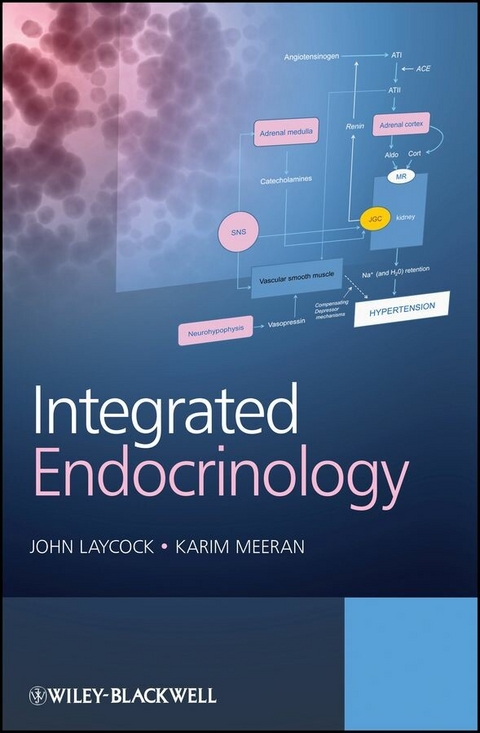
Integrated Endocrinology (eBook)
John Wiley & Sons (Verlag)
978-1-118-45063-5 (ISBN)
This innovative textbook provides a readable, contemporary and fully integrated introduction to endocrine glands, their hormones and how their function relates to homeostasis. It explores the pathology of endocrine disease by relating the underpinning science through a wealth of clinical scenarios and examples. The book integrates basic and clinical aspects for a range of endocrine glands and their hormones and includes a number of specialist chapters that also address areas of intense research and clinical interest including the regulation of salt, appetite and endocrine-immune interactions.
- Provides a fully-integrated, scientific and clinical introduction to endocrinology.
- Includes a wealth of colour illustrations to reinforce key concepts.
- Introduces clinical scenarios and leading questions to engage interest and illustrate the relevance of the underpinning science.
- Includes key references and suggestions for further reading at the end of each chapter.
Written by a highly respected and experienced author team this new textbook will prove invaluable to students needing an original, integrated introduction to the subject across a variety of disciplines including biomedical science, pharmacology , bioengineering and pre-clinical medicine.
Professor John Laycock, Division of Neuroscience and Mental Health, Faculty of Medicine, Imperial College London, UK.
Professor Karim Meeran, Division of Investigative Science, Faculty of Medicine, Imperial College London, UK.
This innovative textbook provides a readable, contemporary and fully integrated introduction to endocrine glands, their hormones and how their function relates to homeostasis. It explores the pathology of endocrine disease by relating the underpinning science through a wealth of clinical scenarios and examples. The book integrates basic and clinical aspects for a range of endocrine glands and their hormones and includes a number of specialist chapters that also address areas of intense research and clinical interest including the regulation of salt, appetite and endocrine-immune interactions. Provides a fully-integrated, scientific and clinical introduction to endocrinology. Includes a wealth of colour illustrations to reinforce key concepts. Introduces clinical scenarios and leading questions to engage interest and illustrate the relevance of the underpinning science. Includes key references and suggestions for further reading at the end of each chapter. Written by a highly respected and experienced author team this new textbook will prove invaluable to students needing an original, integrated introduction to the subject across a variety of disciplines including biomedical science, pharmacology , bioengineering and pre-clinical medicine.
Professor John Laycock, Division of Neuroscience and Mental Health, Faculty of Medicine, Imperial College London, UK. Professor Karim Meeran, Division of Investigative Science, Faculty of Medicine, Imperial College London, UK.
Integrated Endocrinology?????????????????????????????????????????????????????????????? 3
Contents?????????????????????????????? 7
Preface???????????????????????????? 9
Chapter 1 The Molecular Basis of Hormones???????????????????????????????????????????????????????????????????????????????????????????????? 11
Endocrine glands and their hormones 11
Introduction 11
What is an endocrine gland (or tissue)? 12
What is a hormone? 14
Hormones versus neurotransmitters 16
Synthesis of hormones 20
Polypeptide and protein hormones 20
Steroid hormones 24
Amino acid–derived hormones 25
The eicosanoids: Prostaglandins, thromboxanes, prostacyclins and leukotrienes 26
The gaseous molecules 26
Storage of hormones 28
Protein and polypeptide hormones 28
Amino acid–derived hormones 29
Steroid hormones 29
Eicosanoids and gaseous hormones 31
Release of hormones 31
Protein and polypeptide hormones 32
Amino acid–derived hormones 33
Steroids and other lipophilic hormones 34
Transport of hormones in the circulation 34
Hormone receptors 34
Protein and polypeptide (and certain other) hormone receptors 35
Hormone receptor removal 36
Steroid hormone receptors 38
Mechanisms of action 39
Protein and polypeptide hormones 39
Steroid hormones 44
Feedback control 45
Negative feedback 46
Positive feedback 49
Internal feedback 51
Summary 51
Conclusion 51
Reference 52
Chapter 2 The Hypothalamus and the Concept of Neurosecretion?????????????????????????????????????????????????????????????????????????????????????????????????????????????????????????????????????? 53
The hypothalamus 53
Structure 53
Blood supply to the hypothalamus 56
Hypothalamic neurosecretions: Neurotransmitters and hormones 57
Physiological role of the hypothalamus 59
Chapter 3 The Pituitary Gland (1): The Anterior Lobe (Adenohypophysis)?????????????????????????????????????????????????????????????????????????????????????????????????????????????????????????????????????????????????????????? 61
Introduction 61
Embryological derivation 61
General structure 61
The anterior pituitary and its link to the hypothalamus 63
Hypothalamic neurones and their hormones 65
Pituitary tumours and the optic chiasma 68
The adenohypophysial hormones 69
The adenohypophysial protein hormones 71
Somatotrophin (GH) 71
Prolactin 80
The glycoproteins 86
The gonadotrophins: Luteinising hormone (LH) and follicle-stimulating hormone (FSH) 86
Thyrotrophin 90
The polypeptide corticotrophin (ACTH) 93
Further Reading 97
Chapter 4 The Pituitary Gland (2): The Posterior Lobe (Neurohypophysis)???????????????????????????????????????????????????????????????????????????????????????????????????????????????????????????????????????????????????????????? 99
Embryological derivation and general structure 99
Synthesis, storage, release and transport of neurohypophysial hormones 100
Vasopressin (VP) 104
Receptors and mechanisms of action 104
Physiological actions of vasopressin 106
Control of vasopressin secretion 111
Oxytocin (OT) 114
Receptor and mechanism of action 114
Physiological actions of oxytocin 114
Control of release 117
Further Reading 118
Chapter 5 Diseases of the Pituitary Gland???????????????????????????????????????????????????????????????????????????????????????????????? 119
The anterior pituitary (adenohypophysis) 119
Individual adenohypophysial hormone deficiencies 120
Corticotrophin (ACTH) deficiency 120
Thyrotrophin (TSH) deficiency 121
Growth hormone deficiency 121
Gonadotrophin (LH and FSH) deficiency 122
Hyperprolactinaemia 123
Anterior pituitary hypofunction (panhypopituitarism) 123
Tumour size matters 124
Non-functioning pituitary adenomas 127
Anterior pituitary hyperfunction (hyperpituitarism) 127
Cushing’s disease 127
Prolactinomas 131
Acromegaly 132
Thyrotrophinomas (TSHomas) 135
The posterior pituitary gland (neurohypophysis) 135
Excess vasopressin: The syndrome of inappropriate antidiuretic hormone hypersecretion (SIADH) 135
Lack of vasopressin: Diabetes insipidus (DI) 136
Oxytocin deficiency or excess 137
Appendix: Clinical Cases 138
Answers to Clinical Scenario 5.1 138
Answers to Clinical Scenario 5.2 140
Further Reading 141
Chapter 6 The Gonads (1): Testes?????????????????????????????????????????????????????????????????????????????? 143
Introduction 143
The embryonic development of the testes 143
The genetic basis of spermatozoon production 145
The endocrine basis for phenotype differentiation 147
The anatomy and structure of the testes 147
The testicular hormones and their receptors 149
The androgens 150
Synthesis, storage and release 150
The activins and inhibins 156
Control of testicular function 157
Coitus and penile erection 157
Diseases of the testis 160
Klinefelter’s syndrome 160
Primary testicular failure 162
Testicular cancer 162
Epididymitis and epididymo-orchitis 162
Testicular torsion 163
Varicocoele 163
Hydrocoele 163
Androgen insensitivity syndrome (AIS, or testicular feminisation) 163
Testosterone replacement 164
Further Reading 164
Chapter 7 The Gonads (2): Ovaries???????????????????????????????????????????????????????????????????????????????? 165
Introduction 165
Embryonic development of the ovaries 166
The genetic basis of ovum production 166
The anatomy and structure of the ovaries and related structures 168
The menstrual cycle 170
The ovarian cycle 170
The endometrial cycle 173
The ovarian hormones 174
Oestrogens 174
Progestogens 182
Inhibins 184
Activins 186
Follistatins 187
Control of the menstrual cycle 187
Clinical conditions 192
Polycystic ovarian syndrome (PCOS) 192
Primary ovarian failure 193
Postmenopausal osteoporosis 193
Selective oestrogen receptor modulators 194
Oral contraceptives 195
Ovarian cancer 195
Appendix: Clinical Cases 196
Answers to Clinical Scenario 7.1 196
Further Reading 198
Chapter 8 The Endocrine Control of Puberty?????????????????????????????????????????????????????????????????????????????????????????????????? 199
Introduction 199
Pubertal changes 199
Secondary sexual characteristics 200
Physical growth 201
Mental changes 202
Adrenarche 202
The endocrine basis for the pubertal changes 203
What is the signal for the onset for puberty? 204
The regulation of GnRH neurones 206
The kiss gene and its products 207
Further Reading 208
Chapter 9 The Hormones of Pregnancy, Parturition and Lactation?????????????????????????????????????????????????????????????????????????????????????????????????????????????????????????????????????????? 209
Introduction 209
Fertilisation 209
Implantation and creation of the placenta 211
Hormones of pregnancy 213
Human chorionic gonadotrophin (hCG) 213
Oestrogens 214
Progestogens 216
Relaxin 216
Human placental lactogen (hPL) 216
Human growth hormone placental variant (hGH-pV) 217
Other maternal hormones 217
Parturition 217
Lactation 219
Chapter 10 The Adrenal Glands (1): Adrenal Cortex???????????????????????????????????????????????????????????????????????????????????????????????????????????????? 221
Introduction 221
Adrenal embryology and general structure 221
Synthesis, storage, release and transport of the adrenocortical hormones 223
Corticosteroid hormones during fetal and neonatal development 227
Pregnancy and corticosteroids 227
Corticosteroid receptors and mechanisms of action 228
Physiological actions of corticosteroids 230
Mineralocorticoids (aldosterone) 230
Glucocorticoids (cortisol) 231
Androgens 240
Regulation of corticosteroid production 240
Aldosterone 240
Cortisol 244
Adrenocortical disorders 246
Adrenocortical failure (Addison’s disease) 246
Congenital adrenal hyperplasia (CAH) 248
Tumours of the adrenal cortex 250
Appendix: Clinical Scenarios 253
Answers to Clinical Scenario 10.1 253
Answers to Clinical Scenario 10.2 255
Further Reading 256
Chapter 11 The Adrenal Glands (2): Adrenal Medulla?????????????????????????????????????????????????????????????????????????????????????????????????????????????????? 257
Introduction 257
Synthesis, storage, release and transport of adrenal medullary hormones 257
Catecholamine receptors 260
Physiological actions 262
Control of release 263
Adrenal medullary disorders 264
Adrenomedullary failure 264
Adrenomedullary tumours 265
Appendix: Clinical Case 266
Answers to Clinical Scenario 11.1 266
Reference 267
Chapter 12 The Endocrine Control of Salt and Water Balance?????????????????????????????????????????????????????????????????????????????????????????????????????????????????????????????????? 269
Introduction 269
Salt and water regulation and the human body 270
Gastrointestinal (GI) tract 271
The kidneys 271
The skin and lungs 272
Regulatory mechanisms 272
Salt regulation 273
Water handling 278
Central regulation 280
Clinical correlates 280
Hyponatraemia 280
Hypernatraemia 281
Hormones and blood pressure regulation 282
Conclusion 283
Chapter 13 The Thyroid Gland and Its Iodothyronine Hormones???????????????????????????????????????????????????????????????????????????????????????????????????????????????????????????????????? 285
Introduction 285
Embryological derivation, general structure and histology 285
Synthesis, storage and release of iodothyronines 287
Uptake of iodide into follicular cells 288
Thyroglobulin synthesis 288
Iodination and organification reactions forming mono- and di-iodotyrosines 289
Coupling reaction, with the formation of tri- and tetra-iodothyronines 290
Storage in the colloid 290
Uptake from colloid and release into circulation 291
Peripheral conversions 291
Transport of iodothyronines in the blood 291
The iodothyronine receptors and mechanism(s) of action 292
Physiological actions 294
Basal metabolic rate (BMR) 294
Protein metabolism 295
Carbohydrate metabolism 296
Lipid metabolism 296
Vitamin A synthesis 296
Brain energy balance regulation 297
Growth and development 297
Interactions with the sympathetic nervous system 298
CNS effects 298
Effects on bone 299
Regulation of thyroid iodothyronine hormones 299
Diseases of the thyroid gland 301
Thyroid failure 301
Primary hypothyroidism 301
Myxoedema coma 302
Neonatal hypothyroidism 302
Overactivity of the thyroid gland 303
Graves’ disease 303
A hot thyroid nodule 305
de Quervain’s (viral) thyroiditis 305
Treatment of hyperthyroidism 307
Management of a non-functioning thyroid lump 308
Appendix: Clinical Scenario 309
Answers to Clinical Scenario 13.1 310
Reference 311
Further Reading 311
Chapter 14 The Islets of Langerhans and Their Hormones?????????????????????????????????????????????????????????????????????????????????????????????????????????????????????????? 313
Introduction 313
The pancreatic islets of Langerhans: Anatomy and structure 315
The ? (beta) cells and insulin 318
Synthesis, storage, secretion and transport of insulin 318
Insulin receptors and mechanism of action 320
Actions of insulin 320
Control of insulin release 325
The ? (alpha) cells and glucagon 329
Synthesis, storage, release and transport 329
Glucagon receptors and mechanism of action 329
Actions of glucagon 329
Control of glucagon release 330
The ? (delta) cells and somatostatin 331
The ? (gamma) cells and pancreatic polypeptide (PP) 331
Clinical conditions associated with glucose metabolism disturbances 331
Further Reading 333
Chapter 15 Diabetes Mellitus?????????????????????????????????????????????????????????????????????? 335
Introduction 335
Type 1 diabetes (insulin-dependent diabetes) 335
Type 2 diabetes (non-insulin-dependent diabetes) 336
Clinical presentation of patients with diabetes mellitus 337
Clinical presentation of type 2 diabetes mellitus 337
Treatment of type 1 diabetes 339
Treatment of type 2 diabetes 339
Long-term complications of diabetes mellitus 340
Microvascular complications 340
Macrovascular complications 344
Appendix: Clinical Scenario 345
Answers to Clinical Scenario 15.1 346
Reference 346
Further Reading 346
Chapter 16 The Gut-Brain Axis???????????????????????????????????????????????????????????????????????? 347
Introduction 347
Neuropeptide Y (NPY) 348
Glucagon and glucagon-like peptide-1 (GLP-1) 349
Oxyntomodulin 350
Leptin 350
Orexins 351
The combined effects of different gut hormones in patients with gastric bypass surgery 351
References 352
Further Reading 352
Chapter 17 Hormones, Endocrine Tumours and the Gut?????????????????????????????????????????????????????????????????????????????????????????????????????????????????? 353
Introduction 353
Insulinomas 353
Secretin 355
Gastrin and gastrinomas 355
Localisation of gastrinomas 356
VIPomas 356
Glucagonoma 356
Somatostatinomas 357
Further Reading 357
Chapter 18 The Parathyroids, the Endocrine Kidney and Calcium Regulation?????????????????????????????????????????????????????????????????????????????????????????????????????????????????????????????????????????????????????????????? 359
Introduction 359
Parathormone, or parathyroid hormone (PTH) 362
Synthesis, storage, release and transport 362
Receptors and mechanism of action 363
Actions of parathormone 363
Control of synthesis and release 367
Calcitriol (1,25 (OH)2-cholecalciferol) 367
Synthesis, storage, release and transport 367
Receptors and mechanism of action 369
Actions 370
Control of calcitriol synthesis and release 372
Calcitonin 373
Synthesis, storage, release and transport 373
Receptor and mechanism of action 374
Actions of calcitonin 374
Control of synthesis and release 374
Phosphate regulation and fibroblast growth factor-23 374
Diseases of the parathyroids, the endocrine kidney and calcium disorders 376
Osteoporosis 376
Renal osteodystrophy 377
Primary hyperparathyroidism 378
Treatment of primary hyperparathyroidism 379
Sarcoidosis 379
Hypoparathyroidism 380
Treatment of secondary hyperparathyroidism and osteomalacia 380
Treatment of osteoporosis 380
Appendix: Clinical Scenario 381
Answers to Clinical Scenario 18.1 382
Further Reading 383
Chapter 19 The Genetics of Endocrine Tumours?????????????????????????????????????????????????????????????????????????????????????????????????????? 385
Multiple endocrine neoplasia types 1 and 2, and Von Hippel Lindau disease 385
Multiple endocrine neoplasia type 1 (MEN1) 385
Pancreatic tumours 386
Gastrinoma 386
Insulinoma 387
Glucagonoma 387
VIPoma 388
PPoma 388
Pituitary tumours 388
Genetics of MEN1 389
Multiple Endocrine Neoplasia type 2 (MEN2) 389
MEN2a 390
MEN2b 390
FMTC 390
Further Reading 391
Chapter 20 Future Prospects???????????????????????????????????????????????????????????????????? 393
Introduction 393
Neuroendocrinology 393
The genome 394
Stem cells 394
Organ replacement 394
Technical advances 395
Index???????????????????????? 397
| Erscheint lt. Verlag | 1.10.2012 |
|---|---|
| Sprache | englisch |
| Themenwelt | Medizin / Pharmazie ► Medizinische Fachgebiete ► Chirurgie |
| Medizinische Fachgebiete ► Innere Medizin ► Endokrinologie | |
| Naturwissenschaften ► Biologie | |
| Schlagworte | Anatomie u. Physiologie • Anatomy & Physiology • Aspects • Biowissenschaften • Book • Clinical • Clinical Scenarios • Disease • endocrine • endocrine glands • endocrinology • Endokrinologie • Function • glands • homeostasis • hormones • innovative textbook • Integrated • integrates • Introduction • Life Sciences • Medical Science • Medizin • Pathology • Range • relates • Science • Underpinning • Wealth |
| ISBN-10 | 1-118-45063-9 / 1118450639 |
| ISBN-13 | 978-1-118-45063-5 / 9781118450635 |
| Informationen gemäß Produktsicherheitsverordnung (GPSR) | |
| Haben Sie eine Frage zum Produkt? |
 PDF (Adobe DRM)
Kopierschutz: Adobe-DRM
Adobe-DRM ist ein Kopierschutz, der das eBook vor Mißbrauch schützen soll. Dabei wird das eBook bereits beim Download auf Ihre persönliche Adobe-ID autorisiert. Lesen können Sie das eBook dann nur auf den Geräten, welche ebenfalls auf Ihre Adobe-ID registriert sind.
Details zum Adobe-DRM
Dateiformat: PDF (Portable Document Format)
Mit einem festen Seitenlayout eignet sich die PDF besonders für Fachbücher mit Spalten, Tabellen und Abbildungen. Eine PDF kann auf fast allen Geräten angezeigt werden, ist aber für kleine Displays (Smartphone, eReader) nur eingeschränkt geeignet.
Systemvoraussetzungen:
PC/Mac: Mit einem PC oder Mac können Sie dieses eBook lesen. Sie benötigen eine
eReader: Dieses eBook kann mit (fast) allen eBook-Readern gelesen werden. Mit dem amazon-Kindle ist es aber nicht kompatibel.
Smartphone/Tablet: Egal ob Apple oder Android, dieses eBook können Sie lesen. Sie benötigen eine
Geräteliste und zusätzliche Hinweise
Buying eBooks from abroad
For tax law reasons we can sell eBooks just within Germany and Switzerland. Regrettably we cannot fulfill eBook-orders from other countries.
aus dem Bereich