The Editors are joined by over 50 international experts, offering a truly global perspective on the full spectrum of issues in oral and maxillofacial surgery. The book’s coverage extends from basic principles such as patient evaluation, dental anesthesia, wound healing, infection control, and surgical instruments, to coverage of the complex areas of dentoalveolar surgery, oral pathologic lesions, trauma, implant surgery, dentofacial deformities, temporomandibular joint disorders, and salivary gland disorders. Where relevant, the book provides separate coverage of topics where practice differs significantly from region to region, such as general anesthesia.
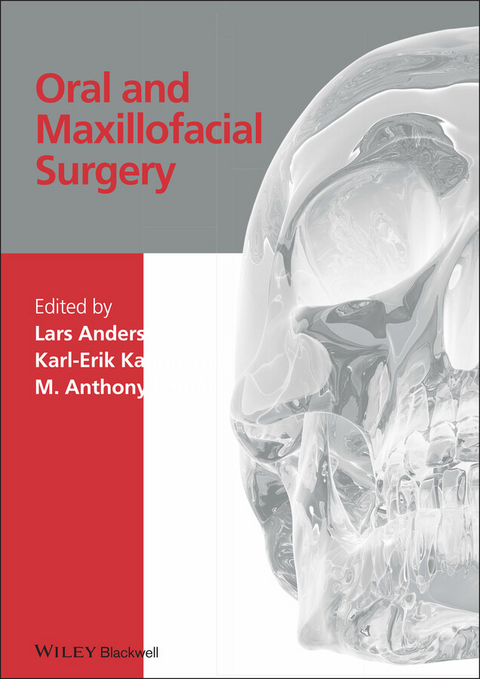
Oral and Maxillofacial Surgery Oral and Maxillofacial Surgery Edited by Lars Andersson, Karl-Erik Kahnberg and M. Anthony Pogrel Oral and Maxillofacial Surgery is a comprehensive reference for all trainees and specialists in oral and maxillofacial surgery, oral surgery, and surgical dentistry. This landmark new resource draws together current research, practice and developments in the field, as expressed by world authorities. The book s aim is to cover the full scope of oral and maxillofacial surgery, incorporating recent technical and biological developments within the specialty. It provides a uniquely international and contemporary approach, reflecting the exciting developments of technique and instrumentation within this surgical field, built on technical innovation and medical and dental research. Oral and Maxillofacial Surgery coalesces impressively broad and deep coverage of this surgical specialty into a cohesive and readable resource, identifying commonalities and shedding light on controversies through reasoned discussion and balanced presentation of the evidence.The Editors are joined by over 50 international experts, offering a truly global perspective on the full spectrum of issues in oral and maxillofacial surgery. The book s coverage extends from basic principles such as patient evaluation, dental anesthesia, wound healing, infection control, and surgical instruments, to coverage of the complex areas of dentoalveolar surgery, oral pathologic lesions, trauma, implant surgery, dentofacial deformities, temporomandibular joint disorders, and salivary gland disorders. Where relevant, the book provides separate coverage of topics where practice differs significantly from region to region, such as general anesthesia. Comprehensive reference covering full scope of oral and maxillofacial surgery Covers state-of-art clinical practice, and the basic principles that underpin it Promotes an intellectually and internationally inclusive approach to oral and maxillofacial surgery Nearly 100 expert contributors brought together under the aegis of a renowned international editorial team Richly illustrated with medical artwork and clinical images ALSO OF INTEREST Clinical Periodontology and Implant Dentistry, Fifth EditionEdited by Jan Lindhe, Niklaus P. Lang, Thorkild Karring ISBN: 9781405160995 Textbook and Color Atlas of Traumatic Injuries to the Teeth, Fourth Edition Edited by Jens Andreasen, Frances Andreasen, Lars Andersson ISBN: 9781405129541
THE EDITORS Lars Andersson, DDS, PhD, DrOdont, Professor, Oral and Maxillofacial Surgery, Chairman Department of Surgical Sciences, Faculty of Dentistry, Health Sciences Center, Kuwait University, Kuwait Karl-Erik Kahnberg, DDS, PhD, DrOdont, Professor Emeritus, Oral and Maxillofacial Surgery, Institute of Odontology, The Sahlgrenska Academy, University of Gothenburg, Sweden M. Anthony (Tony) Pogrel, DDS, MD, FRCS, FACS, Associate Dean for Hospital Affairs, Professor and Chairman, Department of Oral and Maxillofacial Surgery, University of California San Francisco, USA
Title Page 5
Table of Contents 7
List of Contributors 35
Preface 40
Part 1: Basic Principles 41
Chapter 1: Patient Evaluation 43
Obtaining a patient history 43
Physical examination 45
Comorbidities/systemic diseases 46
Cardiovascular system 46
Pulmonary system 49
Endocrine system 50
Obesity 51
Other organ systems 51
Imaging 52
Laboratory studies 52
Arriving at a diagnosis 54
Assessing anesthetic/surgical risk 54
Summary 55
References 55
Chapter 2: Radiographic Imaging in Oral and Maxillofacial Surgery 57
Introduction 57
Computed tomography (CT) 57
Cone-beam computed tomography (cone-beam CT) 58
Magnetic resonance imaging (MRI) 58
Impacted teeth 58
Pathological conditions – inflammatory lesions, cysts, benign and malignant tumors 58
Inflammatory lesions 58
Cysts and benign tumors 61
Malignant tumors 62
Temporomandibular joint (TMJ) 64
Implant treatment 65
References 67
Chapter 3: Medical Aspects – High-risk Patients 69
Cardiovascular system 69
Ischemic heart disease 69
Valvular heart disease 70
Congestive heart failure 71
Respiratory system 71
Asthma 71
Chronic obstructive pulmonarydisease 72
Renal system 72
Renal failure 72
Endocrine system 72
Diabetes mellitus 72
Gastrointestinal system 73
Liver failure 73
Hematologic system 73
Disorders of hemostasis 73
Immunologic system 74
HIV/AIDS 74
Neurologic system 75
Seizure disorders 75
Musculoskeletal system 76
Bisphosphonate-relatedosteonecrosis of the jaws (BRONJ) 76
References 76
Chapter 4: Medical Emergency Care 79
Syncope 80
Management 80
Chest pain 80
Pathogenesis 80
Diagnosis and history 81
Management 81
Cardiac arrest 82
The automated external defibrillator 82
General approach to the collapsed patient 83
Considerations in transfer of the patient 83
Asthma 83
Pathophysiology 83
Prevention 83
Clinical presentation 84
Management 85
Hypoglycemia 85
Normal physiological response to hypoglycemia 85
Signs and symptoms of hypoglycemia 86
Management 86
Anaphylaxis 87
Presentation 87
Differential diagnosis 88
Management 88
Seizures 88
Management 88
Status epilepticus 89
References 89
Chapter 5: Local Anesthesia 91
Introduction 91
Mode of action of local anesthetics 91
Techniques of local anesthesia for oral and maxillofacial surgery 92
Topical anesthesia 92
Infiltration anesthesia 92
Regional block anesthesia 92
Supplementary intraoral techniques of local anesthesia 96
Local anesthetic drugs 97
Lidocaine 97
Mepivacaine 97
Prilocaine 97
Articaine 97
Etidocaine 98
Bupivacaine 98
Levobupivacaine 98
Ropivacaine 98
Complications of local anesthesia in the orofacial region 98
Localized complications 98
Systemic complications 99
References 100
Chapter 6a: Sedation and General Anesthesia in Oral and Maxillofacial Surgery: A UK Perspective 101
History 101
The role and scope of sedation 103
Inhalational sedation 104
Oral sedation 105
Intravenous sedation 105
General anesthesia 107
Conclusion 108
References 108
Chapter 6b: Sedation and General Anesthesia in Oral and Maxillofacial Surgery: A US Perspective 109
Historical perspective 110
The 19th century after Wells and Morton 110
The 20th century 112
The 21st century 115
Training, professional organizations, and standards 115
Goals and objectives in the administration of anesthesia 116
The initial intuitively derived concepts 116
The initial approach 117
Requisites for the ideal anesthetic in the modern era 117
The essential role of the basic sciences in the advancement of anesthesia 117
Areas of the brain affected by anesthetic agents 117
The critical realization that on a molecular basis all anesthetic drugs share a commonmechanism of action 121
Multiple sites of action and receptors in the CNS dictate a balanced approach 126
The current status of office anesthesia in the oral and maxillofacial surgery practice 127
Primary anesthetic agents 127
Ancillary agents 132
Balanced anesthetic approaches currently used in oral and maxillofacial surgery practices 136
Method of delivery 137
Total intravenous anesthesia (TIVA) 137
The author’s office-based anesthesia technique 138
Intravenous sedation 138
Local anesthesia 138
Perioperative management 141
Preoperative preparation 141
Delivery system 143
Airway management 144
Monitoring 145
Awareness during anesthesia 148
Intraoperative fluid management 148
Recovery and discharge 149
Special patient populations 149
Future trends and advancements – on the horizon 153
Conclusion 154
References 154
Chapter 7: Dentofacial Infection 165
Introduction 165
Dentoalveolar abscess 165
Radiographic appearance 166
Site and spread of infection 166
Microbiology of dental infections 169
Management of patients with orofacial infection 170
Ludwig’s angina 170
Osteomyelitis 170
Chronic sclerosing non-suppurative osteomyelitis (Garré’s osteomyelitis) 171
Diffuse sclerosing osteomyelitis of the mandible 171
Osteoradionecrosis 172
Osteonecrosis secondary to bisphosphonate therapy 172
Cavernous sinus thrombosis 172
Necrotizing fasciitis 173
Actinomycosis 173
infection of the oral mucosa and jawbones 174
Syphilis 175
References 175
Chapter 8: Armamentarium for Basic Procedures 177
Basic instrumentation for soft tissue procedures 177
Basic hard tissue instrumentation 178
Drills 179
Dental elevators 179
Dental forceps 179
Ancillary instrumentation 180
Sterilization of instruments 181
Suture materials and needles 182
Resorbable and non-resorbable 182
Braided and solid 182
Naturally occurring materials or synthetic 183
Uses for the various suture materials 183
Suture needles 183
New innovations in surgical instrumentation 184
References 184
Chapter 9: Basic Surgical Principles 185
Aseptic technique 185
Principles of surgical incisions 186
Types of intraoral incisions 186
Principles of soft tissue biopsy 188
Biopsy of the mucosal surface of the lip 189
Principles of suturing 190
Types of sutures 190
Types of needles 190
Suturing techniques 191
References 193
Chapter 10: Complications Associated with Dentoalveolar Surgery 195
Side-effects of dentoalveolar procedures 195
Bleeding 195
Pain 196
Swelling 196
Postoperative complications 198
Surgical site infection 198
Alveolar osteitis 198
Fractures 199
Root fracture 200
Root or tooth displacement 201
Oroantral communication 202
References 203
Chapter 11a: Normal Wound Healing 205
Physiology 205
Inflammatory phase 205
Proliferation phase 206
Maturation/remodeling phase 206
Specialized healing 206
Skin and oral mucosa (including grafts) 206
Bone/extraction wounds 208
Implant healing 208
Wound healing adjuncts 208
Growth factors 208
Hyperbaric oxygen therapy 209
Skin substitutes 209
References 209
Chapter 11b: Compromised Wound Healing 211
Introduction 211
Compromised wounds 211
Microbiology of compromised wounds 211
Proteolytic enzymes 212
Growth factors and extracellular matrix 212
Treatment possibilities 212
Prevention of infections 212
Oxygen tension of tissues 212
Debridement (removal of necrotic tissue) 212
Regulation of proteolytic activity 213
Topical antimicrobial agents 213
Dressings 213
Specific compromised wounds 213
Non-healing wounds in irradiated tissue 213
Osteoradionecrosis 214
Osseointegration in irradiated tissues 214
Compromised skin grafts and flaps 215
Old age – osteoporosis 215
Diabetes mellitus 215
Drugs – bisphosphonates 215
References 216
Part 2: Dentoalveolar Surgery 219
Chapter 12: Extraction of Teeth 221
Medical evaluation 221
Indications for extraction 221
Caries 221
Periodontal disease 222
Pulp disease 222
Pathologic lesions surrounding teeth 222
Before radiation therapy 222
Crown and root fractures 222
Teeth in bone fracture lines 222
Malposition of teeth 222
Impacted teeth 223
Supernumerary teeth 223
Orthodontic indications 223
Before prosthetic extractions 223
Before surgical extractions 224
Other reasons for extraction 224
Contraindications for extraction 224
Systemic contraindications 224
Local contraindications 224
Clinical evaluation of teeth before extraction 225
Preoperative radiographic assessment 225
Control of anxiety and pain 226
Sedation 226
Local anesthesia 226
Preparation for extraction 227
Surgeon’s position for extraction with forceps 227
Principles of simple (closed) extraction 228
Surgical (open) extraction of teeth or roots 230
Technique for surgical extraction 231
Postextraction care and instructions 232
References 233
Chapter 13: Current Concepts and Strategies for Third Molar Removal 235
Introduction 235
Definitions, prevalence, and public health aspects 236
Prevalence 237
Public health aspects 237
Natural history of third molar impaction 238
Eruption 238
Pathology related to third molars 239
General aspects on clinical decision making 242
Judgement analysis 242
Decision analysis 244
Patient preferences 246
Indications for third molar removal 249
Therapeutic indications 249
Prophylactic third molar removal 250
Complications associated with third molar surgery 254
Contraindications for third molar removal 255
References 255
Chapter 14: Surgical Management of Third Molars 259
Introduction 259
Definitions and terminology 260
Presurgical assessment of third molars 260
Clinical assessment 260
Radiological assessment 260
Risk assessment 269
Grade of difficulty 269
Presurgical management 271
Referral 271
Consent 271
Patient information 271
The medically compromised patient 272
Medications commonly used in oral surgery 272
Anxiety and pain relief 272
Antibiotics 274
Analgesia 274
Steroids 274
Chlorhexidine 274
Surgical procedure 274
Principles of exodontia of third molars without using a flap 274
Surgical extraction of third molars 277
Alternative procedures 285
Coronectomy 285
Eruption of third molar 285
Orthodontic traction 285
Autotransplant 290
Germectomy or lateral trepanation 290
Restoration of adjacent tooth 290
Obliteration of third molar tooth bud 290
Periodontal therapy 290
Other techniques 290
Outcomes of third molar surgery 290
Successful outcome 290
Complications associated with treatment 292
Acknowledgments 294
References 294
Chapter 15: Surgical Treatment of Impacted Teeth other than Third Molars 299
Introduction 299
Definitions 299
Incidence 300
Theories why teeth become impacted 300
Evaluation 300
Radiographic evaluation 301
Treatment planning 302
Orthodontic considerations and prognostic markers 303
Surgical considerations and prognostic markers 304
Surgical management 304
Surgical removal 304
Exposure and bonding for guide eruption 305
Postoperative management and complications 306
References 306
Chapter 16: Nerve Involvement in Oral and Maxillofacial Surgery 309
Trigeminal nerve 309
Inferior alveolar nerve block 309
Inferior alveolar nerve damage from root canal treatment 309
Nerve damage from dental implants 310
Periodontal surgery 311
Nerve damage from dentoalveolar surgery 311
Lingual nerve 312
Long buccal nerve 314
Mylohyoid nerve 314
Evaluation of trigeminal nerve damage 314
Facial nerve 315
Microneurosurgery 317
References 318
Chapter 17: Autotransplantation of Teeth 321
Introduction 321
Donor teeth 321
Indications 322
Congenitally missing teeth 322
Unrestorable teeth 322
Crown–root and root fractures 322
Lost teeth in young growing patients 323
Lost teeth in adults 323
Autotransplants vs implants 323
Principles of healing after autotransplantation 323
Pulp 324
Periodontal ligament 326
Principles of surgery 327
Surgical techniques 328
Postoperative care 328
Long-term prognosis 329
Summary 330
References 330
Chapter 18: Endodontic Surgery 333
Introduction 333
Periradicular surgery procedures 333
Historical perspective of surgical endodontics 334
Initial clinical assessment 334
Why periapical surgery? 334
Root canal infections 335
Orthograde root canal treatment 335
Non-surgical root canal treatment outcomes 335
Periradicular disease lesions and outcomes 336
Microflora of the PRD lesion 336
Apicectomy procedures 336
Local anatomic considerations 337
Preoperative imaging 338
Equipment and materials 339
Surgical procedures 341
Guided tissue regeneration 346
Wound closure 346
Postsurgical management 347
Periradicular surgery outcomes 347
Other surgical endodontic procedures 348
Hemisection or root resection 348
Perforation repair 348
Intentional replantation 349
Informed consent 349
Endodontic surgery vs endosseous implants 350
References 350
Chapter 19: Preprosthetic and Oral Soft Tissue Surgery 353
Overview 353
Background 353
History 354
Oral soft tissue anatomy and histology 355
Lips 355
Cheeks 355
Gingiva 355
The floor of mouth 355
The palate 355
Primary indications of surgical procedures 356
Implant-related indications and soft tissue interactions 357
Soft tissue integration 357
Surgical management of peri-implant soft tissue 357
Minor preprosthetic procedures 362
Alveoloplasty along with tooth removal 362
Treatment of exostosis 362
Reduction of genial tubercles 362
Reduction of mylohyoid ridge 363
Removal of tori 363
Recontouring of soft tissues 363
Vestibuloplasty 366
Preoperative evaluation 366
Surgical techniques 367
Adjunctive and supportive surgical techniques 371
Socket preservation 371
Ridge splitting 372
Bone grafting 372
Alveolar distraction osteogenesis 372
Lasers in preprosthetic surgery 372
CO2 laser 373
Nd:YAG laser (neodymium) 373
Er:YAG soft tissue surgery (erbium) 374
Emerging technology and the future 374
References 375
Part 3: Implant Surgery 379
Chapter 20: Implantology 381
Biological principles behind osseointegration 381
Implant stability and loading considerations 381
Bone tissue responses to implants 385
The marginal tissues 388
Implant components 389
Indications for implant treatment 389
Contraindications 389
Medical contraindications 389
Systemic risk factors 389
Local contraindications 390
Treatment of children and adolescents with oral implants 390
Treatment planning 390
Clinical examination 390
Radiographic examination 391
Model analyses 391
Surgical procedure 392
Maintenance 392
Computer-guided implant treatment 393
References 394
Chapter 21: Optimal Implant Placement in the Esthetic Zone by the Use of Guided Bone Regeneration 397
Biological factors influencing the reconstruction of alveolar bone 397
The biological principles of guided bone regeneration 399
Tissue integration 400
Membrane design criteria and material selection 400
Biocompatibility 401
Non-resorbable membranes 401
Biodegradable barrier membranes 401
Indications for GBR treatment 402
Basic surgical technique of GBR 403
Preoperative antibiotics 403
Flap design 403
Site preparation 403
Graft material 403
Membrane selection and positioning 403
Suturing 404
Follow-up 404
Membrane removal 404
Clinical results of GBR 405
References 405
Chapter 22: Implant Placement in the Posterior Mandible 407
Anatomy of the posterior edentulous mandible 407
Normal topography 407
The mandibular canal 407
The mandibular neurovascular bundle 408
Resorption patterns of the alveolar ridge 409
General considerations 409
Implant placement superior to the mandibular canal 410
The use of wider implants 410
Placement of implants lingual to the neurovascular bundle 410
Crestal split 411
Surgical technique 412
Onlay augmentation in the posterior mandible 412
Vertical onlay 412
Lateral onlay 413
Distraction osteogenesis in the posterior mandible 414
Surgical technique 414
Nerve transposition 414
Surgical technique 415
Nerve lateralization 416
Surgical technique 416
Nerve repair 418
Ethical considerations 419
References 419
Chapter 23: Autogenous Bone Harvesting Techniques 423
Introduction 423
The need for bone 423
Choosing a harvest site based upon anticipated volumetric and structural needs 424
Cortical or cancellous graft? 425
Intraoral harvesting sites 425
Mandibular symphysis 426
Mandibular ramus and retromolar area 427
Maxillary tuberosity 428
Coronoid process 429
Mandibular and maxillary tori 429
Zygomatic bone 429
Extraoral harvesting sites 430
Ilium 430
Costochondral grafts 435
Calvarium 436
Proximal tibia 438
Proximal ulna 439
Vascularized fibula 439
References 441
Chapter 24: Treatment of Bone-deficient Ridges in Implant Rehabilitation 445
Introduction 445
Background 445
Aspects of bone graft behavior 446
Block or particulated bone 446
Onlay grafting 446
Inlay grafting 449
Bone graft reconstruction of the jaws before implant placement 450
Use of platelet-rich plasma 451
Staging of grafting procedures 451
Split crest surgery 451
Complications 452
References 452
Chapter 25: Implant Rehabilitation in the Posterior Maxilla Using Autogenous Bone Material 455
Introduction 455
Background 455
Morphologic aspects 456
Surgical technique 456
Literature review 459
Complications associated with sinus lift procedures 461
References 462
Chapter 26: Biomaterials for Bone Replacement in Implant Surgery 465
Introduction 465
Biomaterials 465
Biomaterials currently used in osseointegration 466
Anorganic bovine bone 466
Calcium phosphate 466
Calcium sulfate 467
Calcium carbonate 467
Bioactive glass 467
Demineralized freeze-dried bone allograft 467
Surgical techniques 467
Postextraction sites 467
Horizontal defects 468
Vertical defects 469
Sinus elevation 469
Biomaterials in major advanced osseointegration 473
Developments: growth factors and BMP 475
References 475
Chapter 27: The Zygoma Implant for the Totally Atrophied Maxilla 479
Introduction 479
The zygoma 480
Features of the zygoma bone 481
The zygoma implant 481
Description 482
Indications and aims 482
Radiological examination 482
Surgery 483
Complications 484
Functional rehabilitation 486
Guided and minimally invasive surgery 487
Conclusions 487
References 489
Chapter 28: The Role of Implants in Maxillofacial Reconstruction 491
Maxillary defects 491
Prosthodontic treatment 492
Definitive soft palate prosthesis 494
Tongue–mandible defects 495
Free bone grafts 496
Free vascularized flaps 496
Definitive prosthetic restoration 497
Implant-assisted overlay dentures 497
Facial defects 498
Surgical reconstruction vs prosthetic restoration 496
Alterations at surgery to enhance the prosthetic prognosis 499
Prosthetic facial restorations 499
Implants in irradiated tissues 501
Predictability of implants in irradiated bone 501
Irradiation of existing implants 503
References 503
Part 4: Infections 505
Chapter 29: Infections of the Oral and Maxillofacial Region 507
Biomedical sciences 508
Anatomy 508
Microbiology 510
Immunity and inflammation 512
Pharmacology 517
Principles of diagnosis of oral and maxillofacial infections 524
Assessment of emergency level 524
Recording of medical history 524
Assessment of the patient’s present status 525
Imaging studies 526
Blood and urine tests 526
Microbiologic examination 527
Principles of management of bacterial infections 528
Surgical treatment 529
Antimicrobial therapy 532
Medical supportive care 535
Patient monitoring and evaluation of response to treatment 536
Odontogenic infections 537
Types of odontogenic infections 537
Bacteriology of odontogenic infections 543
Pathology of odontogenic infections 544
The natural history of progression and clinical features 544
Management 547
Fascial space infections 547
Etiology and microbiology 548
Principles of diagnosis and management 548
Specific fascial space infections 550
Gas gangrene and necrotizing fasciitis 558
Osteomyelitis of the jaw 559
Suppurative osteomyelitis of the jaw 559
Infantile osteomyelitis 565
Chronic diffuse sclerosing osteomyelitis 565
Garré’s sclerosing osteomyelitis 566
Osteoradionecrosis 566
Bisphosphonate-related osteonecrosis of the jaw (BRONJ) 567
Dental fistulae 569
Pathogenesis and clinical findings 569
Diagnosis 570
Treatment 570
Acute necrotizing ulcerative gingivitis 571
Etiology and pathogenesis 572
Clinical features 572
Diagnosis 573
Management 573
Peri-implantitis 573
Etiology and pathogenesis 573
Microbiology 574
Clinical features 574
Diagnosis 574
Treatment 575
Infection of the maxillary sinus 575
Maxillary sinusitis of odontogenic origin 575
Influence of non-odontogenic maxillary sinusitis on the teeth 580
Fungal sinusitis (Aspergillus mycetoma of the maxillary sinus) 580
Oroantral communication and fistula 582
Clinical findings and diagnosis 582
Management of oroantral communication 582
Management of oroantral fistulae 583
Postoperative care and possible major complications 586
Consideration for antibiotic prophylaxis and its regimen 586
Peritonsillar abscess 586
Etiology and pathogenesis 586
Microbiology 587
Clinical features 587
Diagnosis 587
Treatment 588
Suppurative arthritis of the temporomandibular joint 588
Etiology, pathogenesis, and microbiology 588
Clinical signs and symptoms 588
Diagnosis 588
Treatment 589
Actinomycosis, tuberculosis, and syphilis 589
Actinomycosis 589
Tuberculosis 590
Syphilis 591
Complications of maxillofacial infections 592
Airway obstruction 592
Sepsis 593
Mediastinitis 594
Orbital cellulitis 595
Cavernous sinus thrombosis 595
Neurological complications 595
Infections of oral and maxillofacial wounds 596
Etiology and pathogenesis 597
Microbiology 598
Prevention of wound infection 598
Management of surgical site infections 602
Prevention of hematogenously spreading infections 605
Infective endocarditis 605
Infection of total joint replacement 607
Oral fungal infections 608
Candida infections 608
Other fungal infections 611
Oral and perioral viral infections 611
Primary herpetic gingivostomatitis 612
Herpes labialis 613
Recurrent herpetic ulceration 613
Chickenpox 614
Herpes zoster (shingles) 614
Ramsay-Hunt syndrome 614
Infectious mononucleosis (glandular fever) 614
Hairy leukoplakia 615
Burkitt’s lymphoma 615
Nasopharyngeal carcinoma 615
Roseola infantum 616
Kaposi’s sarcoma 616
Hand, foot, and mouth disease 616
Herpangina 617
Verruca vulgaris 617
Focal epithelial hyperplasia (Heck’s disease) 617
Mumps 617
Measles 618
Acknowledgments 618
References 618
Part 5: Oral Pathologic Lesions 623
Chapter 30: Initial Evaluation and Management of the Oral and Maxillofacial Pathology Patient 625
Approaching the oral and maxillofacial pathology patient 626
Obtaining the history 626
The focused physical examination 626
Imaging studies 633
Obtaining a tissue diagnosis 636
Fine-needle aspiration biopsy 639
Open biopsy for lymphadenopathy 642
Summary of the approach to the oral and maxillofacial pathology patient 642
Adjunctive diagnostic tools 643
Toluidine blue 644
Tissue fluorescence 644
Tissue reflectance 646
Brush cytology 646
Management of premalignant disease 647
Natural history of premalignant disease 648
Genetic progression to oral cancer 649
Surgical management of dysplasia 649
Medical management of dysplasia 650
Summary of management of dysplasia 650
Margin assessment 650
Frozen section analysis 650
Tissue shrinkage in margin analysis 651
Molecular techniques in margin analysis 651
Summary 651
Case presentations 652
The case of the inappropriate use of a technique 652
The case of the inadequate specimen 653
The case that benefited from an oral pathology consult 655
References 656
Chapter 31: Cystic Lesions of the Jaws 661
Odontogenic cysts 661
Apical or radicular cysts 661
Residual cysts 662
Lateral periodontal cysts 662
Dentigerous cysts 663
Eruption cyst 663
Gingival cysts 664
Odontogenic keratocyst (primordial cyst, keratocystic odontogenic tumor) 664
Calcifying epithelial odontogenic cyst 664
Malignancy within odontogenic cysts 664
Non-odontogenic cysts 664
Fissural cysts 664
Globulomaxillary cysts 664
Median mandibular cyst 664
Nasopalatine cysts 664
Non-epithelially lined cysts 665
Stafne/static bone cyst 665
Aneurysmal bone cysts 665
Solitary bone cyst 665
Soft tissue cysts 665
Nasolabial cysts 665
Sublingual dermoid and dermoid cysts 665
Branchial lymphoepithelial cysts 665
Thyroglossal cysts 666
Suggested reading list 666
Chapter 32: Odontogenic and Non-odontogenic Tumors of the Jaws 669
Introduction 669
Odontogenic tumors 670
Classification 670
Molecular biology 672
Treatment options for benign tumors of the jaws 673
Enucleation and curettage 673
Enucleation and peripheral ostectomy 674
Marsupialization 674
Intralesional adjunctive therapy: chemical fixation 675
Intralesional adjunctive therapy: cryotherapy 675
Resection 678
Reconstruction 678
Surgical treatment of malignant tumors of the jaws 680
Benign tumors 680
Odontogenic epithelium with mature, fibrous stroma without odontogenic ectomesenchyme 680
Odontogenic epithelium with odontogenic ectomesenchyme with or without hard tissue formation 694
Mesenchyme and/or odontogenic ectomesenchyme with or without odontogenic epithelium 696
Non-odontogenic benign tumors 698
Ossifying fibroma 698
Fibrous dysplasia 698
Osseous dysplasias 700
Central giant cell lesion 701
Cherubism 703
Aneurysmal bone cyst 703
Simple bone cyst 704
Odontogenic carcinomas 704
Ameloblastic carcinoma 704
Primary intraosseous squamous cell carcinoma 705
Clear cell odontogenic carcinoma 706
Ghost cell odontogenic carcinoma 706
Odontogenic sarcomas 706
Non-odontogenic malignant jaw tumors 707
Osteosarcoma 707
Chondrosarcoma 709
Ewing sarcoma 709
Malignant peripheral nerve sheath tumor 712
Metastatic carcinoma 714
Summary 715
References 715
Chapter 33: Mucosal Lesions (Potentially Malignant Disorders of the Oral Mucosa) 727
Concept and histology of potentially malignant disorders of the oral mucosa 727
General concept of potentially malignant disorders of the oral mucosa 727
Histology (grading of dysplasia) 728
Potentially malignant disorders of the oral mucosa 730
Leukoplakia 730
Erythroplakia 733
Palatal lesions in reverse smokers 734
Oral submucous fibrosis 734
Oral lichen planus 734
Others 737
Early detection and management of potentially malignant disorders of the oral mucosa 737
Early detection and diagnosis 737
Management 739
References 741
Chapter 34: Principles of Oral Cancer Management 745
Epidemiology and risk factors 745
Histologic grading, tumor staging, and clinical behavior 746
Tumor differentiation 746
Tumor thickness 746
Tumor size and staging 747
Tumor invasive pattern 747
Perineural invasion 747
Proliferative verrucous leukoplakia 748
Preoperative assessment, staging, and work-up 748
Surgical treatment of oral cancer based on subsite 752
Tongue 753
Maxillary gingiva 754
Mandibular gingiva 756
Buccal mucosa 756
Floor of the mouth 758
Lip 759
Management of the neck 759
Managing the N0 neck 759
Elective neck dissection versus “wait and see” for the N0 patient 761
Quality of life for patients having a neck dissection 762
Radiation therapy should not be used to treat the N0 neck 762
Extent of neck dissection for the N0 neck 763
Sentinel node biopsy 764
Managing the N+ neck 765
Postsurgical management 765
Histopathologic evaluation of the specimen 765
Postoperative complications 766
Surgery and postoperative radiation 766
Chemotherapy and radiation therapy 767
Follow-up 767
Non-resectable SCC or poor surgical candidates 767
Summary 767
References 768
Chapter 35: Management of Patients Undergoing Radiation and Chemotherapy 775
Radiotherapy 776
Brachytherapy 777
Chemotherapy 777
Side-effects 777
Radiotherapy 777
Chemotherapy 778
Management of oral health during radiation 779
Management of oral health during chemotherapy 779
Emotional well-being 780
Follow-up 780
Management of postradiation conditions 780
References 781
Chapter 36: Salivary Gland Disorders 783
Differential diagnosis 783
Introduction 783
Investigations 784
The discrete salivary mass 785
Granulomas and chronic infections 785
Inflammatory conditions 786
Cystic lesions 786
The intermittently swollen gland 787
The obstructed gland (see Obstructive disease) 787
The diffusely enlarged gland 787
Infection (bacterial and viral) 787
Autoimmune salivary disease 789
Non-autoimmune salivary gland disease 790
Metabolic salivary gland disease 791
Miscellaneous 791
Obstructive salivary gland disease 791
Introduction 791
Investigation 791
Sialolithiasis 793
Modern management of salivary calculi 796
Salivary gland tumors 800
New developments 800
General epidemiology 801
Etiology and risk factors 801
Investigation 801
Intraoperative facial nerve monitoring 802
Benign parotid tumor 802
Benign tumors of the submandibular and minor salivary glands 804
Malignant tumors 805
Radiotherapy 806
References 806
Chapter 37: Outcomes of Management of Oral Pathologic Lesions 815
Introduction 815
Survival 816
Tumor recurrence rates 817
Complications 817
Adult respiratory distress syndrome (ARDS) 817
Deep vein thrombosis (DVT) 817
Donor site morbidity 817
Free flap loss and flap salvage 818
Length of stay (LOS) 818
Plate infection and removal 818
Readmission 818
Wound infection rates 818
Patient-reported outcomes 818
Function 819
Access 820
Bone flaps 820
Mandibular resection 820
Maxillectomy 820
Neck dissection 820
Oral rehabilitation 820
Percutaneous endoscopic gastroscopy (PEG) 820
Postoperative radiotherapy 821
Soft palate resection 821
Tumor resection 821
Conclusion 821
Acknowledgments 821
References 821
Part 6: Trauma 825
Chapter 38: Assessment of the Injured Patient 827
Development of the ATLS concept of trauma care 827
Trauma centers and trauma systems 828
Initial treatment of the trauma patient 828
Triage 828
Primary survey and resuscitation 829
Secondary survey 835
Conclusion 836
References 837
Chapter 39: Traumatic Dental Injuries 839
Epidemiology of traumatic dental injuries and relation to oral and somatic injuries 839
Examination and diagnosis of dental injuries 839
Radiographic examination of TDI 843
Classification and clinical findings 843
Injuries to the hard dental tissues and the pulp 843
Injuries to the periodontal tissues 845
Treatment 845
Infraction 845
Crown fracture 845
Crown–root fracture 848
Root fracture 848
Concussion 848
Subluxation 848
Lateral luxation 848
Extrusive luxation (extrusion) 848
Intrusive luxation (intrusion) 848
Avulsion 850
Splinting of TDI 853
TDI in the primary dentition 853
Complications 854
Pulpal complications 854
Periodontal complications 855
Summary 856
References 856
Chapter 40: Midfacial Fractures 857
Midfacial skeleton as a three-dimensional structure 857
Classification 858
Epidemiology 860
Assessment of patients with midface injuries 861
Open or closed reduction 861
Surgical approaches to midfacial skeleton 861
Intraoral incisions 861
Midfacial degloving by intraoral incision 862
Periorbital incisions 862
Coronal incision 867
Limited transcutaneous approaches 870
Use of traumatic wounds 871
Endoscopic approaches 871
Treatment at the site of fracture 872
Fractures of the maxillary alveolar process 872
Fractures of the maxillary sinus walls 872
Le Fort I fracture (Guérin fracture, suborbital maxillary fracture) 873
Fractures of the hard palate 875
Fractures of nasal bones and related structures 875
Fractures of the zygomatic bone 879
Fractures of the orbit 885
Subfrontal fractures 885
Fractures of the frontal bone 888
Biodegradable screws and plates in management of midfacial fractures 893
Surgical technique 893
Strategy of management of complex midfacial fractures 894
Timing of repair 894
Anesthesia and airway management 895
References 897
Chapter 41: Orbital Reconstruction and Panfacial Fractures 901
Orbital reconstruction 901
Introduction 901
Surgical anatomy 901
Surgical approaches to the orbital cavity 902
Investigation of orbital trauma 903
Complications of orbital trauma 903
Preparation for orbital surgery 904
Material for orbital reconstruction 906
Intraoperative imaging and postoperative control 908
Conclusion 909
Planning and sequencing of the treatment of panfacial fractures 909
Diagnostics 909
Airway 910
Approaches 911
Timing 911
Therapy 913
Summary 914
References 914
Chapter 42: Mandibular Trauma – Principles of Treatment 917
Historical background 917
Etiology and epidemiology 918
Classification of mandibular fractures 918
Patient evaluation 919
Imaging 920
Goals of mandibular fracture treatment 922
Treatment options 923
Closed reduction 923
Open reduction 925
Surgical approaches 926
Basic principles of internal fixation 928
Complications of mandibular fracture repair 930
Infection 930
Malunion 931
Non-union 931
Nerve injury 932
Temporomandibular joint dysfunction and ankylosis 932
Growth disturbances 932
Facial widening 932
Special considerations 933
Teeth in the line of fracture 933
Condylar fractures 933
Comminuted fractures 936
Edentulous mandible fractures 936
Pediatric mandible fractures 937
Conclusions 937
References 938
Chapter 43: Transoral Endoscope-assisted Treatment of Displaced Condylar Mandible Fractures 941
Indications 941
Contraindications 942
Pre-, intra-, and postoperative evaluations 942
Surgical technique 943
Postoperative course and long-term results 947
Surgical vs non-surgical treatment of mandibular condyle fractures 948
The role of endoscope-assisted transoral techniques 949
Training 949
Summary 949
References 949
Chapter 44: Soft Tissue Trauma 951
Introduction 951
General principles of management 952
Assessment 952
Timing of repair 952
Antibiotic and tetanus prophylaxis 953
Tissue handling 954
Instrumentation 954
Postoperative care 955
Dressing management 955
Suture and staple removal 955
Healing adjuncts 956
Considerations for the extremes of age 958
Specific wounds 959
Abrasion 959
Laceration 959
Hematoma 960
Avulsion 961
Mucosa 961
Tongue 961
Nose 963
Ear 965
Eyelid injury 966
Canaliculi and lacrimal apparatus 967
Parotid duct and capsule 970
Facial nerve 973
Neck 973
Scalp 975
Postoperative untoward results 975
Delayed healing 975
Infection 975
Chronic inflammation 977
Over-repair 977
References 979
Part 7: Dentofacial Deformities 983
Chapter 45: Cleft Lip and Palate: An Overview 985
Global burden of birth defects: cleft lip and palate 985
Epidemiology 986
Etiology and genetics 986
Embryology 987
Classification 988
Interdisciplinary management of the cleft individual 988
Prenatal diagnosis 989
General assessment 990
Feeding and nutrition 990
Ear, nose, and throat evaluation 990
Presurgical orthopedics 990
Cleft lip repair 991
Unilateral cleft lip 992
Bilateral cleft lip 993
Repair of cleft palate 995
Timing of palate repair 995
Surgical anatomy 996
Principles and techniques of palate repair 996
Speech and velopharyngeal dysfunction 997
Correction of oronasal fistulae 998
Orthodontic management of the cleft individual 999
Alveolar cleft repair 999
Replacement of absent teeth in the line of the cleft 1001
Surgical correction of maxillary hypoplasia 1001
Technical considerations for cleft orthognathic surgery 1002
Conventional orthognathic surgery vs distraction osteogenesis 1005
Surgical correction of secondary lip and nose deformities 1006
Secondary lip deformities 1006
Cleft nasal deformity 1006
Cleft septorhinoplasty 1007
Summary 1009
References 1009
Chapter 46: Diagnosis and Treatment Planning for Orthognathic Surgery 1013
Introducing the patient to orthognathic treatment concepts 1015
Systematic patient evaluation 1015
Facial evaluation 1016
Intraoral examination 1024
Temporomandibular joint evaluation 1024
The nose 1025
Radiographic evaluation 1026
Diagnosis and treatment planning 1026
Lateral cephalometric analysis 1026
Skeletal antero-posterior relationships 1027
Vertical skeletal relations 1028
Analysis of dental relations 1028
Postero-anterior cephalometric analysis 1029
Transverse planes 1030
Vertical cephalometric midline 1030
Triangular analysis 1030
Dental model analysis 1030
Orthodontic principles in orthognathic surgery 1031
Postsurgical orthodontics 1033
Orthodontics without prior surgical consideration 1033
Esthetic objectives and surgical solutions 1033
Treatment principles for various surgical treatment scenarios 1034
Single jaw surgery: mandibular repositioning 1034
Single jaw surgery: maxillary surgery 1035
Double jaw surgery: repositioning the maxilla and the mandible 1037
Double jaw surgery: rotation of the maxillomandibular complex 1038
Chin surgery 1040
Treatment priorities and sequencing the treatment 1044
Visual treatment objective 1044
Model surgery 1044
Surgical technique 1045
Bilateral sagittal split ramus osteotomy 1045
Genioplasty 1048
Le Fort I maxillary osteotomy 1049
Simultaneous orthognathic surgery and rhinoplasty 1052
References 1052
Chapter 47: Orthognathic Surgery in Obstructive Sleep Apnea 1055
Introduction 1055
Obstructive sleep apnea 1055
Epidemiology and pathophysiology 1055
Diagnosis and definitions of OSA 1056
Principles of treatment 1056
Patient evaluation 1057
Symptoms and history 1057
Polysomnography 1058
Physical examination 1058
Imaging 1058
Indications for maxillomandibular advancement 1058
Presurgical treatment planning 1060
Surgical treatment 1060
Anesthetic and medical management considerations 1060
Surgical technique and sequencing of care 1061
Postoperative care and monitoring 1062
Pediatric considerations 1062
Acknowledgment 1063
References 1063
Chapter 48: Distraction Osteogenesis 1067
Introduction 1067
History and development 1067
Development of distraction applications on cranio-maxillofacial skeleton 1068
Biological process of distraction osteogenesis 1068
Mandibular distraction 1071
Indications for mandibular distraction osteogenesis 1071
Extraoral mandibular distraction 1071
Intraoral mandibular distraction 1074
Craniofacial distraction osteogenesis 1081
Indications for craniofacial distraction osteogenesis 1081
External maxillary and midface distraction 1081
Internal maxillary and midface distraction 1082
Zygomatic distraction 1084
Cranial distraction 1085
Maxillary palatal distraction 1085
Alveolar distraction osteogenesis 1085
Indications for alveolar distraction osteogenesis 1085
Vertical alveolar distraction 1086
Transverse alveolar distraction 1087
Temporomandibular joint distraction 1088
Bone transport distraction 1090
Extraoral devices for mandibular bone transport 1090
Intraoral distractor for mandibular bone transport 1091
Maxillary transport distraction 1091
Complications 1091
Research and development in maxillofacial distraction 1093
Administration of growth factors to enhance bone healing 1093
Resorbable distractor 1094
Continuous distraction osteogenesis 1094
References 1096
Chapter 49a: Craniofacial Syndrome Patients – Reconstructive Surgery 1101
Introduction 1101
Craniosynostosis 1102
Sagittal synostosis 1102
Metopic synostosis 1102
Unicoronal synostosis 1102
Bicoronal synostosis 1104
Lambdoid synostosis 1104
Positional plagiocephaly 1104
Craniofacial dysostosis syndromes 1104
Treatment in infancy 1105
Crouzon syndrome 1105
Pfeiffer syndrome 1107
Apert syndrome 1108
Saethre–Chotzen syndrome 1109
Carpenter syndrome 1110
Muenke syndrome 1110
Treacher Collins syndrome 1110
References 1111
Chapter 49b: Craniofacial Syndrome Patients – Orthognathic Surgery 1113
Crouzon syndrome 1113
Maxillofacial characteristics 1113
Orthodontic treatment 1113
Orthognathic surgery 1114
Apert syndrome 1115
Maxillofacial characteristics 1117
Orthodontic treatment 1117
Orthognathic surgery 1117
Pfeiffer syndrome 1118
Saetre–Chotzen syndrome 1118
Treacher Collins syndrome 1118
Maxillofacial characteristics 1118
Orthodontic treatment 1119
Orthognathic surgery 1119
Other syndromes 1120
Hemifacial microsomia 1122
Introduction 1122
Maxillofacial characteristics 1122
Orthodontic treatment 1122
Orthognathic surgery 1122
References 1124
Chapter 50: Reconstruction of Maxillary Defects 1125
Introduction 1125
Classification and treatment approaches for maxillary defects 1126
Classification of maxillary defects 1126
Okay classification 1126
Brown classification 1127
Maxillary defect reconstruction 1127
Prosthetic obturation of maxillary defects 1128
Staging of obturator fabrication 1128
Facilitating obturator retention and stability 1130
Soft tissue coverage of defects 1130
Implant support 1131
Soft palate reconstruction 1134
Local and regional flaps for maxillary reconstruction 1134
Temporalis and temporoparietal– galea flaps 1134
Buccal fat pad flap 1136
Preserving space after bone removal 1137
Free tissue transfer in maxillary reconstruction soft tissue obturation
Radial forearm free flap 1139
Radial forearm osteofasciocutaneous flap 1140
Fibula osteocutaneous flap 1140
Scapular angle osteomyogenous flap 1140
Vascularized iliac crest with internal oblique muscle flap 1142
Conclusion 1145
References 1145
Chapter 51: Mandibular Reconstruction 1149
Marginal resection 1149
Segmental resection 1150
Non-vascularized bone grafting for mandibular reconstruction 1153
Ribs 1153
Iliac crest 1155
Tibia 1158
Bone-containing microvascular free flaps 1159
Reconstruction involving the mandibular condyle 1160
Rib grafting 1160
Alloplastic condyle 1160
Replacement with a metatarsal 1161
Sternoclavicular joint 1161
Microvascular reconstruction of the condyle 1161
Staged techniques 1161
Radiation therapy 1161
Bisphosphonate therapy 1163
References 1163
Chapter 52: Tissue Engineering and Reconstruction 1165
Introduction 1165
Basic principles of tissue engineering 1166
Biomaterials 1167
Biomaterial tissue interaction 1167
Scaffolds 1168
Biofunctionalization 1169
Application of growth factors 1171
Growth factors 1171
Delivery vehicles and controlled release 1175
Cell-based approaches 1177
Cell sources 1177
Recombinant cells 1180
In vitro technology 1181
Future perspectives 1183
References 1184
Chapter 53: Cosmetic Facial Surgery 1189
Minimally invasive cosmetic facial surgery procedures 1189
Botox (botulinum toxin A) 1189
Injectable facial fillers 1192
Cervicofacial liposuction 1193
Midface implants 1195
Cheek implant technique 1196
Cosmetic blepharoplasty 1197
Evaluation of the blepharoplasty patient 1197
Blepharoplasty anesthesia 1199
Blepharoplasty procedure 1199
Postoperative care 1209
Acknowledgment 1212
References 1212
Part 8: Temporomandibular JointDisorders 1213
Chapter 54: Diagnosis and Non-surgical Management of Orofacial Pain 1215
Introduction 1215
Head, neck, and orofacial pain classifications 1216
Medical conditions masquerading as orofacial pain 1217
Intracranial disorders 1217
Neurovascular headache disorders 1217
Neuropathic pain disorders 1218
Headache attributed to associated extracranial pain disorders 1218
Intraoral pain disorders 1219
Musculoskeletal cervical and temporomandibular disorders 1220
Cervical spine disorders 1220
Temporomandibular disorders 1221
Classification of articular disorders 1222
Developmental and acquired disorders 1222
Disc derangements 1222
Condylar dislocation 1223
Inflammatory and non-inflammatory disorders 1223
Ankylosis and fracture 1224
Muscular disorders 1224
Local myalgia 1224
Myofascial pain 1224
Centrally mediated myalgia 1225
Myospasm 1225
Myositis and tendonitis 1225
Muscle contracture 1225
Muscle neoplasia 1225
Assessment of musculoskeletal disorders 1226
Screening history and examination 1226
Comprehensive history and examination 1226
Behavioral and psychosocial assessment 1226
Imaging 1226
Additional diagnostic tests 1227
Adjunctive diagnostic devices 1228
Dental casts 1228
Management of musculoskeletal disorders 1228
Patient education and self-care 1229
Cognitive behavioral intervention 1229
Pharmacologic therapy 1229
Physical therapy 1230
Orthopedic appliance therapy 1231
Conclusion 1232
References 1232
Chapter 55: Arthroscopy and Arthroscopic Surgery 1237
Development of temporomandibular joint arthroscopy 1237
Anatomic considerations 1237
Diagnostic arthroscopy 1238
Contraindications 1238
Arthroscopy equipment 1239
Arthroscopic procedure 1241
Anesthesia 1241
Puncture 1241
Arthroscopic examination 1242
Arthroscopic surgery 1242
Technical aspects 1242
Synovial biopsy 1242
Lavage (arthrocentesis) 1243
Lysis 1243
Disc repositioning 1243
Synovectomy 1243
Debridement and abrasion 1245
Restriction 1245
Intra-articular pharmacotherapy 1245
Postoperative care 1245
Complications 1246
Vascular injury 1246
Extravasation 1246
Scuffing 1246
Broken instruments 1246
Otologic complications 1246
Intracranial damage 1247
Infection 1247
Nerve injury 1247
Concluding remarks 1247
References 1247
Chapter 56: Temporomandibular Joint Surgery 1249
Development of temporomandibular joint surgery 1249
Classification of surgical TMJ disease 1250
Reciprocal clicking and chronic closed lock 1250
Surgical approaches to the TMJ 1251
Preparation of the surgical site 1251
Incision 1251
Dissection of the joint 1251
Reciprocal clicking 1253
Clinical diagnosis 1253
Surgical treatment 1253
Mandibular dislocation 1256
Clinical diagnosis 1256
Surgical treatment 1256
Chronic closed lock and osteoarthritis 1258
Clinical diagnosis 1258
Surgical treatment 1259
Osteoarthritis (degenerative joint disease) 1260
Chronic polyarthritis with TMJ involvement 1260
Clinical diagnosis 1261
Surgical treatment 1261
TMJ trauma 1262
Clinical findings 1262
Treatment 1262
Long-term consequences 1263
TMJ abnormalities 1263
Congenital abnormalities 1263
Acquired abnormalities 1263
TMJ tumors 1267
Benign tumors 1267
Malignant tumors 1270
TMJ infections 1271
Clinical diagnosis 1271
Surgical treatment 1271
Extra-articular connective tissue diseases 1271
Hyperplasia of the coronoid process 1271
Fibrosis of temporalis tendon 1271
Eagle’s syndrome 1274
References 1275
Chapter 57: Temporomandibular Joint Reconstruction 1277
Autogenous reconstruction 1277
Costochondral grafts for condylar replacement 1278
Fibula grafts for condylar replacement 1280
Autogenous reconstruction of the fossa 1280
Prosthetic reconstruction of the TMJ 1281
Surgical considerations in prosthetic TMJ reconstruction 1283
Treatment expectations after prosthetic reconstruction of the TMJ 1286
Future perspectives 1286
References 1287
Index 1289
| Erscheint lt. Verlag | 9.12.2011 |
|---|---|
| Sprache | englisch |
| Themenwelt | Medizin / Pharmazie ► Gesundheitsfachberufe |
| Medizin / Pharmazie ► Medizinische Fachgebiete ► Chirurgie | |
| Medizin / Pharmazie ► Zahnmedizin ► Chirurgie | |
| Schlagworte | Dental Traumatology • dentistry • Gesichtschirurgie • Kieferchirurgie • Kinderzahnheilkunde • Mundchirurgie • Mund-, Kiefer- u. Gesichtschirurgie • Oral & Maxillofacial Surgery • Pediatric Dentistry • Traumatologie i. d. Zahnheilkunde • Zahnmedizin |
| ISBN-10 | 1-118-29252-9 / 1118292529 |
| ISBN-13 | 978-1-118-29252-5 / 9781118292525 |
| Informationen gemäß Produktsicherheitsverordnung (GPSR) | |
| Haben Sie eine Frage zum Produkt? |
 PDF (Adobe DRM)
Kopierschutz: Adobe-DRM
Adobe-DRM ist ein Kopierschutz, der das eBook vor Mißbrauch schützen soll. Dabei wird das eBook bereits beim Download auf Ihre persönliche Adobe-ID autorisiert. Lesen können Sie das eBook dann nur auf den Geräten, welche ebenfalls auf Ihre Adobe-ID registriert sind.
Details zum Adobe-DRM
Dateiformat: PDF (Portable Document Format)
Mit einem festen Seitenlayout eignet sich die PDF besonders für Fachbücher mit Spalten, Tabellen und Abbildungen. Eine PDF kann auf fast allen Geräten angezeigt werden, ist aber für kleine Displays (Smartphone, eReader) nur eingeschränkt geeignet.
Systemvoraussetzungen:
PC/Mac: Mit einem PC oder Mac können Sie dieses eBook lesen. Sie benötigen eine
eReader: Dieses eBook kann mit (fast) allen eBook-Readern gelesen werden. Mit dem amazon-Kindle ist es aber nicht kompatibel.
Smartphone/Tablet: Egal ob Apple oder Android, dieses eBook können Sie lesen. Sie benötigen eine
Geräteliste und zusätzliche Hinweise
Buying eBooks from abroad
For tax law reasons we can sell eBooks just within Germany and Switzerland. Regrettably we cannot fulfill eBook-orders from other countries.
aus dem Bereich