


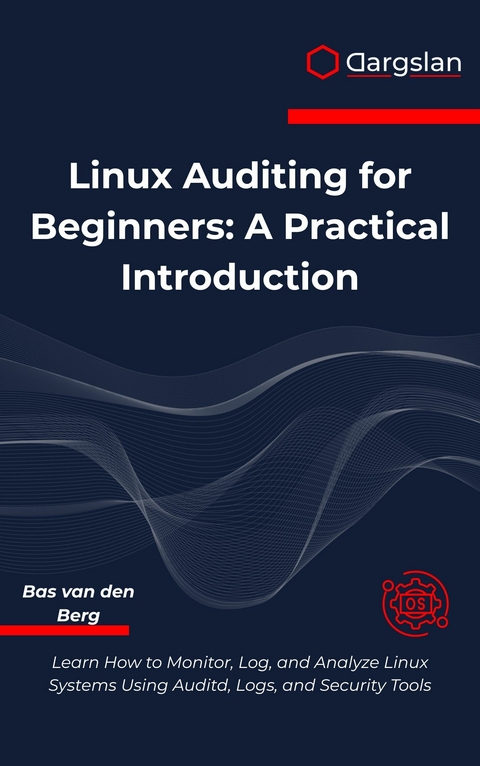
Linux Auditing for Beginners (eBook)
338 Seiten
Dargslan s.r.o. (Verlag)
9780001119598 (ISBN)
Master Linux System Auditing and Security Monitoring from the Ground Up
In today's security-conscious IT landscape, the ability to monitor, audit, and analyze Linux systems is an essential skill for every system administrator, security professional, and DevOps engineer. Yet many professionals struggle with the complexity of Linux auditing tools and fragmented documentation. Linux Auditing for Beginners changes that by providing a clear, practical, and comprehensive guide to implementing robust auditing solutions on Linux systems.
Why This Book?
Linux powers the majority of web servers, cloud infrastructure, and enterprise systems worldwide. With this widespread adoption comes increased security threats and stringent compliance requirements. Whether you're managing a single server or an entire fleet, understanding how to properly audit your Linux systems is no longer optional-it's a critical responsibility.
This book demystifies Linux auditing by focusing on practical, real-world applications. You'll learn to leverage the powerful auditd framework-Linux's native auditing system-along with complementary logging and monitoring tools that provide comprehensive visibility into your systems.
What You'll Learn:
Master auditd Configuration - Install, configure, and manage the Linux audit daemon for continuous system monitoring
Create Effective Audit Rules - Use auditctl to track file access, system calls, user activities, and security-relevant events
Analyze Audit Data - Extract actionable insights using ausearch and aureport to investigate security incidents and identify anomalies
Implement File Integrity Monitoring - Detect unauthorized modifications to critical system files and directories
Track User Activities - Monitor login sessions, command execution, privilege escalation, and suspicious user behavior
Monitor Network Services - Audit network connections, service activities, and external communications
Achieve Compliance - Meet regulatory requirements including PCI-DSS, HIPAA, SOX, and CIS benchmarks using Linux-native tools
Centralize Log Management - Automate collection and aggregation of audit logs from multiple Linux systems
Troubleshoot Common Issues - Solve performance problems, rule conflicts, and configuration challenges
Apply Best Practices - Implement industry-standard security monitoring strategies tailored for Linux environments
Who Should Read This Book:
This practical guide is designed for IT professionals at all levels who work with Linux systems:
System administrators managing Linux servers and infrastructure
Security analysts implementing monitoring and detection capabilities
Compliance officers establishing audit frameworks
The book assumes basic familiarity with Linux command-line operations but provides clear explanations that make complex auditing concepts accessible to beginners while offering depth that experienced professionals will appreciate.
Secure Your Linux Systems Today
Whether you're responding to security incidents, meeting compliance mandates, or proactively monitoring your infrastructure, this book provides the knowledge and skills you need to implement comprehensive Linux auditing solutions. Stop struggling with scattered documentation and conflicting advice-get the practical, authoritative guide to Linux system auditing.
Start your journey to becoming proficient in Linux security monitoring. Your systems and your organization depend on it.
Introduction
Understanding Linux Auditing: The Foundation of System Security
In the vast landscape of modern computing infrastructure, Linux systems serve as the backbone for countless organizations, powering everything from web servers and databases to cloud platforms and embedded devices. With this widespread adoption comes an equally important responsibility: ensuring these systems remain secure, compliant, and properly monitored. This is where Linux auditing becomes not just beneficial, but absolutely essential.
Linux auditing represents a comprehensive approach to monitoring, logging, and analyzing system activities to maintain security, ensure compliance, and troubleshoot issues. It encompasses a wide range of practices, tools, and methodologies designed to provide administrators with detailed insights into what happens on their systems. From tracking user activities and file access patterns to monitoring system calls and network connections, Linux auditing creates a detailed record of system behavior that can be invaluable for security analysis, forensic investigations, and regulatory compliance.
The importance of Linux auditing has grown exponentially in recent years, driven by increasing cybersecurity threats, stringent regulatory requirements, and the need for organizations to maintain detailed records of system activities. Whether you are managing a single Linux server or overseeing a complex multi-server environment, understanding and implementing proper auditing practices is crucial for maintaining system integrity and security.
The Critical Role of Auditing in Linux Environments
Linux auditing serves multiple critical functions within an organization's IT infrastructure. At its core, auditing provides visibility into system activities that would otherwise remain hidden from administrators. This visibility is essential for several key reasons:
Security Monitoring and Threat Detection: Linux auditing enables real-time and retrospective analysis of system activities to identify potential security threats. By monitoring file access patterns, user login attempts, privilege escalations, and system configuration changes, administrators can detect suspicious activities before they escalate into serious security incidents. The audit trail created by proper logging allows security teams to understand the scope and impact of security breaches, trace the actions of attackers, and implement appropriate remediation measures.
Compliance and Regulatory Requirements: Many industries are subject to strict regulatory requirements that mandate detailed logging and monitoring of IT systems. Standards such as PCI DSS for payment card processing, HIPAA for healthcare organizations, SOX for publicly traded companies, and various government regulations require organizations to maintain comprehensive audit trails of system activities. Linux auditing tools and practices provide the necessary framework to meet these compliance requirements while demonstrating due diligence in protecting sensitive data.
Forensic Analysis and Incident Response: When security incidents occur, having detailed audit logs becomes invaluable for forensic analysis. These logs provide investigators with the information needed to understand how an incident occurred, what data may have been compromised, and what steps are needed for remediation. The chronological record of system activities created through proper auditing can serve as legal evidence in court proceedings and help organizations understand the full impact of security incidents.
Performance Monitoring and System Optimization: Beyond security considerations, Linux auditing provides valuable insights into system performance and resource utilization. By analyzing audit logs, administrators can identify performance bottlenecks, understand usage patterns, and make informed decisions about system optimization and capacity planning.
Core Components of Linux Auditing
Linux auditing encompasses several interconnected components that work together to provide comprehensive system monitoring and logging capabilities. Understanding these components is essential for implementing effective auditing strategies.
System Call Auditing
At the lowest level, Linux auditing involves monitoring system calls made by processes running on the system. System calls represent the interface between user-space applications and the kernel, and monitoring these calls provides detailed insights into system activities. The Linux Audit Framework, implemented through the auditd daemon and associated tools, provides sophisticated capabilities for monitoring and logging system calls based on configurable rules and filters.
The audit system can monitor specific system calls such as file operations (open, read, write, delete), network operations (connect, bind, listen), and process management operations (fork, exec, exit). This level of monitoring provides administrators with granular visibility into system activities while allowing for precise configuration to focus on specific areas of concern.
File and Directory Monitoring
File system auditing represents another crucial component of Linux auditing. This involves monitoring access to files and directories, tracking changes to file permissions and ownership, and logging file creation, modification, and deletion activities. File system auditing is particularly important for protecting sensitive data, monitoring configuration files, and ensuring the integrity of critical system components.
Linux provides several mechanisms for file system auditing, including the audit framework's file watching capabilities and specialized tools like inotify that can monitor file system events in real-time. These tools allow administrators to create comprehensive monitoring policies that track access to specific files or directories while filtering out routine activities that do not require logging.
User Activity Monitoring
Monitoring user activities represents a critical aspect of Linux auditing, providing insights into who is accessing the system, what actions they are performing, and when these activities occur. User activity monitoring encompasses login and logout events, privilege escalation activities, command execution, and session management.
The Linux audit system provides detailed logging of user activities through various mechanisms, including PAM (Pluggable Authentication Modules) integration, shell history logging, and session recording capabilities. This comprehensive approach to user activity monitoring enables administrators to maintain detailed records of user behavior while supporting accountability and compliance requirements.
Network Activity Auditing
Network auditing involves monitoring network connections, data transfers, and communication patterns to identify potential security threats and ensure proper network usage. Linux systems provide various tools and mechanisms for network auditing, including connection logging, packet capture capabilities, and integration with network monitoring tools.
Network auditing is particularly important in environments where systems handle sensitive data or provide critical services, as it enables administrators to detect unauthorized network access attempts, identify data exfiltration activities, and monitor compliance with network usage policies.
Linux Auditing Tools and Technologies
The Linux ecosystem provides a rich collection of tools and technologies for implementing comprehensive auditing solutions. These tools range from built-in kernel features and system utilities to sophisticated third-party applications designed for specific auditing requirements.
The Linux Audit Framework (auditd)
The Linux Audit Framework represents the cornerstone of Linux auditing capabilities, providing a comprehensive infrastructure for monitoring and logging system activities. Implemented through the auditd daemon and associated utilities, this framework offers sophisticated rule-based monitoring capabilities that can be customized to meet specific organizational requirements.
The auditd system consists of several key components working together to provide comprehensive auditing capabilities:
Component
Description
Primary Function
auditd
Main audit daemon
Collects and logs audit events
auditctl
Configuration utility
Manages audit rules and settings
ausearch
Search utility
Queries audit logs for specific events
aureport
Reporting utility
Generates summary reports from audit logs
audispd
Event dispatcher
Forwards audit events to external systems
The audit framework operates at the kernel level, intercepting system calls and other kernel events based on configured rules. These rules can be highly specific, allowing administrators to monitor particular files, directories, system calls, or user activities while filtering out routine operations that do not require logging.
System Logging Infrastructure
Linux systems incorporate a sophisticated logging infrastructure that captures and manages various types of system events and activities. The traditional syslog system, along with modern alternatives like systemd-journald, provides centralized logging...
| Erscheint lt. Verlag | 9.12.2025 |
|---|---|
| Sprache | englisch |
| Themenwelt | Mathematik / Informatik ► Informatik ► Betriebssysteme / Server |
| ISBN-13 | 9780001119598 / 9780001119598 |
| Informationen gemäß Produktsicherheitsverordnung (GPSR) | |
| Haben Sie eine Frage zum Produkt? |
 EPUB (Adobe DRM)
Größe: 1,4 MB
Kopierschutz: Adobe-DRM
Adobe-DRM ist ein Kopierschutz, der das eBook vor Mißbrauch schützen soll. Dabei wird das eBook bereits beim Download auf Ihre persönliche Adobe-ID autorisiert. Lesen können Sie das eBook dann nur auf den Geräten, welche ebenfalls auf Ihre Adobe-ID registriert sind.
Details zum Adobe-DRM
Dateiformat: EPUB (Electronic Publication)
EPUB ist ein offener Standard für eBooks und eignet sich besonders zur Darstellung von Belletristik und Sachbüchern. Der Fließtext wird dynamisch an die Display- und Schriftgröße angepasst. Auch für mobile Lesegeräte ist EPUB daher gut geeignet.
Systemvoraussetzungen:
PC/Mac: Mit einem PC oder Mac können Sie dieses eBook lesen. Sie benötigen eine
eReader: Dieses eBook kann mit (fast) allen eBook-Readern gelesen werden. Mit dem amazon-Kindle ist es aber nicht kompatibel.
Smartphone/Tablet: Egal ob Apple oder Android, dieses eBook können Sie lesen. Sie benötigen eine
Geräteliste und zusätzliche Hinweise
Buying eBooks from abroad
For tax law reasons we can sell eBooks just within Germany and Switzerland. Regrettably we cannot fulfill eBook-orders from other countries.
aus dem Bereich


