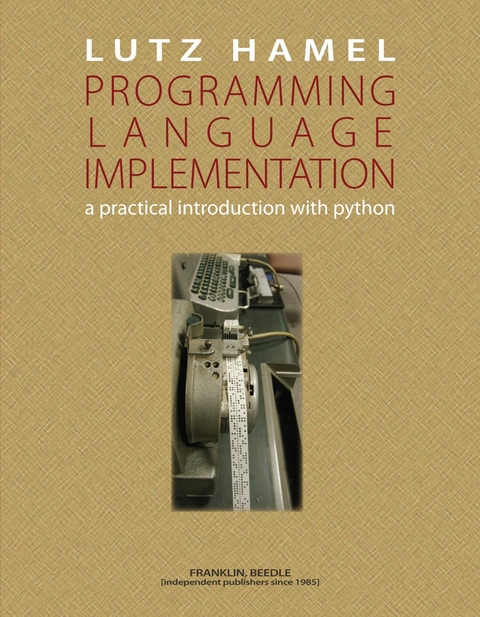
Programming Language Implementation (eBook)
408 Seiten
De Gruyter (Verlag)
978-1-59028-294-6 (ISBN)
The approach to implementing programming languages has shifted noticeably over the past two decades. The success of Java, with its virtual-machine approach, has paved the way for alternative methods of implementing mainstream languages, diverging from traditional machine-language targeted compilation. Since then, many successful modern programming languages such as JavaScript, Ruby, and Python have offered alternative implementation techniques such as incremental interpreters, virtual machines, and just-in-time compilers.
The rise of domain-specific languages, sometimes called 'little languages,' has likewise been influenced and supported by this shift. Domain-specific languages can solve problems in specific problem areas within their specialized domains, unlike general-purpose languages such as Python or C++, which solve problems in a wide spectrum of domains.
In this book we explore the various techniques and perspectives brought about by this shift in programming language implementation. We particularly focus on domain-specific languages, which rarely use full-blown compilers for implementation in favor of an interpretation or virtual-machine approach.
- A 'from day one' approach gets students started with implementing programming languages right away.
- Small, realistic languages are used to cover interpretation, virtual machines, and compilers.
- Implementation is 'from scratch,' so all steps are transparent and accessible to the student.
The approach to implementing programming languages has shifted noticeably over the past two decades. The success of Java, with its virtual-machine approach, has paved the way for alternative methods of implementing mainstream languages, diverging from traditional machine-language targeted compilation. Since then, many successful modern programming languages such as JavaScript, Ruby, and Python have offered alternative implementation techniques such as incremental interpreters, virtual machines, and just-in-time compilers. The rise of domain-specific languages, sometimes called "e;little languages,"e; has likewise been influenced and supported by this shift. Domain-specific languages can solve problems in specific problem areas within their specialized domains, unlike general-purpose languages such as Python or C++, which solve problems in a wide spectrum of domains. In this book we explore the various techniques and perspectives brought about by this shift in programming language implementation. We particularly focus on domain-specific languages, which rarely use full-blown compilers for implementation in favor of an interpretation or virtual-machine approach. A "e;from day one"e; approach gets students started with implementing programming languages right away. Small, realistic languages are used to cover interpretation, virtual machines, and compilers. Implementation is "e;from scratch,"e; so all steps are transparent and accessible to the student.
| Erscheint lt. Verlag | 15.3.2024 |
|---|---|
| Zusatzinfo | Yes |
| Sprache | englisch |
| Themenwelt | Informatik ► Theorie / Studium ► Compilerbau |
| ISBN-10 | 1-59028-294-9 / 1590282949 |
| ISBN-13 | 978-1-59028-294-6 / 9781590282946 |
| Informationen gemäß Produktsicherheitsverordnung (GPSR) | |
| Haben Sie eine Frage zum Produkt? |
 PDF (Wasserzeichen)
Größe: 1,5 MB
DRM: Digitales Wasserzeichen
Dieses eBook enthält ein digitales Wasserzeichen und ist damit für Sie personalisiert. Bei einer missbräuchlichen Weitergabe des eBooks an Dritte ist eine Rückverfolgung an die Quelle möglich.
Dateiformat: PDF (Portable Document Format)
Mit einem festen Seitenlayout eignet sich die PDF besonders für Fachbücher mit Spalten, Tabellen und Abbildungen. Eine PDF kann auf fast allen Geräten angezeigt werden, ist aber für kleine Displays (Smartphone, eReader) nur eingeschränkt geeignet.
Systemvoraussetzungen:
PC/Mac: Mit einem PC oder Mac können Sie dieses eBook lesen. Sie benötigen dafür einen PDF-Viewer - z.B. den Adobe Reader oder Adobe Digital Editions.
eReader: Dieses eBook kann mit (fast) allen eBook-Readern gelesen werden. Mit dem amazon-Kindle ist es aber nicht kompatibel.
Smartphone/Tablet: Egal ob Apple oder Android, dieses eBook können Sie lesen. Sie benötigen dafür einen PDF-Viewer - z.B. die kostenlose Adobe Digital Editions-App.
Buying eBooks from abroad
For tax law reasons we can sell eBooks just within Germany and Switzerland. Regrettably we cannot fulfill eBook-orders from other countries.
aus dem Bereich