Embedded computers have become very complex and are now called upon to solve a range of increasingly advanced problems. This added complexity means embedded systems need even more complex operating systems in order to work as required.
The Yocto Project is now the effective standard for most embedded systems around the world due to its robustness and high configuration, availability of software packages and the ability to support several hardware platforms with common mechanisms so that developers can deploy their systems with ease regardless of the machine.
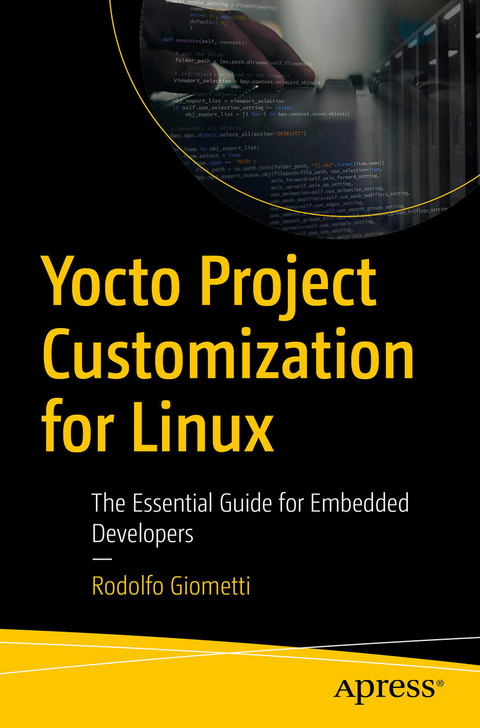
Yocto Project Customization for Linux is not just another book talking about the Yocto Project, but shows how the Yocto Build system really works. Developers can easily and quickly move from the demo Yocto Project distributions that silicon vendors rely on for their development kits to their final product. This book is a practical guide teaching you everything you need to know about writing new recipes and customizing existing ones by explaining the Build System internals and how to manage them for your ongoing projects.
You Will Learn:
- To understand Yocto Project internals and how Yocto Project tools work
- How to define a new meta layer or a new machine/distro in order to generate a custom Yocto Project image for their embedded system
- To generate a new Yocto Project recipe for your software, or to alter an already existing recipe in order to fit your needs
- How to update one or more packages on their running Yocto Project system
- How to optimize and effectively manage the Yocto Build System
Who is it for:
This is for embedded developers as well as Linux users who want to know more how to use Yocto
Embedded computers have become very complex and are now called upon to solve a range of increasingly advanced problems. This added complexity means embedded systems need even more complex operating systems in order to work as required.The Yocto Project is now the effective standard for most embedded systems around the world due to its robustness and high configuration, availability of software packages and the ability to support several hardware platforms with common mechanisms so that developers can deploy their systems with ease regardless of the machine. Yocto Project Customization for Linux is not just another book talking about the Yocto Project, but shows how the Yocto Build system really works. Developers can easily and quickly move from the demo Yocto Project distributions that silicon vendors rely on for their development kits to their final product. This book is a practical guide teaching you everything you need to know about writing new recipes and customizing existing ones by explaining the Build System internals and how to manage them for your ongoing projects.You Will Learn:To understand Yocto Project internals and how Yocto Project tools workHow to define a new meta layer or a new machine/distro in order to generate a custom Yocto Project image for their embedded systemTo generate a new Yocto Project recipe for your software, or to alter an already existing recipe in order to fit your needsHow to update one or more packages on their running Yocto Project systemHow to optimize and effectively manage the Yocto Build SystemWho is it for: This is for embedded developers as well as Linux users who want to know more how to use Yocto
| Erscheint lt. Verlag | 9.7.2025 |
|---|---|
| Sprache | englisch |
| Themenwelt | Informatik ► Betriebssysteme / Server ► Unix / Linux |
| Informatik ► Weitere Themen ► Hardware | |
| ISBN-13 | 979-8-8688-1435-8 / 9798868814358 |
| Informationen gemäß Produktsicherheitsverordnung (GPSR) | |
| Haben Sie eine Frage zum Produkt? |
 PDF (Wasserzeichen)
Größe: 17,4 MB
DRM: Digitales Wasserzeichen
Dieses eBook enthält ein digitales Wasserzeichen und ist damit für Sie personalisiert. Bei einer missbräuchlichen Weitergabe des eBooks an Dritte ist eine Rückverfolgung an die Quelle möglich.
Dateiformat: PDF (Portable Document Format)
Mit einem festen Seitenlayout eignet sich die PDF besonders für Fachbücher mit Spalten, Tabellen und Abbildungen. Eine PDF kann auf fast allen Geräten angezeigt werden, ist aber für kleine Displays (Smartphone, eReader) nur eingeschränkt geeignet.
Systemvoraussetzungen:
PC/Mac: Mit einem PC oder Mac können Sie dieses eBook lesen. Sie benötigen dafür einen PDF-Viewer - z.B. den Adobe Reader oder Adobe Digital Editions.
eReader: Dieses eBook kann mit (fast) allen eBook-Readern gelesen werden. Mit dem amazon-Kindle ist es aber nicht kompatibel.
Smartphone/Tablet: Egal ob Apple oder Android, dieses eBook können Sie lesen. Sie benötigen dafür einen PDF-Viewer - z.B. die kostenlose Adobe Digital Editions-App.
Buying eBooks from abroad
For tax law reasons we can sell eBooks just within Germany and Switzerland. Regrettably we cannot fulfill eBook-orders from other countries.
 EPUB (Adobe DRM)
Kopierschutz: Adobe-DRM
Adobe-DRM ist ein Kopierschutz, der das eBook vor Mißbrauch schützen soll. Dabei wird das eBook bereits beim Download auf Ihre persönliche Adobe-ID autorisiert. Lesen können Sie das eBook dann nur auf den Geräten, welche ebenfalls auf Ihre Adobe-ID registriert sind.
Details zum Adobe-DRM
Dateiformat: EPUB (Electronic Publication)
EPUB ist ein offener Standard für eBooks und eignet sich besonders zur Darstellung von Belletristik und Sachbüchern. Der Fließtext wird dynamisch an die Display- und Schriftgröße angepasst. Auch für mobile Lesegeräte ist EPUB daher gut geeignet.
Systemvoraussetzungen:
PC/Mac: Mit einem PC oder Mac können Sie dieses eBook lesen. Sie benötigen eine
eReader: Dieses eBook kann mit (fast) allen eBook-Readern gelesen werden. Mit dem amazon-Kindle ist es aber nicht kompatibel.
Smartphone/Tablet: Egal ob Apple oder Android, dieses eBook können Sie lesen. Sie benötigen eine
Geräteliste und zusätzliche Hinweise
Buying eBooks from abroad
For tax law reasons we can sell eBooks just within Germany and Switzerland. Regrettably we cannot fulfill eBook-orders from other countries.
aus dem Bereich