


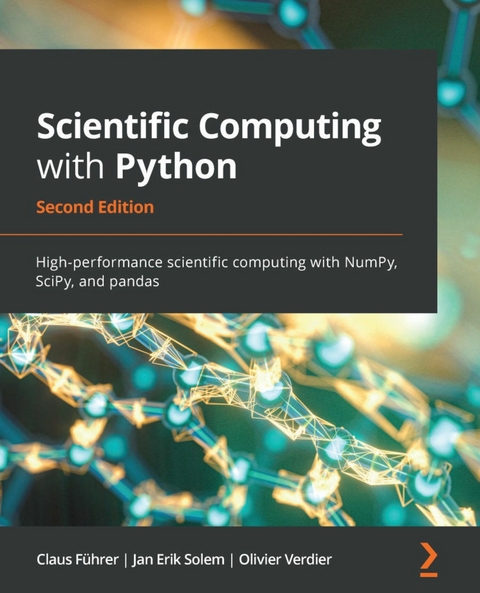
Scientific Computing with Python (eBook)
392 Seiten
Packt Publishing (Verlag)
978-1-83882-510-2 (ISBN)
Python has tremendous potential within the scientific computing domain. This updated edition of Scientific Computing with Python features new chapters on graphical user interfaces, efficient data processing, and parallel computing to help you perform mathematical and scientific computing efficiently using Python.
This book will help you to explore new Python syntax features and create different models using scientific computing principles. The book presents Python alongside mathematical applications and demonstrates how to apply Python concepts in computing with the help of examples involving Python 3.8. You'll use pandas for basic data analysis to understand the modern needs of scientific computing, and cover data module improvements and built-in features. You'll also explore numerical computation modules such as NumPy and SciPy, which enable fast access to highly efficient numerical algorithms. By learning to use the plotting module Matplotlib, you will be able to represent your computational results in talks and publications. A special chapter is devoted to SymPy, a tool for bridging symbolic and numerical computations.
By the end of this Python book, you'll have gained a solid understanding of task automation and how to implement and test mathematical algorithms within the realm of scientific computing.
Leverage this example-packed, comprehensive guide for all your Python computational needsKey FeaturesLearn the first steps within Python to highly specialized conceptsExplore examples and code snippets taken from typical programming situations within scientific computing.Delve into essential computer science concepts like iterating, object-oriented programming, testing, and MPI presented in strong connection to applications within scientific computing.Book DescriptionPython has tremendous potential within the scientific computing domain. This updated edition of Scientific Computing with Python features new chapters on graphical user interfaces, efficient data processing, and parallel computing to help you perform mathematical and scientific computing efficiently using Python.This book will help you to explore new Python syntax features and create different models using scientific computing principles. The book presents Python alongside mathematical applications and demonstrates how to apply Python concepts in computing with the help of examples involving Python 3.8. You'll use pandas for basic data analysis to understand the modern needs of scientific computing, and cover data module improvements and built-in features. You'll also explore numerical computation modules such as NumPy and SciPy, which enable fast access to highly efficient numerical algorithms. By learning to use the plotting module Matplotlib, you will be able to represent your computational results in talks and publications. A special chapter is devoted to SymPy, a tool for bridging symbolic and numerical computations.By the end of this Python book, you'll have gained a solid understanding of task automation and how to implement and test mathematical algorithms within the realm of scientific computing.What you will learnUnderstand the building blocks of computational mathematics, linear algebra, and related Python objectsUse Matplotlib to create high-quality figures and graphics to draw and visualize resultsApply object-oriented programming (OOP) to scientific computing in PythonDiscover how to use pandas to enter the world of data processingHandle exceptions for writing reliable and usable codeCover manual and automatic aspects of testing for scientific programmingGet to grips with parallel computing to increase computation speedWho this book is forThis book is for students with a mathematical background, university teachers designing modern courses in programming, data scientists, researchers, developers, and anyone who wants to perform scientific computation in Python.
| Erscheint lt. Verlag | 23.7.2021 |
|---|---|
| Sprache | englisch |
| Themenwelt | Mathematik / Informatik ► Informatik ► Programmiersprachen / -werkzeuge |
| ISBN-10 | 1-83882-510-X / 183882510X |
| ISBN-13 | 978-1-83882-510-2 / 9781838825102 |
| Informationen gemäß Produktsicherheitsverordnung (GPSR) | |
| Haben Sie eine Frage zum Produkt? |
 EPUB (Ohne DRM)
Digital Rights Management: ohne DRM
Dieses eBook enthält kein DRM oder Kopierschutz. Eine Weitergabe an Dritte ist jedoch rechtlich nicht zulässig, weil Sie beim Kauf nur die Rechte an der persönlichen Nutzung erwerben.
Dateiformat: EPUB (Electronic Publication)
EPUB ist ein offener Standard für eBooks und eignet sich besonders zur Darstellung von Belletristik und Sachbüchern. Der Fließtext wird dynamisch an die Display- und Schriftgröße angepasst. Auch für mobile Lesegeräte ist EPUB daher gut geeignet.
Systemvoraussetzungen:
PC/Mac: Mit einem PC oder Mac können Sie dieses eBook lesen. Sie benötigen dafür die kostenlose Software Adobe Digital Editions.
eReader: Dieses eBook kann mit (fast) allen eBook-Readern gelesen werden. Mit dem amazon-Kindle ist es aber nicht kompatibel.
Smartphone/Tablet: Egal ob Apple oder Android, dieses eBook können Sie lesen. Sie benötigen dafür eine kostenlose App.
Geräteliste und zusätzliche Hinweise
Buying eBooks from abroad
For tax law reasons we can sell eBooks just within Germany and Switzerland. Regrettably we cannot fulfill eBook-orders from other countries.
aus dem Bereich


