Advanced Platform Development with Kubernetes (eBook)
XV, 511 Seiten
Apress (Verlag)
978-1-4842-5611-4 (ISBN)
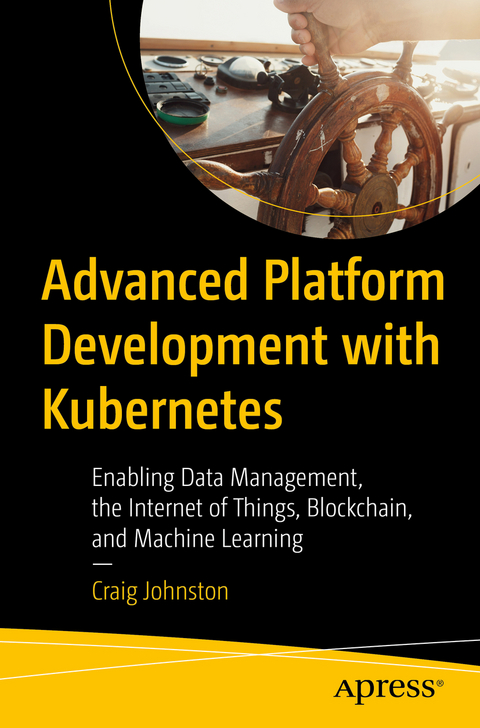
Leverage Kubernetes for the rapid adoption of emerging technologies. Kubernetes is the future of enterprise platform development and has become the most popular, and often considered the most robust, container orchestration system available today. This book focuses on platforming technologies that power the Internet of Things, Blockchain, Machine Learning, and the many layers of data and application management supporting them.
Advanced Platform Development with Kubernetes takes you through the process of building platforms with these in-demand capabilities. You'll progress through the development of Serverless, CICD integration, data processing pipelines, event queues, distributed query engines, modern data warehouses, data lakes, distributed object storage, indexing and analytics, data routing and transformation, query engines, and data science/machine learning environments. You'll also see how to implement and tie together numerous essential and trending technologies including: Kafka, NiFi, Airflow, Hive, Keycloak, Cassandra, MySQL, Zookeeper, Mosquitto, Elasticsearch, Logstash, Kibana, Presto, Mino, OpenFaaS, and Ethereum.
The book uses Golang and Python to demonstrate the development integration of custom container and Serverless functions, including interaction with the Kubernetes API. The exercises throughout teach Kubernetes through the lens of platform development, expressing the power and flexibility of Kubernetes with clear and pragmatic examples. Discover why Kubernetes is an excellent choice for any individual or organization looking to embark on developing a successful data and application platform.
What You'll Learn
- Configure and install Kubernetes and k3s on vendor-neutral platforms, including generic virtual machines and bare metal
- Implement an integrated development toolchain for continuous integration and deployment
- Use data pipelines with MQTT, NiFi, Logstash, Kafka and Elasticsearch
- Install a serverless platform with OpenFaaS
- Explore blockchain network capabilities with Ethereum
- Support a multi-tenant data science platform and web IDE with JupyterHub, MLflow and Seldon Core
- Build a hybrid cluster, securely bridging on-premise and cloud-based Kubernetes nodes
Who This Book Is For
System and software architects, full-stack developers, programmers, and DevOps engineers with some experience building and using containers. This book also targets readers who have started with Kubernetes and need to progress from a basic understanding of the technology and 'Hello World' example to more productive, career-building projects.
Leverage Kubernetes for the rapid adoption of emerging technologies. Kubernetes is the future of enterprise platform development and has become the most popular, and often considered the most robust, container orchestration system available today. This book focuses on platforming technologies that power the Internet of Things, Blockchain, Machine Learning, and the many layers of data and application management supporting them. Advanced Platform Development with Kubernetes takes you through the process of building platforms with these in-demand capabilities. You'll progress through the development of Serverless, CICD integration, data processing pipelines, event queues, distributed query engines, modern data warehouses, data lakes, distributed object storage, indexing and analytics, data routing and transformation, query engines, and data science/machine learning environments. You ll also see how to implement and tie together numerous essential and trending technologies including: Kafka, NiFi, Airflow, Hive, Keycloak, Cassandra, MySQL, Zookeeper, Mosquitto, Elasticsearch, Logstash, Kibana, Presto, Mino, OpenFaaS, and Ethereum.The book uses Golang and Python to demonstrate the development integration of custom container and Serverless functions, including interaction with the Kubernetes API. The exercises throughout teach Kubernetes through the lens of platform development, expressing the power and flexibility of Kubernetes with clear and pragmatic examples. Discover why Kubernetes is an excellent choice for any individual or organization looking to embark on developing a successful data and application platform.What You'll LearnConfigure and install Kubernetes and k3s on vendor-neutral platforms, including generic virtual machines and bare metalImplement an integrated development toolchain for continuous integration and deploymentUse data pipelines with MQTT, NiFi,Logstash, Kafka and ElasticsearchInstall a serverless platform with OpenFaaSExplore blockchain network capabilities with Ethereum Support a multi-tenant data science platform and web IDE with JupyterHub, MLflow and Seldon CoreBuild a hybrid cluster, securely bridging on-premise and cloud-based Kubernetes nodes Who This Book Is ForSystem and software architects, full-stack developers, programmers, and DevOps engineers with some experience building and using containers. This book also targets readers who have started with Kubernetes and need to progress from a basic understanding of the technology and "e;Hello World"e; example to more productive, career-building projects.
| Erscheint lt. Verlag | 17.9.2020 |
|---|---|
| Zusatzinfo | XV, 511 p. 119 illus. |
| Sprache | englisch |
| Themenwelt | Mathematik / Informatik ► Informatik ► Netzwerke |
| Mathematik / Informatik ► Informatik ► Programmiersprachen / -werkzeuge | |
| Schlagworte | Ethereum on Kubernetes • Kafka Kubernetes • Kubeflow • Kubernetes Data Science • Kubernetes Elasticsearch • Kubernetes for IoT • Kubernetes Ingress • Kubernetes managed blockahins • Machine Learning Automation • Machine Learning with Kubernetes • Microservices with Kubernetes |
| ISBN-10 | 1-4842-5611-5 / 1484256115 |
| ISBN-13 | 978-1-4842-5611-4 / 9781484256114 |
| Informationen gemäß Produktsicherheitsverordnung (GPSR) | |
| Haben Sie eine Frage zum Produkt? |
 PDF (Wasserzeichen)
DRM: Digitales Wasserzeichen
Dieses eBook enthält ein digitales Wasserzeichen und ist damit für Sie personalisiert. Bei einer missbräuchlichen Weitergabe des eBooks an Dritte ist eine Rückverfolgung an die Quelle möglich.
Dateiformat: PDF (Portable Document Format)
Mit einem festen Seitenlayout eignet sich die PDF besonders für Fachbücher mit Spalten, Tabellen und Abbildungen. Eine PDF kann auf fast allen Geräten angezeigt werden, ist aber für kleine Displays (Smartphone, eReader) nur eingeschränkt geeignet.
Systemvoraussetzungen:
PC/Mac: Mit einem PC oder Mac können Sie dieses eBook lesen. Sie benötigen dafür einen PDF-Viewer - z.B. den Adobe Reader oder Adobe Digital Editions.
eReader: Dieses eBook kann mit (fast) allen eBook-Readern gelesen werden. Mit dem amazon-Kindle ist es aber nicht kompatibel.
Smartphone/Tablet: Egal ob Apple oder Android, dieses eBook können Sie lesen. Sie benötigen dafür einen PDF-Viewer - z.B. die kostenlose Adobe Digital Editions-App.
Buying eBooks from abroad
For tax law reasons we can sell eBooks just within Germany and Switzerland. Regrettably we cannot fulfill eBook-orders from other countries.
aus dem Bereich