Bioinformatics in Aquaculture (eBook)
John Wiley & Sons (Verlag)
978-1-118-78238-5 (ISBN)
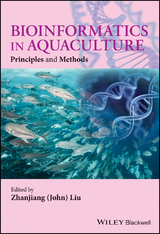
Bioinformatics derives knowledge from computer analysis of biological data. In particular, genomic and transcriptomic datasets are processed, analysed and, whenever possible, associated with experimental results from various sources, to draw structural, organizational, and functional information relevant to biology. Research in bioinformatics includes method development for storage, retrieval, and analysis of the data.
Bioinformatics in Aquaculture provides the most up to date reviews of next generation sequencing technologies, their applications in aquaculture, and principles and methodologies for the analysis of genomic and transcriptomic large datasets using bioinformatic methods, algorithm, and databases. The book is unique in providing guidance for the best software packages suitable for various analysis, providing detailed examples of using bioinformatic software and command lines in the context of real world experiments.
This book is a vital tool for all those working in genomics, molecular biology, biochemistry and genetics related to aquaculture, and computational and biological sciences.
Zhanjiang (John) Liu is currently the Associate Provost and Associate Vice President for Research at Auburn University, and a Professor in the School of Fisheries, Aquaculture and Aquatic Sciences, and Program of Cell and Molecular Biosciences, Auburn University, Auburn, Alabama, USA.
Bioinformatics derives knowledge from computer analysis of biological data. In particular, genomic and transcriptomic datasets are processed, analysed and, whenever possible, associated with experimental results from various sources, to draw structural, organizational, and functional information relevant to biology. Research in bioinformatics includes method development for storage, retrieval, and analysis of the data. Bioinformatics in Aquaculture provides the most up to date reviews of next generation sequencing technologies, their applications in aquaculture, and principles and methodologies for the analysis of genomic and transcriptomic large datasets using bioinformatic methods, algorithm, and databases. The book is unique in providing guidance for the best software packages suitable for various analysis, providing detailed examples of using bioinformatic software and command lines in the context of real world experiments. This book is a vital tool for all those working in genomics, molecular biology, biochemistry and genetics related to aquaculture, and computational and biological sciences.
Zhanjiang (John) Liu is currently the Associate Provost and Associate Vice President for Research at Auburn University, and a Professor in the School of Fisheries, Aquaculture and Aquatic Sciences, and Program of Cell and Molecular Biosciences, Auburn University, Auburn, Alabama, USA.
Cover 1
Title Page 5
Copyright 6
Contents 7
About the Editor 25
List of Contributors 27
Preface 33
Part I Bioinformatics Analysis of Genomic Sequences 37
Chapter 1 Introduction to Linux and Command Line Tools for Bioinformatics 39
Introduction 39
Overview of Linux 40
Directories, Files, and Processes 41
Environment Variables 44
Basic Linux Commands 47
Installing Software Packages 60
Accessing a Remote Linux Supercomputer System 63
Demonstration of Command Lines 64
Further Reading 65
Chapter 2 Determining Sequence Identities: BLAST, Phylogenetic Analysis, and Syntenic Analyses 66
Introduction 66
Determining Sequence Identities through BLAST Searches 66
Web-based BLAST 67
UNIX-based BLAST 68
Determining Sequence Identities through Phylogenetic Analysis 69
Procedures of Phylogenetic Analysis 70
Determining Sequence Identities through Synthetic Analysis 74
References 77
Chapter 3 Next-Generation Sequencing Technologies and the Assembly of Short Reads into Reference Genome Sequences 79
Introduction 79
Understanding of DNA Sequencing Technologies 79
Preprocessing of Sequences 84
Sequence Assembly 88
Scaffolding 100
Gap Filling (Gap Closing) 102
Evaluation of Assembly Quality 103
References 105
Chapter 4 Genome Annotation: Determination of the Coding Potential of the Genome 110
Introduction 110
Methods Used in Gene Prediction 111
Case Study: Genome Annotation Examples: Gene Annotation of Chromosome 1 of Zebrafish using FGENESH and AUGUSTUS 115
Discussion 118
References 119
Chapter 5 Analysis of Repetitive Elements in the Genome 122
Introduction 122
Methods Used in Repeat Analysis 123
Software for Repeat Identification 124
Using the Command-line Version of RepeatModeler to Identify Repetitive Elements in Genomic Sequences 128
References 130
Chapter 6 Analysis of Duplicated Genes and Multi-Gene Families 134
Introduction 134
Pipeline Installations 136
Identification of Duplicated Genes and Multi-Member Gene Family 138
Downstream Analysis 143
Perspectives 144
References 144
Chapter 7 Dealing with Complex Polyploidy Genomes: Considerations for Assembly and Annotation of the Common Carp Genome 146
Introduction 146
Properties of the Common Carp Genome 147
Genome Assembly: Strategies for Reducing Problems Caused by Allotetraploidy 148
Annotation of Tetraploidy Genome 151
Conclusions 154
References 154
Part II Bioinformatics Analysis of Transcriptomic Sequences 159
Chapter 8 Assembly of RNA-Seq Short Reads into Transcriptome Sequences 161
Introduction 161
RNA-Seq Procedures 161
Reference-Guided Transcriptome Assembly 162
De novo Transcriptome Assembly 165
Assessment of RNA-Seq Assembly 166
Conclusions 167
Acknowledgments 168
References 168
Chapter 9 Analysis of Differentially Expressed Genes and Co-expressed Genes Using RNA-Seq Datasets 171
Introduction 171
Analysis of Differentially Expressed Genes Using CLC Genomics Workbench 173
Analysis of Differentially Expressed Genes Using Trinity 175
Analysis of Co-Expressed Genes 177
Computational Challenges 183
Acknowledgments 184
References 184
Chapter 10 Gene Ontology, Enrichment Analysis, and Pathway Analysis 186
Introduction 186
GO and the GO Project 186
Enrichment Analysis 195
Gene Pathway Analysis 199
References 203
Chapter 11 Genetic Analysis Using RNA-Seq: Bulk Segregant RNA-Seq 205
Introduction 205
BSR-Seq: Basic Considerations 206
BSR-Seq Procedures 207
Acknowledgments 211
References 212
Chapter 12 Analysis of Long Non-coding RNAs 215
Introduction 215
Data Required for the Analysis of lncRNAs 218
Assembly of RNA-Seq Sequences 218
Identification of lncRNAs 220
Analysis of lncRNA Expression 230
Analysis and Prediction of lncRNA Functions 230
Future Perspectives 232
References 232
Chapter 13 Analysis of MicroRNAs and Their Target Genes 236
Introduction 236
miRNA Biogenesis and Function 238
Tools for miRNA Data Analysis 238
miRNA Analysis: Computational Identification from Genome Sequences 248
miRNA Analysis: Empirical Identification by Small RNA-Seq 251
Prediction of miRNA Targets 258
Conclusions 260
References 261
Chapter 14 Analysis of Allele-Specific Expression 264
Introduction 264
Genome-wide Approaches for ASE Analysis 265
Applications of ASE Analysis 267
Considerations of ASE Analysis by RNA-Seq 270
Step-by-Step Illustration of ASE Analysis by RNA-Seq 272
References 279
Chapter 15 Bioinformatics Analysis of Epigenetics 283
Introduction 283
Mastering Epigenetic Data 284
Histone Modifications 288
Genomic Data Manipulation 289
DNA Methylation and Bioinformatics 291
Histone Modifications and Bioinformatics 300
Perspectives 301
References 302
Part III Bioinformatics Mining and Genetic Analysis of DNA Markers 311
Chapter 16 Bioinformatics Mining of Microsatellite Markers from Genomic and Transcriptomic Sequences 313
Introduction 313
Bioinformatics Mining of Microsatellite Markers 314
Primer Design for Microsatellite Markers 320
Conclusions 321
References 321
Chapter 17 SNP Identification from Next-Generation Sequencing Datasets 324
Introduction 324
SNP Identification and Analysis 325
Detailed Protocols of SNP Identification 333
References 340
Chapter 18 SNP Array Development, Genotyping, Data Analysis, and Applications 344
Introduction 344
Development of High-density SNP Array 347
SNP Genotyping: Biochemistry and Workflow 352
SNP Genotyping: Analysis of Axiom Genotyping Array Data 353
SNP Analysis After Genotype Calling 360
Applications of SNP Arrays 368
Conclusion 370
Further Readings 370
References 370
Chapter 19 Genotyping by Sequencing and Data Analysis: RAD and 2b-RAD Sequencing 374
Introduction 374
Methodology Principles 375
The Experimental Procedure of 2b-RAD 377
Bioinformatics Analysis of RAD and 2b-RAD Data 383
Example for Running a Linkage Mapping Analysis 387
The Benefits and Pitfalls of RAD and 2b-RAD Applications 389
References 390
Chapter 20 Bioinformatics Considerations and Approaches for High-Density Linkage Mapping in Aquaculture 392
Introduction 392
Basic Concepts 394
Requirements for Genetic Mapping 397
Linkage Mapping Process 401
Step-by-Step Illustration of Linkage Mapping 403
Pros and Cons of Linkage Mapping Software Packages 411
References 411
Chapter 21 Genomic Selection in Aquaculture Breeding Programs 416
Introduction 416
Genomic Selection 416
Steps in GS 418
Models for Genomic Prediction 419
An Example of Implementation of Genomic Prediction 420
Some Important Considerations for GS 421
GS in Aquaculture 424
Acknowledgment 425
References 425
Chapter 22 Quantitative Trait Locus Mapping in Aquaculture Species: Principles and Practice 428
Introduction 428
DNA Markers and Genotyping 431
Linkage Maps 433
Quantitative Trait Loci (QTL) Mapping 434
References 443
Chapter 23 Genome-wide Association Studies of Performance Traits 451
Introduction 451
Study Population 452
Phenotype Design 455
Power of Association Test and Sample Size 455
Quality Control Procedures 456
LD Analysis 456
Association Test 457
Significance Level for Multiple Testing 460
Step-by-Step Procedures: A Case Study in Catfish 460
Follow-up Work after GWAS 463
Pitfalls of GWAS with Aquaculture Species 464
Comparison of GWAS with Alternative Designs 464
Conclusions 466
References 466
Chapter 24 Gene Set Analysis of SNP Data from Genome-wide Association Studies 470
Introduction 470
GSA in GWAS 472
Statistical Methods 473
Demonstration Using Alzheimer's Disease Neuroimaging Initiative's AD Data 478
Conclusion 491
References 492
Part IV Comparative Genome Analysis 497
Chapter 25 Comparative Genomics Using CoGe, Hook, Line, and Sinker 499
Introduction 499
Getting Hooked into the CoGe Platform 503
Casting the Line: Analyses for Comparing Genomes 511
Sinkers to Cast Further and Deeper: Adding Weight to Genomes with Additional Data Types 519
Conclusions 521
References 522
Part V Bioinformatics Resources, Databases, and Genome Browsers 525
Chapter 26 NCBI Resources Useful for Informatics Issues in Aquaculture 527
Introduction 527
Popularly Used Databases in NCBI 528
Popularly Used Tools in NCBI 534
Submit Data to NCBI 539
References 542
Chapter 27 Resources and Bioinformatics Tools in Ensembl 544
Introduction 544
Ensembl Resources 548
Comparative Genomics 552
Ensembl Regulation 557
Ensembl Tools 558
Assembly Converter 559
ID History Converter 559
BioMart 560
References 561
Chapter 28 iAnimal: Cyberinfrastructure to Support Data-driven Science 563
Introduction 563
Background 564
iAnimal Resources 565
The Data Store 566
DE 569
Atmosphere: Accessible Cloud Computing for Researchers 572
The Agave API 574
Bio-Image Semantic Query User Environment: Analysis of Images 574
Selecting the Right Tool for the Job 574
Reaching Across the Aisle: Federated Third-Party Platforms 575
AgBase 575
VCmap 578
CoGe 578
How to Find Help Using iAnimal 579
Coming Soon to CyVerse 579
Conclusion 580
Acknowledgments 581
References 581
Index 583
EULA 594
| Erscheint lt. Verlag | 30.1.2017 |
|---|---|
| Sprache | englisch |
| Themenwelt | Mathematik / Informatik ► Informatik ► Theorie / Studium |
| Naturwissenschaften ► Biologie | |
| Technik | |
| Weitere Fachgebiete ► Land- / Forstwirtschaft / Fischerei | |
| Schlagworte | Analysis • Aquaculture • Aquaculture, Fisheries & Fish Science • Aquakultur • Aquakultur, Fischereiwesen u. Fischforschung • Bioinformatics • Bioinformatics & Computational Biology • Bioinformatik • Bioinformatik u. Computersimulationen in der Biowissenschaften • biological • Biowissenschaften • Computer • Data • derives • Draw • experimental results • functional information • Knowledge • Life Sciences • relevant • Research • sequencing • Sources • Storage • Structural • uptodate • various |
| ISBN-10 | 1-118-78238-0 / 1118782380 |
| ISBN-13 | 978-1-118-78238-5 / 9781118782385 |
| Informationen gemäß Produktsicherheitsverordnung (GPSR) | |
| Haben Sie eine Frage zum Produkt? |
 PDF (Adobe DRM)
Kopierschutz: Adobe-DRM
Adobe-DRM ist ein Kopierschutz, der das eBook vor Mißbrauch schützen soll. Dabei wird das eBook bereits beim Download auf Ihre persönliche Adobe-ID autorisiert. Lesen können Sie das eBook dann nur auf den Geräten, welche ebenfalls auf Ihre Adobe-ID registriert sind.
Details zum Adobe-DRM
Dateiformat: PDF (Portable Document Format)
Mit einem festen Seitenlayout eignet sich die PDF besonders für Fachbücher mit Spalten, Tabellen und Abbildungen. Eine PDF kann auf fast allen Geräten angezeigt werden, ist aber für kleine Displays (Smartphone, eReader) nur eingeschränkt geeignet.
Systemvoraussetzungen:
PC/Mac: Mit einem PC oder Mac können Sie dieses eBook lesen. Sie benötigen eine
eReader: Dieses eBook kann mit (fast) allen eBook-Readern gelesen werden. Mit dem amazon-Kindle ist es aber nicht kompatibel.
Smartphone/Tablet: Egal ob Apple oder Android, dieses eBook können Sie lesen. Sie benötigen eine
Geräteliste und zusätzliche Hinweise
Buying eBooks from abroad
For tax law reasons we can sell eBooks just within Germany and Switzerland. Regrettably we cannot fulfill eBook-orders from other countries.
aus dem Bereich