


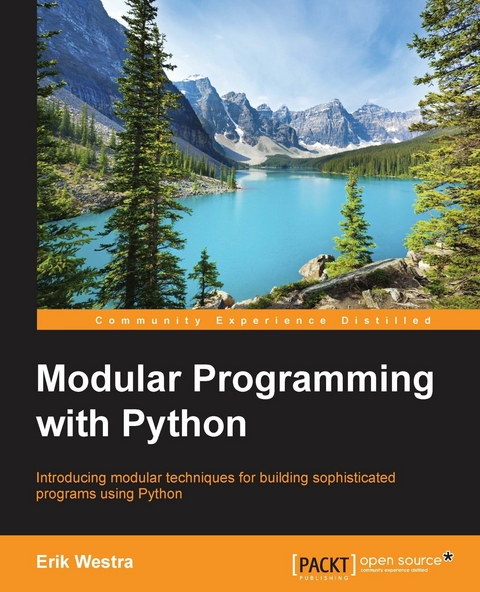
Modular Programming with Python (eBook)
246 Seiten
Packt Publishing (Verlag)
978-1-78588-767-3 (ISBN)
Introducing modular techniques for building sophisticated programs using Python
About This Book
- The book would help you develop succinct, expressive programs using modular deign
- The book would explain best practices and common idioms through carefully explained and structured examples
- It will have broad appeal as far as target audience is concerned and there would be take away for all beginners to Python
Who This Book Is For
This book is intended for beginner to intermediate level Python programmers who wish to learn how to use modules and packages within their programs. While readers must understand the basics of Python programming, no knowledge of modular programming techniques is required.
What You Will Learn
- Learn how to use modules and packages to organize your Python code
- Understand how to use the import statement to load modules and packages into your program
- Use common module patterns such as abstraction and encapsulation to write better programs
- Discover how to create self-testing Python packages
- Create reusable modules that other programmers can use
- Learn how to use GitHub and the Python Package Index to share your code with other people
- Make use of modules and packages that others have written
- Use modular techniques to build robust systems that can handle complexity and changing requirements over time
In Detail
Python has evolved over the years and has become the primary choice of developers in various fields. The purpose of this book is to help readers develop readable, reliable, and maintainable programs in Python.
Starting with an introduction to the concept of modules and packages, this book shows how you can use these building blocks to organize a complex program into logical parts and make sure those parts are working correctly together.
Using clearly written, real-world examples, this book demonstrates how you can use modular techniques to build better programs. A number of common modular programming patterns are covered, including divide-and-conquer, abstraction, encapsulation, wrappers and extensibility. You will also learn how to test your modules and packages, how to prepare your code for sharing with other people, and how to publish your modules and packages on GitHub and the Python Package Index so that other people can use them. Finally, you will learn how to use modular design techniques to be a more effective programmer.
Style and approach
This book will be simple and straightforward, focusing on imparting learning through a wide array of examples that the readers can put into use as they read through the book. They should not only be able to understand the way modules help in improving development, but they should also be able to improvise on their techniques of writing concise and effective code.
Introducing modular techniques for building sophisticated programs using PythonAbout This BookThe book would help you develop succinct, expressive programs using modular deignThe book would explain best practices and common idioms through carefully explained and structured examplesIt will have broad appeal as far as target audience is concerned and there would be take away for all beginners to PythonWho This Book Is ForThis book is intended for beginner to intermediate level Python programmers who wish to learn how to use modules and packages within their programs. While readers must understand the basics of Python programming, no knowledge of modular programming techniques is required.What You Will LearnLearn how to use modules and packages to organize your Python codeUnderstand how to use the import statement to load modules and packages into your programUse common module patterns such as abstraction and encapsulation to write better programsDiscover how to create self-testing Python packagesCreate reusable modules that other programmers can useLearn how to use GitHub and the Python Package Index to share your code with other peopleMake use of modules and packages that others have writtenUse modular techniques to build robust systems that can handle complexity and changing requirements over timeIn DetailPython has evolved over the years and has become the primary choice of developers in various fields. The purpose of this book is to help readers develop readable, reliable, and maintainable programs in Python.Starting with an introduction to the concept of modules and packages, this book shows how you can use these building blocks to organize a complex program into logical parts and make sure those parts are working correctly together.Using clearly written, real-world examples, this book demonstrates how you can use modular techniques to build better programs. A number of common modular programming patterns are covered, including divide-and-conquer, abstraction, encapsulation, wrappers and extensibility. You will also learn how to test your modules and packages, how to prepare your code for sharing with other people, and how to publish your modules and packages on GitHub and the Python Package Index so that other people can use them. Finally, you will learn how to use modular design techniques to be a more effective programmer.Style and approachThis book will be simple and straightforward, focusing on imparting learning through a wide array of examples that the readers can put into use as they read through the book. They should not only be able to understand the way modules help in improving development, but they should also be able to improvise on their techniques of writing concise and effective code.
| Erscheint lt. Verlag | 26.5.2016 |
|---|---|
| Sprache | englisch |
| Themenwelt | Mathematik / Informatik ► Informatik ► Programmiersprachen / -werkzeuge |
| ISBN-10 | 1-78588-767-X / 178588767X |
| ISBN-13 | 978-1-78588-767-3 / 9781785887673 |
| Informationen gemäß Produktsicherheitsverordnung (GPSR) | |
| Haben Sie eine Frage zum Produkt? |
 EPUB (Adobe DRM)
Kopierschutz: Adobe-DRM
Adobe-DRM ist ein Kopierschutz, der das eBook vor Mißbrauch schützen soll. Dabei wird das eBook bereits beim Download auf Ihre persönliche Adobe-ID autorisiert. Lesen können Sie das eBook dann nur auf den Geräten, welche ebenfalls auf Ihre Adobe-ID registriert sind.
Details zum Adobe-DRM
Dateiformat: EPUB (Electronic Publication)
EPUB ist ein offener Standard für eBooks und eignet sich besonders zur Darstellung von Belletristik und Sachbüchern. Der Fließtext wird dynamisch an die Display- und Schriftgröße angepasst. Auch für mobile Lesegeräte ist EPUB daher gut geeignet.
Systemvoraussetzungen:
PC/Mac: Mit einem PC oder Mac können Sie dieses eBook lesen. Sie benötigen eine
eReader: Dieses eBook kann mit (fast) allen eBook-Readern gelesen werden. Mit dem amazon-Kindle ist es aber nicht kompatibel.
Smartphone/Tablet: Egal ob Apple oder Android, dieses eBook können Sie lesen. Sie benötigen eine
Geräteliste und zusätzliche Hinweise
Buying eBooks from abroad
For tax law reasons we can sell eBooks just within Germany and Switzerland. Regrettably we cannot fulfill eBook-orders from other countries.
aus dem Bereich


