


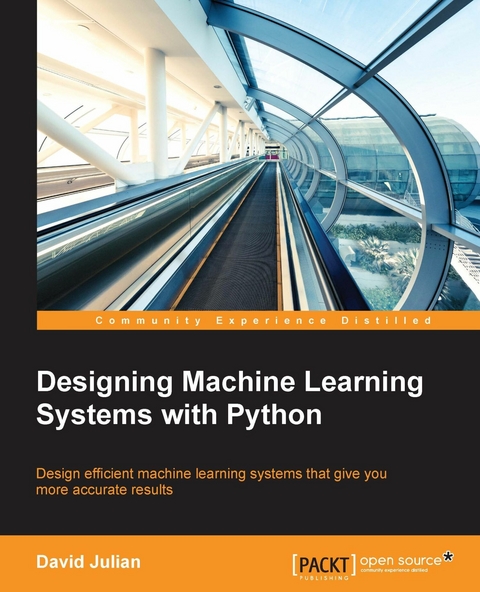
Designing Machine Learning Systems with Python (eBook)
232 Seiten
Packt Publishing (Verlag)
978-1-78588-078-0 (ISBN)
Design efficient machine learning systems that give you more accurate results
About This Book
- Gain an understanding of the machine learning design process
- Optimize machine learning systems for improved accuracy
- Understand common programming tools and techniques for machine learning
- Develop techniques and strategies for dealing with large amounts of data from a variety of sources
- Build models to solve unique tasks
Who This Book Is For
This book is for data scientists, scientists, or just the curious. To get the most out of this book, you will need to know some linear algebra and some Python, and have a basic knowledge of machine learning concepts.
What You Will Learn
- Gain an understanding of the machine learning design process
- Optimize the error function of your machine learning system
- Understand the common programming patterns used in machine learning
- Discover optimizing techniques that will help you get the most from your data
- Find out how to design models uniquely suited to your task
In Detail
Machine learning is one of the fastest growing trends in modern computing. It has applications in a wide range of fields, including economics, the natural sciences, web development, and business modeling. In order to harness the power of these systems, it is essential that the practitioner develops a solid understanding of the underlying design principles.
There are many reasons why machine learning models may not give accurate results. By looking at these systems from a design perspective, we gain a deeper understanding of the underlying algorithms and the optimisational methods that are available. This book will give you a solid foundation in the machine learning design process, and enable you to build customised machine learning models to solve unique problems. You may already know about, or have worked with, some of the off-the-shelf machine learning models for solving common problems such as spam detection or movie classification, but to begin solving more complex problems, it is important to adapt these models to your own specific needs. This book will give you this understanding and more.
Style and approach
This easy-to-follow, step-by-step guide covers the most important machine learning models and techniques from a design perspective.
Design efficient machine learning systems that give you more accurate resultsAbout This BookGain an understanding of the machine learning design processOptimize machine learning systems for improved accuracyUnderstand common programming tools and techniques for machine learningDevelop techniques and strategies for dealing with large amounts of data from a variety of sourcesBuild models to solve unique tasksWho This Book Is ForThis book is for data scientists, scientists, or just the curious. To get the most out of this book, you will need to know some linear algebra and some Python, and have a basic knowledge of machine learning concepts.What You Will LearnGain an understanding of the machine learning design processOptimize the error function of your machine learning systemUnderstand the common programming patterns used in machine learningDiscover optimizing techniques that will help you get the most from your dataFind out how to design models uniquely suited to your taskIn DetailMachine learning is one of the fastest growing trends in modern computing. It has applications in a wide range of fields, including economics, the natural sciences, web development, and business modeling. In order to harness the power of these systems, it is essential that the practitioner develops a solid understanding of the underlying design principles.There are many reasons why machine learning models may not give accurate results. By looking at these systems from a design perspective, we gain a deeper understanding of the underlying algorithms and the optimisational methods that are available. This book will give you a solid foundation in the machine learning design process, and enable you to build customised machine learning models to solve unique problems. You may already know about, or have worked with, some of the off-the-shelf machine learning models for solving common problems such as spam detection or movie classification, but to begin solving more complex problems, it is important to adapt these models to your own specific needs. This book will give you this understanding and more.Style and approachThis easy-to-follow, step-by-step guide covers the most important machine learning models and techniques from a design perspective.
| Erscheint lt. Verlag | 6.4.2016 |
|---|---|
| Sprache | englisch |
| Themenwelt | Mathematik / Informatik ► Informatik ► Programmiersprachen / -werkzeuge |
| ISBN-10 | 1-78588-078-0 / 1785880780 |
| ISBN-13 | 978-1-78588-078-0 / 9781785880780 |
| Informationen gemäß Produktsicherheitsverordnung (GPSR) | |
| Haben Sie eine Frage zum Produkt? |
 EPUB (Adobe DRM)
Kopierschutz: Adobe-DRM
Adobe-DRM ist ein Kopierschutz, der das eBook vor Mißbrauch schützen soll. Dabei wird das eBook bereits beim Download auf Ihre persönliche Adobe-ID autorisiert. Lesen können Sie das eBook dann nur auf den Geräten, welche ebenfalls auf Ihre Adobe-ID registriert sind.
Details zum Adobe-DRM
Dateiformat: EPUB (Electronic Publication)
EPUB ist ein offener Standard für eBooks und eignet sich besonders zur Darstellung von Belletristik und Sachbüchern. Der Fließtext wird dynamisch an die Display- und Schriftgröße angepasst. Auch für mobile Lesegeräte ist EPUB daher gut geeignet.
Systemvoraussetzungen:
PC/Mac: Mit einem PC oder Mac können Sie dieses eBook lesen. Sie benötigen eine
eReader: Dieses eBook kann mit (fast) allen eBook-Readern gelesen werden. Mit dem amazon-Kindle ist es aber nicht kompatibel.
Smartphone/Tablet: Egal ob Apple oder Android, dieses eBook können Sie lesen. Sie benötigen eine
Geräteliste und zusätzliche Hinweise
Buying eBooks from abroad
For tax law reasons we can sell eBooks just within Germany and Switzerland. Regrettably we cannot fulfill eBook-orders from other countries.
aus dem Bereich


