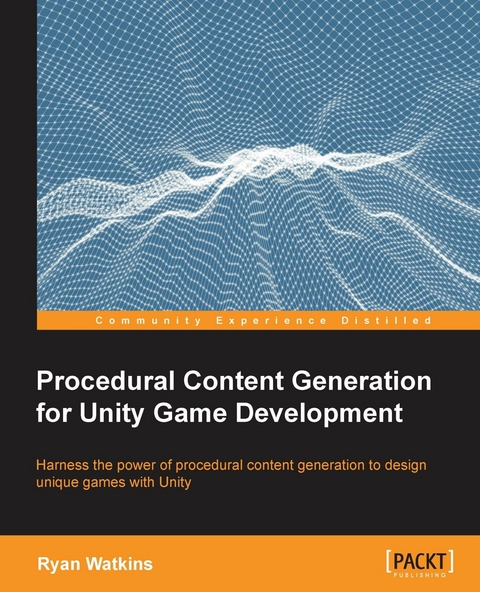
Procedural Content Generation for Unity Game Development (eBook)
260 Seiten
Packt Publishing (Verlag)
978-1-78528-967-5 (ISBN)
Harness the power of procedural content generation to design unique games with Unity
About This Book
- Learn the basics of PCG development
- Develop a 2D game from start to finish
- Explore all the different ways PCG can be applied in games
Who This Book Is For
This book is for Unity game developers, especially those who work on indie games. You should be familiar with Unity and C# scripting but you'll be able to jump in and start learning PCG straightaway.
What You Will Learn
- Understand the theory of Procedural Content Generation
- Learn the uses of Pseudo Random Numbers
- Create reusable algorithm designs for PCG
- Evaluate the data structures for PCG
- Develop smaller games with larger amounts of content
- Generate content instead of spending time designing every minute detail
- Learn when and how to add PCG to your game
- Learn the fundamental techniques of PCG
In Detail
Procedural Content Generation is a process by which game content is developed using computer algorithms, rather than through the manual efforts of game developers. This book teaches readers how to develop algorithms for procedural generation that they can use in their own games. These concepts are put into practice using C# and Unity is used as the game development engine.
This book provides the fundamentals of learning and continued learning using PCG. You'll discover the theory of PCG and the mighty Pseudo Random Number Generator. Random numbers such as die rolls and card drafting provide the chance factor that makes games fun and supplies spontaneity. This book also takes you through the full development of a 2D game.
Starting with level generation, you'll learn how PCG can make the game environment for you. You'll move into item generation and learn the different techniques to procedurally create game items. Thereafter, you'll be guided through the more abstract PCG areas such as scaling difficulty to the player and even generating music! The book helps you set up systems within your games where algorithms create computationally generated levels, art assets, quests, stories, characters, and weapons; these can substantially reduce the burden of manually creating every aspect of the game.
Finally, you'll get to try out your new PCG skills on 3D terrain generation.
Style and approach
An easy-to-follow, project-based guide that will let you build a complete game by the end of the book using PCG.
Harness the power of procedural content generation to design unique games with UnityAbout This BookLearn the basics of PCG developmentDevelop a 2D game from start to finishExplore all the different ways PCG can be applied in gamesWho This Book Is ForThis book is for Unity game developers, especially those who work on indie games. You should be familiar with Unity and C# scripting but you'll be able to jump in and start learning PCG straightaway.What You Will LearnUnderstand the theory of Procedural Content GenerationLearn the uses of Pseudo Random NumbersCreate reusable algorithm designs for PCGEvaluate the data structures for PCGDevelop smaller games with larger amounts of contentGenerate content instead of spending time designing every minute detailLearn when and how to add PCG to your gameLearn the fundamental techniques of PCGIn DetailProcedural Content Generation is a process by which game content is developed using computer algorithms, rather than through the manual efforts of game developers. This book teaches readers how to develop algorithms for procedural generation that they can use in their own games. These concepts are put into practice using C# and Unity is used as the game development engine.This book provides the fundamentals of learning and continued learning using PCG. You'll discover the theory of PCG and the mighty Pseudo Random Number Generator. Random numbers such as die rolls and card drafting provide the chance factor that makes games fun and supplies spontaneity. This book also takes you through the full development of a 2D game.Starting with level generation, you'll learn how PCG can make the game environment for you. You'll move into item generation and learn the different techniques to procedurally create game items. Thereafter, you'll be guided through the more abstract PCG areas such as scaling difficulty to the player and even generating music! The book helps you set up systems within your games where algorithms create computationally generated levels, art assets, quests, stories, characters, and weapons; these can substantially reduce the burden of manually creating every aspect of the game.Finally, you'll get to try out your new PCG skills on 3D terrain generation.Style and approachAn easy-to-follow, project-based guide that will let you build a complete game by the end of the book using PCG.
| Erscheint lt. Verlag | 30.1.2016 |
|---|---|
| Sprache | englisch |
| Themenwelt | Mathematik / Informatik ► Informatik |
| ISBN-10 | 1-78528-967-5 / 1785289675 |
| ISBN-13 | 978-1-78528-967-5 / 9781785289675 |
| Informationen gemäß Produktsicherheitsverordnung (GPSR) | |
| Haben Sie eine Frage zum Produkt? |
 EPUB (Adobe DRM)
Kopierschutz: Adobe-DRM
Adobe-DRM ist ein Kopierschutz, der das eBook vor Mißbrauch schützen soll. Dabei wird das eBook bereits beim Download auf Ihre persönliche Adobe-ID autorisiert. Lesen können Sie das eBook dann nur auf den Geräten, welche ebenfalls auf Ihre Adobe-ID registriert sind.
Details zum Adobe-DRM
Dateiformat: EPUB (Electronic Publication)
EPUB ist ein offener Standard für eBooks und eignet sich besonders zur Darstellung von Belletristik und Sachbüchern. Der Fließtext wird dynamisch an die Display- und Schriftgröße angepasst. Auch für mobile Lesegeräte ist EPUB daher gut geeignet.
Systemvoraussetzungen:
PC/Mac: Mit einem PC oder Mac können Sie dieses eBook lesen. Sie benötigen eine
eReader: Dieses eBook kann mit (fast) allen eBook-Readern gelesen werden. Mit dem amazon-Kindle ist es aber nicht kompatibel.
Smartphone/Tablet: Egal ob Apple oder Android, dieses eBook können Sie lesen. Sie benötigen eine
Geräteliste und zusätzliche Hinweise
Buying eBooks from abroad
For tax law reasons we can sell eBooks just within Germany and Switzerland. Regrettably we cannot fulfill eBook-orders from other countries.
aus dem Bereich