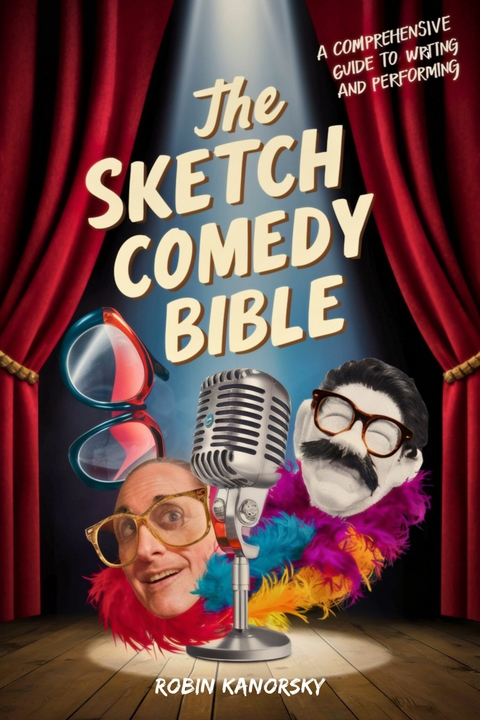
The Sketch Comedy Bible (eBook)
176 Seiten
JNR Publishing (Verlag)
978-0-00-113755-4 (ISBN)
Unleash Your Inner Comedian: The Sketch Comedy Bible is Your Ultimate Guide
Tired of stale jokes and predictable punchlines? Craving the secrets to crafting side-splitting sketches that leave audiences in stitches? Look no further than The Sketch Comedy Bible: A Comprehensive Guide to Writing and Performing by Robin Kanorsky.
This isn't just another comedy book it's your backstage pass to the world of sketch comedy. Whether you're an aspiring writer, a seasoned performer, or simply someone who loves a good laugh, this bible will equip you with the tools and techniques to create comedy gold.
Inside, you'll discover:
The Foundations: Learn the essential elements of sketch comedy, from understanding its unique structure and timing to developing killer premises and unforgettable characters.
The Psychology of Humor: Dive into the science behind what makes people laugh, and use this knowledge to craft jokes that hit their mark every time.
Crafting Your Sketch: Master the art of writing hilarious dialogue, creating memorable characters, and building story arcs that keep audiences hooked.
The Production Process: Go behind the scenes to learn about rehearsals, rewrites, and the collaborative effort that brings a sketch from page to stage or screen.
Navigating the Industry: Get insider tips on pitching your sketches, building a career in comedy writing, and staying relevant in an ever-changing landscape.
But that's not all!
This comprehensive guide also includes:
Advanced Techniques: Explore advanced comedic devices like satire, parody, and meta-comedy to elevate your writing.
Practical Exercises: Put your newfound knowledge to the test with hands-on exercises designed to spark creativity and hone your skills.
Real-World Examples: Learn from the successes (and failures) of iconic sketch shows and comedians.
Don't let your comedic genius go untapped! Grab your copy of The Sketch Comedy Bible today and start writing sketches that will have audiences rolling in the aisles. Whether you dream of performing on Saturday Night Live or simply want to entertain your friends, this book is your key to unlocking a world of laughter.
Order now and unleash your comedic potential!
4
Section 3: The Production Process
From Script to Stage/Screen
The journey from a written script to a performed sketch involves several crucial steps. Understanding this process can help writers create more producible sketches and collaborate effectively with directors, actors, and other production team members. Here’s a comprehensive look at the process of bringing a sketch from script to stage or screen:
- Initial Script Development
a) Concept Creation:
- Generate ideas through brainstorming, observation, or improvisation.
- Develop a clear premise and comedic angle.
b) First Draft:
- Write out the full sketch, focusing on structure and main jokes.
- Don’t worry too much about perfection at this stage.
c) Revision:
- Refine the script, tightening dialogue and enhancing comedic moments.
- Consider pacing, character consistency, and overall flow.
d) Peer Review:
- Share the script with trusted colleagues for feedback.
- Be open to constructive criticism and suggestions.
- Pre-Production Planning
a) Script Analysis:
- Break down the script for technical and creative requirements.
- Identify any special needs (props, costumes, effects, etc.).
b) Casting:
- Determine the character requirements.
- For established troupes, consider which performers best fit each role.
c) Production Meeting:
- Gather key team members (director, producers, technical staff) to discuss the sketch.
- Address any potential challenges or special requirements.
d) Scheduling:
- Set rehearsal dates and times.
- Plan the production timeline, including tech rehearsals and dress rehearsals.
- Rehearsal Process
a) Table Read:
- Gather the cast for an initial read-through of the script.
- Discuss character motivations and the overall tone of the sketch.
b) Blocking:
- Work out the physical movements and positions of actors on stage or for camera.
- Ensure that blocking enhances the comedy and works for the performance space.
c) Character Development:
- Allow actors to explore and develop their characters.
- Encourage improvisation to find new comedic moments.
d) Run-Throughs:
- Practice the sketch in full, gradually reducing reliance on scripts.
- Focus on timing, pacing, and energy.
e) Notes and Adjustments:
- After each run-through, provide notes for improvement.
- Be open to making script adjustments based on what works in performance.
- Technical Elements
a) Set Design and Construction:
- Create any necessary set pieces or backdrops.
- Ensure sets are practical for quick changes in a multi-sketch show.
b) Props and Costumes:
- Gather or create all necessary props and costumes.
- Conduct fittings and make any required alterations.
c) Lighting Design:
- Plan lighting cues to enhance the mood and highlight key moments.
- For filmed sketches, plan shot compositions and lighting setups.
d) Sound Design:
- Create or source any necessary sound effects or music.
- Plan for microphone usage if needed.
- Tech and Dress Rehearsals
a) Tech Rehearsal:
- Integrate all technical elements (lights, sound, set changes) with the performance.
- Work out any timing issues or technical glitches.
b) Dress Rehearsal:
- Run the sketch (often as part of a full show) with all elements in place.
- Treat this as a real performance to test readiness.
c) Final Adjustments:
- Make any last-minute tweaks based on the dress rehearsal.
- Ensure all team members are clear on their roles and cues.
- Performance/Filming
a) Live Performance:
- Perform the sketch for a live audience.
- Be prepared to adjust timing based on audience reactions.
b) Filming (for video sketches):
- Set up cameras and lighting according to the shot list.
- Perform multiple takes as needed to capture the best performance.
- Consider capturing alternate versions or improvised moments.
- Post-Production (for video sketches)
a) Editing:
- Select the best takes and assemble the sketch.
- Fine-tune timing and pacing in the edit.
b) Sound Mixing:
- Balance dialogue, sound effects, and music.
- Add any additional audio elements.
c) Color Grading:
- Adjust the visual tone and consistency of the footage.
d) Final Review:
- Screen the edited sketch for the team to catch any issues.
- Make final tweaks before release.
- Evaluation and Iteration
a) Performance Analysis:
- Review how the sketch was received by the audience.
- Identify strengths and areas for improvement.
b) Sketch Refinement:
- Based on performance/audience reaction, consider revisions for future performances.
- For successful sketches, explore possibilities for expanding or adapting the concept.
- Challenges and Considerations
a) Budget Constraints:
- Be prepared to adapt ideas to fit available resources.
- Get creative with low-budget solutions for props, costumes, and effects.
b) Time Management:
- Especially for topical sketches, work efficiently to stay relevant.
- Balance perfection with the need to meet deadlines.
c) Collaborative Compromise:
- Be open to input from directors, actors, and other team members.
- Find a balance between preserving your vision and incorporating valuable suggestions.
d) Technical Limitations:
- Be aware of the limitations of your performance space or filming equipment.
- Write with these constraints in mind, or be prepared to adapt.
e) Audience Considerations:
- Consider the specific audience you’ll be performing for (live show, TV, online, etc.).
- Adjust content and style as needed for your target audience.
- Tips for Writers in the Production Process
a) Stay Involved:
- Attend rehearsals when possible to see how your script translates to performance.
- Be available for questions or quick rewrites if needed.
b) Be Flexible:
- Understand that some changes may be necessary in the translation from page to performance.
- Be open to cutting or altering lines that don’t work as well as anticipated.
c) Learn from the Process:
- Pay attention to what works well in performance and what doesn’t.
- Use these insights to inform your future writing.
d) Collaborate Effectively:
- Build good relationships with directors, actors, and other production team members.
- Be respectful of others’ expertise in their areas.
e) Think Visually:
- When writing, consider how your sketch will look on stage or screen.
- Include important visual elements or physical comedy in your stage directions.
Understanding the full journey from script to stage or screen can make you a more effective sketch comedy writer. It allows you to anticipate potential issues, write more producible sketches, and collaborate more effectively with the entire production team. Remember, sketch comedy is often a collaborative art form, and the final performed piece is the result of many people’s efforts building upon your initial script.
Pitching Your Sketch
Pitching your sketch effectively is a crucial skill for any comedy writer. Whether you’re presenting to a TV show’s writers’ room, a sketch comedy troupe, or a production company, your ability to sell your idea can be just as important as the quality of the sketch itself. Here’s a comprehensive guide to pitching your sketch:
- Understanding the Pitch
A sketch pitch is typically a brief, engaging presentation of your sketch idea. It should:
- Clearly communicate the core concept
- Highlight the comedic potential
- Demonstrate why it’s a good fit for the platform or show
- Elements of a Strong Pitch
a) Clear Premise:
- Summarize the basic situation or concept in one or two sentences.
- Make the comedic angle immediately apparent.
b) Character Descriptions:
- Briefly outline the key characters and their roles in the sketch.
- Highlight any unique or funny character traits.
c) Plot Overview:
- Give a quick rundown of how the sketch unfolds.
- Emphasize the major comedic beats or twists.
d) Unique Selling Point:
- Explain what makes your sketch stand out.
- This could be a novel concept, timely relevance, or a fresh take on a familiar idea.
e) Potential for Development:
- If applicable, suggest how the concept could be expanded or repeated (for recurring sketches).
- Preparing Your Pitch
a) Write It Out:
- Draft a written version of your pitch, even if you...
| Erscheint lt. Verlag | 10.1.2026 |
|---|---|
| Sprache | englisch |
| Themenwelt | Literatur ► Comic / Humor / Manga |
| ISBN-10 | 0-00-113755-7 / 0001137557 |
| ISBN-13 | 978-0-00-113755-4 / 9780001137554 |
| Informationen gemäß Produktsicherheitsverordnung (GPSR) | |
| Haben Sie eine Frage zum Produkt? |
 EPUB (Adobe DRM)
Größe: 1,9 MB
Kopierschutz: Adobe-DRM
Adobe-DRM ist ein Kopierschutz, der das eBook vor Mißbrauch schützen soll. Dabei wird das eBook bereits beim Download auf Ihre persönliche Adobe-ID autorisiert. Lesen können Sie das eBook dann nur auf den Geräten, welche ebenfalls auf Ihre Adobe-ID registriert sind.
Details zum Adobe-DRM
Dateiformat: EPUB (Electronic Publication)
EPUB ist ein offener Standard für eBooks und eignet sich besonders zur Darstellung von Belletristik und Sachbüchern. Der Fließtext wird dynamisch an die Display- und Schriftgröße angepasst. Auch für mobile Lesegeräte ist EPUB daher gut geeignet.
Systemvoraussetzungen:
PC/Mac: Mit einem PC oder Mac können Sie dieses eBook lesen. Sie benötigen eine
eReader: Dieses eBook kann mit (fast) allen eBook-Readern gelesen werden. Mit dem amazon-Kindle ist es aber nicht kompatibel.
Smartphone/Tablet: Egal ob Apple oder Android, dieses eBook können Sie lesen. Sie benötigen eine
Geräteliste und zusätzliche Hinweise
Buying eBooks from abroad
For tax law reasons we can sell eBooks just within Germany and Switzerland. Regrettably we cannot fulfill eBook-orders from other countries.
aus dem Bereich