


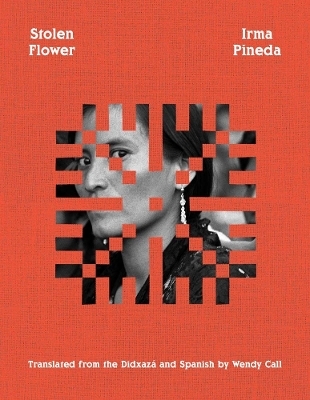
Stolen Flower
Seiten
2025
Yale University Press (Verlag)
978-0-300-28248-1 (ISBN)
Yale University Press (Verlag)
978-0-300-28248-1 (ISBN)
From a trailblazing poet, a trilingual narrative in verse that bears witness to a devastating crime and testifies to the power of collective defiance
In 2007, Mexican soldiers raped and left for dead a seventy-three-year-old Indigenous Nahua woman, Ernestina Ascencio Rosario, as she worked in her cornfield. The courts ruled that Ascencio died of natural causes. When journalists investigated, they discovered numerous village girls, as young as twelve, who also had been raped by soldiers. The reports sparked outrage throughout Latin America over gender-based violence, oppression of Indigenous communities, and military impunity.
Stolen Flower is Irma Pineda’s powerful sequence of poems memorializing these events and their ramifications. The poems, which appear here in the original Didxazá (Isthmus Zapotec), Spanish, and English, are a chorus of fictionalized voices: Ascencio herself, the land, and the community grapple with the terror. It is a lament and a call to action, refashioning the testimonio into a tribute to Mexico’s Indigenous peoples and their lands, cultures, and languages.
In 2007, Mexican soldiers raped and left for dead a seventy-three-year-old Indigenous Nahua woman, Ernestina Ascencio Rosario, as she worked in her cornfield. The courts ruled that Ascencio died of natural causes. When journalists investigated, they discovered numerous village girls, as young as twelve, who also had been raped by soldiers. The reports sparked outrage throughout Latin America over gender-based violence, oppression of Indigenous communities, and military impunity.
Stolen Flower is Irma Pineda’s powerful sequence of poems memorializing these events and their ramifications. The poems, which appear here in the original Didxazá (Isthmus Zapotec), Spanish, and English, are a chorus of fictionalized voices: Ascencio herself, the land, and the community grapple with the terror. It is a lament and a call to action, refashioning the testimonio into a tribute to Mexico’s Indigenous peoples and their lands, cultures, and languages.
Irma Pineda is an Isthmus Zapotec poet, translator, educator, and Indigenous rights activist. She has two previous collections of poetry in Wendy Call’s English translation: In the Belly of Night and Other Poems and Nostalgia Doesn’t Flow Away Like Riverwater. She lives in Oaxaca, Mexico. Wendy Call is a writer, editor, translator, and educator. She is the author of No Word for Welcome and coeditor of Telling True Stories and the annual Best Literary Translations. She lives in Seattle, WA, on Duwamish land.
| Erscheinungsdatum | 04.11.2025 |
|---|---|
| Reihe/Serie | The Margellos World Republic of Letters |
| Übersetzer | Wendy Call |
| Zusatzinfo | 14 b-w illus. |
| Sprache | englisch |
| Maße | 152 x 197 mm |
| Themenwelt | Literatur ► Lyrik / Dramatik ► Lyrik / Gedichte |
| ISBN-10 | 0-300-28248-6 / 0300282486 |
| ISBN-13 | 978-0-300-28248-1 / 9780300282481 |
| Zustand | Neuware |
| Informationen gemäß Produktsicherheitsverordnung (GPSR) | |
| Haben Sie eine Frage zum Produkt? |
Mehr entdecken
aus dem Bereich



aus dem Bereich
Kurzgeschichten für die Seele – zum Entspannen und Nachdenken
Buch | Softcover (2025)
Lehmanns Media (Verlag)
CHF 19,90
Deutsche Gedichte aus zwölf Jahrhunderten
Buch | Hardcover (2025)
C.H.Beck (Verlag)
CHF 41,90


