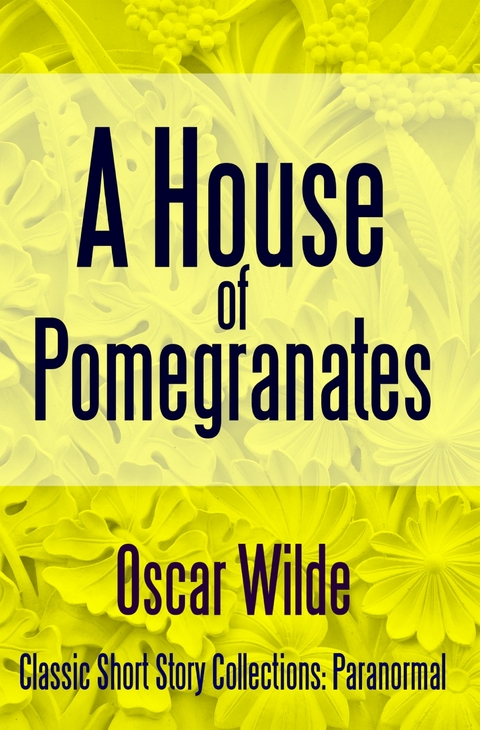
House of Pomegranates (eBook)
97 Seiten
Publishdrive (Verlag)
978-1-387-14766-3 (ISBN)
A House of Pomegranates is a collection of fairy tales, written by Oscar Wilde, that was published in 1891 as a second collection for The Happy Prince and Other Tales (1888). Wilde once said that this collection was 'intended neither for the British child nor the British public.'
The stories included in this collection are as follows:
- The Young King
- The Birthday of the Infanta
- The Fisherman and his Soul
- The Star-Child
It was the night before the day fixed for his
coronation, and the young King was sitting alone in his beautiful
chamber. His courtiers had all taken their leave of him, bowing
their heads to the ground, according to the ceremonious usage of the
day, and had retired to the Great Hall of the Palace, to receive a
few last lessons from the Professor of Etiquette; there being some of
them who had still quite natural manners, which in a courtier is, I
need hardly say, a very grave offence.
The lad - for he was only a lad, being but sixteen
years of age - was not sorry at their departure, and had flung
himself back with a deep sigh of relief on the soft cushions of his
embroidered couch, lying there, wild-eyed and open-mouthed, like a
brown woodland Faun, or some young animal of the forest newly snared
by the hunters.
And, indeed, it was the hunters who had found him,
coming upon him almost by chance as, bare-limbed and pipe in hand, he
was following the flock of the poor goatherd who had brought him up,
and whose son he had always fancied himself to be. The child of
the old King's only daughter by a secret marriage with one much
beneath her in station - a stranger, some said, who, by the wonderful
magic of his lute-playing, had made the young Princess love him;
while others spoke of an artist from Rimini, to whom the Princess had
shown much, perhaps too much honour, and who had suddenly disappeared
from the city, leaving his work in the Cathedral unfinished - he had
been, when but a week old, stolen away from his mother's side, as
she slept, and given into the charge of a common peasant and his
wife, who were without children of their own, and lived in a remote
part of the forest, more than a day's ride from the town.
Grief, or the plague, as the court physician stated, or, as some
suggested, a swift Italian poison administered in a cup of spiced
wine, slew, within an hour of her wakening, the white girl who had
given him birth, and as the trusty messenger who bare the child
across his saddle-bow stooped from his weary horse and knocked at the
rude door of the goatherd's hut, the body of the Princess was being
lowered into an open grave that had been dug in a deserted
churchyard, beyond the city gates, a grave where it was said that
another body was also lying, that of a young man of marvellous and
foreign beauty, whose hands were tied behind him with a knotted cord,
and whose breast was stabbed with many red wounds...
Oscar Fingal O'Flahertie Wills Wilde (16 October 1854 - 30
November 1900) was an Irish playwright, novelist, essayist, and poet.
After writing in different forms throughout the 1880s, he became one of
London's most popular playwrights in the early 1890s. He is remembered
for his epigrams, his novel The Picture of Dorian Gray, his plays, as well as the circumstances of his imprisonment and early death.
Wilde's parents were successful Anglo-Irish, Dublin intellectuals. Their son became fluent in French and German early in life. At university, Wilde read Greats; he proved himself to be an outstanding classicist, first at Dublin, then at Oxford. He became known for his involvement in the rising philosophy of aestheticism, led by two of his tutors, Walter Pater and John Ruskin. After university, Wilde moved to London into fashionable cultural and social circles.
As a spokesman for aestheticism, he tried his hand at various
literary activities: he published a book of poems, lectured in the
United States and Canada on the new 'English Renaissance in Art', and
then returned to London where he worked prolifically as a journalist.
Known for his biting wit, flamboyant dress and glittering conversation,
Wilde became one of the best-known personalities of his day.
At the turn of the 1890s, he refined his ideas about the supremacy of
art in a series of dialogues and essays, and incorporated themes of
decadence, duplicity, and beauty into his only novel, The Picture of Dorian Gray
(1890). The opportunity to construct aesthetic details precisely, and
combine them with larger social themes, drew Wilde to write drama. He
wrote Salome
(1891) in French in Paris but it was refused a licence for England due
to the absolute prohibition of Biblical subjects on the English stage.
Unperturbed, Wilde produced four society comedies in the early 1890s,
which made him one of the most successful playwrights of late Victorian
London.
A House of Pomegranates is a collection of fairy tales, written by Oscar Wilde, that was published in 1891 as a second collection for The Happy Prince and Other Tales (1888). Wilde once said that this collection was "e;intended neither for the British child nor the British public."e;The stories included in this collection are as follows:The Young KingThe Birthday of the InfantaThe Fisherman and his SoulThe Star-ChildTHE YOUNG KING (excerpt)It was the night before the day fixed for hiscoronation, and the young King was sitting alone in his beautifulchamber. His courtiers had all taken their leave of him, bowingtheir heads to the ground, according to the ceremonious usage of theday, and had retired to the Great Hall of the Palace, to receive afew last lessons from the Professor of Etiquette; there being some ofthem who had still quite natural manners, which in a courtier is, Ineed hardly say, a very grave offence.The lad - for he was only a lad, being but sixteenyears of age - was not sorry at their departure, and had flunghimself back with a deep sigh of relief on the soft cushions of hisembroidered couch, lying there, wild-eyed and open-mouthed, like abrown woodland Faun, or some young animal of the forest newly snaredby the hunters.And, indeed, it was the hunters who had found him,coming upon him almost by chance as, bare-limbed and pipe in hand, hewas following the flock of the poor goatherd who had brought him up,and whose son he had always fancied himself to be. The child ofthe old King s only daughter by a secret marriage with one muchbeneath her in station - a stranger, some said, who, by the wonderfulmagic of his lute-playing, had made the young Princess love him;while others spoke of an artist from Rimini, to whom the Princess hadshown much, perhaps too much honour, and who had suddenly disappearedfrom the city, leaving his work in the Cathedral unfinished - he hadbeen, when but a week old, stolen away from his mother s side, asshe slept, and given into the charge of a common peasant and hiswife, who were without children of their own, and lived in a remotepart of the forest, more than a day s ride from the town. Grief, or the plague, as the court physician stated, or, as somesuggested, a swift Italian poison administered in a cup of spicedwine, slew, within an hour of her wakening, the white girl who hadgiven him birth, and as the trusty messenger who bare the childacross his saddle-bow stooped from his weary horse and knocked at therude door of the goatherd s hut, the body of the Princess was beinglowered into an open grave that had been dug in a desertedchurchyard, beyond the city gates, a grave where it was said thatanother body was also lying, that of a young man of marvellous andforeign beauty, whose hands were tied behind him with a knotted cord,and whose breast was stabbed with many red wounds...Oscar Fingal O'Flahertie Wills Wilde (16 October 1854 30 November 1900) was an Irish playwright, novelist, essayist, and poet. After writing in different forms throughout the 1880s, he became one of London's most popular playwrights in the early 1890s. He is remembered for his epigrams, his novel The Picture of Dorian Gray, his plays, as well as the circumstances of his imprisonment and early death.Wilde's parents were successful Anglo-Irish, Dublin intellectuals. Their son became fluent in French and German early in life. At university, Wilde read Greats; he proved himself to be an outstanding classicist, first at Dublin, then at Oxford. He became known for his involvement in the rising philosophy of aestheticism, led by two of his tutors, Walter Pater and John Ruskin. After university, Wilde moved to London into fashionable cultural and social circles.As a spokesman for aestheticism, he tried his hand at various literary activities: he published a book of poems, lectured in the United States and Canada on the new "e;English Renaissance in Art"e;, and then returned to London where he worked prolifically as a journalist. Known for his biting wit, flamboyant dress and glittering conversation, Wilde became one of the best-known personalities of his day.At the turn of the 1890s, he refined his ideas about the supremacy of art in a series of dialogues and essays, and incorporated themes of decadence, duplicity, and beauty into his only novel, The Picture of Dorian Gray (1890). The opportunity to construct aesthetic details precisely, and combine them with larger social themes, drew Wilde to write drama. He wrote Salome (1891) in French in Paris but it was refused a licence for England due to the absolute prohibition of Biblical subjects on the English stage. Unperturbed, Wilde produced four society comedies in the early 1890s, which made him one of the most successful playwrights of late Victorian London.
| Erscheint lt. Verlag | 15.8.2017 |
|---|---|
| Reihe/Serie | Classic Short Story Collections: Paranormal | Classic Short Story Collections: Paranormal |
| Sprache | englisch |
| Themenwelt | Literatur ► Fantasy / Science Fiction ► Fantasy |
| Schlagworte | collection single author • Fiction • paranormal short stories • short reads • Short Stories |
| ISBN-10 | 1-387-14766-8 / 1387147668 |
| ISBN-13 | 978-1-387-14766-3 / 9781387147663 |
| Informationen gemäß Produktsicherheitsverordnung (GPSR) | |
| Haben Sie eine Frage zum Produkt? |
 EPUB (Adobe DRM)
Größe: 578 KB
Kopierschutz: Adobe-DRM
Adobe-DRM ist ein Kopierschutz, der das eBook vor Mißbrauch schützen soll. Dabei wird das eBook bereits beim Download auf Ihre persönliche Adobe-ID autorisiert. Lesen können Sie das eBook dann nur auf den Geräten, welche ebenfalls auf Ihre Adobe-ID registriert sind.
Details zum Adobe-DRM
Dateiformat: EPUB (Electronic Publication)
EPUB ist ein offener Standard für eBooks und eignet sich besonders zur Darstellung von Belletristik und Sachbüchern. Der Fließtext wird dynamisch an die Display- und Schriftgröße angepasst. Auch für mobile Lesegeräte ist EPUB daher gut geeignet.
Systemvoraussetzungen:
PC/Mac: Mit einem PC oder Mac können Sie dieses eBook lesen. Sie benötigen eine
eReader: Dieses eBook kann mit (fast) allen eBook-Readern gelesen werden. Mit dem amazon-Kindle ist es aber nicht kompatibel.
Smartphone/Tablet: Egal ob Apple oder Android, dieses eBook können Sie lesen. Sie benötigen eine
Geräteliste und zusätzliche Hinweise
Buying eBooks from abroad
For tax law reasons we can sell eBooks just within Germany and Switzerland. Regrettably we cannot fulfill eBook-orders from other countries.
EPUB (Ohne DRM)Digital Rights Management: ohne DRM
Dieses eBook enthält kein DRM oder Kopierschutz. Eine Weitergabe an Dritte ist jedoch rechtlich nicht zulässig, weil Sie beim Kauf nur die Rechte an der persönlichen Nutzung erwerben.
Dateiformat: EPUB (Electronic Publication)
EPUB ist ein offener Standard für eBooks und eignet sich besonders zur Darstellung von Belletristik und Sachbüchern. Der Fließtext wird dynamisch an die Display- und Schriftgröße angepasst. Auch für mobile Lesegeräte ist EPUB daher gut geeignet.
Systemvoraussetzungen:
PC/Mac: Mit einem PC oder Mac können Sie dieses eBook lesen. Sie benötigen dafür die kostenlose Software Adobe Digital Editions.
eReader: Dieses eBook kann mit (fast) allen eBook-Readern gelesen werden. Mit dem amazon-Kindle ist es aber nicht kompatibel.
Smartphone/Tablet: Egal ob Apple oder Android, dieses eBook können Sie lesen. Sie benötigen dafür eine kostenlose App.
Geräteliste und zusätzliche Hinweise
Buying eBooks from abroad
For tax law reasons we can sell eBooks just within Germany and Switzerland. Regrettably we cannot fulfill eBook-orders from other countries.
aus dem Bereich