


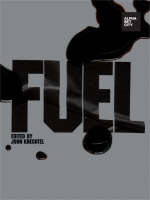
Fuel
Alphabet City Magazine 13
Seiten
2008
MIT Press (Verlag)
978-0-262-11325-0 (ISBN)
MIT Press (Verlag)
978-0-262-11325-0 (ISBN)
- Keine Verlagsinformationen verfügbar
- Artikel merken
Writers and artists imagine the transition to a carbon-free future and the radical reinvention of energy that would make it possible.
How will the world work in the pos-toil, post-coal future? Our transition could take the form of disastrous collapses in economic, political, and economic systems-or of a radical reinvention of energy. We could relapse into a new Dark Ages, or we could shift to a new economic model and international order that's not based on (the appropriately named) "fossil" fuels but on renewable energy. No matter what, global warming and resource scarcity will force us to do something. To avert environmental and economic disaster, we'll have to think beyond the weekly fluctuations in the price of gasoline and consider larger matters. In Fuel, writers and artists imagine the transition to a carbon-free future: an architect plans "Velo-city," a network of elevated bikeways; a designer models a perfectly internalized, tail-chasing energy system; an urbanist examines the new "Oil Cities" in Dubai and Saudi Arabia; a photographer documents the social and environmental damage done by the oil industry in Nigeria; and an architect proposes that oil rigs be turned into sanctuaries for marine and avian wildlife. Reading Fuel, we read our current energy moment in the broader context of a range of possible futures.
How will the world work in the pos-toil, post-coal future? Our transition could take the form of disastrous collapses in economic, political, and economic systems-or of a radical reinvention of energy. We could relapse into a new Dark Ages, or we could shift to a new economic model and international order that's not based on (the appropriately named) "fossil" fuels but on renewable energy. No matter what, global warming and resource scarcity will force us to do something. To avert environmental and economic disaster, we'll have to think beyond the weekly fluctuations in the price of gasoline and consider larger matters. In Fuel, writers and artists imagine the transition to a carbon-free future: an architect plans "Velo-city," a network of elevated bikeways; a designer models a perfectly internalized, tail-chasing energy system; an urbanist examines the new "Oil Cities" in Dubai and Saudi Arabia; a photographer documents the social and environmental damage done by the oil industry in Nigeria; and an architect proposes that oil rigs be turned into sanctuaries for marine and avian wildlife. Reading Fuel, we read our current energy moment in the broader context of a range of possible futures.
John Knechtel is Director of Alphabet City Media in Toronto. John Knechtel is Director of Alphabet City Media in Toronto.
| Reihe/Serie | Fuel |
|---|---|
| Einführung | John Knechtel |
| Zusatzinfo | 200 color illus. |
| Verlagsort | Cambridge, Mass. |
| Sprache | englisch |
| Maße | 121 x 159 mm |
| Gewicht | 431 g |
| Themenwelt | Kunst / Musik / Theater ► Kunstgeschichte / Kunststile |
| ISBN-10 | 0-262-11325-2 / 0262113252 |
| ISBN-13 | 978-0-262-11325-0 / 9780262113250 |
| Zustand | Neuware |
| Informationen gemäß Produktsicherheitsverordnung (GPSR) | |
| Haben Sie eine Frage zum Produkt? |
Mehr entdecken
aus dem Bereich

aus dem Bereich
kleine Kulturgeschichte einer brillanten Allianz
Buch | Softcover (2025)
Iudicium (Verlag)
CHF 33,90


