


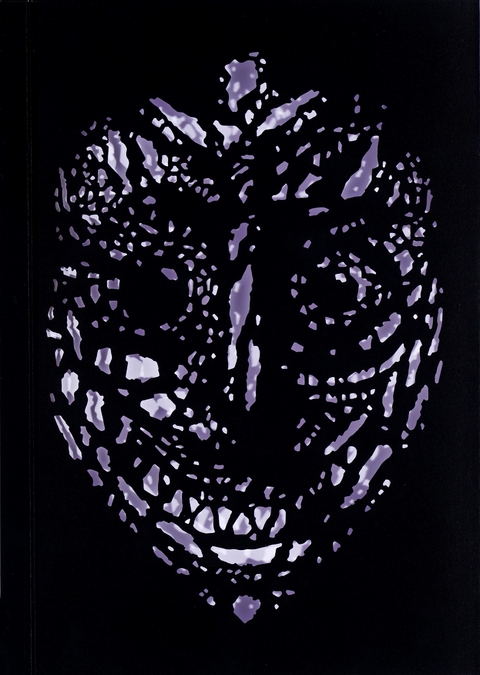
KRAMPUS
Seiten
2024
|
500. Auflage
Fotohofedition (Verlag)
978-3-903334-77-9 (ISBN)
Fotohofedition (Verlag)
978-3-903334-77-9 (ISBN)
Im Rahmen der Reihe INN SITU beschäftigen sich Fotografinnen und Fotografen mit der Region Tirol/Vorarlberg.
Kurt Tong beschäftigt sich mit Zugehörigkeit und kollektiver Identität. In KRAMPUS sind Folklore, Totenkulte und Rituale die zentralen Themen. In seiner Arbeit verschwimmen Fiktion und Dokument, Inszenierung und historische Recherche. Klassische Fotografie wird ergänzt mit recherchiertem Bildmaterial, Postkarten stehen neben Bildern aus privaten Fotoalben, Zeitungsseiten werden kombiniert mit aufwendig gestalteten, inszenierten Studioaufnahmen. Protokoll und Anekdote, Tatsachenbericht und Fantasygeschichte überlagern sich zugunsten einer komplexeren Erzählung der Wirklichkeit. Der Tiroler Nutzwald wird zum Set für einen Horrorfilm.
„Ich nehme bewusst die Haltung der Ahnungslosigkeit eines Menschen aus einem anderen Kulturkreis ein, der sich den Phänomenen dieses Brauchs von außen nähert. Über den Krampus gibt es Unmengen von Dokumentationen, historisches und zeitgenössisches Bildmaterial. Damit wollte ich nicht konkurrieren. Je länger ich mich mit dem Thema beschäftigte, desto mehr kristallisierte sich heraus, dass die Suche nach dem NichtFassbaren, dem Unheimlichen das Zentrum der Arbeit ist. Ja, das Unheimliche muss unsichtbar bleiben.“ (Kurt Tong) As part of the INN SITU series, photographers focus on the Tyrol/Vorarlberg region.
Kurt Tong deals with belonging and collective identity. In KRAMPUS, folklore,
cults of the dead and rituals are the central themes. His work blurs fiction and document,
staging and historical research. Classic photography is supplemented with researched images, postcards are juxtaposed with pictures from private photo albums, newspaper pages are combined with elaborately designed, staged studio shots. Protocol and anecdote, factual report and fantasy story
fantasy story overlap in favor of a more complex narrative of reality. The Tyrolean commercial forest becomes the set for a horror film.
“I deliberately adopt the attitude of an unsuspecting person from another culture who approaches the phenomena of this custom from the outside. There are tons of documentaries about the Krampus, historical and contemporary footage. I didn't want to compete with that. The longer I dealt with the subject, the more it became clear that the search for the intangible, the uncanny, is at the heart of the work. Yes, the uncanny must remain invisible.” (Kurt Tong)
Kurt Tong beschäftigt sich mit Zugehörigkeit und kollektiver Identität. In KRAMPUS sind Folklore, Totenkulte und Rituale die zentralen Themen. In seiner Arbeit verschwimmen Fiktion und Dokument, Inszenierung und historische Recherche. Klassische Fotografie wird ergänzt mit recherchiertem Bildmaterial, Postkarten stehen neben Bildern aus privaten Fotoalben, Zeitungsseiten werden kombiniert mit aufwendig gestalteten, inszenierten Studioaufnahmen. Protokoll und Anekdote, Tatsachenbericht und Fantasygeschichte überlagern sich zugunsten einer komplexeren Erzählung der Wirklichkeit. Der Tiroler Nutzwald wird zum Set für einen Horrorfilm.
„Ich nehme bewusst die Haltung der Ahnungslosigkeit eines Menschen aus einem anderen Kulturkreis ein, der sich den Phänomenen dieses Brauchs von außen nähert. Über den Krampus gibt es Unmengen von Dokumentationen, historisches und zeitgenössisches Bildmaterial. Damit wollte ich nicht konkurrieren. Je länger ich mich mit dem Thema beschäftigte, desto mehr kristallisierte sich heraus, dass die Suche nach dem NichtFassbaren, dem Unheimlichen das Zentrum der Arbeit ist. Ja, das Unheimliche muss unsichtbar bleiben.“ (Kurt Tong) As part of the INN SITU series, photographers focus on the Tyrol/Vorarlberg region.
Kurt Tong deals with belonging and collective identity. In KRAMPUS, folklore,
cults of the dead and rituals are the central themes. His work blurs fiction and document,
staging and historical research. Classic photography is supplemented with researched images, postcards are juxtaposed with pictures from private photo albums, newspaper pages are combined with elaborately designed, staged studio shots. Protocol and anecdote, factual report and fantasy story
fantasy story overlap in favor of a more complex narrative of reality. The Tyrolean commercial forest becomes the set for a horror film.
“I deliberately adopt the attitude of an unsuspecting person from another culture who approaches the phenomena of this custom from the outside. There are tons of documentaries about the Krampus, historical and contemporary footage. I didn't want to compete with that. The longer I dealt with the subject, the more it became clear that the search for the intangible, the uncanny, is at the heart of the work. Yes, the uncanny must remain invisible.” (Kurt Tong)
| Erscheinungsdatum | 10.10.2024 |
|---|---|
| Reihe/Serie | INN SITU ; 13 |
| Co-Autor | Moritz Neumüller |
| Zusatzinfo | zahlreiche SW- und Farbabbildungen |
| Verlagsort | Salzburg |
| Sprache | englisch; deutsch |
| Maße | 160 x 225 mm |
| Gewicht | 366 g |
| Themenwelt | Kunst / Musik / Theater ► Fotokunst |
| Schlagworte | Brauchtum • BTV • Folklore • INN SITU • Kollektive Identität • Krampuspass • Krampusverein • Postkartenarchiv |
| ISBN-10 | 3-903334-77-4 / 3903334774 |
| ISBN-13 | 978-3-903334-77-9 / 9783903334779 |
| Zustand | Neuware |
| Informationen gemäß Produktsicherheitsverordnung (GPSR) | |
| Haben Sie eine Frage zum Produkt? |
Mehr entdecken
aus dem Bereich



aus dem Bereich
die Geheimnisse der weltbesten Fotografen
Buch | Softcover (2024)
Midas Collection (Verlag)
CHF 37,90
Fotos aus den 1980er Jahren von Mahmoud Dabdoub
Buch | Hardcover (2024)
Passage-Verlag
CHF 37,90


