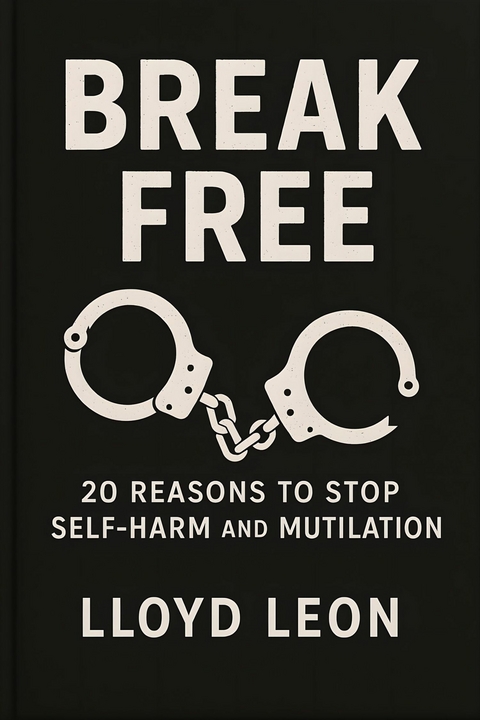
Break Free (eBook)
42 Seiten
Publishdrive (Verlag)
978-0-00-111297-1 (ISBN)
Self-harm is a complex behaviour that many teenagers and young adults engage in as a way to cope with emotional pain or distress. It often involves intentionally causing harm to one's own body, such as cutting, burning, or hitting oneself. While it may provide a momentary sense of relief, it ultimately complicates feelings of sadness, anger, or frustration. Understanding the reasons behind self-harm is crucial in addressing this issue effectively.
Break Free: 20 Reasons to Stop Self-Harm and Mutilation
Chapter 1: Understanding Self-Harm
What is Self-Harm?
Self-harm is a complex behaviour that many teenagers and young adults engage in as a way to cope with emotional pain or distress. It often involves intentionally causing harm to one’s own body, such as cutting, burning, or hitting oneself. While it may provide a momentary sense of relief, it ultimately complicates feelings of sadness, anger, or frustration. Understanding the reasons behind self-harm is crucial in addressing this issue effectively.
For many, self-harm serves as a physical manifestation of emotional struggles. It can be a way to express feelings that are difficult to articulate, or a means to regain a sense of control in overwhelming situations. This behaviour is often shrouded in shame and secrecy, making it difficult for those who struggle with it to seek help. Recognising that self-harm is not uncommon can help individuals feel less isolated in their experiences.
The motivations for self-harm vary greatly among individuals. Some may engage in it as a form of self-punishment, believing that they deserve to feel pain for perceived failures or shortcomings. Others might use self-harm as a coping mechanism to distract themselves from emotional turmoil or to release pent-up tension. It is essential to approach this topic with empathy, as each person's journey is unique and shaped by their circumstances.
Breaking free from the cycle of self-harm requires understanding and support. It is important for young people to identify healthier coping strategies that can replace harmful behaviours. This could include talking to someone they trust, engaging in creative outlets, or seeking professional help. By addressing the underlying issues and finding alternative ways to cope, individuals can begin to heal and move towards a healthier mindset.
Ultimately, self-harm is a signal that something deeper needs to be addressed. Acknowledging its presence is the first step towards recovery. As individuals learn to express their emotions in healthier ways, they can find empowerment in their journey to break free from self-harm. It is a challenging path, but one that can lead to a more fulfilling and happier life.
Common Misconceptions
Many teenagers and young adults hold common misconceptions about self-harm, which can perpetuate the cycle of pain and misunderstanding. One prevalent myth is that self-harm is always about seeking attention. In reality, many individuals engage in self-harm as a coping mechanism, silently battling their inner turmoil. This misconception can lead to feelings of isolation and shame for those who are struggling, as they fear being judged rather than receiving the support they need.
Another misconception is that self-harm is exclusively linked to mental illness. While many who self-harm may indeed experience mental health challenges, it is not a universal truth. Some individuals may resort to self-harm as a response to overwhelming emotions or life circumstances, regardless of a formal diagnosis. This understanding is crucial, as it highlights the importance of addressing the underlying issues rather than labelling self-harm solely as a symptom of mental illness.
Additionally, there is a belief that self-harm is a permanent solution to temporary problems. This myth can be particularly dangerous, as it may encourage individuals to see self-harm as a viable option for dealing with distress. In reality, self-harm often exacerbates feelings of guilt and sadness, creating a vicious cycle that is difficult to escape. Recognising that these feelings are temporary and that healthier coping strategies exist is vital for breaking free from this mindset.
Some might think that only certain types of people self-harm, reinforcing stereotypes around the behaviour. This misconception can alienate those who may not fit the typical profile but still experience the urge to harm themselves. Self-harm does not discriminate; it can affect anyone, regardless of their background, personality, or social standing. Understanding this can foster a more inclusive environment for those who need support and compassion in their healing journey.
Finally, there is a notion that simply stopping self-harm is a matter of willpower or choice. This oversimplification fails to acknowledge the complex emotional and psychological factors at play. Recovery is a process that often requires professional help, understanding, and patience. Recognising that self-harm is not merely a choice but a response to deeper issues can empower individuals to seek help and embrace healthier coping mechanisms instead.
The Emotional Triggers
Emotional triggers are powerful events or situations that can lead to overwhelming feelings and thoughts, often pushing individuals towards self-harm as a coping mechanism. For many teenagers and young adults, these triggers can stem from various sources such as relationships, academic pressures, or even social media interactions. Understanding what these triggers are is crucial in the journey to break free from self-harm, as recognising them can help you find healthier ways to cope with your emotions.
One common emotional trigger is the feeling of rejection. Whether it’s a friend turning away or a romantic interest not reciprocating feelings, rejection can evoke deep feelings of worthlessness and despair. This sense of isolation might lead some to self-harm as a way to express their pain or regain a sense of control. It’s important to remember that experiencing rejection is a part of life, and finding support from friends or professionals can help you navigate these feelings without resorting to harmful behaviours.
Another significant trigger is stress, particularly from academic challenges or life changes. The pressure to excel in exams or to fit in during a transitional period can create a whirlwind of anxiety. Many young people feel overwhelmed and may turn to self-harm as a way to relieve that pressure temporarily. Recognising stress as a trigger allows individuals to seek out healthier coping strategies, such as time management techniques or engaging in relaxing activities, which can alleviate the burden without causing further harm.
Loneliness also plays a vital role as an emotional trigger. In a world that seems increasingly connected, feelings of loneliness can be magnified, leading to feelings of despair. This sense of being alone can push individuals towards self-harm as a misguided attempt to feel something, anything. It’s essential to reach out to others and build connections, whether through friends, family, or community groups, to combat these feelings of isolation in a constructive manner.
Finally, unresolved trauma can serve as a significant emotional trigger for many. Past experiences, whether they involve loss, abuse, or other painful events, can resurface unexpectedly and lead to intense emotional responses. When faced with such memories, some may turn to self-harm as a way to cope with the pain. Seeking professional help to address these traumas can be a vital step in breaking the cycle of self-harm and finding healthier ways to process and heal from past experiences.
Chapter 2: The Impact of Self-Harm
Physical Consequences
The act of self-harm often leaves visible marks on the body, which can lead to a lifetime of reminders of pain and struggle. These scars, both physical and emotional, can be difficult to hide and may provoke feelings of shame or embarrassment. For many teenagers and young adults, the physical consequences of self-harm are not just limited to the immediate effects but can also have long-term implications on self-esteem and body image. It's crucial to recognise that each act of self-harm not only impacts one's skin but can also alter how one perceives their own worth.
In addition to the visible scars, self-harm can lead to a variety of health complications. Infections are a significant risk, especially if the skin is broken and not cared for properly. These infections can escalate quickly and may require medical intervention, leading to further complications that could affect physical health. It's important to understand that self-harming behaviours can create a cycle of physical pain that mirrors the emotional distress, making it increasingly challenging to break free from this harmful cycle.
The physical pain associated with self-harm often serves as a temporary distraction from emotional turmoil, but it can lead to a range of physical issues over time. Chronic pain, sensitivity, or even nerve damage can result from repeated harm to the body. This not only affects one’s physical abilities but can also hinder participation in activities that once brought joy. Understanding the potential physical consequences can serve as a powerful motivator to seek healthier coping mechanisms for emotional pain.
Furthermore, the impact of self-harm goes beyond the individual. Friends and family may notice the physical effects, leading to concern and confusion about how to help. This external pressure can sometimes exacerbate feelings of isolation and shame for those who self-harm. The ripple effect of physical consequences extends into relationships, making it essential to consider how self-harm can affect those around you as well.
Ultimately, recognising the physical consequences of self-harm is a critical step towards healing. It is a reminder that the body deserves care and respect, rather than injury and neglect. By choosing to stop self-harming, individuals can begin to reclaim their physical health and begin a journey toward a more positive self-image. Embracing this change not only benefits...
| Erscheint lt. Verlag | 1.12.2025 |
|---|---|
| Sprache | englisch |
| Themenwelt | Kinder- / Jugendbuch |
| ISBN-10 | 0-00-111297-X / 000111297X |
| ISBN-13 | 978-0-00-111297-1 / 9780001112971 |
| Informationen gemäß Produktsicherheitsverordnung (GPSR) | |
| Haben Sie eine Frage zum Produkt? |
 EPUB (Adobe DRM)
Größe: 1,3 MB
Kopierschutz: Adobe-DRM
Adobe-DRM ist ein Kopierschutz, der das eBook vor Mißbrauch schützen soll. Dabei wird das eBook bereits beim Download auf Ihre persönliche Adobe-ID autorisiert. Lesen können Sie das eBook dann nur auf den Geräten, welche ebenfalls auf Ihre Adobe-ID registriert sind.
Details zum Adobe-DRM
Dateiformat: EPUB (Electronic Publication)
EPUB ist ein offener Standard für eBooks und eignet sich besonders zur Darstellung von Belletristik und Sachbüchern. Der Fließtext wird dynamisch an die Display- und Schriftgröße angepasst. Auch für mobile Lesegeräte ist EPUB daher gut geeignet.
Systemvoraussetzungen:
PC/Mac: Mit einem PC oder Mac können Sie dieses eBook lesen. Sie benötigen eine
eReader: Dieses eBook kann mit (fast) allen eBook-Readern gelesen werden. Mit dem amazon-Kindle ist es aber nicht kompatibel.
Smartphone/Tablet: Egal ob Apple oder Android, dieses eBook können Sie lesen. Sie benötigen eine
Geräteliste und zusätzliche Hinweise
Buying eBooks from abroad
For tax law reasons we can sell eBooks just within Germany and Switzerland. Regrettably we cannot fulfill eBook-orders from other countries.
aus dem Bereich