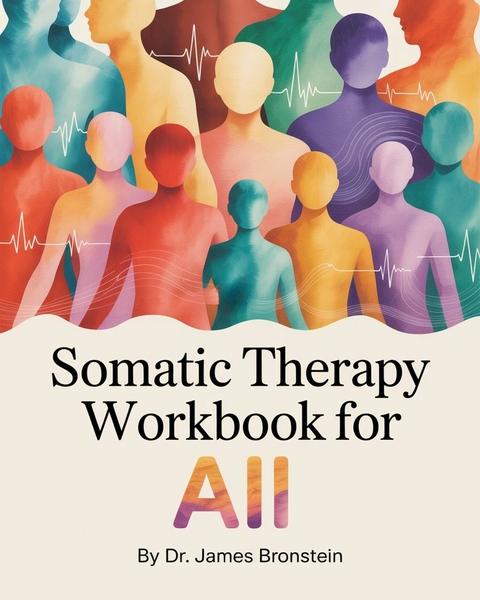
Somatic Therapy Workbook for ALL (eBook)
154 Seiten
Publishdrive (Verlag)
978-0-00-110668-0 (ISBN)
Somatic Therapy Workbook for ALL: A Practical Guide to Releasing Stored Trauma, Restoring Body Awareness, and Rebalancing the Nervous System is an accessible and easy-to-follow companion for anyone interested in understanding somatic practices and how they relate to emotional regulation, stress patterns, and body-based awareness. This workbook presents key ideas in simple language and offers gentle, structured exercises that encourage readers to explore grounding, breath awareness, sensory tracking, and mindful connection with the body.
Designed to support steady personal reflection, the book helps readers notice physical responses, build nervous-system resilience, and develop practical self-regulation habits at their own pace. The included prompts, guided reflections, and movement-based activities are laid out in a flexible format so readers can use the workbook in short sessions or as part of a longer routine.
A helpful resource for beginners, wellness learners, or anyone exploring body-mind integration, this workbook provides a calm and approachable path to understanding somatic concepts and reconnecting with internal signals.
NOTE: This workbook is for general educational and reflective purposes only and does not replace professional mental health or medical care.
PREFACE
A Short, Grounded Invitation from an Experienced Clinician: Goals, Safety, and Realistic Outcomes
Somatic healing begins with an understanding that your body holds stories, sensations, and protective responses that once helped you survive but may no longer serve you today. As an experienced clinician, I invite you into this workbook with steadiness, clarity, and compassion. This is not a quick-fix manual, nor is it a promise to erase pain or rewrite the past overnight. Instead, it is a supportive guide designed to help you build safety, awareness, and choice within your own nervous system. Many people who arrive at somatic work feel confused about why they react so strongly to small triggers, why they shut down when they wish they could speak up, or why certain sensations feel threatening even when life is calm. These reactions are not character flaws. They are the body’s way of adapting to overwhelming experiences. The goal of this workbook is to help you understand these patterns and begin shifting them gently, without judgment or force.
Understanding the Goals of Somatic Work
Before you begin, it is important to know what somatic therapy can realistically offer. Somatic work is not about reliving trauma or pushing yourself into painful memories. Instead, the goals are grounded, achievable, and focused on increasing your ability to stay present in your body without becoming overwhelmed. You will learn how to feel sensations without fear, how to recognize early signs of stress, and how to choose responses that bring you back into balance. These goals unfold in small steps. In the beginning, simply noticing your breath or the weight of your body on a chair may feel like an accomplishment. Over time, these small steps accumulate and allow deeper shifts.
The first goal is building body awareness. Many people who have experienced trauma have learned—often unconsciously—to disconnect from their bodies. This workbook guides you to rebuild that connection in small, digestible pieces. You will practice noticing sensations such as warmth, tightness, or heaviness without assigning them meaning. This is the foundation of somatic healing.
The second goal is expanding your window of tolerance. This refers to the range of emotions and sensations you can experience without becoming overwhelmed or shutting down. Through grounding exercises, breath practices, and movement-based tools, you will learn how to widen this window so you feel more capable and resilient.
A third goal is creating a sense of internal safety. Trauma often teaches the nervous system that the world is unpredictable or unsafe. Somatic work helps reverse this by building internal rhythms of comfort, ease, and stability. You will learn practices that help your body feel anchored, even during moments of stress.
Finally, somatic work aims to support integration—a gradual process where your body and mind begin working together again. This does not mean forgetting the past. Instead, it means your past no longer controls the way your body responds in the present.
Why Safety Matters in Somatic Healing
Somatic therapy requires a strong emphasis on safety. When working with bodily sensations, you may encounter responses such as tension, numbness, or unexpected emotions. These are normal, but they can feel overwhelming if approached too quickly. This workbook encourages you to move at a pace that feels manageable. It includes reminders to pause, rest, or step away whenever needed.
Safety in somatic work includes understanding what is appropriate for self-guided practice and what may require professional support. The exercises in this book are designed to be gentle and accessible, but some people may have complex histories, dissociative symptoms, or medical conditions that require assistance from a trained clinician. Throughout the workbook, you will find notes indicating when an exercise may be better practiced with a therapist present.
Safety also means respecting your body’s boundaries. You will never be asked to push through pain or discomfort. Somatic healing works best when approached with curiosity rather than force. If a sensation becomes too intense, you will be guided to shift your focus, slow down, or return to a grounding practice.
Finally, emotional safety is essential. Trauma often brings up shame, self-blame, or fear. This workbook intentionally uses simple, supportive language to help you feel guided rather than judged. Each section is structured to help you build confidence and trust in your body’s natural capacity to heal.
What Realistic Outcomes Look Like
It is natural to want fast results, especially if you have been struggling with symptoms for a long time. But somatic work is more like learning a new language than taking a pill. You will develop new skills over time, and the benefits will grow gradually as you practice. Realistic outcomes often include increased physical comfort, fewer emotional spikes, better sleep, and a stronger sense of connection to yourself. You may notice you can calm down more easily after stress, communicate more clearly in relationships, or set healthier boundaries.
Some people experience emotional relief early on, while others benefit more subtly at first, noticing small shifts such as relaxing their shoulders or breathing more naturally. These seemingly small changes can lead to profound transformation over weeks or months.
It is important to understand that somatic therapy does not erase memories or eliminate all symptoms. Instead, it helps you develop tools to manage your internal experience with greater stability and empowerment. Over time, your nervous system learns that it no longer needs to stay in survival mode.
The goal is not perfection. The goal is capacity: the ability to feel, sense, move, and respond with greater freedom.
The Process Underlying Somatic Goals
To help you understand the practical process behind each major goal, the following breakdown outlines what you will actually be doing as you work through the chapters.
1. Building Body Awareness
What it means: Learning to notice sensations without judgment or fear.
How you will do it:
- Practicing slow, simple check-ins such as noticing tension in your shoulders or the temperature of your hands.
- Using body-mapping exercises to track sensations.
- Engaging in grounding activities that help you feel where your body is in space.
As you repeat these exercises, the body begins to soften its defenses and allow you to feel more present.
2. Expanding the Window of Tolerance
What it means: Increasing the range of physical and emotional experiences you can handle while staying regulated.
How you will do it:
- Practicing contained, gentle exposure to sensations that feel slightly uncomfortable but not overwhelming.
- Using breath and orientation techniques to bring yourself back into balance when sensations intensify.
- Learning how to shift between activation and relaxation intentionally.
With time, your nervous system learns flexibility instead of rigid survival responses.
3. Cultivating Internal Safety
What it means: Helping the nervous system feel anchored, supported, and less reactive.
How you will do it:
- Using grounding techniques that signal safety to the body.
- Building resources such as comforting memories, calming imagery, or physical anchors.
- Practicing self-regulation tools that soothe the nervous system.
Internal safety is a prerequisite for deeper trauma work, and you will return to these practices throughout the workbook.
4. Supporting Integration
What it means: Helping your body and mind reconnect so you feel whole and capable.
How you will do it:
- Practicing exercises that link sensation with movement, breath, or emotion.
- Working with titration—the slow, controlled release of activation.
- Using reflection questions to help your mind understand the shifts your body is making.
This process helps reduce symptoms like anxiety, dissociation, chronic tension, and emotional reactivity.
A Final Encouragement Before You Begin
This workbook is meant to be a companion, not a test. There is no expectation that you complete every exercise or perform them perfectly. Healing is not a straight line, and there will be days when your body feels open and spacious, and days when it feels heavy or resistant. Both are normal and welcomed.
What matters most is that you show up with curiosity, kindness, and patience. Your body has carried you through every challenge you have faced. Somatic work is your opportunity to finally listen to it, support it, and offer it the safety it may not have had in the past.
As you begin this journey, remember: you do not need to rush. Your nervous system heals through gentleness, repetition, and trust. And with each page you turn, you will build the foundation for a more grounded, embodied, and empowered life.
How to Use the Exercises, Logs, and In-Session Scripts (Clients Alone vs. Clinician-Assisted)
Somatic therapy is most effective when it is approached with structure, clarity, and a gentle pace. This workbook includes exercises, reflective logs, and in-session scripts designed to help you understand your nervous system, connect with your body, and release stored trauma safely over time. Whether you are working through this workbook alone or with the guidance of a trained clinician, understanding how to use each tool will make your experience...
| Erscheint lt. Verlag | 20.11.2025 |
|---|---|
| Sprache | englisch |
| Themenwelt | Kinder- / Jugendbuch |
| ISBN-10 | 0-00-110668-6 / 0001106686 |
| ISBN-13 | 978-0-00-110668-0 / 9780001106680 |
| Informationen gemäß Produktsicherheitsverordnung (GPSR) | |
| Haben Sie eine Frage zum Produkt? |
 EPUB (Adobe DRM)
Größe: 960 KB
Kopierschutz: Adobe-DRM
Adobe-DRM ist ein Kopierschutz, der das eBook vor Mißbrauch schützen soll. Dabei wird das eBook bereits beim Download auf Ihre persönliche Adobe-ID autorisiert. Lesen können Sie das eBook dann nur auf den Geräten, welche ebenfalls auf Ihre Adobe-ID registriert sind.
Details zum Adobe-DRM
Dateiformat: EPUB (Electronic Publication)
EPUB ist ein offener Standard für eBooks und eignet sich besonders zur Darstellung von Belletristik und Sachbüchern. Der Fließtext wird dynamisch an die Display- und Schriftgröße angepasst. Auch für mobile Lesegeräte ist EPUB daher gut geeignet.
Systemvoraussetzungen:
PC/Mac: Mit einem PC oder Mac können Sie dieses eBook lesen. Sie benötigen eine
eReader: Dieses eBook kann mit (fast) allen eBook-Readern gelesen werden. Mit dem amazon-Kindle ist es aber nicht kompatibel.
Smartphone/Tablet: Egal ob Apple oder Android, dieses eBook können Sie lesen. Sie benötigen eine
Geräteliste und zusätzliche Hinweise
Buying eBooks from abroad
For tax law reasons we can sell eBooks just within Germany and Switzerland. Regrettably we cannot fulfill eBook-orders from other countries.
aus dem Bereich