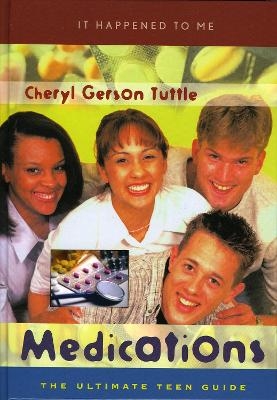
While not a substitute for professional medical advice, this book is a source of information about common medical conditions that teens often face. The medications that are commonly prescribed for that condition are listed along with a description of how the medication works in the body, the brand name and generic or chemical ingredients for the medication, and the common side effects and possible interactions with food and other drugs. Additionally, strategies for coping with the stigma associated with taking medications for chronic conditions are included. The goal of this book is to inform the teen about the medications, enabling the teen to be an active participant in his or her treatment with medications. For example, a suggested list of questions to ask the doctor or pharmacist is provided. Questions such as "What food, drinks, or other medications should I avoid while taking this medication?" "What do I do if I miss a dose?" "What are the possible side effects, and which side effects should I report and which should I ignore?" "How long before I see positive effects and know that the medication is working?" By thinking about his or her lifestyle, the teen will be alert to anything that could affect the medication and symptoms that signal side effects or possible other problems with the medication. Being well informed and playing an active role in the decision-making process can help teens to feel more in control of their medical conditions. Medication issues such as dealing with several different doctors or specialists, taking several different medications, why not to order medications from another country or from the web, taking medications when pregnant or nursing, donating blood while taking certain medications, driving, and traveling and taking medications are addressed. This useful reference concludes with an example medication diary, encouraging teens to monitor their medications and any side effects; a glossary; a drug list, arranged alphabetically and listing the generic, brand name, type,
Cheryl Gerson Tuttle has more than thirty years of experience in education, counseling and advocacy. She is co-author of five other books including Thinking Games to Play with Your Child, Parenting a Child with a Learning Disability, Challenging Voices, Parenting a Child with a Behavior Problem, and Learning Disabilities: The Ultimate Teen Guide.
Part 1 Acknowledgments
Part 2 Foreword
Part 3 Introduction
Chapter 4 The Hows and Whys of Taking Medication
Part 5 THE A TO Z GUIDE TO ILLNESSES AND DISABILITIES AND THE MEDICATIONS USED FOR THEM
Chapter 6 2 Acne
Chapter 7 3 Attention Deficit Hyperactivity Disorder (ADHD)
Chapter 8 4 Allergies
Chapter 9 5 Anxiety Disorders
Chapter 10 6 Asthma
Chapter 11 7 Depression
Chapter 12 8 Diabetes
Chapter 13 9 Eating Disorders
Chapter 14 10 Eczema
Chapter 15 11 Inflammatory Bowel Disease (IBD)
Chapter 16 12 Juvenile Rheumatoid Arthritis (JRA)
Chapter 17 13 Kidney Disease
Chapter 18 14 Lupus (Systemic Lupus Erythematosus - SLE)
Chapter 19 15 Migraines
Chapter 20 16 Seizure Disorders
Chapter 21 17 Sexually Transmitted Diseases (STDs)
Chapter 22 18 Tourette Syndrome (TS)
Part 23 Glossary: Terms Related to Medications and Conditions Included in This Book
Part 24 List of Medications by Generic Name
Part 25 Medication Diary
Part 26 Bibliography
Part 27 Index
Part 28 About the Author
| Erscheint lt. Verlag |
8.2.2005
|
| Reihe/Serie |
It Happened to Me
|
| Verlagsort |
Lanham, MD |
| Sprache |
englisch |
| Maße |
184 x 260 mm |
| Gewicht |
726 g |
| Themenwelt
|
Kinder- / Jugendbuch ► Sachbücher ► Körper / Sexualität |
| ISBN-10 |
0-8108-4905-4 / 0810849054 |
| ISBN-13 |
978-0-8108-4905-1 / 9780810849051 |
| Zustand |
Neuware |