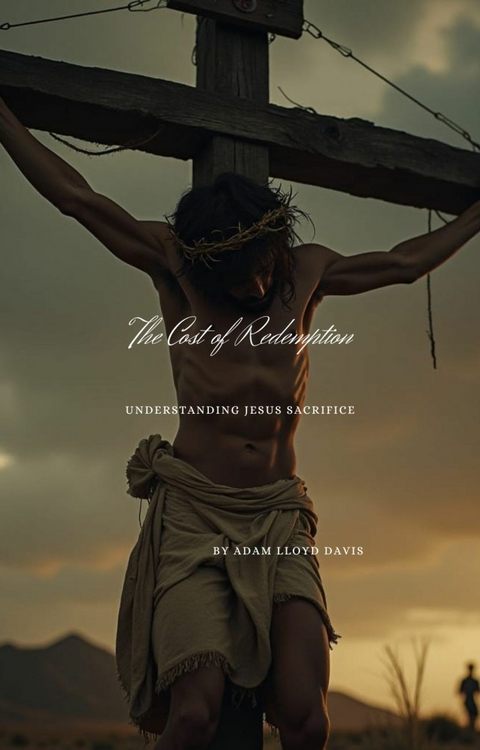
The Cost of Redemption (eBook)
105 Seiten
Publishdrive (Verlag)
978-0-00-070587-7 (ISBN)
The concept of sin and separation is central to understanding the theological implications of Jesus' sacrifice. Sin, as defined within Christian doctrine, represents a fundamental breach in the relationship between humanity and God. This separation is not merely a transactional issue but rather a relational one, where sin creates a chasm that alienates individuals from their Creator. The narrative of sin begins with the Fall in Genesis, illustrating how disobedience to God's command led to estrangement and the introduction of death into the world. This foundational story sets the stage for the necessity of redemption, highlighting the weight of sin and its pervasive impact on human existence.
The Cost of Redemption: Understanding Jesus' Sacrifice
Chapter 1: The Reason Jesus Died For Us
The Concept of Sin and Separation
The concept of sin and separation is central to understanding the theological implications of Jesus’ sacrifice. Sin, as defined within Christian doctrine, represents a fundamental breach in the relationship between humanity and God. This separation is not merely a transactional issue but rather a relational one, where sin creates a chasm that alienates individuals from their Creator. The narrative of sin begins with the Fall in Genesis, illustrating how disobedience to God’s command led to estrangement and the introduction of death into the world. This foundational story sets the stage for the necessity of redemption, highlighting the weight of sin and its pervasive impact on human existence.
As Christians reflect on the nature of sin, it is essential to recognize that this separation is not just a theological abstraction but has profound psychological ramifications. The acknowledgment of sin can lead to feelings of guilt, shame, and despair, which can significantly affect an individual’s mental and emotional well-being. The Passion narrative of Jesus provides a counter-narrative to this despair, offering hope and a pathway to reconciliation. Through his suffering and ultimate sacrifice, Jesus addresses the problem of sin head-on, demonstrating that while sin leads to separation, grace and redemption are available through faith in Him.
Historical context further enriches the understanding of sin and separation. In the Jewish tradition, the sacrificial system was instituted as a means to atone for sin, reflecting a deep awareness of the need for cleansing and reconciliation with God. Jesus' crucifixion can be viewed as the culmination of this sacrificial system, fulfilling prophecies and transforming the nature of atonement. By willingly laying down His life, Jesus not only becomes the ultimate sacrifice but also bridges the gap created by sin. This act of self-giving embodies the profound love of God and the lengths to which He will go to restore humanity's relationship with Him.
The significance of Jesus' death extends beyond historical and theological frameworks; it also invites believers to engage in a transformative spiritual journey. Understanding the concept of sin and separation encourages Christians to confront their own shortcomings and recognize their need for redemption. This process fosters a deeper appreciation of grace and the power of forgiveness. Furthermore, it challenges individuals to extend this grace to others, reflecting the transformative impact of the Cross in their lives. The act of repentance and the reception of God’s mercy not only mend the broken relationship with God but also empower believers to live in community with one another.
Finally, the resurrection serves as a powerful affirmation of the victory over sin and separation. It encapsulates the hope that, through Jesus, believers are no longer defined by their sins but rather embraced by the promise of eternal life. This resurrection not only signifies the defeat of death but also reinstates the possibility of an intimate relationship with God. For modern Christians, the understanding of sin, separation, and redemption through Jesus’ sacrifice is a foundation for faith, shaping worship practices, personal testimonies, and artistic expressions of belief. As the Church continues to explore these themes, the message of the Cross remains a source of inspiration, empowerment, and hope for all who seek to understand the depth of Jesus' love and the transformative power of His sacrifice.
The Need for Atonement
The concept of atonement is central to Christian theology, as it addresses humanity's need for reconciliation with God. From the moment sin entered the world, a chasm was created between the divine and humanity. This separation necessitated a means of restoration, a way to bridge the gap caused by transgression. The need for atonement is not merely a theological abstraction; it is rooted in the very nature of God as loving and just. God's holiness demands accountability for sin, while His love seeks to restore the relationship with His creation. This duality sets the stage for understanding the significance of Jesus’ sacrifice.
Historically, the sacrificial system of the Old Testament serves as a precursor to the ultimate atonement achieved through Jesus' death. The rituals and offerings prescribed in the Mosaic law were designed to address sin and restore fellowship with God, yet they were temporary and required continual repetition. Animals were sacrificed to symbolize the seriousness of sin and the cost of redemption. This context highlights the profound significance of Christ's sacrifice, which is presented in the New Testament as the fulfillment of these ancient practices. In Jesus, believers find the once-and-for-all sacrifice that renders the old system obsolete, providing a direct pathway to God.
The psychological impact of the Passion narrative further illustrates the need for atonement. The suffering and death of Jesus evoke a deep emotional response, prompting reflection on the weight of sin and its consequences. For many Christians, the narrative serves as a reminder of the gravity of their own shortcomings and the transformative power of grace. Understanding the atonement through the lens of Christ's suffering invites believers to confront their own failings while simultaneously offering hope and healing. This dual response of sorrow and gratitude fosters a deeper relationship with God, encouraging believers to embrace the redemptive nature of the sacrifice.
Comparative analysis of sacrifice in world religions reveals both similarities and distinctions in the understanding of atonement. Many belief systems incorporate the idea of sacrifice as a means of appeasing deities or seeking forgiveness. However, the uniqueness of Jesus' sacrifice lies in its unconditional nature and the invitation to all of humanity for reconciliation. While other religious practices may involve rituals or offerings that serve to earn favor, the Christian perspective emphasizes that atonement is a gift of grace, freely given through faith in Christ. This distinction underscores the profound love inherent in the Christian message and the necessity of accepting this gift.
In light of these theological, historical, and psychological dimensions, the significance of the resurrection cannot be overstated. It is through the resurrection that the atonement is validated, demonstrating Christ's victory over sin and death. The resurrection assures believers of their own hope for eternal life and the promise of restoration. Jesus' death and resurrection are not just historical events; they are the foundation of modern Christian practices, influencing worship, community, and personal devotion. As believers reflect on the need for atonement, they are invited to participate in a transformative journey, one that shapes their identity and purpose in light of the incredible cost of redemption.
Jesus as the Ultimate Sacrifice
Jesus as the Ultimate Sacrifice embodies the profound theological and historical significance of His crucifixion, which stands as a pivotal moment in Christian faith. Christians understand His death not merely as a tragic event but as a deliberate act of atonement, fulfilling the requirements of divine justice. The Old Testament foreshadows this sacrifice through various rituals and prophecies, establishing a framework that links Jesus' death to the broader narrative of redemption. The sacrificial system in ancient Israel, particularly the Day of Atonement, points to the necessity of a perfect offering to atone for sin, which Jesus fulfills as the Lamb of God.
The theological implications of Jesus' sacrifice are vast, involving concepts such as substitutionary atonement and grace. The idea that Jesus bore the sins of humanity on the cross offers believers a pathway to reconciliation with God. His suffering was not in vain; it was a profound expression of love that met the requirements of justice while simultaneously extending mercy. This duality illustrates a key aspect of God's character, revealing how justice and love coexist within the divine plan for humanity's salvation. Christians are called to reflect on this sacrifice and understand its implications for their lives, especially in the context of repentance and faith.
Historically, Jesus' crucifixion can be situated within the tumultuous political and religious landscape of first-century Judea. The Roman authorities and Jewish leaders both played significant roles in the events leading up to His death, showcasing the complexities of power and belief during this period. Understanding this context enriches the narrative of the Passion, as it reveals the human motivations and societal tensions that culminated in the ultimate sacrifice. Moreover, the historical context helps believers appreciate the gravity of the moment, recognizing that Jesus' death was not only a spiritual act but also a response to the realities of His time.
The psychological impact of the Passion narrative resonates deeply within the Christian experience. The vivid portrayal of suffering, betrayal, and abandonment evokes a sense of empathy and reflection on personal struggles with sin and brokenness. This narrative invites believers to confront their own pain and find solace in the knowledge that Jesus fully understands human suffering. Furthermore, the Passion serves as a reminder of the hope that emerges from despair, culminating in the resurrection. The resurrection is not just a victory over death; it is the affirmation of Jesus as the ultimate sacrifice, underscoring the transformative power of His...
| Erscheint lt. Verlag | 18.1.2025 |
|---|---|
| Sprache | englisch |
| Themenwelt | Geisteswissenschaften ► Religion / Theologie ► Christentum |
| ISBN-10 | 0-00-070587-X / 000070587X |
| ISBN-13 | 978-0-00-070587-7 / 9780000705877 |
| Informationen gemäß Produktsicherheitsverordnung (GPSR) | |
| Haben Sie eine Frage zum Produkt? |
 EPUB (Adobe DRM)
Größe: 925 KB
Kopierschutz: Adobe-DRM
Adobe-DRM ist ein Kopierschutz, der das eBook vor Mißbrauch schützen soll. Dabei wird das eBook bereits beim Download auf Ihre persönliche Adobe-ID autorisiert. Lesen können Sie das eBook dann nur auf den Geräten, welche ebenfalls auf Ihre Adobe-ID registriert sind.
Details zum Adobe-DRM
Dateiformat: EPUB (Electronic Publication)
EPUB ist ein offener Standard für eBooks und eignet sich besonders zur Darstellung von Belletristik und Sachbüchern. Der Fließtext wird dynamisch an die Display- und Schriftgröße angepasst. Auch für mobile Lesegeräte ist EPUB daher gut geeignet.
Systemvoraussetzungen:
PC/Mac: Mit einem PC oder Mac können Sie dieses eBook lesen. Sie benötigen eine
eReader: Dieses eBook kann mit (fast) allen eBook-Readern gelesen werden. Mit dem amazon-Kindle ist es aber nicht kompatibel.
Smartphone/Tablet: Egal ob Apple oder Android, dieses eBook können Sie lesen. Sie benötigen eine
Geräteliste und zusätzliche Hinweise
Buying eBooks from abroad
For tax law reasons we can sell eBooks just within Germany and Switzerland. Regrettably we cannot fulfill eBook-orders from other countries.
aus dem Bereich