


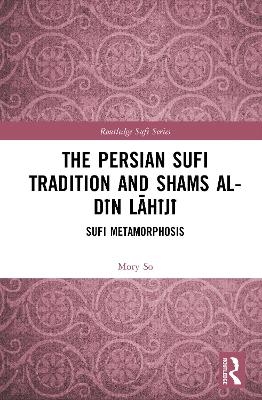
The Persian Sufi Tradition and Shams al-Dīn Lāhījī
Routledge (Verlag)
978-1-032-57273-4 (ISBN)
- Noch nicht erschienen (ca. Juni 2026)
- Versandkostenfrei
- Auch auf Rechnung
- Artikel merken
Focusing on the pivotal era of the Timurid and Aq Qoyunlu dynasties (1447–1501), this book provides the first comprehensive analysis of Mafātīḥ al-iʿjāz fī Sharḥ Gulshan-i Rāz, the masterful Sufi commentary by Shams al-Dīn Muḥammad Lāhījī. Through detailed textual and historical study, the work uncovers overlooked patterns of Sufi thought, revealing how Lāhījī’s synthesis of Ibn al-ʿArabī’s metaphysics within Persian literary traditions marked a significant metamorphosis in the development of theoretical Sufism. The book also situates Lāhījī’s life and teachings within their broader cultural and political context, showing how his contribution helped shape the trajectory of Persian Sufi literature and philosophy at a time of profound change.
This volume will appeal to scholars and students of Islamic mysticism, Persian literature, and medieval Islamic intellectual history, as well as readers interested in the evolution of Sufi thought and its philosophical underpinnings.
Mory So is a sessional academic at Western Sydney University. He currently assists with subjects of study in the History and Islamic Studies majors. His doctorate was conferred in 2022 by Western Sydney University, which focused on the subject matter of the present book proposal. Mory is also proficient in Persian, studying the language for a year in 2017 at the International Centre for Persian Studies at Shiraz University, specialising in the reading and comprehension of classical works of the Sufi genre of Persian literature.
Contents
Notes on Transliterations and Pronunciations
Chapter 1. Introduction
Subject Matter
Shams al-Dīn Lāhījī in an Age of Transition & the Research Question
The State of the Current Literature, Research Aims, and Situating the Present Book
Organisation, Methodology & Primary Sources
Chapter 2. Ibn al-ʿArabī and the Persian Sufis of Irān-shahr
Introduction
Historical Developments of the Akbarī Tradition Before the Timurid Period (Late Sixth/Thirteenth to Early Ninth/Fifteenth Centuries)
Transmission of the Akbarī Tradition Towards Irān-shahr During the Timurid/Aq Qoyunlu Period
Conclusion: Evaluating the Impact of Ibn al-ʿArabī’s Teachings and His Early Followers Upon the Sufis of Irān-shahr During the Turco-Mongol Period
Chapter 3. The Samāʿ of Maḥmūd Shabistarī and Shams al-Dīn Lāhījī
Introduction
Maḥmūd Shabistarī and the Gulshan-i Rāz
A Biographical Sketch of Shams al-Dīn Muḥammad ʿIbn Yaḥyā Lāhījī
The Question of Confessional Ambiguity in Relation to Lāhījī
Introduction to Lāhījī’s Commentary and the Different Sources of Influence upon the Mafātīḥ al-iʿjāz
ʿAlīd-loyalism and Shīʿī Millennialism in Lāhījī’s Commentary
Other Works from the Genre of Persian Sufi Literature that Influenced Lāhījī’s Commentary
Lāhījī’s Commentary in Connection to the Akbarī School of Thought
Lāhījī’s Commentary in Relation to the Religion of Love
Chapter 4. Waḥdat al-Wujūd in Lāhījī’s commentary on the Gulshan-i Rāz
Introduction
The Self-Emanation of the One Absolute Wujūd of God and the Creation of the Cosmos
The Role of the Divine Names and Attributes in Lāhījī’s Sufi Metaphysics and Their Relationship with the Immutable Entities
The Ambiguous Ontological Status of the Possible Beings in the Manifest Cosmos: Do they Exist or Not?
The Perpetual Renewal of Creation and the Possibility that the Creatures Acquire Wujūd from the Real
The Cosmos: a Passing Dream and Illusion for those Humans still Asleep
Conclusion: Lāhījī’s Commentary as an Influential and Comprehensive Akbarī text in Persian During the Timurid Period
Chapter 5. The Perfect Man and Lāhījī’s Sufi Anthropology
Introduction
The Relationship between the Muḥammadan Reality and the Perfect Man within Lāhījī Sufi Cosmology
The Purpose for the Creation of the Perfect Man according to Lāhījī and His Akbarī Predecessors
The Perfect Man as the Spirit of the Cosmos, and the Cosmos as the Corporeal Body of the Perfect Man
The Perfect Man as God’s Vice-Regent and the Subjugation of Every Existent Thing within the Cosmos beneath the Ruling Authority of the Perfect Man
The Perfect Man and Realised Knowledge of God, and the Divine Mystery on Why Mankind is Superior to the Angels
Conclusion: The Perfect Man, the Key to Unlocking Lāhījī’s Vision of the Cosmos
Chapter 6. Confessional Ambiguity in Lāhījī’s Sufism
Introduction
Lāhījī’s Explication of Friendship with God and Prophethood
The Identity of the Seal of the Friends in Lāhījī’s Commentary
Lāhījī’s Position on the Issue of Human Free Will and Divine Predestination
Lāhījī’s Refutation of the Muʿtazilites by Resorting to the Arguments and Teachings of the Ashʿarites
The Historical Problem of Lāhījī’s Confessional Identity in an Era of Confessional Ambiguity
Conclusion: Lāhījī’s Sufism Determined by the Confessional Ambiguity of His Age
Chapter 7. Lāhījī’s Sufi Epistemology
Introduction
The Necessary Qualifications of an Authentic Sufi Master
What the Sufi Path Entails According to Lāhījī
Lāhījī’s Definition of Tafakkur and Maʿrifat and the Impossibility of Attaining True Knowledge of God according to the Way of the Falāsifa and Kalām scholars
True Knowledge of God (Maʿrifat) is Only Possible by Following the Way of the Sufi Friends
Self-Realisation Leads to Realised Knowledge of the Divine Self
Conclusion: Lāhījī’s Advocacy of the Sufi Way and His Rejection of the Greek Logic of the Avicennian Philosophers and Mutakallimūn
Chapter 8. Lāhījī and the Religion of Love
Introduction
Love as a Cosmic Force that Incites Everything into Motion and Being
Lāhījī’s Exposition on Lover, Beloved and Love in the Framework of His Sufi Teachings
The Human Form as the Ultimate Locus for the Contemplation of Divine Beauty, and Lāhījī’s Encouragement of the Sufi Seeker to Contemplate the Divine Beauty through the Face of a Holy Sufi Master
How Love is Born and Nurtured Into a State of Perfection Through the Witnessing of Beauty
The Lover’s Return to the Divine Essence of Love, and the Lover’s Becoming an Inhabitant of the Tavern of Ruins
Conclusion: The Successful Synthesis of the Akbarī Tradition with the Religion of Love in Lāhījī’s System of Sufi Thought
Chapter 9. Conclusion
Index
| Erscheint lt. Verlag | 15.6.2026 |
|---|---|
| Reihe/Serie | Routledge Sufi Series |
| Verlagsort | London |
| Sprache | englisch |
| Maße | 156 x 234 mm |
| Gewicht | 453 g |
| Themenwelt | Geisteswissenschaften ► Geschichte ► Regional- / Ländergeschichte |
| Geisteswissenschaften ► Philosophie | |
| Geisteswissenschaften ► Sprach- / Literaturwissenschaft ► Anglistik / Amerikanistik | |
| Geisteswissenschaften ► Sprach- / Literaturwissenschaft ► Literaturwissenschaft | |
| ISBN-10 | 1-032-57273-6 / 1032572736 |
| ISBN-13 | 978-1-032-57273-4 / 9781032572734 |
| Zustand | Neuware |
| Informationen gemäß Produktsicherheitsverordnung (GPSR) | |
| Haben Sie eine Frage zum Produkt? |
aus dem Bereich


