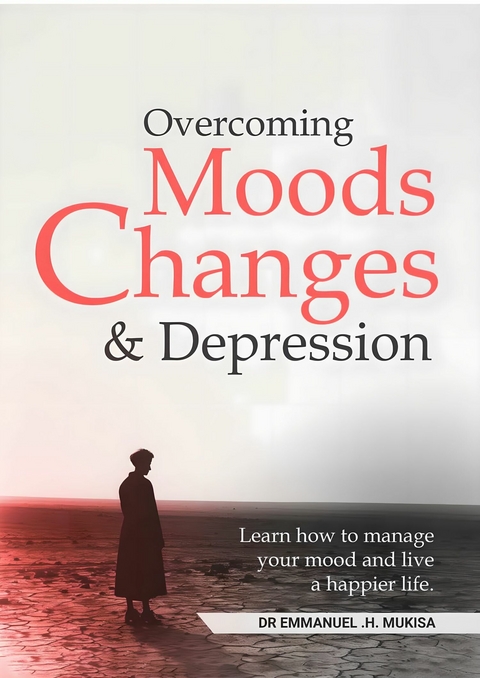
Overcoming Moods Changes & Depression (eBook)
152 Seiten
Publishdrive (Verlag)
978-0-00-109323-2 (ISBN)
Take control of your emotions. Find joy and resilience.
Overcoming mood changes and depression is your roadmap to understanding and managing emotional fluctuations with practical strategies for lasting mental well-being. From recognizing early signs of depression to adopting tools like mindfulness, journaling, and cognitive behavioral therapy, this book empowers you to break free from negativity, build emotional resilience, and find purpose in life.
Packed with actionable advice on exercise, nutrition, and sleep, overcoming mood changes and depression offers the guidance and support you need to navigate challenges, nurture happiness, and live a balanced life.
Understanding mood changes and depression
Mood swings are normal in life; however, if these become more intense or frequent, then problems such as depression may not be ruled out. Depression isn't just a feeling of sadness; it's a feeling whereby these feelings of emotional emptiness, hopelessness, and fatigue begin to persist. It is in this way important to understand mood changes that help determine early signs of depression. People experiencing such changes are usually distressed by mood regulation, which may impact daily functioning and interpersonal relationships. However, such changes can be stopped from deteriorating into depression if one identifies them and seeks help. It is worth noting that such mood disorders can occur to anyone, regardless of age and background.
The causes of mood change can vary from genetic to environmental ones. Genetics make the individual vulnerable to it, as family history may incorporate genes that only heighten or increase the vulnerability to mood disorders. Episodes among vulnerable individuals may be triggered by traumatic events, loss, or chronic stress. Hormonal changes, particularly in women, can bring emotional changes that add to mood disturbances. Substance abuse and some medications can enhance mood swings that could lead to depression or other mental health problems. Generally, depression is a result of the combination of biological, psychological, and social factors.
Depression is hard to diagnose as it comes in many forms. Some people may have a predominantly low mood, whereas others are primarily irritable, angry, or anxious. Cognitive symptoms include disturbances of concentration and indecisiveness. Physical symptoms include sleep disturbances, changes in appetite, and fatigue. Depression can also cause a person to withdraw from others and to lose interest in activities they once found enjoyable. The diversity of depression underlines the need for options regarding treatment approaches for its effective management.
One of the major barriers that impede an understanding of mood change is related to stigma associated with poor mental health. Because of fear of judgment or misunderstanding, many are unwilling to seek help. But this reluctance only delays diagnosis and treatment, allowing symptoms to worsen. Education and open conversations about mental health break down barriers to care. Most importantly, people need to understand that seeking help is a sign of strength, not a weakness. For many, access to professional support-such as therapy or medication-can make all the difference in managing a mood disorder.
The second critical factor to identifying changed mood is recognition of the consequences on daily functioning. Depressed individuals have difficulty carrying out daily activities or participating in work and social relations. This, in turn, may lead to retreat and increased irritability. If this pattern of behavior persists for a prolonged period, interpersonal relationships and performance at work will suffer. Becoming aware of how these changes in mood are affecting life may inspire the motivation to seek an intervention. The sooner the symptoms are treated, the better to regain balance and prevent further emotional hurts.
Determining the cause of depression requires an integrative understanding: medical, psychological, and environmental. The healthcare provider may research family history, past experiences, and life stressors the patient is presently experiencing to determine the cause. Mood disorders can be caused by a problem in brain chemistry or hormonal imbalances. Other psychological factors that may involve negative thought patterns or unresolved trauma can also be contributing factors to depression. Understanding these various elements helps in crafting an effective treatment plan. It is important to consider the whole person and not just the symptoms.
The effects of depression are not confined to emotional and physical health but also extend to cognitive functioning: problems with memory and concentration are common among people suffering from depression. These cognitive impairments can, in this way, interfere with work, education, and social life. Not being able to focus and make decisions may lead to increased stress and feelings of inadequacy. This can, in turn, worsen the depression over time. Depression requires treatment not only at the emotional level but also cognitive impairments regarding daily living.
Social isolation, in which the individual withdraws from friends, family, and social activities, is one of the more prevalent effects of depression. This often serves to further isolate the individual and exacerbate feelings of depression-a sort of vicious circle. Additionally, the lack of social support could lead to a failure in being able to cope with one's mood and seek help. Some retreat because they feel that they are not understood or judged. Recovery is facilitated by social support, which provides encouragement and a sense of belonging. Much of the treatments of depression deal in building and maintaining connections.
Depression can also have a strong impact on a person's physical health. Many either overeat or fail to eat adequately when they're depressed. Insomnia and too much sleepiness are also frequent complaints. The fatigue weighs a person down as even routine tasks seem impossible to handle. Chronic pains and headaches could develop without any physical cause, as most of the times are related to emotional stress linked with depression. Complete recovery necessarily must include taking into consideration all the mental and physical aspects of depression.
It is different in a different stage of life, for instance in older adults, in women and from different walks of life. It is more subtle in older adults, it is manifested as Fatigue, or memory problems in this age group of individuals. These hormonal changes, pregnancy, and postpartum conditions are causing women more venerable for this disorder. "Men may become angry irritable, or behave in reckless ways without revealing their sadness". It is essential to consider these differences for personalized treatment and care. These aspects should be kept in mind while diagnosing and treating depression by the mental health professional.
Regarding mood swings and depression, environmental factors again come into play. It is also on record that a stressful childhood or an unstable one-for example, abused, neglected, or even when raised in poverty-increases vulnerability to mood disorders later in life. Other symptoms of depression may be produced by chronic stress from work, relationships, or finances. Major life events that may lead to emotional stress include the death of a loved one or a change in life, such as relocation or change in job status. The risks can be reduced by creating a stable and supportive environment. Such external pressures can also be dealt with through therapy and lifestyle changes.
Self-care activities are important in mood management and the prevention of depression. Regular exercise improves mood through the release of endorphins, the body's natural "feel-good" hormones. Healthy eating and proper sleep routines are also important in maintaining emotional well-being. These could be methods for developing stress-releasing meditation or yoga, improving one's ability to handle such states and promoting clarity in thinking. These can be achieved through the development of daily activities that hinder the process of depression from initiating. Once these techniques of self-care are integrated with professional treatment, the results can be very long-term in maintaining mental health.
Treatments vary at different stages and severities, and these may be guided by individual needs. The most resorted to and one of the efficient treatments include therapies such as cognitive-behavioral therapy. Cognitive-behavioral treatment helps a patient to identify and fight against negative thinking that leads to depression. Prescription of medication, including antidepressants, may be done to balance brain chemicals that will help mitigate symptoms. Support groups and family therapy can provide additional emotional support and guidance. More often, it is the combination of all these approaches that yields the most viable means of overcoming the complexities surrounding depression.
Prevention is equally important in the management of mood changes and depression. Learning how to cope-developing problem-focused and emotion-focused coping-helps an individual handle stress in a much healthier way. Maintenance of social networks and emotional support, when required, protects individuals from feelings of isolation. Regular check-ups and open discussion about feelings and mental health may help in early intervention. The evasion of substance abuse and keeping physically fit may also help in maintaining emotional stability. These preventive measures might reduce the depression or the mood change to be less serious.
The workplace and schools can also play a role in searching for and supporting the people who are suffering from mood changes and depression. Workplaces with mental health facilities and a positive friendly environment will also help their working staff stabilize their emotional feelings. In turn, schools that address mental health can create a safe place where children express their feelings and request help. Both environments should foster open communication and reduce stigma surrounding mental health. If people feel supported, they are more apt to reach out before their symptoms worsen. These are the areas which have great importance for early identification and intervention.
Cycles are one of the more complicated elements concerning depression. Often, the depressant begins to improve and is just as...
| Erscheint lt. Verlag | 30.10.2025 |
|---|---|
| Sprache | englisch |
| Themenwelt | Geisteswissenschaften ► Psychologie ► Angst / Depression / Zwang |
| ISBN-10 | 0-00-109323-1 / 0001093231 |
| ISBN-13 | 978-0-00-109323-2 / 9780001093232 |
| Informationen gemäß Produktsicherheitsverordnung (GPSR) | |
| Haben Sie eine Frage zum Produkt? |
 EPUB (Adobe DRM)
Größe: 1,1 MB
Kopierschutz: Adobe-DRM
Adobe-DRM ist ein Kopierschutz, der das eBook vor Mißbrauch schützen soll. Dabei wird das eBook bereits beim Download auf Ihre persönliche Adobe-ID autorisiert. Lesen können Sie das eBook dann nur auf den Geräten, welche ebenfalls auf Ihre Adobe-ID registriert sind.
Details zum Adobe-DRM
Dateiformat: EPUB (Electronic Publication)
EPUB ist ein offener Standard für eBooks und eignet sich besonders zur Darstellung von Belletristik und Sachbüchern. Der Fließtext wird dynamisch an die Display- und Schriftgröße angepasst. Auch für mobile Lesegeräte ist EPUB daher gut geeignet.
Systemvoraussetzungen:
PC/Mac: Mit einem PC oder Mac können Sie dieses eBook lesen. Sie benötigen eine
eReader: Dieses eBook kann mit (fast) allen eBook-Readern gelesen werden. Mit dem amazon-Kindle ist es aber nicht kompatibel.
Smartphone/Tablet: Egal ob Apple oder Android, dieses eBook können Sie lesen. Sie benötigen eine
Geräteliste und zusätzliche Hinweise
Buying eBooks from abroad
For tax law reasons we can sell eBooks just within Germany and Switzerland. Regrettably we cannot fulfill eBook-orders from other countries.
aus dem Bereich