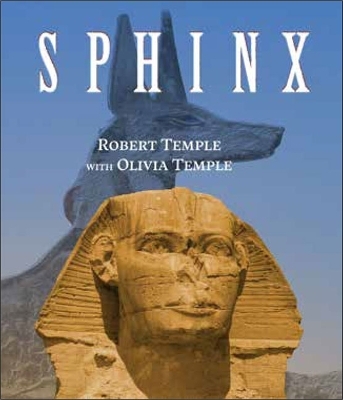
Sphinx
Eglantyne Books (Verlag)
9781913378158 (ISBN)
- Titel nicht im Sortiment
- Artikel merken
What was the Sphinx for, and what is the Sphinx?
The Sphinx’s body is not a lion, but another creature.
The head was re-carved, and the Pharaoh’s face can
now be identified.
There is a burial chamber inserted beneath the waist of
the Sphinx. 280 years’ worth of published accounts of eye
witnesses who saw the chamber, all of them published here
in full, prove its existence. It was sealed with cement in 1926.
The story of the Middle Kingdom pharaoh who uncovered
the Sphinx was still being told by the locals in 1482, as
recorded by a Dutch visitor. This is the longest recorded survival
of folklore in world history, a tale which survived with its essential
facts intact for three thousand years.
The Nile in ancient times lapped near the feet of the Sphinx,
and the Sphinx was like an island surrounded by water
filling ‘the Sphinx Pit’ where it sits now. The photographic
evidence of sluices for controlling the inflow of the water
are published. The water erosion is fully explained.
Evidence published here proves that the Sphinx is part of a
unified design with the three main pyramids of Giza. It was
‘the guardian’ of Giza. The three pyramids and the Sphinx
were all conceived as a single complex.
The Sphinx was originally a crouching figure of the dog
god Anubis, traditionally the guardian of the dead in ancient
Egypt.
Every published account of the Sphinx from Roman times
to 1837 is published in the back of the book, most translated
from foreign languages. These were collected over many
years and are now gathered into one place.
The Sphinx was part of a sacred resurrection cult based
upon the rising sun at the equinox.
PROFESSOR ROBERT TEMPLE is the author of a dozen challenging and provocative books, commencing with the international best-seller, The Sirius Mystery. His books have been translated into a total of 44 foreign languages. He is Visiting Professor of the History and Philosophy of Science at Tsinghua University in Beijing, and previously held a similar position at an American university. For many years he was a science writer for the Sunday Times, the Guardian, and a science reporter for Time-Life, as well as a frequent reviewer for Nature and profile writer for The New Scientist. He is a Fellow of the Royal Astronomical Society, and has been a member of the Egypt Exploration Society since the 1970s, as well as a member of numerous other academic societies. He has produced, written and presented a documentary for Channel Four and National Geographic Channels on his archaeological discoveries in Greece and Italy, and he was at one time an arts reviewer on BBC Radio 4's 'Kaleidoscope'. With his wife, Olivia, he is co-author and translator of the first complete English version of Aesop's Fables, which attracted a great deal of international press attention at the time of its release, as the earlier translations had suppressed some of the fables because of Victorian prudery. Temple was a colleague of the late Dr. Joseph Needham of Cambridge, in association with whom he wrote The Genius of China, which has been approved as an official reference book (in Chinese) for the Chinese secondary school system, and which won five national awards in the USA. He has done archaeometric dating work and intensive exploration of closed sites in Egypt with the permission of the Egyptian Supreme Council of Antiquities. His research into historical accounts of the Sphinx is the first comprehensive survey ever undertaken.
Introduction by Olivia Temple....................................................................................1
Introduction by Robert Temple...................................................................................5
1 Sphinx Obsession........................................................................................................10
2 The “Secret Chamber” beneath the Sphinx................................................................68
3 An Amazing Survival..................................................................................................126
4 The Face of the Sphinx...............................................................................................158
5 The Sphinx as Anubis.................................................................................................196
6 Sphinx Island..............................................................................................................237
7 The Sphinx and the Giza Plan.....................................................................................324
8 The Golden Angle of Resurrection..............................................................................381
Accounts of the Sphinx from Roman Times to 1837
Section 1
Accounts of the Sphinx from Roman Times to 1798................................................................444
Section 2
Accounts of the Sphinx from 1800 to 1837..............................................................................493
Appendix One
Excavations of Monsieur Mariette at
the Great Sphinx ......................................................................................................................506
By Auguste Mariette
Translated by Olivia Temple Appendix Two
Concerning the Age of the Sphinx at Giza ...............................................................................509
By Ludwig Borchardt
Translated by Robert Temple and Eleonore Reed
Appendix Three
Sphinx ...................................................................................................................................518
By James Burton (1822)
Appendix Four
A Description of Giambattista Caviglia’s Excavation
of the Sphinx............................................................................................................................520
Translated by Stefano Greco
Appendix Five
Scientific Visual Documentation of the Sphinx.........................................................................525
Notes ...................................................................................................................................537
Index ...................................................................................................................................555
| Erscheinungsdatum | 14.10.2025 |
|---|---|
| Zusatzinfo | hundreds of colour and black and white |
| Sprache | englisch |
| Maße | 260 x 297 mm |
| Themenwelt | Geschichte ► Allgemeine Geschichte ► Vor- und Frühgeschichte |
| Geschichte ► Allgemeine Geschichte ► Altertum / Antike | |
| Geisteswissenschaften ► Religion / Theologie ► Weitere Religionen | |
| ISBN-13 | 9781913378158 / 9781913378158 |
| Zustand | Neuware |
| Informationen gemäß Produktsicherheitsverordnung (GPSR) | |
| Haben Sie eine Frage zum Produkt? |
aus dem Bereich