Finding Calm in Digital Chaos (eBook)
125 Seiten
Publishdrive (Verlag)
978-0-00-105767-8 (ISBN)
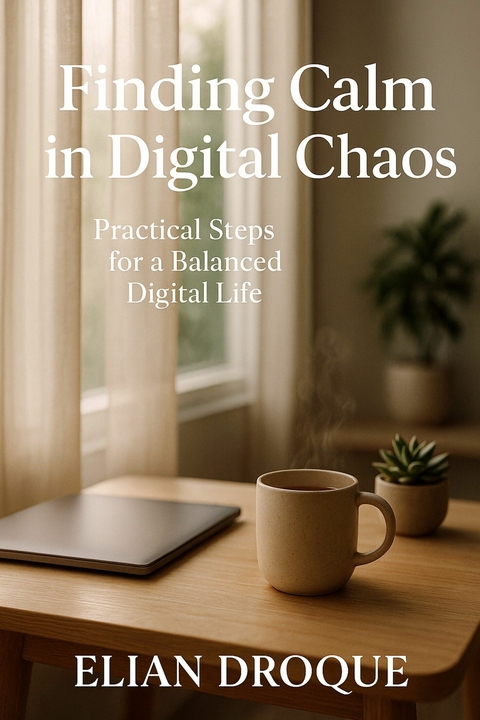
'Finding Calm in Digital Chaos: Practical Steps for a Balanced Digital Life' is a clear and friendly guide to regaining focus, peace, and presence in a screen-saturated world. It explains how constant notifications, endless scrolling, and late-night emails drain attention, disrupt sleep, and strain relationships. Drawing on simple mindfulness principles and modern tools, the book shows readers how to set boundaries with technology so devices serve them-not control them. Each chapter offers practical, easy-to-apply steps such as short breathing breaks, device-free meals, digital fasts, and mindful walks. Readers also learn to use built-in phone settings like focus modes and screen-time dashboards to shape healthier habits. Without jargon or expensive programs, this book helps teens, adults, and seniors alike find calm moments, deeper conversations, and clearer thinking. Over time, small daily changes build a steady rhythm of focused work, mindful breaks, and true rest in today's hyper-connected world.
2. Notifications vs. Peace of Mind
Notifications arrive at every moment. A message ping disrupts a conversation. An email alert interrupts deep work. A calendar reminder pulls attention away from a quiet moment. Each alert creates a small jolt of stress. The phone vibrates or chirps. The mind shifts instantly to check the screen. This habitual response forms a stress loop. The loop begins with an alert, triggers a quick reaction, and ends with a brief reply or glance. Then the mind resets, waiting for the following alert. Over time, this cycle wears on the nervous system. Tiny jolts can add up and leave a person feeling tense, even during free time.
Surveys indicate that adults check their phones an average of 96 times a day. Each check happens in just over five seconds. Notifications push people to look at screens more often than they intend. When the phone sits on a desk, the screen lights up with each new notice. Even when the phone stays in a pocket, a buzz or vibration pulls focus. When alerts strike every few minutes, people struggle to settle into calm tasks, such as reading, talking, or resting. The mind learns to expect new alerts. This constant waiting creates low-level tension that builds up throughout the day.
Stress hormones respond quickly to alerts. Cortisol and adrenaline surge when the brain detects an unexpected interruption. These chemicals sharpen focus in moments of real danger. In modern life, they fire at the sound of messages and reminders. Frequent hormone surges leave the body on alert, even when no real threat exists. Over weeks, this state can harm both mental and physical health. People may find it harder to relax, fall asleep, or maintain steady moods. They may experience headaches, tightness in their shoulders, or a general sense of restlessness.
Many people are unaware of the profound impact notifications have on them. Some estimates suggest that casual phone use has no significant impact on health. Yet research shows that just anticipating a notification increases stress levels. A study measured heart rate and skin conductance in volunteers while they waited for random phone alerts. Even when participants did not receive notifications, knowing that alerts might arrive caused measurable stress responses. These findings highlight how simply expecting alerts creates tension.
Breaking the stress loop starts with awareness. People can begin by checking how many notifications they receive each day. Built-in settings on most devices display a count of daily notifications. Reviewing these numbers provides clear evidence of how often the mind gets pulled away. Many find that they receive more than fifty notifications per day, and some see even more than a hundred. This information alone motivates people to make changes.
“Mindful muting” offers a path to calm. This concept involves intentionally turning off nonessential notifications for periods. It starts by identifying which alerts truly matter. Messages from close family, urgent work emails, or calendar reminders for important meetings may qualify as essential. Social media likes, promotional emails, and news updates often do not. By grouping notifications into “essential” and “nonessential,” a person gains control over which alerts come through and which stay silent.
After sorting alerts, devices enter mindful muting mode. The phone or tablet stays silent for set blocks of time. During these blocks, only essential alerts ring or vibrate. People can gradually extend these quiet periods. Some start with a thirty-minute window mid-morning, then a longer span during lunch, and then at least one hour in the evening. Over time, the muted intervals grow. When notifications pause, focus returns to the task at hand. People report deeper concentration when alarms and pings disappear. They also notice calmer moods and smoother conversations when devices stay quiet.
Setting clear boundaries with technology further reduces stress. A straightforward rule involves no devices during meals. Whether at home or in a café, placing phones face down or in another room removes the temptation to check alerts. This practice allows full presence with food, environment, and company. Another boundary could be a digital curfew. Turning off all nonessential notifications at a fixed time in the evening, such as eight p.m., helps the mind unwind before bedtime. When notifications are turned off until morning, the body enters an actual rest state. People fall asleep faster and sleep more deeply without the glare of screen light or the jolt of an alert.
Specialized “do not disturb” modes on smartphones make boundary-setting even easier. Users can schedule these modes to turn on and off automatically. For example, "Do Not Disturb" could be activated from 8:00 p.m. to 7:00 a.m. each night. During that time, the phone silences all calls and notifications, except those from selected contacts. This automated schedule eliminates the need to toggle settings manually. When devices follow a clear pattern, people feel less burdened by the constant need for alert management.
Workplaces can adopt similar boundaries. Teams might agree on email-free periods. For example, turning off work email between 6:00 p.m. and 8:00 a.m. ensures that no one expects instant responses outside of business hours. Employers can respect these rules and encourage staff to do the same. When people know that colleagues will not reply immediately to every email, they feel free to focus on non-digital tasks and personal time. This practice fosters a healthier work-life balance and helps reduce burnout.
Mindful muting does not require harsh restrictions. It invites thoughtful pauses. When thinking about an alert, people can pause for a breath before checking the phone. This brief gap breaks the automatic loop of alert and response. Over time, the slight pause grows into a habit of intentional choice. People check important messages promptly but avoid the trap of reacting to each notification instantly.
Additional techniques deepen this practice. Using grayscale mode on devices lowers the visual appeal of notifications. When screens lose bright colors, alerts feel less exciting. This change helps reduce the urge to check immediately. Another method involves consolidating app notifications into summary digests. Rather than receiving each alert as it arrives, apps collect them and present a single summary at pre-set times, such as once every two hours. This digest approach cuts the number of interruptions and prevents the brain from shifting focus too often.
Digital minimalism also supports mindful muting. This approach encourages people to uninstall apps they rarely use. Fewer apps mean fewer possible alerts. Removing social media apps from the home screen or deleting them entirely can significantly reduce the volume of notifications. After uninstalling, users can still access services through a web browser when needed. Browsers send fewer alerts. This simple step shifts control from app-driven demands to intentional browsing.
Tracking progress encourages continued effort. People can keep a simple journal of their digital boundaries. Recording which periods they muted notifications, how many alerts they received, and how they felt during the day raises awareness of improvements. Journals can note better sleep, calmer moods, and increased focus. Seeing precise results reinforces the value of mindful muting.
Some technology designers recognize the stress loop and build helpful features. Several operating systems now show a “focus mode” that integrates muting, grayscale, and summary notifications. Third-party apps exist that combine alert control with simple breathing guides. These tools send gentle reminders to take a digital break when usage exceeds a set limit. Users can experiment with multiple tools to find the mix that suits them best. The goal remains the same: reduce unnecessary alerts and create peaceful intervals throughout the day.
Mindful muting also brings unexpected benefits. When devices stay silent, conversations at home or with friends often flow more naturally. People notice subtler details in voices and facial expressions. Without the distraction of alerts, relationships gain warmth and depth. At work, teams collaborate more effectively when meetings stay free of digital interruptions. Meeting participants stay present and creative without screens buzzing in the background.
Children and teens benefit when families adopt mindful muting together. Young people learn by example. When parents set boundaries around notifications, children internalize similar habits. Families might choose tech-free evenings, with activities such as board games, cooking, or outdoor walks replacing device use. These shared experiences create stronger bonds and healthier attitudes toward technology.
Notifications versus peace of mind is not a strict choice. Alerts offer convenience, safety, and a sense of connection. Emergency messages or critical reminders improve productivity and well-being. The aim is not to eliminate all notifications but to manage them with care. Mindful muting and clear boundaries ensure that technology serves human needs rather than dominates attention. When people treat alerts as tools instead of demands, stress levels drop and focus improves.
Over the course of weeks of mindful practice, the stress loop weakens. The brain adapts to fewer interruptions and lower cortisol spikes. Attention spans lengthen, allowing deeper engagement with work, hobbies, or relationships. Evening muting habits lead to more restorative sleep. Better rest supports mood stability and sharp thinking during daylight hours. The overall result feels like gaining reclaimed time and mental space.
Setting healthy notification...
| Erscheint lt. Verlag | 19.9.2025 |
|---|---|
| Sprache | englisch |
| Themenwelt | Geisteswissenschaften ► Psychologie |
| ISBN-10 | 0-00-105767-7 / 0001057677 |
| ISBN-13 | 978-0-00-105767-8 / 9780001057678 |
| Informationen gemäß Produktsicherheitsverordnung (GPSR) | |
| Haben Sie eine Frage zum Produkt? |
 EPUB (Adobe DRM)
Größe: 603 KB
Kopierschutz: Adobe-DRM
Adobe-DRM ist ein Kopierschutz, der das eBook vor Mißbrauch schützen soll. Dabei wird das eBook bereits beim Download auf Ihre persönliche Adobe-ID autorisiert. Lesen können Sie das eBook dann nur auf den Geräten, welche ebenfalls auf Ihre Adobe-ID registriert sind.
Details zum Adobe-DRM
Dateiformat: EPUB (Electronic Publication)
EPUB ist ein offener Standard für eBooks und eignet sich besonders zur Darstellung von Belletristik und Sachbüchern. Der Fließtext wird dynamisch an die Display- und Schriftgröße angepasst. Auch für mobile Lesegeräte ist EPUB daher gut geeignet.
Systemvoraussetzungen:
PC/Mac: Mit einem PC oder Mac können Sie dieses eBook lesen. Sie benötigen eine
eReader: Dieses eBook kann mit (fast) allen eBook-Readern gelesen werden. Mit dem amazon-Kindle ist es aber nicht kompatibel.
Smartphone/Tablet: Egal ob Apple oder Android, dieses eBook können Sie lesen. Sie benötigen eine
Geräteliste und zusätzliche Hinweise
Buying eBooks from abroad
For tax law reasons we can sell eBooks just within Germany and Switzerland. Regrettably we cannot fulfill eBook-orders from other countries.
aus dem Bereich