Introduction to Operant Conditioning
Definition and Scope
Operant conditioning, a fundamental concept in behavioral psychology, refers to the process by which an individual's behavior is shaped and modified through reinforcement or punishment. Unlike classical conditioning, which focuses on involuntary responses to stimuli, operant conditioning centers on voluntary actions and their consequences. At the core of operant conditioning lies the principle that behaviors are influenced by their outcomes – that is, the rewards or punishments they elicit. By systematically examining the relationship between behavior and its subsequent effects, researchers and psychologists gain insights into the mechanisms underlying human and animal behavior.
One defining feature of operant conditioning is its emphasis on the role of reinforcement and punishment in shaping behavior. Reinforcement, whether in the form of positive rewards or the removal of negative stimuli, serves to strengthen and increase the likelihood of a specific behavior occurring again. Conversely, punishment, whether through the application of aversive consequences or the withdrawal of positive stimuli, aims to weaken and decrease the occurrence of a particular behavior. This dynamic interplay between reinforcement and punishment forms the basis of behavior modification, as individuals learn to associate their actions with favorable or unfavorable outcomes.
Operant conditioning extends beyond simple cause-and-effect relationships to encompass the concept of contingency, wherein the presentation of a consequence is contingent upon the occurrence of a specific behavior. This contingent relationship between behavior and its consequences highlights the predictability and determinism inherent in operant learning processes. As individuals navigate their environment and interact with stimuli, they continually encounter opportunities to engage in behaviors that yield desirable outcomes while avoiding those that lead to adverse consequences.
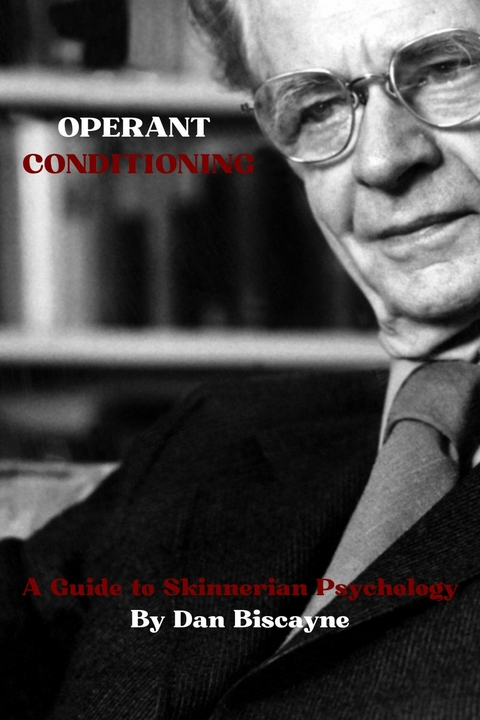
Drawing from the pioneering work of B.F. Skinner and other influential researchers, operant conditioning has found application across diverse domains, including education, parenting, organizational behavior, and clinical intervention. Its capacity to elucidate the behavioral dynamics governing human and animal conduct has positioned operant conditioning as a cornerstone of modern psychological understanding. By unraveling the intricacies of how behaviors are influenced and maintained, operant conditioning offers invaluable insights and practical implications for promoting positive change and adaptive behavior in individuals and communities.
Fundamental Differences Between Classical and Operant Conditioning
Classical conditioning, initially studied by Ivan Pavlov, focuses on the association between a neutral stimulus and an involuntary response. This form of learning occurs through the process of stimulus substitution, whereby the neutral stimulus becomes a conditioned stimulus capable of evoking the same response as the unconditioned stimulus. In contrast, operant conditioning, pioneered by B. F. Skinner, emphasizes the relationship between a voluntary behavior and its consequences. Rather than focusing on reflexive responses, operant conditioning is concerned with the modification of behaviors based on their outcomes. One of the fundamental distinctions between the two types of conditioning lies in the nature of the target behavior. In classical conditioning, the emphasis is placed on eliciting a reflexive response, while operant conditioning aims to modify and control voluntary actions. Another key difference involves the role of the individual's agency in operant conditioning, where the subject actively engages in behaviors that are then shaped by their consequences. In classical conditioning, the response occurs passively, triggered by the environmental stimuli. Moreover, the temporal sequence of stimuli and responses differs between the two forms of conditioning. Classical conditioning involves the presentation of the conditioned stimulus prior to the unconditioned stimulus, leading to the learned association, whereas in operant conditioning, the consequence follows the behavior, influencing the likelihood of its recurrence. Additionally, the concept of contingency is central to operant conditioning but plays a less prominent role in classical conditioning. Contingency refers to the predictable relationship between behavior and consequence, highlighting the instrumental nature of operant learning. Understanding these fundamental differences between classical and operant conditioning is vital for comprehending the diverse mechanisms through which organisms learn and adapt to their environment.
Core Concepts - Behavior, Consequence, Contingency
The core concepts of behavior, consequence, and contingency form the cornerstone of operant conditioning theory and practice. Behavior refers to any observable and measurable action or response exhibited by an individual, ranging from simple motor movements to complex cognitive processes. In the context of operant conditioning, behavior is the target for modification through the application of reinforcement or punishment. Consequence, on the other hand, encompasses the outcomes that follow a specific behavior. These consequences can either reinforce or suppress the occurrence of the behavior, thereby shaping the individual's future responses. Understanding the role of consequences in behavior modification is essential for practitioners and researchers alike. Contingency, the third core concept, pertains to the predictive relationship between behavior and its consequences. It delineates the cause-and-effect link between an individual's actions and the ensuing outcomes. By comprehending the contingent nature of behavior-consequence associations, psychologists can effectively design and implement intervention strategies. Furthermore, this insight allows for the systematic analysis and manipulation of contingencies to bring about desired behavioral changes. The interplay among behavior, consequence, and contingency forms the foundation upon which operant conditioning principles are applied in various settings. Real-world applications of these core concepts abound, spanning from clinical interventions for maladaptive behaviors to productivity enhancement in organizational environments. As such, cultivating a nuanced understanding of behavior-consequence relationships and contingencies is paramount for professionals working in fields where behavioral modification and management are central concerns.
Role of Reinforcement in Behavior Modification
Reinforcement, a fundamental concept in operant conditioning, plays a pivotal role in behavior modification. By understanding the mechanisms and applications of reinforcement, psychologists and educators can effectively shape and alter human and animal behavior. Reinforcement encompasses the strategic use of stimuli to increase the likelihood of a specific behavior recurring. Whether positive or negative, reinforcement offers a powerful tool for modifying behavior in diverse settings, ranging from classrooms to clinical interventions.
Positive reinforcement involves the introduction of a rewarding stimulus immediately following a desired behavior, thereby strengthening the likelihood of that behavior being repeated. This positive stimulus could be anything that is perceived as favorable by the individual, such as praise, tangible rewards, or privileges. In contrast, negative reinforcement entails the removal of an aversive stimulus after the performance of a desired behavior, thereby reinforcing the likelihood of that behavior occurring again. Despite the differences between positive and negative reinforcement, both methods demonstrate the potency of reinforcement in shaping behavior.
Behavior modification, a key application of reinforcement, aims to instill new behaviors or eliminate undesired ones through systematic reinforcement strategies. When developing behavior modification plans, professionals carefully select and administer reinforcements tailored to the individual's unique needs and learning profile. This tailored approach ensures that reinforcement aligns with the person's preferences, motivation, and developmental stage, maximizing its effectiveness. Notably, behavioral modification based on reinforcement has been extensively used in various fields, including special education, developmental disabilities, rehabilitation, and organizational behavior management. The process involves identifying target behaviors, designing reinforcement schedules, and continuously monitoring progress to ascertain the effectiveness of the applied reinforcement techniques.
Understanding the complex interplay between reinforcement and behavior fosters the development of evidence-based interventions that promote adaptive behavior change. Moreover, the strategic utilization of reinforcement acknowledges the reciprocal influence of environmental variables and personality traits on behavior. By incorporating reinforcement into behavior modification practices, practitioners can empower individuals to attain meaningful and sustainable behavioral transformations. Hence, the critical role of reinforcement in behavior modification underscores its significance in promoting positive change and fostering growth in individuals across various contexts.
The Influence of Environmental Variables
Environmental variables encompass a broad spectrum of factors that contribute to shaping an individual's actions and responses. These variables include but are not limited to social interactions, physical surroundings, cultural norms, and situational triggers. It is essential to recognize the dynamic and reciprocal...


 EPUB (Adobe DRM)