


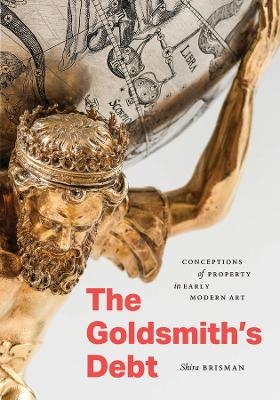
The Goldsmith's Debt
University of Chicago Press (Verlag)
978-0-226-84520-3 (ISBN)
- Noch nicht erschienen (ca. Mai 2026)
- Versandkostenfrei
- Auch auf Rechnung
- Artikel merken
In the sixteenth century, German goldsmiths played a unique role in articulating property claims and social values. These artisans shaped precious metals into visible expressions of domination, subordination, and obligation. The objects they crafted played a major role in the practices of exchange and inheritance that were reconfiguring a tumultuous economic landscape. Cities commissioned goldsmiths to transform revenue into goblets that could be given as diplomatic gifts or reconverted into currency in times of war, and courts used serving implements as promises of credit.
With The Goldsmith’s Debt, art historian Shira Brisman offers the first book-length study of the Nuremberg goldsmith Christoph Jamnitzer (1563–1618), who created elaborate gilded silver drinking cups that he crafted into unexpected forms, with designs ranging from racialized heads to mining scenes. Considering how works of art can shape a social order, Brisman explores what Jamnitzer’s etchings and goblets reveal about how goldsmiths shared ideas and how their patrons used commissioned works to legitimize their claims over land and the rights of others. Drawing on a range of textual and material evidence—including commentaries on Roman and customary laws, wills and civic statutes, printed designs, and firsthand study of lidded cups in dozens of major European institutions—this unprecedented study places the goldsmith at the heart of the era’s arguments about how people and lands should be subjugated. Brisman reveals the insidious side of these objects that were often used to advance socially conservative agendas, and she presents radical proposals for addressing inequity in the world of ornament prints.
Shira Brisman, associate professor of the history of art at the University of Pennsylvania, is the author of Albrecht Dürer and the Epistolary Mode of Address, also published by the University of Chicago Press.
Author’s Note
Introduction
Part 1. Bids for Recognition
From the New Book of Grotesques: “The Germanic Scroll-Like Tree” and “Preamble and Salutation”
One: An Offering
Two: Property of Skill
Three: The Mold of the Master
Four: Dürer’s Other Legacy
Part 2. The Language of Legitimacy
From the New Book of Grotesques: “The Bug-Bauble Market”
Five: Designs for a New World
Six: Alienating Devices
Seven: Shaping History
Part 3. Proposals for Redistribution
From the New Book of Grotesques: “The Antique Temple”
Conclusion: The Grotesque Law of Property
Acknowledgments
Notes
Index
| Erscheint lt. Verlag | 18.5.2026 |
|---|---|
| Zusatzinfo | 84 color plates, 104 halftones |
| Sprache | englisch |
| Maße | 178 x 254 mm |
| Gewicht | 454 g |
| Themenwelt | Kunst / Musik / Theater ► Kunstgeschichte / Kunststile |
| Geisteswissenschaften ► Geschichte ► Regional- / Ländergeschichte | |
| ISBN-10 | 0-226-84520-6 / 0226845206 |
| ISBN-13 | 978-0-226-84520-3 / 9780226845203 |
| Zustand | Neuware |
| Informationen gemäß Produktsicherheitsverordnung (GPSR) | |
| Haben Sie eine Frage zum Produkt? |
aus dem Bereich


