Corpus Linguistics and Programme Evaluation
Springer International Publishing (Verlag)
978-3-031-92982-3 (ISBN)
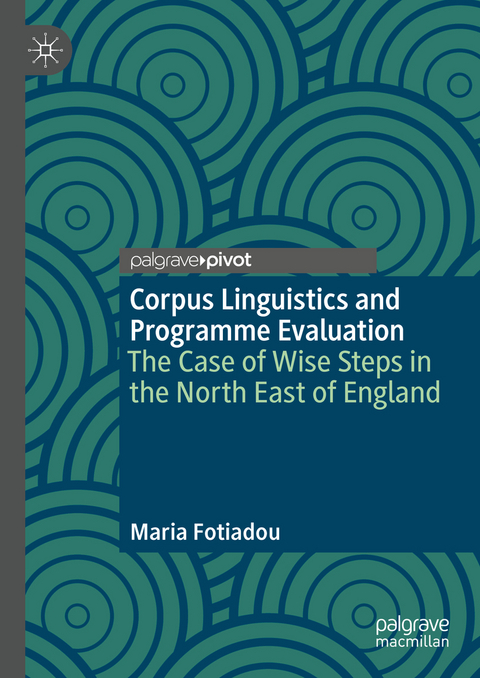
This book provides a comprehensive exploration of the Wise Steps programme, part of the Building Better Opportunities (BBO) initiative aimed at tackling social exclusion in the North East of England. The book offers a unique analysis of a corpus of 33,000 words derived from feedback provided by 476 unemployed or economically inactive individuals, using advanced corpus linguistics methods to extract meaningful insights from participants open-ended responses. By analysing the language used by participants, the book uncovers the programme's impact on employment outcomes and broader well-being, including mental health, confidence, empowerment, and social inclusion. The study also demonstrates the value of linguistic analysis in programme evaluation, providing a richer understanding of participants experiences and challenges that quantitative data alone cannot capture. The book compares the Wise Steps programme to traditional government employment services, highlighting the programme s holistic, person-centred approach. Participants consistently expressed appreciation for the empathetic, non-judgemental support they received, in contrast to the often impersonal nature of conventional employment services. This book will be of interest to academics and students in the fields of Linguistics, Career Services, and Employability. It will also appeal to professionals in Third Sector organisations and Monitoring and Evaluation researchers. Emphasising the importance of qualitative data analysis in programme evaluation, it presents a practical approach for incorporating linguistic insights into the assessment of social inclusion initiatives.
Maria Fotiadou holds a PhD in Linguistics from the University of Sunderland, UK. She has gained valuable experience in the Third Sector working as a Research and Learning Consultant for a leading UK-based social enterprise. She has co-designed and updated the research strategy of a large EU-funded employability project in the North East of England. She has also published articles in peer-reviewed journals and book chapters in the area of Critical Discourse Analysis and Corpus Linguistics. Her book, The Language of Employability, was published by Palgrave Macmillan in 2022.
Chapter 1: Introduction.- Chapter 2: Welfare support in the UK.- Chapter 3: Unemployment and EI in the North East.- Chapter 4: Social Inclusion programmes in the NE.- Chapter 5: The Wise Steps programme.- Chapter 6: Research, Monitoring and Evaluation of social inclusion programmes.- Chapter 7: Using Corpus Linguistics methods and tools to analyse participant feedback.- Chapter 8: Research Insights.- Chapter 9: Conclusions.
| Erscheinungsdatum | 30.08.2025 |
|---|---|
| Zusatzinfo | XV, 134 p. 35 illus. |
| Verlagsort | Cham |
| Sprache | englisch |
| Maße | 148 x 210 mm |
| Themenwelt | Geisteswissenschaften ► Sprach- / Literaturwissenschaft ► Sprachwissenschaft |
| Schlagworte | Corpus Linguistics • (critical) discourse analysis • Discourse analysis • economic inactivity • Empowerment • European Social Fund • participant voice • Poverty • Programme evaluation • Qualitative Impact Assessment • SDG 10 • Social Inclusion • Third Sector and Social Enterprises • Unemployment • Work and Employment • Work an Employment |
| ISBN-10 | 3-031-92982-9 / 3031929829 |
| ISBN-13 | 978-3-031-92982-3 / 9783031929823 |
| Zustand | Neuware |
| Informationen gemäß Produktsicherheitsverordnung (GPSR) | |
| Haben Sie eine Frage zum Produkt? |
aus dem Bereich