


Medieval Archaeology in the East Roman World
Seiten
2024
|
New edition
ARC Humanities Press (Verlag)
978-1-64189-219-3 (ISBN)
ARC Humanities Press (Verlag)
978-1-64189-219-3 (ISBN)
This book argues that when approached as a series of microhistories, medieval archaeology in the East Roman world is the archaeology of complex settlements.
Medieval archaeology of the East Roman world is key to understanding the populations that are invisible in contemporary political and religious sources. Although scholars have long studied the religious and elite structures of the East Roman world, dedicated analysis of the material remains of ordinary and rural people is relatively new. Yet this work is essential to understanding the people who lived in lands as varied as Italy and northern Mesopotamia between the fourth and fifteenth centuries, as well as the continuity of their communities. This book argues that when approached as a series of microhistories, medieval archaeology in the East Roman world is the archaeology of complex settlements, each of which was forced to react, positively or negatively, to the varied changes of the period. It is the archaeology of landscapes, of households, and of resilience; in recognizing this, we gain a more nuanced view of the East Roman world.
Medieval archaeology of the East Roman world is key to understanding the populations that are invisible in contemporary political and religious sources. Although scholars have long studied the religious and elite structures of the East Roman world, dedicated analysis of the material remains of ordinary and rural people is relatively new. Yet this work is essential to understanding the people who lived in lands as varied as Italy and northern Mesopotamia between the fourth and fifteenth centuries, as well as the continuity of their communities. This book argues that when approached as a series of microhistories, medieval archaeology in the East Roman world is the archaeology of complex settlements, each of which was forced to react, positively or negatively, to the varied changes of the period. It is the archaeology of landscapes, of households, and of resilience; in recognizing this, we gain a more nuanced view of the East Roman world.
Marica Cassis is Associate Professor at the University of Calgary and the Director of the medieval excavations at Çadır Höyük in Türkiye. She specializes in the archaeology of medieval East Roman Anatolia and in the use of gender theory in archaeology.
List of Illustrations
Foreword
Introduction
Chapter 1. A Field with an Identity Problem
Chapter 2. Anatolia: A Case Study in Resilience
Chapter 3. Greece: A Case Study in Landscape Continuity
Chapter 4. The Levant: A Case Study in Identities
Chapter 5. Including the Other: Local and Liminal Communities
Conclusions
Further Reading
| Erscheinungsdatum | 31.12.2024 |
|---|---|
| Reihe/Serie | Past Imperfect |
| Zusatzinfo | Line drawings, black and white; 3 Maps; 14 Illustrations, black and white |
| Sprache | englisch |
| Maße | 114 x 178 mm |
| Themenwelt | Geisteswissenschaften ► Archäologie |
| Geschichte ► Allgemeine Geschichte ► Vor- und Frühgeschichte | |
| Geschichte ► Allgemeine Geschichte ► Mittelalter | |
| ISBN-10 | 1-64189-219-6 / 1641892196 |
| ISBN-13 | 978-1-64189-219-3 / 9781641892193 |
| Zustand | Neuware |
| Informationen gemäß Produktsicherheitsverordnung (GPSR) | |
| Haben Sie eine Frage zum Produkt? |
Mehr entdecken
aus dem Bereich
aus dem Bereich
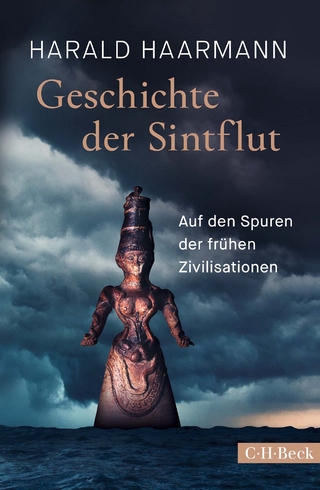
auf den Spuren der frühen Zivilisationen
Buch | Hardcover (2023)
C.H.Beck (Verlag)
CHF 27,95
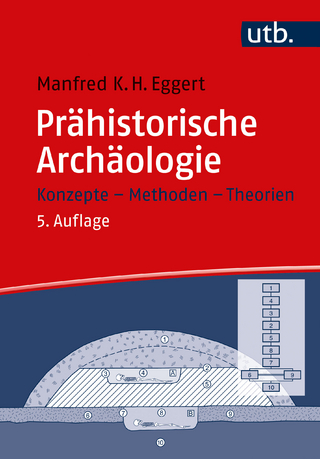
Konzepte – Methoden – Theorien
Buch | Softcover (2024)
UTB (Verlag)
CHF 55,85
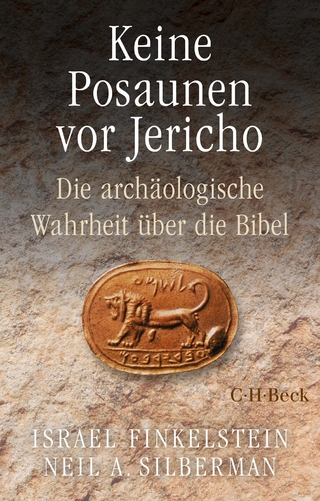
die archäologische Wahrheit über die Bibel
Buch | Softcover (2023)
C.H.Beck (Verlag)
CHF 25,20


