


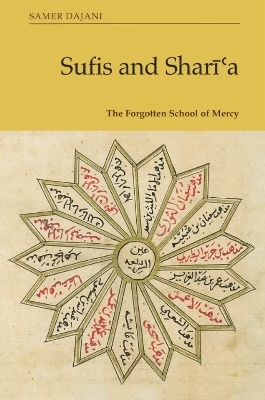
Sufis and Sharīʿa
Edinburgh University Press (Verlag)
978-1-3995-0857-5 (ISBN)
This book highlights a number of the major Sufi figures whose writings on legal theory were strongly shaped by their Sufism, showing how they belonged to the same tradition and developed each other’s ideas. The book focuses in particular on Ibn ʿArabī, giving a detailed analysis of his legal thought and revealing his influence on a number of major Sufi figures all the way up to the 19th century. Other key figures whose influence is explored are al-Tirmidhī , al-Shaʿrānī and Ibn Idrīs. This is the first study to give a full picture of the role that Sufi thought played in the revivalist Islamic movements of the 18th, 19th and even 20th centuries.
This book is not about Sufism. It is about the nature of the Sharīʿa. In the first three centuries of Islam, many scholars believed that juristic differences were rooted in the Sharīʿa’s inherent flexibility. As this pluralistic attitude began to disappear, a number of Sufis defended and developed this idea through the centuries. They aimed to preserve the leniency and simplicity of the Sharīʿa against the complications and restrictions created by many jurists.
Dr Samer Dajani gained his PhD in Near and Middle Eastern Studies from SOAS in 2015, before spending a year as a Research Fellow at the Cambridge Muslim College and then working as a lecturer in both Sufism and Modern Islamic Thought at the Muslim College in Ealing, London until 2020. He then stopped teaching to focus on a major new research project, and has given talks on selected subjects from this research at The University of Cambridge, The University of Exeter, SOAS and the annual BRAIS Conference. His publications include ‘Ibn ʿArabī and the Theory of a Flexible Sharīʿa’, in the Journal of the Muhyiddin Ibn ʿArabi Society (2018), ‘The Centrality of Ibn ʿArabī in Popular Ḥadīth Chains’, in the Journal of the Muhyid-din Ibn ʿArabi Society (2017) and a 2013 book, Reassurance for the Seeker: A Biography and Translation of Ṣāliḥ al-Jaʿfarī’s al-Fawāiʾd al-Jaʿfariyya, a Commentary on Forty Prophetic Traditions.
Introduction: The Sufis and Legal Theory
The Sufis and Uṣūl al-fiqh
Part One: Mysticism, Traditionalism, and the School of Mercy
Chapter 1: The Schools of Law
Ijtihād and the Science of Legal Theory
Hadith vs Sunna
Rationalists vs Traditionalists
The Traditionist-Jurisprudents
The Great Synthesis and the Four Madhhabs
The Ẓāhirīs
Chapter 2: Sufis and Traditionalism
Sufis and Fiqh
Affinities between the Mystics and Traditionalists
Conceptions of Sainthood Among the Traditionalist Movement
The Mystics and the Schools
Chapter 3: Al-Tirmidhī’s Critique of Rationalism
A Brief Sketch of Tirmidhī’s Life and Intellectual Upbringing
Tirmidhī and Jurisprudence
Ḥikma: The Spiritual Wisdom Behind the Divine Prescriptions
Tirmidhī’s Conception of Ijtihād
The Law is Mercy
Conclusion
Chapter 4: Ibn ʿArabī’s Traditionalism
The life of Ibn ʿArabī
The Intellectual Environment in Andalusia
The Influence of Eastern Mystics and Sufis
Mysticism, Traditions and Traditionalism
Ibn ʿArabī and the Works of Ibn Ḥazm
Chapter 5: The Akbarī Madhhab: Ibn ʿArabī’s School of Mercy
Ibn ʿArabī and Ẓahirism
Original Licitness and The Ease Principle
Divine Pardon and Mercy
Ibn ʿArabī’s Position on Ijtihād
Taqlīd, Pluralism and God’s Mercy
Summary
Did Ibn ʿArabī Have His Own Madhhab?
Chapter 6: Loyalty to the Akbarī Way: ʿAbd al-Wahhāb al-Shaʿrānī
ʿAbd al-Wahhāb al-Shaʿrānī
Shaʿrānī’s Writings on Ibn ʿArabī
The Removal of the Fog
Part Two: Mercy in Flexibility: A Path for All Mankind
Chapter 7: The All-Comprehensive Nature of the Sharīʿa: From Tirmidhī to Suyūṭī
The Early Concept of Leeway
The Position of the Four Madhhabs
Ibn Ḥanbal and the Traditionalists
Al-Ḥakīm al-Tirmidhī
Ibn ʿArabī
Taqī al-Dīn al-Subkī
Al-Suyūṭī
Difference of Perspective
Chapter 8: The ‘Scale’ of ʿAbd al-Wahhāb al-Shaʿrānī
The Scale
The Sufi Ideas Underlying the Theory
The Concept of Leeway vs the Concept of Abrogation
Shaʿrānī’s Defence of the Madhhabs
Why Shaʿrānī Wrote the Mīzān
The Problem of Talfīq
Part Three: The Akbarī Madhhab in Practice and its Influence on the Modern World
Chapter 9: Aḥmad ibn Idrīs and the Implementation of Ibn ʿArabī’s Jurisprudence in the 19th Century
The Importance of Aḥmad ibn Idrīs
His Education
Ibn Idrīs as Teacher
Ibn Idrīs as Heir to Ibn ʿArabī
Ibn Idrīs’s Study of the Jurisprudential Sections of the Futūḥāt
Chapter 10: The Teachings and Influence of Aḥmad ibn Idrīs
The Teachings of Ibn Idrīs on Ijtihād
The Idrīsī Tradition and Beyond
Chapter 11: From Ibn ʿArabī to the Salafīs
The Hijaz Revival
Shah Walī-Allāh and the Indian Ahl-i Hadith Movement
The Iraqi and Moroccan Revivalists
The Damascene Salafiyya
Maḥmūd Khaṭṭāb al-Subkī’s al-Jamʿiyya al-Sharʿiy
Conclusion
The Spirit of the Law: Competing Visions
Appendix: The Classical Juristic Debate on Whether or not Every Mujtahid Was Correct
Al-Ghazālī and Infallibilism
Ibn ʿArabī, Suyūṭī and Shaʿrānī
| Erscheinungsdatum | 29.07.2024 |
|---|---|
| Zusatzinfo | 3 black and white illustrations |
| Verlagsort | Edinburgh |
| Sprache | englisch |
| Maße | 156 x 234 mm |
| Themenwelt | Geisteswissenschaften ► Geschichte ► Regional- / Ländergeschichte |
| Geisteswissenschaften ► Religion / Theologie ► Islam | |
| ISBN-10 | 1-3995-0857-1 / 1399508571 |
| ISBN-13 | 978-1-3995-0857-5 / 9781399508575 |
| Zustand | Neuware |
| Informationen gemäß Produktsicherheitsverordnung (GPSR) | |
| Haben Sie eine Frage zum Produkt? |
aus dem Bereich


